
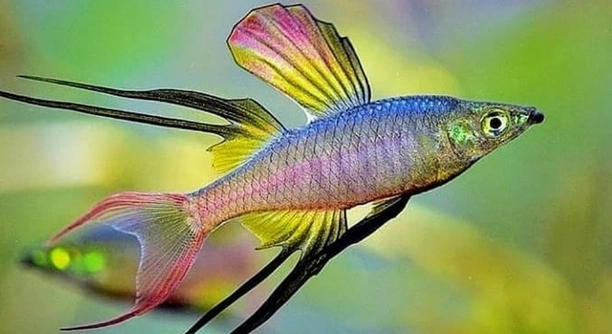
Threadfins are fascinating fish often seen moving together near certain underwater plants. Their behavior is noticeable, and many observers find it intriguing. These clusters can form in shallow waters where plants provide structure and shelter.
Threadfins tend to cluster near specific plants because these environments offer protection from predators, abundant food sources such as small invertebrates, and favorable current conditions. Such plants create a microhabitat that supports their feeding and social behaviors effectively.
Understanding why threadfins choose these plants can improve our knowledge of their feeding habits and habitat preferences in aquatic ecosystems.
The Role of Plant Structure in Threadfin Clustering
The physical structure of underwater plants plays a significant role in attracting threadfins. Plants with dense leaves or sturdy stems create sheltered areas where threadfins can rest and hide from predators. These structures also allow them to conserve energy, as currents are often slower around thick vegetation. Additionally, many small invertebrates and plankton gather around plants, providing a steady food source. Threadfins take advantage of these microhabitats to feed efficiently while remaining protected. Observing their patterns shows a strong preference for areas that combine both food availability and safe resting spaces. Over time, these preferences lead to noticeable clusters, making these fish easier to observe near certain plants compared to open water.
Plant density directly impacts the size of threadfin clusters, with thicker plants hosting larger groups.
In addition to protection, the plant’s arrangement affects movement. Open spaces within dense patches allow threadfins to swim freely while remaining close to cover. Stems and roots create boundaries that reduce stress and aggressive interactions among fish. Clustering also helps in coordinating feeding behavior, where fish can follow others to nutrient-rich spots. Seasonal growth of plants can influence where threadfins gather, as new leaves and shoots provide fresh shelter and attract small organisms. This dynamic environment ensures threadfins consistently find areas that balance safety and feeding efficiency.
Feeding Benefits of Plant Proximity
Being near plants provides threadfins with easy access to food.
Small invertebrates, plankton, and other tiny organisms are more abundant around plants. Threadfins take advantage of this by feeding in these areas, which reduces energy spent searching for food and increases feeding success.
The proximity to plants also influences feeding strategies. Threadfins can forage among leaves, roots, and stems where prey is concentrated. This behavior allows them to consume more food in a shorter period compared to open water. Plants also create microcurrents that bring drifting plankton closer to the fish. By positioning themselves strategically around these structures, threadfins maximize their feeding efficiency. Over time, this behavior reinforces their preference for certain plant types. Observing these patterns highlights how the combination of safety, structure, and food availability shapes where threadfins cluster and thrive in their habitats.
Seasonal Changes and Threadfin Behavior
Seasonal changes affect where threadfins gather. Warmer months often see larger clusters near rapidly growing plants, while colder periods can reduce plant density, dispersing the fish.
Threadfins adjust their locations according to plant growth cycles. As new leaves and shoots develop, they provide fresh shelter and attract more prey, encouraging larger groups. Conversely, decaying or sparse plants force fish to spread out or seek alternative vegetation. Water temperature, current strength, and daylight hours further influence their clustering. Observing these patterns over time reveals how adaptable threadfins are, relying on both plant availability and environmental conditions to optimize feeding and protection.
Migration patterns also interact with seasonal changes. Threadfins may move closer to shorelines or deeper areas depending on plant density and water conditions. Their clustering behavior is not static but responds dynamically to seasonal shifts, showing a balance between energy efficiency, safety, and feeding opportunities. Understanding these seasonal patterns helps explain why certain areas consistently host threadfin groups at particular times of the year.
Predator Avoidance Strategies
Threadfins use plant clusters to reduce predator risk, staying close to cover while feeding.
Dense plants create natural barriers that limit predator access. Threadfins position themselves strategically within these patches, using stems and leaves for quick escapes. This behavior reduces vulnerability and allows them to remain active without constant fear. Safety in numbers also plays a role, as larger groups confuse predators and decrease individual risk. By relying on both physical cover and social strategies, threadfins maintain a balance between feeding efficiency and protection from threats.
Staying near plants also provides visual advantages. Threadfins can monitor surroundings while remaining partially hidden. The vertical and horizontal spacing of plants allows multiple escape routes, minimizing capture chances. This combination of structural cover and group behavior demonstrates how threadfins exploit their environment to survive. Over time, fish that effectively use these strategies are more likely to thrive, reinforcing clustering habits near certain plant types. These behaviors show an intricate relationship between habitat, social interaction, and predator avoidance.
Plant Density and Fish Movement
Higher plant density slows threadfin movement, allowing them to conserve energy while staying protected. Fish use gaps between stems to swim efficiently.
Sparse plants lead to wider dispersion. Threadfins adjust their swimming patterns, balancing the need for food and safety while avoiding open water exposure.
Social Interaction Within Clusters
Threadfins maintain specific distances from one another to reduce conflict and improve coordination. Individuals respond to nearby movements, allowing the group to feed and move cohesively. Coordination within clusters increases survival and foraging efficiency, demonstrating how social behavior integrates with environmental structure to shape their daily patterns.
Impact on Reproduction
Threadfins often choose dense plant areas for spawning. These locations provide protection for eggs and juveniles, reducing predation risk. Choosing such habitats ensures that the next generation has a better chance of survival, linking clustering behavior directly to reproductive success.
FAQ
Why do threadfins prefer certain plants over others?
Threadfins select plants that provide both shelter and food. Dense leaves and strong stems create protection from predators while hosting small invertebrates and plankton. These plants allow threadfins to feed efficiently without constantly swimming in open water, making them ideal gathering spots.
Do all threadfins in a habitat cluster around plants?
Not all threadfins gather near plants. Some individuals may explore open water for feeding or mating opportunities. Clustering usually occurs where plant density, food availability, and protection overlap. The presence of predators or strong currents can also influence whether a group forms or disperses.
How does plant growth affect threadfin behavior?
As plants grow, they create more shelter and attract more prey. This encourages larger clusters during warmer months when growth is fastest. When plants decay or thin out, threadfins disperse, seeking alternative vegetation or moving to deeper or calmer areas. Seasonal patterns strongly influence clustering behavior.
Can human activity impact threadfin clustering?
Yes, human activity such as boating, fishing, or pollution can disturb plant habitats, reducing shelter and prey availability. Removing or damaging plants forces threadfins to relocate, which can affect feeding, social interactions, and reproduction. Protecting plant-rich areas helps maintain healthy fish populations and their natural behaviors.
Do threadfins communicate within clusters?
Threadfins display subtle social interactions rather than vocal communication. They respond to movements of nearby fish, adjusting speed and direction to maintain group cohesion. This coordination helps reduce conflicts, improves feeding efficiency, and allows for collective predator avoidance, showing the importance of social structure in clustering.
Are certain plants better for reproduction?
Yes, dense plants with hidden spaces are preferred for spawning. Eggs and juveniles are safer among thick leaves and stems, reducing predation risk. These plants provide a stable environment for growth, and selecting such habitats ensures higher survival rates for offspring, linking plant selection directly to reproductive success.
How do predators influence clustering behavior?
Predators strongly affect where threadfins gather. Fish cluster near plants that provide quick escape routes and visual cover. Groups form larger schools when predators are nearby, confusing attackers and reducing individual risk. Plants also slow predators, giving threadfins a better chance to evade capture.
Do water conditions affect threadfin clustering?
Yes, water temperature, current strength, and clarity influence plant selection and clustering. Slow currents around dense plants allow energy conservation, while warmer water supports plant and prey growth. Fish adjust locations based on these factors, balancing feeding efficiency with safety. Seasonal shifts in conditions can dramatically change clustering patterns.
Can clustering be observed year-round?
Clustering is most visible when plants are healthy and water conditions are favorable. During colder months or periods of plant decay, fish may spread out. Observing clusters requires noticing patterns across seasons, as threadfins adapt dynamically to habitat changes and environmental pressures.
Does clustering benefit feeding efficiency?
Yes, clustering allows threadfins to locate prey more efficiently. Plants attract plankton and invertebrates, concentrating food. Fish can feed with minimal energy expenditure while remaining protected. Group behavior further improves efficiency, as following others can lead to richer feeding spots. This combination of plant structure and social coordination enhances survival.
Are there risks to clustering?
While clustering provides protection and feeding advantages, it also increases competition for resources. Crowded groups may face limited space, forcing fish to balance proximity with access to food and shelter. Predators can sometimes target clusters, though safety in numbers usually offsets this risk.
How can observing clustering improve understanding of threadfins?
Studying clustering reveals insights into feeding habits, social behavior, and reproductive strategies. Noting plant preferences, group sizes, and seasonal patterns helps understand how threadfins interact with their environment. Such observations can inform habitat protection, fisheries management, and ecological research, ensuring healthier populations over time.
Does plant variety matter in clustering?
Yes, threadfins respond to plant type. Some plants are more effective at providing cover or attracting prey. Mixed vegetation areas often support larger clusters, offering a balance of safety and food. Understanding plant variety helps explain why certain sites consistently host more threadfins than others.
Can clustering change over time in the same location?
Clustering can shift as plants grow, decay, or as environmental conditions change. Fish may relocate to new patches that better meet their needs. Long-term observation shows clusters are dynamic, reflecting adaptation to fluctuating food availability, shelter, and predator presence.
Do juveniles cluster differently than adults?
Juveniles often remain closer to dense plants, relying on shelter for survival. Adults may venture slightly farther for feeding or mating, but they still stay near protective vegetation. This difference in behavior highlights how age and experience influence clustering strategies.
Is human intervention necessary to support threadfin clusters?
Maintaining healthy plant habitats naturally supports clustering. Human intervention, such as planting or protecting vegetation, can help areas recover from damage. Avoiding disturbances and preserving water quality ensures threadfins continue to benefit from the shelter and feeding opportunities plants provide.
How long do threadfins stay in clusters?
Cluster duration varies. Fish may remain hours or days near abundant plants, especially when feeding or resting. Environmental changes, predator presence, or depletion of nearby prey can cause relocation. The temporary nature of clusters reflects threadfins’ adaptability and reliance on optimal habitat conditions.
Can clustering behavior indicate ecosystem health?
Yes, strong clustering near healthy plants suggests a balanced habitat with sufficient food and protection. Sparse or absent clusters may indicate habitat degradation or environmental stress. Monitoring clustering behavior provides valuable information about aquatic ecosystem conditions and the wellbeing of fish populations.
Do threadfins ever switch plant types within a cluster?
Threadfins may move among nearby plants to access more prey or better cover. Flexibility in plant use helps them optimize feeding and safety. This movement is common within larger clusters where multiple plant species coexist, allowing fish to respond dynamically to local conditions.
Are clusters more common in shallow or deep water?
Clusters are typically observed in shallower waters where plants grow densely. These areas provide better shelter and food concentration. In deeper zones with sparse vegetation, threadfins disperse, showing the strong influence of plant availability on clustering patterns.
Threadfins show fascinating behavior when it comes to clustering near certain plants. Their preference for specific plant types is not random but based on a combination of factors that support their survival. Plants with dense leaves and sturdy stems provide both protection from predators and access to food sources. Small invertebrates, plankton, and other organisms gather around these plants, creating a consistent supply of nourishment for the fish. By staying close to these areas, threadfins can feed efficiently without exposing themselves to the dangers of open water. Over time, these preferred habitats become well-known spots for threadfins, leading to noticeable groups that can be observed repeatedly in the same locations.
Seasonal changes and environmental conditions also play a role in clustering behavior. During warmer months, plant growth is faster, providing more shelter and attracting additional prey, which encourages larger groups of threadfins. In contrast, colder months or periods of plant decay can reduce the density of vegetation, causing the fish to disperse or seek alternative plants. Water temperature, currents, and daylight hours influence both plant growth and threadfin activity, creating a dynamic relationship between the fish and their environment. Observing these patterns helps explain why clustering behavior is more visible at certain times of the year and less pronounced at others. Threadfins are adaptable, adjusting their locations to balance safety, feeding efficiency, and energy conservation based on the changing conditions of their habitat.
Social interactions within clusters further enhance the survival of threadfins. Fish respond to the movements of others, maintaining a coordinated group that reduces conflict and improves feeding efficiency. Clustering also provides reproductive advantages, as dense plant areas offer safe spaces for spawning and juvenile development. Predator avoidance is another benefit, as plants create natural barriers and multiple escape routes, while larger groups confuse predators and reduce individual risk. Over time, these behaviors reinforce the importance of plant-rich habitats, showing how threadfins rely on the combination of environmental structure and social dynamics to thrive. Understanding these patterns can improve knowledge of their feeding habits, reproductive strategies, and habitat preferences, highlighting the intricate balance between aquatic vegetation and fish behavior.

Hello,
If you enjoy the content that we create, please consider saying a "Thank You!" by leaving a tip.
Every little bit helps us continue crafting quality advice that supports the health, happiness, and well-being of pets around the world, for pets of all shapes, sizes, and species.
We really appreciate the kindness and support that you show us!