
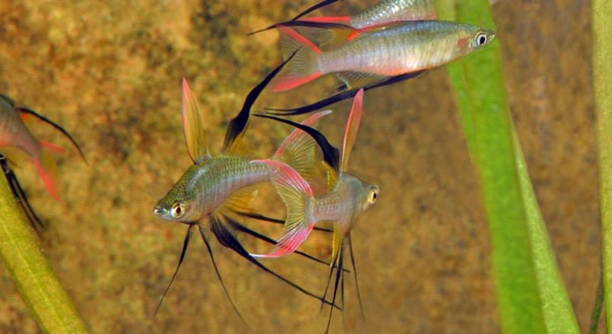
Have you ever noticed your threadfins reacting oddly when there’s a lot of activity around their tank, making you wonder if it’s all too much for them?
Threadfins can become overstimulated by excessive movement in or around their environment. Their sensitive nature and reactive behavior make them prone to stress when exposed to sudden or continuous motion, leading to changes in swimming patterns and overall health.
Understanding how movement impacts your threadfins can help you create a calmer environment that keeps them healthy and thriving.
Why Too Much Movement Affects Threadfins
Threadfins are delicate fish that rely on calm, steady surroundings to feel secure. Their natural habitats usually have gentle currents and minimal disruptions, so sudden or frequent movement can easily unsettle them. When they experience too much activity, such as people constantly passing by the tank or other fish darting quickly, they may start to act differently. You might notice them swimming erratically, hiding more often, or refusing to eat. These changes are signs of overstimulation, which can lead to ongoing stress if not managed properly. A stressed threadfin often becomes more vulnerable to illness and may lose its bright colors or energy levels. Keeping their space peaceful not only helps them relax but also encourages their natural, graceful swimming behavior, making your aquarium a more balanced environment for everyone to enjoy.
Limiting quick movements near their tank helps reduce unnecessary stress and maintains their overall well-being.
It’s also important to control lighting and water flow. Threadfins prefer soft, stable light rather than bright or flashing ones that can add to overstimulation. When setting up their aquarium, avoid placing it in a high-traffic area or near televisions. Even the vibrations from loud sounds can disturb their sense of calm. Make sure tank mates are compatible—peaceful fish that don’t compete aggressively for food or territory. Observing your threadfins daily can help you notice small behavioral changes before they turn into bigger problems. If they appear agitated, slowing down the environment and adjusting the tank setup can make a big difference. A consistent, gentle routine helps them regain comfort and maintain their beautiful, flowing appearance.
Creating a Calmer Space for Your Threadfins
Keeping the water quality stable plays a major role in their comfort and behavior.
To create a soothing environment, start by maintaining proper tank conditions. Clean the water regularly, and monitor pH and temperature levels to match their natural habitat. Avoid making big changes all at once, as sudden adjustments can add to their stress. Include plenty of hiding spots like plants or driftwood, where they can retreat whenever they feel overwhelmed. Choosing smooth decorations prevents injury while giving them safe areas to explore. It’s also wise to feed them at consistent times each day, as a predictable schedule helps them feel secure. You can even use soft lighting and background colors to make the aquarium more peaceful. By keeping the space calm, your threadfins will swim more gracefully and show off their natural beauty. Creating this balance doesn’t take much effort, but it makes a lasting difference in their health and happiness.
Recognizing Signs of Overstimulation
Overstimulated threadfins often show small but noticeable changes in behavior. They may swim in quick bursts, stay near the bottom, or hide for long periods. Sometimes, they stop eating or appear duller in color, signaling that something in their environment feels too intense.
When threadfins are constantly exposed to motion, lights, or noise, their stress levels rise. This can weaken their immune system and make them more prone to diseases such as fin rot or ich. You might also notice them gasping near the surface or flicking against decorations in the tank. These are their ways of trying to cope with discomfort. To prevent overstimulation, keep their surroundings steady and predictable. Reducing traffic near the tank and providing quiet periods throughout the day can help them feel safer and restore their normal behavior over time.
Sometimes, overstimulation may not be obvious right away. It can build up slowly, especially in tanks placed in busy rooms or near loud equipment. Observing your threadfins at different times of the day helps you notice changes before they worsen. If they seem restless, consider dimming the lights or covering part of the tank temporarily. Gradual improvements in their movement and feeding habits are good signs that they’re regaining balance.
Helping Your Threadfins Recover
Recovery starts by calming their surroundings and limiting exposure to sudden movement. Give them space and time to adjust without unnecessary handling or noise. Small steps toward a quieter, softer environment will help them settle and regain their comfort naturally.
In many cases, adding more hiding places and adjusting lighting conditions can make a noticeable difference. Threadfins need reassurance that their habitat is safe. Lowering water flow and reducing reflections on the glass can also help them relax. Avoid rearranging the tank too often, as consistency gives them stability. Feeding them high-quality food and keeping the water clean supports their recovery and strengthens their immune system. Over time, their colors should return to normal, and their swimming patterns will appear more fluid. Patience is key—stress doesn’t disappear instantly, but steady care can bring lasting peace to their environment.
Adjusting Tank Setup for Balance
A stable setup helps prevent overstimulation. Keep water parameters consistent and avoid placing the tank near windows or doors where sudden light and movement occur. Choose a gentle filter that doesn’t create strong currents, and keep decorations arranged in a way that offers both space and shelter.
Plants play a big role in creating a balanced atmosphere. Live plants soften water flow and help absorb noise and movement, giving threadfins areas to rest. They also improve water quality, which supports the fish’s overall health. A calm, well-structured tank encourages steady, relaxed swimming and reduces unnecessary stress.
Monitoring Behavior and Environment
Observing your threadfins daily helps you detect early signs of stress before they worsen. Take note of how they swim, eat, and interact. Regular testing of water conditions, along with gentle lighting adjustments, ensures their habitat remains safe and consistent for long-term comfort.
Maintaining Long-Term Stability
Consistency is the most important part of keeping threadfins calm. Sudden changes in temperature, lighting, or tank setup can trigger stress. Keeping a steady schedule for feeding and cleaning helps them feel secure, reducing overstimulation and promoting healthier, more natural behavior.
FAQ
Can threadfins get stressed from people watching them too closely?
Yes, threadfins can become uneasy when there’s constant activity right outside their tank. Their natural instinct makes them alert to movement, and frequent human presence or tapping on the glass can easily disturb them. It’s best to observe them from a comfortable distance and keep the area around their aquarium quiet. Over time, they may become more accustomed to your presence, but sudden or repeated motions should still be avoided. Keeping lighting soft and background activity minimal helps them remain calm and display their natural swimming patterns without signs of stress.
How can I tell if my threadfins are stressed or overstimulated?
You can usually tell by changes in their behavior. Overstimulated threadfins may swim quickly from one side of the tank to the other, hide for long periods, or stop eating. Their colors might appear duller, and they may avoid social interactions with other fish. In more severe cases, they may gasp at the surface or rub against objects. These behaviors indicate discomfort caused by their surroundings. If you notice these signs, take steps to reduce movement and noise around their tank. Giving them a few days in a calmer environment often helps restore their normal activity and color.
What kind of lighting is best for threadfins?
Threadfins prefer soft, indirect lighting that mimics natural conditions. Bright, flashing, or changing lights can cause overstimulation and lead to stress. It’s best to use a consistent light schedule—about eight to ten hours a day—to maintain their internal rhythm. LED lights with adjustable brightness work well for these fish. Avoid placing the tank in direct sunlight, as it not only overstimulates them but can also increase water temperature too quickly. A calm lighting setup encourages stable behavior and helps their delicate fins shimmer naturally without added stress.
Can other fish cause overstimulation in threadfins?
Yes, tank mates with fast or aggressive behavior can easily overstimulate threadfins. These fish thrive best with calm, peaceful companions that swim at a steady pace and don’t chase or compete for food. Aggressive species can make them anxious, leading to hiding and loss of appetite. Choosing tank mates like small rasboras or peaceful tetras helps create harmony. Always watch for signs of stress when introducing new fish. If your threadfins become restless or hide more, it’s best to remove or separate the more active species to maintain balance in the tank.
How can I calm overstimulated threadfins quickly?
The first step is to reduce the movement and noise around the tank. Turn off bright lights and close nearby blinds or curtains. Keep the room quiet and limit people walking past. Adding extra plants or decorations gives them safe spaces to retreat. Lowering the filter flow slightly can also help. Avoid feeding or moving decorations during this time, as that can add to their stress. Within a few hours or days, you should see calmer swimming and more steady behavior. The goal is to bring peace back to their environment without making too many sudden changes.
Is it okay to move the tank if my threadfins seem overstimulated?
If their current location exposes them to frequent noise or movement, relocating the tank can help—but only do it carefully. Moving a tank can stress the fish even more if done abruptly. Plan the new spot in advance, choosing a quiet area with stable temperature and lighting. Use their existing tank water during the move to reduce shock. Once set up, give them time to adjust before making any further changes. Gradual transitions always work best for threadfins, as they thrive on predictability and steady surroundings.
Do threadfins ever get used to regular movement?
They can adapt slightly, especially if the movement around them is gentle and consistent. However, sudden or unpredictable activity continues to bother them. Their sensitivity is part of their natural behavior, so it’s better to minimize movement rather than expecting them to adjust completely. Keeping routines steady—like feeding times and light schedules—helps them feel more secure. While they might tolerate some gentle movement over time, creating a calm, stable space will always suit them best. Balanced surroundings bring out their natural beauty and ensure their health stays strong for the long term.
Final Thoughts
Threadfins are graceful and gentle fish that bring a quiet beauty to any aquarium. Their flowing fins and soft movements are calming to watch, but their sensitivity requires thoughtful care. Too much movement, noise, or light can overwhelm them and lead to stress. This stress doesn’t just affect how they act—it can also impact their health, appetite, and overall lifespan. Understanding their needs helps you create a space where they can swim comfortably and display their natural colors without fear or tension. When their surroundings are calm, threadfins become more confident and active, showing you how peaceful they can truly be.
Maintaining stability is the key to keeping them happy. This means being mindful of their environment every day—checking water quality, keeping lighting soft, and limiting traffic around their tank. A balanced habitat encourages steady behavior and prevents overstimulation from building up over time. Threadfins thrive in routines, so keeping a regular schedule for feeding, cleaning, and lighting makes a big difference. It’s also helpful to choose tank mates that move slowly and behave gently. These small details come together to create an environment that feels safe and predictable. When they sense consistency, threadfins respond with calm swimming, vibrant colors, and a more natural display of their personality.
Caring for threadfins is about more than just keeping them alive—it’s about helping them feel secure. Their beauty comes from how they move and interact with their surroundings, and that only happens when they are relaxed. Taking the time to observe them each day allows you to notice subtle changes in behavior or color that might signal stress. With gentle adjustments, like softening lights or rearranging plants, you can bring back balance and comfort. Over time, you’ll start to understand what makes them feel most at ease, and caring for them becomes second nature. The reward is a peaceful aquarium filled with quiet motion and delicate grace. By respecting their need for calm, you ensure your threadfins not only survive but truly thrive in the space you’ve created for them.

Hello,
If you enjoy the content that we create, please consider saying a "Thank You!" by leaving a tip.
Every little bit helps us continue crafting quality advice that supports the health, happiness, and well-being of pets around the world, for pets of all shapes, sizes, and species.
We really appreciate the kindness and support that you show us!