
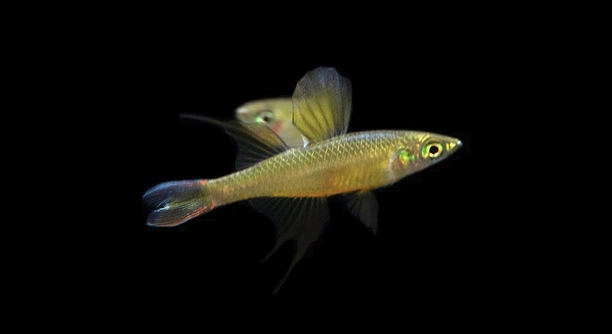
Do you ever find yourself adjusting the light in your aquarium, hoping your Threadfin fish will finally calm down and feel at ease?
Reducing light for a nervous Threadfin is essential to lower stress levels and promote natural behavior. Excessive brightness can overwhelm these sensitive fish, leading to erratic swimming, hiding, or even loss of appetite. Adjusting light intensity helps maintain a balanced and peaceful environment.
From feeding routines to sudden tank changes, several moments call for dimmed lighting to keep your Threadfin comfortable and stress-free.
When the Tank Is Newly Set Up
A newly set up tank can easily make a Threadfin nervous. The unfamiliar surroundings, strong light, and lack of established hiding spots can trigger anxiety. Lowering the light during this stage gives them time to adjust at their own pace. It also prevents reflections and shadows that might appear threatening. Soft, dim lighting allows them to explore slowly and settle without panic. You can gradually increase brightness once they start swimming confidently and feeding normally. This approach creates a calmer adjustment period and encourages them to display their natural colors without feeling exposed.
Keeping the light low for the first week helps your Threadfin recognize its environment safely and build confidence before full illumination.
During the early setup phase, focus on gentle lighting and stable conditions. Avoid turning lights on and off suddenly. The key is patience—creating a soothing environment ensures your Threadfin feels secure in its new home.
After Tank Maintenance
After cleaning the tank or rearranging decorations, Threadfins can become anxious due to disturbed surroundings and sudden brightness. Dim lighting during this period helps reduce visual stress and allows them to regain comfort faster.
When you finish maintenance, your Threadfin’s environment changes drastically. The new layout, clean water, and altered scents can cause confusion. Lowering light intensity helps them reacclimate without additional stress. It gives them time to re-familiarize themselves with their space and prevents rapid darting or hiding behaviors. Keep the light dim for several hours after cleaning, gradually increasing brightness once your fish resumes calm swimming patterns. Consistency is important, as sudden changes can heighten anxiety. Maintaining stable lighting after tank maintenance reassures your Threadfin that the environment is safe again. This simple adjustment can make a big difference in their behavior and overall well-being.
During Feeding Time
Threadfins can become nervous when lights are too bright during feeding. Strong lighting can make them hesitant to eat or cause them to dart around the tank. Lowering the light helps them focus on food without feeling exposed or startled.
Feeding in soft light encourages natural foraging behavior. Threadfins often prefer dim environments when searching for food since it mimics their natural habitat. When the light is gentle, they swim more calmly and eat confidently. Bright light can make flakes or pellets reflect, confusing them and disrupting feeding. Keeping the lighting low also prevents dominant fish from intimidating others during mealtime. After feeding, you can slowly brighten the tank to maintain routine and help them adjust without stress.
If you feed live food, dim lighting prevents your Threadfin from being distracted by glare or shadows. This allows them to focus on hunting and improves feeding success overall.
When Introducing New Tank Mates
Introducing new tank mates can make Threadfins nervous, especially if the lighting is bright. Dim lighting helps minimize tension and makes the introduction process smoother for both new and existing fish. It keeps movement subtle and reduces aggressive or territorial reactions.
When adding new fish, lower the lights for several hours. The subdued lighting encourages calm exploration and gives the new arrivals time to adapt without feeling threatened. Threadfins, being sensitive, will observe quietly rather than react defensively in low light. This softer environment helps all fish adjust their boundaries naturally. Avoid bright lights or sudden flashes, as these can amplify nervous behavior and cause unnecessary chasing. Gradually return to normal lighting once everyone seems settled. Keeping the light dim during introductions is one of the simplest ways to promote peace and reduce stress for your Threadfin and their tank mates.
After a Sudden Noise or Disturbance
Threadfins are easily startled by loud sounds or quick movements near the tank. Dimming the lights immediately helps calm their nerves and prevents them from darting into decorations or injuring themselves. Soft light gives them a sense of safety after being startled.
Keeping the light low for a short time helps them recover faster. It reduces visibility, allowing them to relax without reacting to every shadow or reflection. Once their swimming becomes slower and steadier, you can gradually return to normal lighting levels.
During Illness or Recovery
When a Threadfin is sick or healing, bright light can worsen its stress and slow recovery. Lowering the light reduces anxiety and encourages rest, allowing the immune system to focus on healing. Soft lighting also minimizes visual strain and keeps the fish from hiding constantly, which supports better monitoring and care.
When Transporting or Reintroducing
After moving or reintroducing your Threadfin to the tank, dim light helps them feel secure and less disoriented. Bright lighting during this time can overwhelm them, but a soft glow allows for smoother adjustment and a calmer return to their normal behavior.
FAQ
How long should I keep the lights dim for a nervous Threadfin?
Keeping the lights dim depends on the situation. After stressful events like maintenance, feeding, or introducing new tank mates, dim the lights for at least a few hours. For newly set-up tanks or during illness, low light can last a full day or until the fish starts swimming calmly. Observe your Threadfin’s behavior closely; slow, steady swimming and regular feeding are signs that it is comfortable. Gradually returning to normal lighting avoids overwhelming them and maintains a stress-free environment.
Can dim lighting affect their health negatively?
Dim lighting for short periods is generally safe for Threadfins and can actually support well-being by reducing stress. However, prolonged low light without any periods of normal illumination can interfere with natural circadian rhythms. Threadfins, like other fish, need a day-night cycle to regulate metabolism, feeding, and growth. You can provide dim light during stressful times, but ensure regular lighting schedules return once the fish is relaxed. Balancing light helps maintain long-term health while keeping them calm.
Is it necessary to reduce light during feeding every day?
Not always. If your Threadfin is comfortable and confident during mealtime, normal lighting may be fine. However, if it hesitates to eat or darts nervously, lowering the light can make feeding calmer and more effective. Using dim lighting selectively, especially for shy or stressed fish, encourages natural foraging behavior and prevents competition stress. Once the fish is accustomed to eating in the tank, normal lighting can be reintroduced gradually without affecting feeding habits.
How can I tell if my Threadfin is stressed by bright light?
Signs include darting around the tank, hiding excessively, refusing food, or showing rapid gill movement. They may also display erratic swimming patterns or stay in shaded areas. Observing these behaviors is the most reliable way to determine whether light intensity is causing discomfort. Reducing light during these moments allows them to regain confidence and swim naturally. Monitoring changes after dimming the light helps confirm if brightness was the source of stress.
Can I use a timer to manage dim and normal lighting automatically?
Yes, timers are helpful for consistency. You can program lights to stay dim during sensitive periods, such as early feeding, maintenance, or nighttime adjustments, and gradually increase brightness during normal periods. This reduces sudden changes that can trigger nervous behavior. Using a timer also helps maintain a natural day-night cycle, which supports health and reduces overall stress. Automatic dimming ensures the Threadfin adjusts smoothly without constant manual intervention.
Does adding plants or decorations reduce the need for dim lighting?
Plants and hiding spots can help Threadfins feel secure, but they do not completely replace the need for dimming light during stressful situations. Natural cover provides safe spaces, but bright lighting can still trigger nervous reactions. Combining low light with strategic tank décor creates an ideal environment where fish feel safe while exploring, feeding, or recovering. Even with plenty of hiding places, temporary dimming during disturbances enhances comfort and reduces stress more effectively.
How quickly should I return to normal lighting after dimming?
Return to normal lighting gradually, over several hours, rather than switching abruptly. Abrupt changes can startle Threadfins and undo the calming effect of dimming. Observe the fish as you increase brightness; once they swim steadily and resume normal feeding, you can restore standard light levels. Slow transitions maintain a sense of security and help the fish adapt without anxiety.
Can dimming light help during illness or recovery?
Yes, dim lighting supports recovery by lowering stress and encouraging rest. Bright lights can make ill fish hide excessively or refuse food, slowing recovery. Soft lighting allows you to monitor them easily while maintaining a calm environment. Combining dim light with proper medication, water quality, and nutrition optimizes healing and supports overall health.
Will Threadfins become dependent on dim light?
No, occasional dimming does not create dependency. It is a tool to manage stress during specific events. Regular exposure to normal lighting ensures they remain adaptable, while temporary low light helps them cope with disturbances or nervousness. Observing behavior guides when dimming is necessary without creating reliance.
Are there alternatives to dimming light for calming nervous Threadfins?
Yes, other strategies include adding hiding places, using gentle water flow, minimizing sudden tank activity, and maintaining stable water conditions. While these methods help, combining them with controlled lighting changes produces the best results. Dim light complements environmental adjustments to create a secure, low-stress habitat for Threadfins.
How often should I observe behavior after dimming the light?
Frequent observation is important, especially during recovery, new introductions, or feeding. Watch for calm swimming, eating habits, and interaction with tank mates. This ensures dimming is effective and allows timely adjustment of light levels. Consistent monitoring supports their comfort and overall well-being.
Can dimming help if multiple stress factors occur at once?
Yes, during overlapping stressors like feeding, maintenance, or new tank mates, reducing light creates a calming environment. It helps prevent overreaction and allows fish to process changes without panic. Combined with hiding spots and gentle care, this method effectively reduces cumulative stress in nervous Threadfins.
Final Thoughts
Managing light for a nervous Threadfin is a simple but powerful way to keep your fish calm and healthy. Threadfins are naturally sensitive to bright light, and sudden changes in illumination can make them anxious. Reducing light during key moments—like feeding, maintenance, or after adding new tank mates—helps them feel secure and prevents stress-related behaviors such as hiding, darting, or refusing food. It is not about keeping the tank dark all the time, but rather using soft light strategically to create a calm and supportive environment. By observing your fish and adjusting light according to their behavior, you give them a sense of safety that encourages natural activity and healthy habits.
Using dim lighting should always be balanced with regular exposure to normal light. Fish, including Threadfins, rely on a natural day-night cycle to regulate metabolism, appetite, and sleep patterns. Too much time in low light can disrupt these processes, so it is important to return to standard lighting gradually after stressful events. Gradual transitions prevent sudden shocks and help the fish adjust comfortably. Combining dim light with stable water conditions, hiding places, and consistent feeding routines ensures your Threadfin not only survives stress but thrives in its tank environment. Observing their reactions closely helps you determine the right timing for dimming and returning to normal lighting.
The overall goal is to create a stable, comfortable habitat where your Threadfin feels secure. Light management is just one tool among others, but it is highly effective when used thoughtfully. Temporary dimming during times of stress, illness, or new experiences reduces anxiety and promotes natural behavior. Watching your Threadfin respond calmly to these adjustments can be reassuring and satisfying for anyone maintaining an aquarium. Over time, these small efforts build a routine that supports their long-term health and well-being, ensuring that your Threadfin can swim confidently, eat regularly, and enjoy its surroundings without fear. Consistency, patience, and gentle adjustments are key to maintaining a peaceful tank for nervous Threadfins.

Hello,
If you enjoy the content that we create, please consider saying a "Thank You!" by leaving a tip.
Every little bit helps us continue crafting quality advice that supports the health, happiness, and well-being of pets around the world, for pets of all shapes, sizes, and species.
We really appreciate the kindness and support that you show us!