
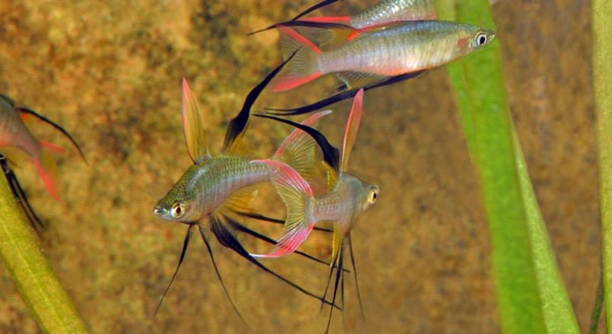
Threadfins are graceful fish that often move just above the gravel in rivers and streams. Their hovering behavior can be seen by anyone spending time near calm, shallow waters, making them quietly noticeable yet fascinating.
Threadfins hover just above the gravel primarily to feed efficiently while remaining safe from predators. This position allows them to capture small invertebrates stirred from the substrate while maintaining a clear line of sight for potential threats.
Observing their gentle movements reveals more than just feeding habits, showing how these fish adapt to their environment with subtle precision and balance.
How Threadfins Use Their Fins
Threadfins have long, delicate pectoral fins that help them hover just above the gravel. These fins act like tiny stabilizers, keeping the fish steady in the current while allowing small movements to catch food. By slightly adjusting their fins, threadfins can hover in one place without expending much energy. This ability is particularly helpful in shallow areas where water flow can be uneven or unpredictable. Their fins also help them quickly dart away if a predator approaches. Observing them, I noticed they rarely rest directly on the gravel. Instead, they maintain a small distance, just enough to scan for food particles. This hovering creates minimal disturbance, so the sediment barely shifts, letting the fish sneak closer to prey. Over time, this fin technique has become essential for their feeding efficiency. Without it, they would have to work much harder, risking exposure and energy loss, especially in areas with fast-moving water or higher predator presence.
Hovering allows threadfins to conserve energy while staying alert. Their fins give them precise control over their position.
Threadfins’ fin movements are subtle yet continuous. Even small adjustments affect how they interact with their environment. By hovering, they reduce stress and make feeding more effective. I often watch them for minutes, noticing how each fin flick is deliberate. Their behavior demonstrates balance between caution and efficiency. This combination of subtle motion and careful observation ensures they thrive in various habitats, even when food is scarce or water conditions shift.
Feeding Strategies Above Gravel
Threadfins feed mainly on small invertebrates stirred from the substrate. Hovering gives them access to these tiny organisms without disturbing the environment too much.
By staying slightly above the gravel, threadfins can spot prey more easily. They often hover close enough to detect movement but far enough to avoid sudden shifts in sediment. This feeding strategy minimizes energy use while maximizing intake. They sweep their fins gently or make slight body adjustments to guide food particles toward their mouths. Over time, these actions become almost automatic, showing how evolution shaped their behavior for efficiency. Watching them, I noticed a rhythm in their movements, a balance between patience and quick reaction. Threadfins rarely rush; instead, they adjust based on current flow, light conditions, and prey availability. In deeper or faster-moving waters, hovering becomes even more critical, allowing them to exploit areas that other fish might avoid. Their careful positioning above the gravel is not random—it is a finely tuned method of surviving and thriving in diverse aquatic habitats. This combination of patience, precision, and adaptation ensures that threadfins remain successful feeders throughout their lives.
Interaction With Other Fish
Threadfins keep a careful distance from larger fish while hovering. Their position above the gravel helps them observe movements without being noticed. They rarely engage aggressively and rely on subtle cues to maintain safety.
I have noticed that when other fish approach, threadfins often shift slightly higher or move sideways. This adjustment allows them to continue feeding while monitoring potential threats. Their behavior is rarely erratic; instead, it’s a quiet negotiation of space and opportunity. By maintaining this careful balance, they reduce conflicts and protect themselves from sudden attacks. Threadfins seem aware of both competitors and predators, making small positional changes that keep them safe. Their hovering is a silent communication with their environment, blending observation, reaction, and patience. Over time, these habits create a stable feeding routine, even in areas with multiple fish species nearby.
Hovering also minimizes contact with the substrate, reducing accidental encounters with aggressive species. Their awareness and positioning improve survival chances.
Environmental Adaptation
Threadfins adjust their hovering based on water clarity and current speed. Their movement is precise and responsive to subtle changes.
In murky or fast-flowing waters, threadfins raise themselves slightly higher above the gravel. This positioning allows better visibility of food and predators, while maintaining stability. I’ve observed them subtly shifting body angle and fin spread, a method that keeps them balanced while minimizing energy use. These adjustments are small but constant, showing their sensitivity to even minor environmental changes. In calm waters, they hover closer to the gravel, conserving energy while scanning for invertebrates. Threadfins’ ability to adapt their hovering height demonstrates a clear survival strategy, blending feeding efficiency with predator awareness. Their behavior reflects an instinctive understanding of environmental cues, a natural skill that ensures they remain active and healthy across different habitats.
Substrate type also influences hovering. Sandy or rocky bottoms lead to different hovering heights, showing their flexible adaptation to the surroundings.
Seasonal Behavior
Threadfins hover slightly higher during warmer months. Water temperature affects their metabolism, prompting more frequent feeding and subtle adjustments in position.
In colder months, they tend to stay closer to the gravel. Reduced activity conserves energy, and hovering is minimal, but precise. Their movements reflect a natural response to seasonal changes, balancing survival with feeding needs.
Predation Awareness
Threadfins rely on hovering to detect predators early. Their elevated position allows a wide view of the surrounding environment, helping them respond quickly. By keeping a small distance from the gravel, they reduce the risk of being surprised.
Reproduction and Hovering
During spawning periods, threadfins hover together in shallow areas. This behavior allows them to stay near gravel while protecting eggs and fry from strong currents and predators. Their synchronized movements provide safety and efficiency during these critical times.
Energy Conservation
Hovering above the gravel reduces unnecessary swimming. By staying in one position, threadfins maintain energy levels while continuing to feed efficiently.
FAQ
Why do threadfins hover instead of resting on the gravel?
Threadfins hover to maintain a clear view of their surroundings. Resting directly on the gravel could hide them from food sources or make them more vulnerable to predators. I’ve noticed that even slight elevation helps them react faster while feeding, keeping them safe and efficient. Hovering also reduces disturbance to the substrate, letting them catch small invertebrates more easily.
Do all threadfins hover the same way?
Not exactly. Their hovering style can vary depending on the environment. In fast-moving rivers, they hold position with more fin adjustments, while in calm waters, movements are minimal. I often see younger threadfins flutter slightly more, learning to balance, while adults stay steadier. Even light currents can change how much they adjust their fins.
How close do threadfins stay to the gravel?
They usually hover just a few centimeters above the gravel. This small distance is enough to see potential prey and threats without touching the substrate constantly. I’ve watched them lower slightly when food is abundant and rise a bit when predators approach, showing a natural balance between feeding and safety.
Do threadfins hover alone or in groups?
Both situations occur. Sometimes they hover alone, carefully inspecting the gravel for food. Other times, small groups form, especially during spawning or in areas with abundant prey. I noticed that in groups, individuals maintain personal space, avoiding collisions while sharing the same area. Their coordinated hovering is subtle and almost instinctive.
Does water temperature affect hovering?
Yes. Warmer water increases their metabolism, making them more active and hover slightly higher to catch more food. Colder water slows movements, and they hover closer to the gravel to conserve energy. Observing them through seasons, I could see clear patterns in how their position changes with temperature shifts.
Are threadfins affected by gravel type?
The type of gravel definitely matters. Sandy or smooth substrates allow closer hovering without injury, while jagged or uneven gravel may cause them to rise slightly higher. I’ve observed them adjusting their hovering height based on the bottom texture, showing an instinctive ability to adapt to the environment.
Do predators influence how threadfins hover?
Absolutely. Hovering gives them an early warning system. If a predator approaches, they shift higher or move sideways quickly. I’ve watched threadfins subtly adjust their distance from the gravel when larger fish or birds are nearby. This constant awareness is key to their survival and feeding efficiency.
How long can threadfins hover without moving?
They can stay relatively still for several minutes, especially when food is plentiful. However, tiny fin adjustments are almost constant, allowing balance and readiness. I often notice them pausing just above the gravel, scanning the environment while barely moving, which conserves energy and maintains vigilance.
Does hovering help during reproduction?
Yes. During spawning, hovering keeps them near the gravel where eggs are laid. It allows them to protect the area while avoiding strong currents. I’ve seen threadfins hover in shallow patches, maintaining gentle movements to shelter eggs and fry without disturbing the substrate, ensuring better survival rates.
Can hovering be affected by water clarity?
Definitely. In murky waters, threadfins hover slightly higher to get a better view of food and predators. Clear water allows them to stay closer to the gravel. I often notice how subtle changes in water conditions alter their hovering behavior, demonstrating their adaptability and awareness of the environment.
Do threadfins use hovering to communicate?
Indirectly, yes. While they don’t communicate vocally, their positioning relative to others can signal caution or readiness. I’ve observed small shifts when another threadfin moves nearby, creating subtle spacing cues that prevent collisions and help maintain group coordination. Their hovering becomes a silent language of space and awareness.
Is hovering energy-efficient?
Hovering is surprisingly efficient. Maintaining position with fin adjustments uses less energy than constant swimming. I’ve noticed threadfins pause in one spot above the gravel, making small corrections, which conserves energy while allowing them to feed continuously. This efficiency is key to their survival in varied environments.
Can threadfins hover in aquariums the same way?
Yes, though behavior can differ slightly. In aquariums with stable conditions, they hover closer to the substrate because there’s less threat. I’ve seen them adjust fin movements depending on water flow and gravel type, showing that even in controlled environments, their natural hovering instincts remain strong.
Do juvenile threadfins hover differently than adults?
Juveniles tend to be less steady, fluttering more as they learn balance. Adults hover smoothly and maintain precise positions. I’ve noticed that juveniles practice hovering repeatedly, gradually reducing unnecessary movements, which suggests a learning process that leads to the adult style of efficient, energy-conscious hovering.
How does current strength affect hovering?
Stronger currents require more fin adjustments and slightly higher hovering to remain stable. In calmer areas, threadfins hover lower and expend less energy. Watching them in different river sections, I saw how subtle shifts in water speed directly influenced their hovering height and fin movements, highlighting their adaptability.
Does hovering help them avoid parasites or debris?
Yes. Staying above the gravel reduces contact with potential parasites and sediment particles that could cling to their bodies. I noticed that threadfins rarely rest directly on the bottom unless necessary, suggesting that hovering serves as a preventive measure for cleaner, safer feeding and movement.
Are there other fish that hover like threadfins?
Some other species use similar strategies, but threadfins are particularly precise in their hovering above gravel. I’ve observed minnows and smaller fish doing short pauses, but threadfins maintain longer, stable hovering, demonstrating a refined adaptation to their environment and feeding habits.
How often do threadfins adjust their hovering?
Adjustments are almost constant but subtle. Even when appearing still, small fin flicks maintain position and balance. I often watch them make tiny corrections every few seconds, reflecting a continuous awareness of their surroundings and showing that hovering is an active, not passive, behavior.
Does light level affect hovering?
Light plays a role. In brighter conditions, threadfins hover higher to avoid shadows that could signal predators. In dim light, they hover closer to the gravel, feeling safer and conserving energy. Observing this, I could see how environmental cues subtly shape their behavior, keeping them balanced and alert.
Can threadfins hover for feeding and safety at the same time?
Yes. Their hovering serves a dual purpose: allowing effective feeding while maintaining predator awareness. I often notice them pausing just above gravel, scanning for prey while simultaneously staying alert to movement in the water. This balance between nourishment and safety is central to their behavior.
Do threadfins hover differently at night?
At night, they tend to hover closer to the gravel. Reduced visibility encourages them to minimize exposure and conserve energy. I’ve watched them become quieter and more cautious, relying on subtle water movements and senses other than sight to maintain position and detect food or threats.
Are there environmental threats that force threadfins to change hovering?
Yes. Pollution, sediment buildup, and strong human activity can alter how they hover. I noticed that in disturbed areas, they rise higher or move more frequently, showing sensitivity to environmental stressors. Their ability to adapt quickly is essential for maintaining feeding efficiency and safety.
How long do threadfins typically hover during a feeding session?
Feeding sessions can last from several minutes to over an hour, with frequent small adjustments. I often watch them maintain steady positions, making subtle fin corrections while scanning for prey, demonstrating endurance, precision, and efficiency in hovering behavior that supports consistent feeding.
Does water depth influence hovering height?
Shallow areas allow lower hovering, while deeper waters require a slightly higher position for visibility and control. I’ve observed threadfins modify height according to depth, showing they adjust constantly to environmental conditions, ensuring both feeding success and safety from predators.
Can hovering behavior indicate health?
Yes. A weak or sick threadfin may hover less steadily or stay too close to the gravel. I’ve noticed that strong, healthy individuals hover smoothly and respond quickly to changes in the environment, suggesting that hovering efficiency is a clear indicator of physical condition and vitality.
Do threadfins use hovering to inspect territory?
Hovering allows careful observation of a section of gravel or water. They can assess food availability, predator presence, and competitors without moving too much. I’ve watched threadfins shift slightly from one spot to another while hovering, methodically checking their surroundings, which helps maintain awareness and safety.
How precise is threadfin hovering?
It is extremely precise. Tiny fin movements maintain stability, and small height adjustments respond to environmental changes. Observing them, I noticed that even the smallest current or shadow prompts immediate correction, reflecting an instinctive, highly controlled behavior essential for feeding, predator avoidance, and energy conservation.
Do threadfins hover in strong currents differently than calm water?
Yes. Strong currents require larger fin adjustments and slightly higher hovering to maintain position, while calm waters allow minimal movement and lower hovering. I often compare different spots in a river and see clear differences in hovering style, demonstrating how flexible and responsive they are to environmental conditions.
Are there risks if threadfins hover too low?
Hovering too close to gravel increases the risk of contact with debris, predators, or parasites. I’ve noticed that when food is scarce or predators approach, they rise slightly, showing that maintaining an optimal distance is crucial for safety, feeding efficiency, and overall well-being.
Can hovering be learned or is it instinctive?
It’s a mix. Juveniles practice hovering repeatedly, gradually refining movements, while adults maintain precise positions instinctively. Watching them, it’s clear that early experiences shape skill, but the behavior also relies on natural instincts, ensuring survival across different environments and conditions.
Do environmental changes force threadfins to hover differently long-term?
Yes. Changes like sediment shifts, water flow alterations, or temperature shifts cause gradual adaptations. I’ve observed threadfins adjusting their hovering style seasonally and after disturbances, showing a long-term flexibility that balances energy use, feeding efficiency, and predator avoidance, ensuring survival in changing conditions.
Can humans observe threadfin hovering without disturbing them?
Yes, but patience is key. Approaching slowly and avoiding sudden movements allows observation of natural behavior. I often sit quietly near shallow waters, watching them hover steadily. They resume normal movements quickly once they feel safe, letting me witness precise, efficient hovering without interference.
Threadfins are small fish, but their hovering behavior is surprisingly complex. Observing them, I realized how much thought seems to go into every movement, even if it is instinctive. They hover just above the gravel to balance feeding and safety. The tiny adjustments of their fins allow them to stay in one place without much effort. This hovering lets them see food while avoiding predators, which is critical in rivers and streams where conditions change quickly. Even small changes in current, water clarity, or substrate affect how they position themselves. Watching threadfins carefully shows a quiet, patient method of survival that is both efficient and graceful. Their hovering is not random—it is purposeful and constantly adapted to their environment.
The way threadfins interact with their surroundings shows how finely tuned their behavior is. When they hover, they consider predators, water movement, and food availability all at once. In groups, they maintain careful spacing, avoiding collisions while feeding efficiently. Juveniles practice hovering with small movements, gradually learning to control their position like adults do. Seasonal changes also influence their behavior. Warmer water prompts slightly higher hovering and more active feeding, while colder water encourages them to stay closer to the gravel to conserve energy. The type of substrate matters too—smooth sand or small gravel allows them to hover closer, while jagged surfaces push them slightly higher. Every detail of their environment affects the way they hover, and the fish respond in ways that are subtle yet deliberate. This balance between instinct and adaptation is part of what makes threadfins so interesting to watch.
Hovering above the gravel is more than just a feeding strategy. It is a survival mechanism that combines energy conservation, predator awareness, and environmental adaptability. Threadfins make tiny, continuous adjustments to remain stable and alert, showing how evolution has shaped their behavior. Even in aquariums, I noticed that they hover differently depending on water flow and substrate type, proving that their instincts are strong regardless of environment. By staying slightly above the gravel, they protect themselves from debris and parasites while maintaining access to food. Over time, their hovering becomes a rhythm of small corrections, observation, and reaction that allows them to thrive. Watching these fish teaches a lot about subtle survival strategies in aquatic life. Every flick of a fin or tiny rise above the gravel has a purpose, and each action contributes to their ability to live efficiently, safely, and successfully in their habitats. The quiet precision of threadfins hovering shows the careful balance of nature at work, blending instinct, learning, and environmental awareness.

Hello,
If you enjoy the content that we create, please consider saying a "Thank You!" by leaving a tip.
Every little bit helps us continue crafting quality advice that supports the health, happiness, and well-being of pets around the world, for pets of all shapes, sizes, and species.
We really appreciate the kindness and support that you show us!