
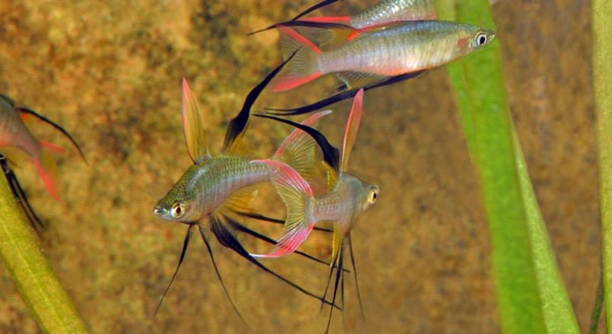
Threadfins are known for their energetic behavior during spawning, which can sometimes lead to stress or aggression in the tank. Keeping them calm is essential for both their health and the overall harmony of your aquarium environment.
Maintaining peaceful threadfins during spawning requires careful control of tank conditions, including water quality, temperature, hiding spaces, and proper feeding. These measures reduce stress, minimize aggressive encounters, and support successful reproduction in a stable environment.
Understanding how these adjustments influence threadfin behavior will help you create a calmer and healthier space for them to spawn successfully.
Adjust Tank Temperature Gradually
Threadfins are sensitive to sudden temperature changes, which can trigger stress or aggressive behavior. Gradually adjusting the tank temperature by small increments helps them acclimate without shocking their system. A stable environment allows them to focus on spawning rather than reacting to stressors. You can monitor the water temperature daily and make minor changes, ensuring it stays within the ideal range. Avoid sudden drops or rises, especially during the breeding season, as these can disrupt their natural rhythms. Using a reliable heater and thermometer makes it easier to maintain consistency. Additionally, stable temperatures promote healthy metabolism and feeding behavior, which directly influences reproductive success.
A gradual temperature shift reduces aggressive encounters and creates a calmer environment during spawning periods.
Temperature control is an essential part of creating a peaceful tank. Threadfins are particularly sensitive to extremes, so small, steady adjustments prevent unnecessary stress. When fish are comfortable, they are less likely to fight, chase, or injure each other. Maintaining consistent warmth also supports immune health, making the fish less prone to illness. Proper monitoring and gentle adjustments ensure that the tank remains a safe place for spawning, supporting both the parents and their developing eggs. Small changes done carefully can have a big impact on overall behavior and breeding success.
Provide Plenty of Hiding Spaces
Threadfins feel more secure when they have areas to hide. Rocks, plants, and decorative structures offer refuge and reduce aggression.
Hiding spaces allow threadfins to avoid confrontations and reduce stress, promoting healthier interactions.
When planning tank decor, think about both the size and placement of hiding spots. Tall plants or dense rock formations create vertical and horizontal cover, letting fish retreat if needed. Grouping multiple hiding areas around the tank ensures no one fish dominates the space. Open swimming areas combined with concealed zones strike a balance that supports natural behavior. Threadfins that feel safe are more likely to engage in peaceful spawning and exhibit less chasing or fin-nipping. Hiding spots also provide resting zones for less dominant fish, helping maintain social harmony. Observing your fish regularly allows you to adjust decor as needed, ensuring each individual has access to a comfortable refuge. Over time, these spaces reduce stress-related health issues and improve reproductive outcomes, making them a crucial part of tank management during spawning seasons.
Maintain Proper Water Quality
Clean water reduces stress and aggressive behavior among threadfins. Regular water changes and proper filtration keep ammonia and nitrate levels low, ensuring a healthier environment.
Monitoring water parameters like pH, ammonia, nitrite, and nitrate is crucial. Threadfins are sensitive to fluctuations, which can trigger stress and aggression, especially during spawning. Weekly water changes of around 20–30% help maintain balance. Using a reliable filter with biological and mechanical media removes debris and supports beneficial bacteria. Avoid overfeeding, as leftover food can decompose and pollute the tank, creating unstable conditions. A stable, clean environment encourages calmer behavior and supports successful reproduction. Observing fish behavior after water changes helps identify if adjustments are needed.
In addition to cleaning, aeration plays a role in water quality. Proper oxygen levels prevent lethargy and reduce stress-induced conflicts. Installing an air stone or adjusting filter output can improve circulation. Maintaining consistent temperature, combined with clean water, creates an ideal spawning environment. By keeping water conditions stable and optimal, threadfins are more likely to remain peaceful, feed properly, and reproduce successfully. Attention to these details can make a noticeable difference in tank harmony and overall fish health.
Provide a Balanced Diet
A well-rounded diet keeps threadfins healthy and less prone to aggression. Nutrient-rich foods support energy needs during spawning.
Feeding threadfins a varied diet helps prevent stress-related behavior. Incorporate high-quality pellets, frozen or live foods like brine shrimp, and occasional vegetable matter. Overfeeding can pollute the tank, while underfeeding can trigger competition and aggression. Spread meals throughout the day in small portions to reduce conflicts and ensure all fish get enough. Feeding routine consistency also reduces stress.
Balanced nutrition strengthens immune systems and supports reproductive health. Threadfins require protein for energy, fats for metabolism, and vitamins for overall vitality. Regular observation during feeding helps identify if some fish are being outcompeted. Supplementing with occasional live food encourages natural hunting behavior while keeping them active and stimulated. Over time, a consistent, varied diet reduces aggressive encounters and promotes a peaceful tank atmosphere. Combined with stable water conditions and hiding spaces, proper nutrition is a key factor in maintaining harmony during spawning periods.
Control Lighting
Consistent lighting helps threadfins maintain natural behavior patterns. Sudden changes can increase stress and provoke aggression.
Using a timer for the aquarium ensures a regular day-night cycle. Gradual dimming or brightening reduces shock and keeps fish calm, especially during spawning periods.
Avoid Overcrowding
Too many fish in a tank increases competition for space and resources. Overcrowding can lead to frequent chasing and fin damage, disrupting spawning activity. Providing adequate space per fish is essential for maintaining a peaceful environment and supporting healthy reproduction.
Separate Aggressive Individuals
Identifying and isolating aggressive threadfins prevents injuries. Removing dominant fish temporarily gives weaker individuals a chance to feed and spawn peacefully.
FAQ
How often should I change the water during spawning?
Water changes should be done weekly, replacing about 20–30% of the tank volume. This keeps ammonia and nitrate levels low, which reduces stress and aggressive behavior. Smaller, consistent changes are better than large, infrequent ones, as sudden shifts can disturb the fish. Monitoring water parameters ensures a stable and healthy environment throughout the spawning period.
What types of hiding spaces work best for threadfins?
Threadfins respond well to dense plants, rock formations, and caves. Tall plants give vertical cover, while rocks and decorative structures provide horizontal retreats. Placing hiding spots in multiple areas prevents dominance by one fish and allows weaker individuals to escape, reducing conflict and promoting peaceful spawning.
Can temperature fluctuations affect spawning behavior?
Yes, threadfins are sensitive to rapid temperature changes. Sudden drops or increases can trigger stress and aggression. Gradually adjusting the temperature in small increments ensures a stable environment, supporting calmer behavior and better reproductive success. Consistent warmth also helps maintain metabolism and feeding patterns.
How do I know if my threadfins are stressed?
Signs of stress include frequent hiding, chasing, fin nipping, loss of appetite, or unusual swimming patterns. Observing these behaviors allows early intervention by adjusting water quality, providing more hiding spaces, or separating aggressive individuals to prevent injuries and maintain peaceful interactions during spawning.
Is it necessary to separate aggressive fish during spawning?
Yes, removing aggressive individuals temporarily prevents injuries and reduces competition for resources. Isolated fish can calm down while weaker fish have the chance to feed and spawn safely. After a period, you can reintroduce them gradually to maintain tank harmony.
What should I feed threadfins to reduce aggression?
A balanced diet with high-quality pellets, frozen or live foods like brine shrimp, and occasional vegetable matter works best. Feed in small portions multiple times a day to prevent competition. A consistent feeding schedule reduces stress and helps maintain peaceful interactions.
How important is lighting for peaceful spawning?
Consistent lighting is essential. Sudden changes in brightness can stress threadfins and trigger aggression. Using a timer and gradual dimming mimics natural day-night cycles, supporting calm behavior and regular spawning activity. Proper lighting also affects feeding patterns and overall activity levels.
Can overcrowding affect reproduction?
Yes, overcrowding increases competition for space and food, often resulting in aggressive behavior. Ensuring adequate space per fish helps reduce chasing and fin damage. A well-sized tank with hiding spots allows threadfins to spawn without stress, improving reproductive success.
Do live plants help during spawning?
Live plants provide cover, reduce stress, and improve water quality by absorbing nitrates. They also create natural boundaries that minimize conflict. Threadfins feel safer with plants in the tank, which encourages peaceful behavior and increases the likelihood of successful spawning.
What are simple daily practices to keep threadfins calm?
Monitor water parameters, feed consistently, observe for aggressive behavior, and maintain proper lighting. Regularly check for signs of stress and ensure hiding spots remain accessible. Small daily adjustments go a long way in keeping the tank peaceful and supporting a successful spawning environment.
How can I encourage more natural spawning behavior?
Maintain stable water conditions, proper temperature, and a balanced diet. Provide hiding spaces and reduce stressors like overcrowding or sudden environmental changes. A calm, predictable environment allows threadfins to focus on natural reproductive behavior, increasing the chances of successful spawning.
What if aggression continues despite these measures?
If aggression persists, consider rearranging the tank layout, adding more hiding spaces, or separating the most dominant individuals. Sometimes reducing the number of fish in the tank temporarily can restore peace. Observing fish behavior regularly helps identify which adjustments are most effective.
This FAQ provides clear, actionable steps to maintain peaceful threadfins during spawning, covering diet, tank setup, water quality, and behavior management. Implementing these practices can significantly reduce stress and aggression, improving both health and reproductive success.
Threadfins can be lively and sometimes aggressive during spawning, but with careful attention, it is possible to create a calm and supportive environment. Paying attention to water quality, temperature, and tank setup is essential. Regular monitoring of water parameters, such as ammonia, nitrite, nitrate, and pH, helps ensure the fish are living in healthy conditions. Clean water reduces stress and keeps threadfins less prone to chasing or fin-nipping. Temperature stability is equally important because sudden changes can trigger aggression. Gradual adjustments allow the fish to adapt naturally, helping them stay calm and focused on spawning rather than reacting to environmental stress. By keeping these factors consistent, threadfins are more likely to behave peacefully and reproduce successfully.
Providing sufficient hiding spaces is another key factor in maintaining a peaceful tank. Dense plants, rock formations, and decorative structures give threadfins a place to retreat when they feel threatened. Multiple hiding spots spread throughout the tank reduce competition and allow weaker individuals to avoid confrontations. These areas not only protect the fish physically but also support their mental well-being by lowering stress levels. Balanced nutrition also contributes to calmer behavior. Feeding small, frequent meals that include high-quality pellets, live or frozen foods, and occasional vegetable matter ensures that each fish receives the nutrients it needs. When threadfins are well-fed and have a place to feel secure, they are less likely to display aggressive behaviors during spawning.
Daily observation and minor adjustments can make a significant difference in maintaining harmony. Watching fish behavior helps identify signs of stress or dominance early, allowing for timely intervention. If aggressive behavior persists, rearranging tank decorations, adding more hiding spaces, or temporarily separating dominant individuals can restore balance. Consistent lighting schedules and proper tank size further support calm and natural spawning behavior. By combining these measures—stable water conditions, hiding spaces, balanced diet, and attentive observation—you create an environment where threadfins can reproduce successfully while remaining peaceful. With patience and attention to detail, it is possible to maintain a healthy, balanced aquarium where both the fish and their offspring thrive, making the spawning period less stressful and more predictable for everyone involved.

Hello,
If you enjoy the content that we create, please consider saying a "Thank You!" by leaving a tip.
Every little bit helps us continue crafting quality advice that supports the health, happiness, and well-being of pets around the world, for pets of all shapes, sizes, and species.
We really appreciate the kindness and support that you show us!