
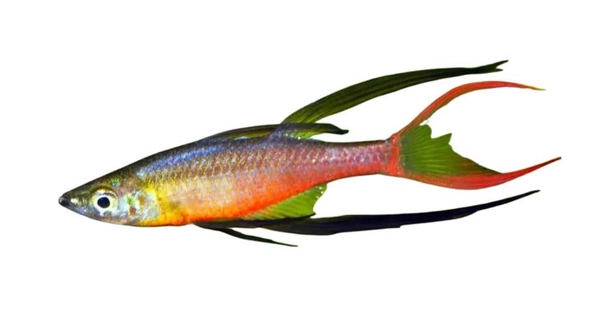
Have you noticed your Threadfin Rainbowfish moving slower than usual in the tank? These small, colorful fish are usually lively, and any drop in activity can signal changes in their environment or health.
Lethargy in Threadfin Rainbowfish is commonly caused by water quality issues, improper diet, stress, disease, inadequate tank size, temperature fluctuations, or poor oxygen levels. Each factor can significantly affect the fish’s energy, behavior, and overall well-being.
Identifying the exact cause of lethargy can help restore your fish’s health and keep your tank balanced and vibrant for the long term.
Poor Water Quality
Threadfin Rainbowfish are highly sensitive to their environment, and poor water quality is one of the leading causes of lethargy. Dirty water can accumulate toxins such as ammonia, nitrites, and nitrates, which directly impact fish health. Even small changes in pH or hardness can stress them, making them less active. Regular water changes, careful monitoring of chemical levels, and proper filtration are essential to maintain a stable and healthy environment. Fish often show early signs of distress through slower movement, hiding, or reduced appetite. Overcrowding in the tank can also exacerbate these issues, as waste production increases and oxygen levels drop. By paying attention to water clarity, cleanliness, and consistent parameters, you can prevent lethargy and promote energetic behavior. Small adjustments in care routines, like vacuuming substrate and rinsing filters, can make a big difference in the vitality of your fish and the overall balance of your tank ecosystem.
Regular water tests help catch problems before they affect your fish.
Keeping the tank clean, stable, and well-oxygenated ensures that your Threadfin Rainbowfish remain active. A consistent maintenance routine supports not just their movement but also feeding behavior, coloration, and immunity. Balancing chemical levels while avoiding sudden changes keeps stress low. Oxygenation through aeration or proper water flow prevents fatigue, while monitoring temperature ensures the fish are comfortable. Even minor fluctuations can slow metabolism, making them appear sluggish. Observing daily behavior provides early warnings, allowing you to respond quickly. By addressing water quality diligently, lethargy can often be prevented without the need for medication or drastic interventions. A well-maintained tank encourages healthy social interactions, breeding activity, and a vibrant display of color that makes caring for these fish more rewarding.
Improper Diet
An unbalanced diet can leave Threadfin Rainbowfish low on energy and less responsive in the tank.
Feeding the right mix of protein, vegetables, and occasional live food is essential for their vitality.
Providing high-quality flakes, pellets, and live or frozen options ensures they receive necessary nutrients. Overfeeding can also cause sluggishness and digestive issues. Gradually introducing variety keeps them engaged and encourages natural foraging behavior. Nutritional deficiencies affect muscle tone, immune response, and overall energy, so observing how they eat helps determine if adjustments are needed. Feeding small amounts multiple times a day often works better than one large meal. Including foods rich in vitamins and minerals strengthens coloration and enhances activity. By being mindful of diet quality and quantity, lethargy caused by poor nutrition can often be reversed, leading to more dynamic and healthy fish.
Stressful Environment
Stress in Threadfin Rainbowfish can come from loud noises, sudden movements, or aggressive tank mates. A crowded tank or constant disturbances can make them hide more and swim less.
Minimizing stress involves keeping the tank calm and predictable. Avoid tapping the glass, placing the tank near heavy foot traffic, or adding incompatible species. Decorations like plants and hiding spots provide security. Even small changes, such as rearranging decorations, can temporarily unsettle fish, so make adjustments slowly. Observing behavior helps identify stress triggers, and consistent routines for feeding and maintenance reduce anxiety. Stress weakens immunity, making lethargy more pronounced and increasing susceptibility to illness.
Water conditions and tank setup can also amplify stress. Maintaining proper temperature, pH, and oxygen levels alongside a stable environment encourages confident swimming and natural activity. Over time, a well-structured tank allows fish to establish territories, interact normally, and display full coloration. Removing stressful factors improves energy levels and keeps them healthy, while a calm environment prevents chronic lethargy.
Disease and Parasites
Infections and parasites can cause noticeable lethargy in Threadfin Rainbowfish. Signs include sluggish swimming, loss of appetite, or visible spots or lesions. Early detection is crucial for treatment.
Quarantining affected fish prevents the spread of disease. Using appropriate medications and maintaining pristine water helps recovery. Monitor closely and adjust care based on symptoms.
Bacterial infections, fungal growths, and external parasites like ich or flukes all reduce energy levels. Healthy fish can often resist minor issues, but once stress or poor water quality combines with pathogens, lethargy appears rapidly. Treatments may involve medicated food, water treatments, or salt baths depending on the condition. Affected fish need gentle handling and stable environmental conditions to recover fully. Regular observation of movement patterns, appetite, and coloration ensures issues are caught early. Maintaining tank hygiene, proper diet, and minimal stress strengthens immunity, helping prevent recurring infections. Prompt intervention can restore vitality and prevent long-term health problems.
Inadequate Tank Size
Threadfin Rainbowfish need enough space to swim freely. A small or overcrowded tank limits movement, causing them to become inactive and stressed.
Providing a tank that meets their size requirements and stocking levels helps maintain energy. Proper space reduces aggression and encourages natural behavior.
Temperature Fluctuations
Sudden or frequent changes in water temperature can slow metabolism in Threadfin Rainbowfish. Consistent temperature control keeps them active and healthy.
Keeping a stable range with a reliable heater and thermometer prevents stress. Even small drops or spikes can cause lethargy and reduce feeding activity.
Low Oxygen Levels
Oxygen-poor water directly affects energy. Fish may stay near the surface or gasp for air. Maintaining proper aeration ensures vitality and normal activity.
What are the main signs of lethargy in Threadfin Rainbowfish?
Lethargy in these fish usually shows up as reduced swimming, hiding for long periods, and a lack of interest in food. They may drift aimlessly or stay near the bottom of the tank. Coloration can also fade slightly, and their responses to movement around the tank become slower.
Can water quality alone cause lethargy?
Yes, poor water quality is one of the most common reasons for slow or inactive fish. Ammonia, nitrites, or nitrates in the water can poison them slowly. Even minor changes in pH or hardness can stress fish, making them less energetic. Regular testing and partial water changes are essential.
How can diet affect energy levels?
A diet lacking essential nutrients can leave Threadfin Rainbowfish weak. Overfeeding can also slow them down by causing digestive issues. Providing a balanced diet with high-quality flakes, pellets, and occasional live or frozen foods ensures they get protein, vitamins, and minerals needed for normal activity and growth.
Does tank size really matter?
Absolutely. Small or overcrowded tanks limit movement and increase stress. Fish need space to swim naturally and maintain social hierarchies. A cramped tank can lead to constant aggression, hiding, and overall reduced activity. Following proper stocking guidelines and offering enough room prevents lethargy.
Can stress from tank mates cause lethargy?
Yes, aggressive or incompatible tank mates can intimidate Threadfin Rainbowfish. Stress from bullying or overcrowding reduces energy and can weaken the immune system. Providing hiding spots, peaceful companions, and monitoring interactions helps reduce stress-induced inactivity.
How do temperature fluctuations impact activity?
Threadfin Rainbowfish are sensitive to sudden or repeated temperature changes. Even a small drop or rise can slow their metabolism, making them move less and eat less. Maintaining a consistent temperature with a reliable heater or thermometer is crucial for energy and overall health.
Do diseases and parasites always make fish lethargic?
Often, yes. Bacterial infections, fungal growth, or parasites like ich can make fish sluggish. Signs include faded color, clamped fins, abnormal swimming, or visible spots. Early detection and prompt treatment, combined with proper water conditions, help fish recover and regain normal activity.
Can low oxygen levels cause lethargy?
Definitely. Oxygen-poor water can make Threadfin Rainbowfish stay near the surface or gasp for air. Aeration devices, proper filtration, and avoiding overcrowding help maintain oxygen levels. Active swimming and normal feeding indicate sufficient oxygen in the tank.
Is it possible to reverse lethargy quickly?
Recovery depends on the cause. Fixing water quality, adjusting diet, reducing stress, and treating illness usually improve energy within days to weeks. Consistency in care and careful observation help ensure fish return to normal activity safely without sudden shocks to their environment.
How often should I check my fish for lethargy signs?
Daily observation is ideal. Noticing even small changes in swimming, appetite, or behavior can help catch issues early. Quick responses to problems prevent prolonged inactivity and maintain a healthy, active tank environment.
What steps can prevent lethargy in the future?
Regular water changes, consistent feeding with balanced diets, stable temperature, adequate tank space, and compatible tank mates all reduce the risk of lethargy. Monitoring oxygen levels and observing fish behavior ensures early intervention and long-term vitality.
Can lethargy affect breeding or social behavior?
Yes. Inactive or stressed fish often show reduced mating behavior and social interaction. Ensuring optimal living conditions helps maintain normal energy levels, coloration, and activity, which are essential for natural breeding and healthy social dynamics in the tank.
How do I know if lethargy is permanent or temporary?
Temporary lethargy usually improves once the underlying issue is addressed, like adjusting diet, water quality, or temperature. Persistent lethargy despite proper care may indicate chronic disease or old age. Observing changes over time and consulting an aquatic veterinarian if needed ensures proper evaluation.
Can lighting affect fish activity?
Yes, Threadfin Rainbowfish respond to a natural day-night cycle. Too bright or irregular lighting can stress them, while consistent lighting encourages normal swimming and feeding. Using timers and avoiding sudden changes helps maintain energy and reduces lethargy.
Is quarantine necessary for new fish to prevent lethargy?
Quarantining new fish prevents introducing disease, parasites, or stress to the established tank. Healthy, stress-free introductions reduce lethargy risk and maintain overall energy and well-being for both new and existing fish.
How do I balance tank maintenance without stressing my fish?
Performing slow, partial water changes and cleaning equipment gently reduces disturbance. Avoid sudden rearrangements or rapid changes in temperature or water chemistry. Establishing a predictable routine helps Threadfin Rainbowfish stay active and comfortable while keeping the tank healthy.
Can lethargy signal more serious health problems?
Yes, prolonged inactivity can indicate underlying health issues, including organ failure, chronic infections, or systemic stress. Early detection and proper care are essential. Observing behavior, appearance, and appetite regularly ensures timely action to prevent long-term damage or loss.
What role does tank decoration play in activity?
Plants, rocks, and hiding spots give fish security and encourage exploration. Without safe spaces, fish may remain stationary out of fear. A balanced setup supports natural movement, reduces stress, and helps prevent lethargy while making the tank visually appealing.
How long does it take for a fish to return to normal after lethargy?
Recovery varies depending on the cause. Improving water quality, correcting diet, reducing stress, and treating illness typically restores energy within several days to a few weeks. Consistent care and observation are key to ensuring a full return to normal activity.
Are some Threadfin Rainbowfish more prone to lethargy than others?
Individual fish may respond differently to stress, water conditions, and diet. Younger fish, older fish, or those recently introduced to a tank are often more sensitive. Observing each fish’s behavior helps identify those at risk and allows for targeted care to maintain vitality.
Can overcrowding alone cause lethargy?
Yes, too many fish increase competition for food, oxygen, and space. Overcrowding leads to stress, suppressed movement, and reduced feeding. Following proper stocking guidelines and providing enough room per fish prevents these issues and promotes natural activity levels.
Does lethargy affect overall lifespan?
Persistent lethargy, if caused by stress, poor water quality, or illness, can shorten lifespan. Maintaining optimal conditions and promptly addressing energy loss helps Threadfin Rainbowfish live longer, healthier lives with normal behavior, feeding, and breeding patterns.
How do I know when to consult a veterinarian?
If lethargy persists despite optimal care, or if there are signs of disease, unusual spots, or erratic swimming, consulting an aquatic veterinarian is necessary. Professional guidance ensures accurate diagnosis, proper treatment, and safe recovery for your fish.
Threadfin Rainbowfish are delicate and active fish that thrive in stable and well-maintained environments. Lethargy is often a sign that something in their habitat or care routine is not quite right. It can be caused by a range of factors including poor water quality, diet issues, stress, disease, temperature fluctuations, and low oxygen levels. Each of these factors affects their energy, behavior, and overall well-being. Observing fish behavior on a daily basis is a simple but effective way to notice early signs of lethargy. Even small changes in swimming patterns, feeding habits, or social interactions can indicate that adjustments are needed in the tank environment or care routine. Recognizing these signs early allows fish owners to take preventive steps, which can save time, reduce stress for the fish, and maintain a healthy and active tank. Consistent monitoring, combined with proper maintenance practices, forms the foundation of good fish care.
Maintaining a stable and healthy tank involves a few essential practices. Regular water testing and partial water changes help prevent toxin buildup and keep pH, ammonia, nitrite, and nitrate levels within safe ranges. Feeding a balanced diet that includes high-quality flakes, pellets, and occasional live or frozen foods ensures that fish receive the nutrients necessary for energy, growth, and immunity. Stress reduction is equally important, and this can be achieved by providing adequate space, compatible tank mates, and hiding spots to allow fish to feel secure. Temperature stability is another key factor; sudden drops or increases can slow metabolism and reduce activity. Oxygenation should also be maintained through proper filtration, aeration, and avoiding overcrowding. By attending to these elements consistently, lethargy can often be prevented before it becomes a serious concern.
Even when lethargy occurs, it is usually manageable with timely intervention. Correcting environmental issues, adjusting diet, reducing stress, or treating illness can help Threadfin Rainbowfish regain normal energy levels. Recovery may take a few days to several weeks, depending on the cause and severity, but with patient observation and consistent care, fish can return to their active and vibrant selves. Understanding the common causes of lethargy empowers fish owners to make informed decisions and maintain a thriving aquatic habitat. Paying attention to daily behavior, ensuring proper nutrition, and keeping the tank environment stable all contribute to the long-term health and happiness of Threadfin Rainbowfish. Small, consistent actions often have the biggest impact, and providing a supportive environment ensures that these fish remain lively, healthy, and enjoyable to watch.

Hello,
If you enjoy the content that we create, please consider saying a "Thank You!" by leaving a tip.
Every little bit helps us continue crafting quality advice that supports the health, happiness, and well-being of pets around the world, for pets of all shapes, sizes, and species.
We really appreciate the kindness and support that you show us!