
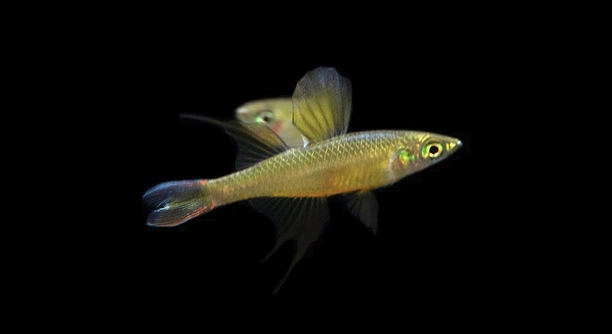
Threadfin Rainbowfish are lively additions to any freshwater aquarium. Their shimmering colors and graceful movements often make them a favorite for hobbyists. Yet, sometimes these fish dart suddenly, startling even experienced fish keepers. Observing this behavior can be puzzling.
Threadfin Rainbowfish may dart unexpectedly due to environmental stimuli, stress, or sudden changes in their surroundings. This behavior can also result from interactions with tank mates, reflections, or perceived threats, and it is a normal, instinctive response rather than a sign of illness.
Understanding these patterns can help maintain a calm aquarium environment and support your fish’s overall well-being and comfort.
Common Triggers for Darting Behavior
Threadfin Rainbowfish are sensitive to their surroundings, and several factors can trigger sudden darting. Sudden movements outside the tank, bright lights, or shadows can startle them. Changes in water temperature or chemistry, such as pH shifts or ammonia spikes, often cause stress, prompting quick bursts of movement. Even new tank decorations or plants may provoke short, rapid swims as the fish assess their environment. Interactions with other fish, particularly more aggressive or dominant species, can lead to sudden dashes across the tank. These bursts are usually short-lived and are a natural response rather than an indication of illness. Observing your rainbowfish over time helps distinguish between normal behavior and signs of stress. Maintaining a stable environment and minimizing abrupt changes can reduce the frequency of darting episodes and ensure that the fish remain comfortable in their aquarium.
Proper tank placement and consistent lighting can significantly lower stress and reduce sudden darting in these fish.
Monitoring your tank’s conditions regularly, including temperature, water quality, and compatibility with tank mates, is essential. Sudden darting can indicate that adjustments are needed, but with careful observation, it is manageable. Ensuring ample hiding spaces and avoiding overcrowding can further support calm behavior.
Environmental Adjustments to Reduce Stress
Keeping the tank quiet and avoiding sudden vibrations can help minimize darting behavior.
Adjusting the tank setup with stable water conditions and well-placed decorations can reduce stress-induced movements. Threadfin Rainbowfish thrive in a calm environment with consistent lighting and gentle filtration. Providing plants and hiding spots allows them to explore safely and feel secure. Temperature stability is critical; sudden drops or increases can provoke rapid swimming. Regular water changes maintain chemical balance, preventing ammonia or nitrate spikes. Limiting disturbances around the tank, like tapping on glass or loud noises, supports their natural behavior patterns. Observing the fish’s reactions to changes helps identify stressors early, allowing for timely intervention. With careful management, darting becomes less frequent, and the rainbowfish exhibit calmer, more natural swimming patterns, creating a peaceful aquarium that highlights their graceful colors and movement while promoting overall health and comfort.
Observing Social Interactions
Threadfin Rainbowfish often dart during interactions with other fish. Dominant or territorial tank mates can provoke sudden movements. Even playful chasing can appear alarming, but it is usually part of their social dynamics. Watching these interactions helps identify which fish trigger stress or excitement.
Some rainbowfish may dart more frequently in the presence of faster or more aggressive species. These bursts allow them to quickly escape perceived threats or establish personal space. Over time, fish often adapt to their tank mates, reducing sudden dashes as social hierarchies stabilize. Providing enough space and visual barriers can ease tension and prevent constant startle responses.
During group swimming, sudden flashes of color and movement can trigger quick dashes. This behavior is sometimes contagious, as one fish’s darting prompts others to follow. Ensuring an appropriately sized group reduces overcrowding stress. Properly spaced hiding spots and decorations allow fish to retreat safely without causing panic. Observing patterns can guide adjustments to tank arrangements or stocking numbers, promoting calmer and more natural interactions among the fish.
Water Quality and Maintenance
Maintaining clean, stable water conditions reduces stress-induced darting.
Threadfin Rainbowfish are highly sensitive to water quality changes. Fluctuations in pH, ammonia, nitrate, or temperature can cause abrupt swimming bursts. Regular testing and consistent water changes prevent harmful spikes. Using gentle filtration minimizes strong currents that might trigger panic movements. Properly cycling the tank before introducing fish ensures a stable environment. Monitoring and addressing signs of poor water conditions, such as lethargy, clamped fins, or increased darting, allows for timely corrections. Maintaining consistent parameters creates a safe, predictable environment, reducing stress and promoting natural behavior.
Temperature stability and balanced chemical levels are essential for rainbowfish comfort. Rapid shifts, even by a few degrees, can lead to sudden bursts of movement. Filtration systems should provide gentle flow, avoiding areas where currents are too strong. Regular partial water changes prevent the buildup of harmful compounds, while careful monitoring of tank parameters ensures early detection of potential stressors. Introducing new fish gradually and acclimating them properly reduces shock. Attention to these details creates a calmer environment, allowing rainbowfish to swim naturally and display their full colors without unnecessary darting.
Feeding Behavior
Threadfin Rainbowfish may dart suddenly around feeding times. Rapid movements help them compete for food or respond to quick changes in the environment. Overfeeding can lead to frantic bursts as fish scramble for scraps.
Darting during feeding is normal and usually not a concern. Spreading food evenly across the tank reduces competition and prevents excessive stress, allowing all fish to feed comfortably.
Tank Layout and Decorations
Tank layout impacts how rainbowfish move. Open spaces encourage free swimming, while densely decorated areas can create hiding spots that trigger sudden dashes when fish feel exposed. Strategic placement of plants and ornaments balances exploration and security, reducing unnecessary darting.
Light and Noise Sensitivity
Sudden changes in lighting or loud noises often startle rainbowfish. These triggers provoke quick, sharp movements as an instinctive reaction to potential threats. Maintaining consistent light cycles and minimizing sudden external disturbances helps the fish remain calm and stable.
Group Dynamics
Rainbowfish are social and often react to one another’s movements. Darting can spread quickly through a group, especially in tight spaces or during feeding. Observing group interactions and providing ample swimming room supports calmer, coordinated activity, reducing stress-induced bursts of speed.
Why does my Threadfin Rainbowfish dart even when there’s nothing around?
Threadfin Rainbowfish have strong instinctive responses. Even if no obvious threat is present, subtle changes in light, reflections, or vibrations in the tank can trigger sudden movements. Their sensitivity helps them react quickly in the wild, and this behavior often carries over into an aquarium setting.
Is sudden darting a sign of illness?
Not usually. Most sudden movements are normal, stress-related, or due to environmental changes. However, if darting is accompanied by clamped fins, loss of appetite, or discoloration, it may indicate illness or poor water conditions. Monitoring overall behavior and tank parameters is key to distinguishing between normal activity and health concerns.
Can tank mates cause excessive darting?
Yes. Fast, aggressive, or dominant tank mates often trigger bursts of movement. Even playful chasing can cause rainbowfish to dart repeatedly. Ensuring compatible species, adequate space, and visual barriers helps minimize stress and reduces sudden movements caused by social interactions.
Does lighting affect their behavior?
Bright or fluctuating light can startle Threadfin Rainbowfish. Sudden changes in light intensity or reflections on the glass may provoke rapid swimming. Maintaining a consistent light cycle and using gentle, evenly distributed illumination reduces stress-induced darting and encourages more natural swimming patterns.
How does tank size influence darting?
Smaller tanks increase stress and lead to more sudden movements because fish feel confined. A larger tank provides space for free swimming, exploration, and retreat. Threadfin Rainbowfish thrive in mid-sized to large aquariums where they can establish territories and avoid unnecessary stress.
Do decorations and plants matter?
Yes. Dense decorations or sharp objects can startle fish if they feel trapped. Strategically placing plants and ornaments creates hiding spots and safe zones, reducing sudden bursts of movement. Open areas allow free swimming while providing secure areas for retreat, balancing safety and activity.
Can water quality trigger darting?
Absolutely. Fluctuations in pH, ammonia, nitrate, or temperature can make rainbowfish anxious, prompting sudden swimming. Regular testing and maintenance, including partial water changes and gentle filtration, create stable conditions that reduce stress-related darting. Stability is more important than perfection; consistent parameters allow fish to feel secure.
Does feeding influence sudden movements?
Feeding often prompts bursts of activity. Fish react quickly to food distribution and compete for resources. Overfeeding or uneven food placement can lead to frantic swimming. Distributing food across the tank and feeding in moderation keeps activity controlled and minimizes stress during mealtime.
How do social hierarchies affect darting?
Rainbowfish establish informal hierarchies. Lower-ranking fish may dart frequently to avoid dominant individuals, while dominant fish may display occasional rapid chases. Observing group dynamics helps determine if sudden movements are social behaviors or signs of stress. Adjusting stocking density and providing space reduces tension.
Are reflections in the tank a problem?
Yes. Reflections can trick rainbowfish into thinking another fish is invading their space, causing sudden dashes. Minimizing reflective surfaces, using background decorations, and controlling lighting angles helps reduce stress and unnecessary darting caused by perceived threats.
Is sudden darting always bad?
No. It is often normal behavior and part of their natural instincts. Quick swimming allows rainbowfish to explore, react to stimuli, and stay alert. Understanding triggers and maintaining a stable environment ensures darting remains a natural, harmless part of their daily activity.
What is the best way to reduce unnecessary darting?
Maintain stable water conditions, provide compatible tank mates, use consistent lighting, arrange decorations thoughtfully, and offer enough space for swimming. Observing behavior regularly allows small adjustments to prevent stress, keeping rainbowfish healthy and calm while still allowing their natural movements.
Can I train or acclimate rainbowfish to reduce darting?
Gradual acclimation to new environments, slow introduction of new fish, and consistent handling of feeding and lighting routines help rainbowfish feel secure. While they retain instinctive darting behaviors, predictable conditions reduce stress-triggered bursts, creating a calmer aquarium over time.
Are there seasonal or time-of-day effects?
Yes. Rainbowfish are generally more active during daylight hours. Changes in room lighting, seasonal sunlight, or fluctuations in household activity can affect their behavior. Maintaining predictable light cycles and observing patterns helps anticipate and manage bursts of movement.
Do they dart more when stressed or bored?
Both. Lack of stimulation or over-stimulation can cause darting. Providing plants, swimming space, and varied environments keeps rainbowfish engaged and reduces stress-induced sudden movements. Observing fish preferences allows adjustments that promote natural activity without unnecessary bursts.
Can diet influence darting behavior?
Diet affects energy levels and overall health. Poor nutrition can increase stress sensitivity, while a balanced diet keeps fish active but calm. Feeding high-quality food in moderation supports steady energy and reduces erratic bursts caused by hunger or deficiency.
What signs indicate that darting is becoming a problem?
Frequent, uncontrolled bursts combined with hiding, fin clamping, or color changes may indicate stress or environmental issues. Consistent observation allows early detection of potential problems, so corrective measures can be applied before health is affected.
How long does it take for rainbowfish to settle after changes?
Adjustment varies depending on the fish and the magnitude of changes. Minor additions like plants may require days, while new tank mates or major water changes can take weeks. Observing behavior over time helps determine when fish feel secure and darting decreases naturally.
Can using a tank lid help reduce darting?
Yes. A secure lid prevents sudden escapes and reduces reflection issues. It also protects the fish from external disturbances like pets or accidental taps on the glass, which often trigger quick, stress-related movements. Proper lids contribute to a calmer, safer environment.
Is sudden darting more common in young fish?
Juvenile rainbowfish tend to dart more frequently as they are still learning social hierarchies and exploring their surroundings. Adults may dart less as they adapt to tank conditions and companions. Providing space and observing interactions helps both juveniles and adults remain calm.
How does temperature stability affect darting?
Rapid temperature changes trigger stress responses. Maintaining a consistent, suitable temperature reduces sudden bursts. Using reliable heaters, monitoring daily, and avoiding cold drafts ensures rainbowfish remain comfortable and exhibit natural swimming behavior without unnecessary panic.
Can sudden darting indicate overcrowding?
Yes. Overcrowded tanks increase competition and stress, causing frequent bursts of movement. Ensuring appropriate stocking levels, adequate space, and multiple hiding spots reduces stress-related darting and allows rainbowfish to swim naturally and comfortably.
Are there differences between individual rainbowfish in darting behavior?
Absolutely. Some fish are naturally more skittish, while others are calmer. Observing each fish helps determine patterns and allows adjustments, such as rearranging tank mates or decorations, to support all individuals and reduce stress-triggered movements.
How long should I observe before making changes to the tank?
Allow at least a few days to a week to notice consistent behavior patterns. Sudden changes may temporarily increase darting, so observing trends rather than single instances ensures interventions are effective and necessary.
Does tank water flow impact darting?
Yes. Strong currents or uneven water flow can startle rainbowfish, prompting sudden bursts. Gentle, evenly distributed filtration reduces stress, allows normal swimming, and minimizes unnecessary darting caused by turbulent areas or strong water movement.
Are there long-term effects of frequent darting?
Persistent stress can affect growth, appetite, and overall health. While occasional darting is normal, excessive bursts over time indicate environmental or social issues. Monitoring and maintaining stable conditions helps prevent chronic stress and supports long-term well-being.
What adjustments can help if darting persists despite proper care?
Reassess tank size, decorations, lighting, and social groups. Gradual changes, increased hiding spots, or reallocation of tank mates may be needed. Observing fish reactions ensures that adjustments are effective and that the environment remains comfortable, minimizing stress-induced darting.
Is sudden darting less common in older fish?
Yes. Mature rainbowfish usually establish social hierarchies and adapt to their environment, leading to calmer behavior. Younger or newly introduced fish are more likely to dart frequently as they explore and adjust to their surroundings.
How important is consistency in daily care?
Consistency is crucial. Regular feeding schedules, stable water conditions, and predictable light cycles create a sense of security. This stability reduces sudden darting, helps rainbowfish feel safe, and promotes natural swimming patterns throughout the day.
Can reflections from nearby objects be minimized?
Yes. Using tank backgrounds, controlling room lighting, and avoiding shiny surfaces around the aquarium reduce misleading reflections. Minimizing visual disturbances prevents sudden bursts of movement caused by perceived intruders or threats outside the tank.
Is darting during tank maintenance normal?
Yes. Fish react to movements, tools, and changes during cleaning or water changes. Performing maintenance calmly and gradually, while minimizing sudden movements, helps reduce stress and the frequency of darting during these necessary activities.
Do rainbowfish calm down over time in a stable tank?
Typically, yes. Once they adapt to tank conditions, stable lighting, compatible tank mates, and consistent feeding, darting becomes less frequent. Patience and careful observation are key to ensuring long-term calm behavior and overall well-being.
Can stress from new introductions cause prolonged darting?
Absolutely. Introducing new fish or decorations can temporarily increase sudden movements. Allowing gradual acclimation, providing hiding spots, and observing interactions help rainbowfish adjust without prolonged stress. Over time, darting frequency usually decreases as comfort levels improve.
Is sudden darting always preventable?
Not entirely. Some bursts are instinctive and natural. However, maintaining stable conditions, reducing stressors, and observing behavior carefully minimizes unnecessary darting, allowing rainbowfish to display their natural, graceful swimming patterns while remaining healthy and comfortable.
Do diet changes affect darting behavior?
Yes. Sudden changes in diet or feeding patterns can increase activity and cause brief bursts of movement. Gradual dietary adjustments and maintaining high-quality, balanced food support calm behavior and steady energy, reducing stress-related darting.
Can overcrowding increase aggression and darting?
Yes. Crowded conditions increase competition for space and food, which can trigger frequent darting and minor conflicts. Ensuring sufficient tank size, proper stocking levels, and ample hiding spots reduces stress and promotes calmer, harmonious group behavior.
Is darting more frequent in certain times of the day?
Yes. Rainbowfish are diurnal and tend to be more active during daylight hours. Sudden stimuli during peak activity periods can trigger bursts of movement. Predictable lighting and minimizing disturbances during these times help reduce unnecessary darting.
How can I track triggers for darting?
Observation logs noting feeding times, tank maintenance, lighting changes, and fish interactions help identify patterns. Recognizing triggers allows for targeted adjustments to the tank environment, minimizing stress and excessive bursts of movement over time.
Are there signs that darting is due to boredom?
Yes. Lack of stimulation or monotony in the tank may cause frequent, seemingly random bursts of movement. Adding plants, decorations, or varying swimming areas engages rainbowfish and reduces stress-induced darting caused by boredom or inactivity.
Do young fish learn from older ones to reduce darting?
Partially. Juveniles observe and adapt to established social hierarchies. Over time, they may mimic calmer swimming patterns. However, instinctive reactions remain, and occasional bursts are normal even for mature fish. Observation and careful tank management help maintain a balanced environment.
Can reflections from aquarium equipment cause stress?
Yes. Filters, heaters, or other shiny equipment can produce misleading reflections. Positioning items thoughtfully and reducing reflective surfaces helps prevent unnecessary darting caused by perceived threats within the tank.
Does the type of substrate affect darting?
Substrate choice has minor influence. Smooth, stable substrates reduce stress and sudden movements compared to uneven or sharp gravel that may startle fish. Comfortable footing encourages natural swimming and reduces bursts caused by environmental discomfort.
Is sudden darting ever dangerous for rainbowfish?
Occasionally. If fish repeatedly collide with tank walls, decorations, or each other, injuries can occur. Most bursts are safe, but monitoring their environment ensures obstacles or sharp objects do not increase risk of harm during sudden movements.
Can water temperature extremes provoke darting?
Yes. Temperatures outside the ideal range cause stress responses. Both sudden cooling and overheating lead to rapid swimming. Using heaters, thermometers, and careful monitoring maintains stable conditions, reducing temperature-induced bursts of movement.
Do rainbowfish ever dart while sleeping?
Not typically. They are mostly inactive during rest periods. Darting at night may indicate disturbances, poor lighting control, or water quality issues. Ensuring a stable day-night cycle supports proper rest and reduces nighttime stress-related movements.
Can vibrations from outside the tank trigger darting?
Yes. Foot traffic, appliances, or tapping on the glass often startle rainbowfish. Minimizing external vibrations and handling the tank carefully helps prevent unnecessary bursts and maintains a calm environment.
Are some rainbowfish more prone to darting than others?
Yes. Individual temperament varies. Skittish or younger fish are more likely to dart frequently. Observing individual behavior allows adjustments to tank layout, group composition, and decorations to reduce stress and unnecessary bursts.
Do sudden changes in tank decorations cause darting?
Yes. Adding or rearranging ornaments may startle fish. Introducing changes gradually or spacing them to provide familiar hiding spots helps rainbowfish adapt without frequent bursts of sudden movement.
Can loud household noises impact darting?
Absolutely. Sounds from televisions, speakers, or construction can startle rainbowfish, prompting sudden swimming. Reducing noise near the aquarium or placing it in a quieter area helps maintain calm behavior.
Does tank water color or clarity affect darting?
Yes. Murky water or sudden changes in clarity can create uncertainty, causing rapid swimming. Regular maintenance and stable water quality help rainbowfish feel secure, reducing stress-induced darting.
Can frequent handling or tapping on the tank glass increase darting?
Yes. Repeated disturbance makes rainbowfish anxious, leading to bursts of speed. Minimizing tapping or handling promotes trust and reduces stress-related sudden movements.
Do they dart more when they are hungry?
Hunger can cause bursts of activity during feeding times. Consistent feeding schedules and distributing food evenly help manage darting and maintain calm behavior while meeting nutritional needs.
How can I tell if darting is normal or stress-related?
Observe patterns and context. Normal bursts occur sporadically and are brief, often during feeding, interactions, or reflections. Stress-related darting is frequent, erratic, or combined with other signs like clamped fins, hiding, or color changes. Regular observation clarifies the cause.
Can seasonal changes in light or temperature affect darting?
Yes. Natural light variations or seasonal temperature fluctuations may provoke sudden movements. Using consistent indoor lighting and monitoring water temperature ensures stability and minimizes stress-induced darting.
Are there any medications or supplements that affect darting?
Medications can sometimes increase activity or stress. Supplements that improve water quality or enhance nutrition can stabilize behavior. Always introduce changes gradually and monitor rainbowfish response to avoid triggering bursts of movement.
Is darting affected by the number of fish in the tank?
Yes. Overcrowding increases competition and stress, leading to more frequent bursts. Proper stocking levels and space allocation reduce unnecessary darting and support calm, natural swimming behavior.
Do rainbowfish ever dart in response to their own reflections?
Yes. Reflections on glass or water surface can be mistaken for other fish, prompting sudden bursts. Controlling reflections with backgrounds and careful lighting reduces stress-induced darting.
Can strong water currents cause darting?
Yes. Rapid or uneven currents can startle fish. Gentle, uniform filtration promotes calm swimming and reduces stress-related bursts caused by strong water movement.
Are darting patterns consistent among different aquariums?
Not always. Environmental conditions, tank mates, lighting, and decorations influence behavior. Each aquarium may produce different darting patterns, requiring observation and tailored adjustments to reduce unnecessary movements.
Do rainbowfish recover quickly after darting?
Yes. Normally, bursts are brief, and fish return to regular swimming patterns quickly. Persistent or prolonged stress, however, requires intervention to prevent long-term health effects.
Is sudden darting ever caused by parasites or external irritants?
Occasionally. External parasites or irritants can trigger sudden bursts. Observing for scratching, flashing, or unusual behavior helps identify underlying causes, allowing timely treatment to restore calm swimming.
Can overcrowded feeding lead to frequent darting?
Yes. Excessive competition during meals increases stress, causing bursts of speed. Spreading food evenly and feeding moderate amounts reduces frantic movements and promotes calmer, controlled activity.
How can I make the tank more secure to reduce darting?
Provide hiding spots, stable decorations, gentle filtration, consistent lighting, and adequate space. Observing fish reactions helps identify areas for improvement, promoting a calmer, safer environment.
Are there signs that darting is due to environmental stress?
Yes. Frequent bursts, combined with hiding, clamped fins, or color changes, indicate stress from water quality, tank mates, or lighting. Identifying the cause allows targeted adjustments.
Does regular observation help manage darting?
Absolutely. Tracking patterns, triggers, and fish responses enables timely interventions and adjustments, reducing stress and unnecessary bursts of movement while supporting overall health.
Can rainbowfish dart due to excitement or play?
Yes. Quick swimming can be normal exploratory or playful behavior, especially in well-maintained, stimulating environments. Not all darting is stress-related; some bursts indicate natural, healthy activity.
Does water hardness affect darting?
Fluctuations in hardness can stress rainbowfish. Stable mineral levels support calm swimming, while sudden changes may trigger bursts. Regular monitoring and gradual adjustments help maintain comfort.
Is darting more common in mixed-species tanks?
Yes. Different species with varying behaviors may provoke sudden movements. Observing interactions and providing space for each species helps minimize stress and unnecessary bursts of darting.
Can temperature shock from water changes trigger darting?
Yes. Sudden differences in water temperature during changes can startle fish. Using slow, gradual water replacement prevents stress and reduces bursts of rapid swimming.
Does seasonal behavior affect darting patterns?
Yes. Changes in natural light or household activity can alter activity levels. Maintaining predictable conditions reduces stress-related bursts and supports stable behavior.
Are all bursts of darting equal in intensity?
No. Some are brief and mild, while others are more frantic. Observing patterns and context helps distinguish normal behavior from stress-induced movement.
Can rearranging tank plants reduce stress-related darting?
Yes. Thoughtful placement of plants creates hiding spots and reduces perceived threats, allowing fish to swim freely without frequent bursts caused by anxiety.
Does water temperature consistency reduce darting?
Absolutely. Maintaining a stable temperature prevents stress responses that trigger sudden swimming, supporting calm behavior and natural movement patterns.
Are some rainbowfish naturally more active than others?
Threadfin Rainbowfish are lively and expressive fish that add beauty and motion to any freshwater aquarium. Their sudden darting is a natural part of their behavior and should not automatically be considered a problem. Many bursts of speed are instinctive, a way for the fish to react to their surroundings, explore their environment, or respond to other tank mates. These movements are often brief and harmless, and understanding them helps create a more enjoyable and manageable aquarium experience. By observing the fish closely, you can distinguish between normal bursts of activity and signs of stress or illness. Paying attention to overall behavior, coloration, appetite, and social interactions provides a clear picture of their well-being. Over time, this observation builds confidence in managing the tank and helps prevent unnecessary worry over occasional darting.
Maintaining a stable environment is one of the most important factors in reducing excessive darting. Water quality, including pH, temperature, and chemical levels, should be monitored regularly to ensure consistency. Sudden changes in these conditions can startle rainbowfish and lead to frequent bursts of movement. Lighting should also be consistent, and reflections or sudden bright lights minimized. Tank layout and decorations play a role as well. Open swimming areas, combined with well-placed hiding spots and plants, give rainbowfish space to explore while allowing them to retreat when they feel threatened. Group dynamics matter too, as interactions with dominant or overly active tank mates can trigger bursts of speed. Careful observation and thoughtful adjustments to the aquarium can significantly reduce stress-related darting and help fish feel secure.
Feeding habits and daily care routines also influence darting behavior. Overfeeding, uneven food distribution, or irregular schedules can provoke sudden movements as fish compete for food or respond to changes in their environment. Consistency in feeding, along with high-quality nutrition, supports calm, predictable behavior. Individual differences among rainbowfish mean some are naturally more skittish, while others are calmer, so observing patterns and adjusting conditions accordingly is important. With patience, careful monitoring, and consistent care, darting becomes a normal, manageable aspect of their behavior. Understanding these factors ensures that Threadfin Rainbowfish remain healthy, active, and comfortable, while their natural bursts of movement continue to be a fascinating part of their presence in the tank.

Hello,
If you enjoy the content that we create, please consider saying a "Thank You!" by leaving a tip.
Every little bit helps us continue crafting quality advice that supports the health, happiness, and well-being of pets around the world, for pets of all shapes, sizes, and species.
We really appreciate the kindness and support that you show us!