
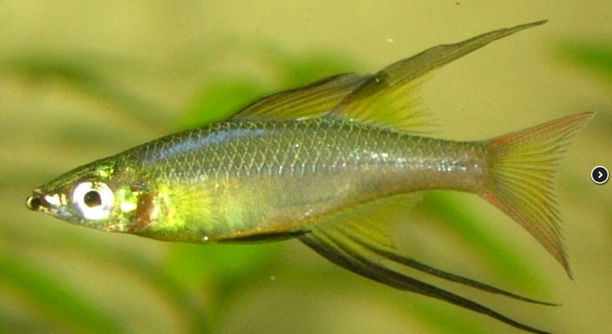
Threadfin Rainbowfish are small, colorful freshwater fish that brighten up any tank. Moving them to a new environment can be stressful, and understanding their behavior during relocation helps ensure they stay healthy and comfortable.
Threadfin Rainbowfish handle tank relocation best when environmental conditions such as water temperature, pH, and lighting are gradually adjusted. Sudden changes can cause stress, affecting swimming patterns, appetite, and overall health, making careful acclimation essential for successful transitions.
Proper preparation and gradual adjustments make the move smoother, ensuring your fish adapt without long-term stress or health issues.
Preparing Your Tank for Threadfin Rainbowfish
Before moving your Threadfin Rainbowfish, make sure the new tank is ready. Check that the water temperature matches the old tank, usually around 24–28°C. Test the pH, which should be between 6.5 and 7.5, and make sure the water is clean and filtered. Adding plants and hiding spots helps the fish feel secure. Lighting should be similar to what they are used to, so sudden changes do not stress them. Slowly acclimating your fish reduces the chance of shock, which can affect appetite and swimming behavior. Plan the move during a calm time of day to avoid additional stress. Avoid feeding your fish immediately before transport to reduce waste in the container. Make sure the container is safe and secure, preventing spills or excessive movement during the transfer. Gradual adjustments in water chemistry make the transition smoother and healthier for your fish.
Proper tank preparation ensures your Threadfin Rainbowfish adapt faster, minimizing stress and promoting long-term health in their new environment.
Once the tank is prepared, slowly introduce your fish to the new water. Float the transport bag in the tank for 15–20 minutes to equalize the temperature. Gradually mix small amounts of tank water into the bag every five minutes. This helps the fish adjust to the new chemical environment. After 30–40 minutes, gently release the fish into the tank. Avoid pouring the bag water directly, as it may contain contaminants. Keep the lights dim for a few hours to reduce stress. Monitor your fish closely for the first day, noting swimming patterns, activity levels, and appetite. Remove uneaten food after feeding to maintain water quality. Continue gradual acclimation for the next few days, making sure they are eating normally and behaving consistently. By taking careful, measured steps, you can ensure your Threadfin Rainbowfish adjust smoothly to their new home.
Transporting Threadfin Rainbowfish Safely
Transporting Threadfin Rainbowfish requires calm handling and a secure container. Use a sturdy bag or small tank to minimize sudden movements.
During transport, keep the container in a quiet, shaded area. Avoid jostling or sudden movements that can stress the fish. Maintain a stable temperature, especially if traveling longer distances. For short trips, a sealed plastic bag with sufficient water and oxygen works well. For longer trips, consider using a portable cooler to help maintain consistent water temperature. Limit the number of fish per container to avoid overcrowding and aggression. Make sure the bag or container is secure in the vehicle to prevent tipping. Avoid feeding your fish immediately before or during transport to reduce waste and maintain water quality. Once at the destination, begin the acclimation process slowly to help your fish adapt. Careful transport reduces stress, prevents illness, and ensures that your fish arrive healthy and ready to settle into their new tank.
Acclimating Threadfin Rainbowfish
Acclimating your Threadfin Rainbowfish slowly reduces stress and helps them adjust to the new water conditions. Gradually mixing tank water into the transport container over 30–40 minutes is effective. Keep the environment calm, and avoid sudden light or temperature changes during this process.
After introducing small amounts of tank water into the transport bag, allow the fish to settle between additions. Watch for signs of stress, such as rapid gill movement or erratic swimming. Adjust the timing if needed, ensuring the water chemistry in the bag closely matches the tank. Once the fish appear calm and swimming steadily, gently release them into the tank without adding transport water. Provide hiding spots and dim lighting for a few hours to help them feel secure. Feeding can resume once they show interest in food, typically after a few hours. This careful process helps maintain the fish’s health and reduces the risk of shock or illness during acclimation.
During the first few days in the new tank, monitor your Threadfin Rainbowfish closely. Observe swimming patterns, interactions, and feeding habits. Sudden changes in behavior may indicate stress or water quality issues. Keep water clean, maintain consistent temperature, and avoid excessive handling. Introducing small, frequent feedings encourages normal eating without overloading the filtration system. Gradual adjustment to the new environment is key. Patience during this period ensures the fish settle comfortably, reducing the likelihood of long-term stress or illness. Providing stable conditions helps the fish develop regular routines.
Monitoring Health Post-Relocation
Watch for signs of illness after moving your Threadfin Rainbowfish. Stress from relocation can temporarily weaken their immune system, making them more prone to disease.
Check water quality daily for at least a week after relocation. Temperature, pH, and ammonia levels should remain stable. Look for signs of infection, such as clamped fins, discoloration, or unusual spots. Isolate any fish showing symptoms to prevent spreading potential disease. Avoid overfeeding, as leftover food can degrade water quality and increase stress. Keep interactions with the tank minimal to maintain a calm environment. Record observations of behavior and appetite to track progress. Consistency in care helps the fish recover quickly. By monitoring closely, you can catch problems early and provide appropriate treatment, ensuring the fish maintain good health and continue adapting smoothly to their new tank.
Feeding Adjustments After Relocation
After moving, Threadfin Rainbowfish may eat less at first. Offer small portions of familiar food to encourage appetite. Monitor their interest and avoid overfeeding, which can stress the fish and affect water quality.
Introduce food gradually and maintain regular feeding times. This helps the fish regain routine and supports digestion. Keep portions small and observe how much they eat. Adjust feeding based on appetite and behavior. Consistency provides comfort and reduces stress during the adjustment period.
Maintaining Water Quality
Maintaining stable water quality is crucial for fish health after relocation. Regularly check ammonia, nitrite, nitrate, and pH levels. Perform partial water changes to keep parameters stable. Use gentle filtration and avoid over-cleaning, which can disrupt beneficial bacteria.
Stress Reduction Techniques
Provide hiding places, dim lighting, and minimal disturbances. These measures help reduce stress and promote faster adaptation to the new tank.
FAQ
How long does it take for Threadfin Rainbowfish to adjust to a new tank?
Threadfin Rainbowfish typically take a few days to a week to settle into a new tank. Initial stress may cause them to hide or eat less, but with stable water conditions, familiar food, and minimal disturbances, most fish regain normal behavior within this period. Patience is key.
What is the best way to acclimate them to new water?
Float the transport bag in the tank for 15–20 minutes to equalize temperature. Gradually add small amounts of tank water every five minutes for 30–40 minutes. This method helps the fish adjust to new water chemistry without causing shock or stress. Avoid pouring bag water directly into the tank.
Can sudden temperature changes harm Threadfin Rainbowfish?
Yes, sudden changes in temperature can be very stressful and even fatal. Always match the new tank’s temperature to the old tank before introducing the fish. Small, gradual adjustments are safer, and using a thermometer ensures accuracy. Consistency reduces stress and prevents shock.
How should I handle them during transport?
Use a secure, sturdy bag or small container. Limit the number of fish per container to prevent overcrowding. Keep the container stable, quiet, and shaded. Avoid feeding immediately before or during transport to reduce waste and maintain water quality. Short trips may only need a sealed plastic bag with oxygen.
What signs indicate stress in Threadfin Rainbowfish?
Stress can show as clamped fins, rapid gill movement, erratic swimming, hiding, or loss of appetite. If these behaviors appear after relocation, check water parameters, provide hiding spots, and minimize disturbances. Early intervention helps prevent illness and promotes recovery.
How often should I check water quality after relocation?
Daily checks are recommended for at least the first week. Monitor temperature, pH, ammonia, nitrite, and nitrate levels. Partial water changes can stabilize conditions, but avoid over-cleaning to preserve beneficial bacteria. Stable water is essential for stress reduction and overall fish health.
Is it normal for them to eat less at first?
Yes, reduced appetite is common in the first 24–48 hours. Offer small portions of familiar food, and feed multiple times a day in tiny amounts. Monitor how much they eat, and gradually return to regular feeding once they show consistent interest in food.
Do hiding spots really help with adaptation?
Absolutely. Plants, rocks, or small decorations provide shelter, making the fish feel secure. Hiding spots reduce stress, encourage natural behavior, and give fish control over their environment. Dim lighting in combination with shelters can further help the fish settle comfortably.
Can multiple moves harm Threadfin Rainbowfish?
Repeated relocation can increase stress and weaken the immune system. Limit moves whenever possible. If multiple transfers are necessary, ensure proper acclimation, stable water conditions, and gentle handling each time to minimize negative effects.
How soon can I introduce new fish after relocation?
Wait at least one to two weeks to ensure the relocated fish are healthy and adapted. This allows monitoring for stress or disease and prevents spreading illness to new fish. Introduce newcomers slowly and maintain stable water conditions for both old and new tank mates.
Are there any special considerations for long trips?
For longer transport, maintain stable water temperature using a cooler or insulated container. Provide adequate oxygen and limit the number of fish per container. Avoid feeding just before departure and monitor the fish carefully for signs of stress. Gradual acclimation at the destination remains essential.
What should I do if a fish seems sick after moving?
Isolate any fish showing unusual behavior, discoloration, or other symptoms. Check water quality and adjust as needed. Seek advice from a veterinarian or experienced aquarist for treatment options. Prompt action reduces risk to other fish and supports faster recovery.
Can lighting affect adaptation?
Yes, sudden bright light can stress newly relocated fish. Maintain familiar lighting conditions initially and dim lights for the first few hours. Gradually return to normal lighting over a day or two to help fish feel comfortable and reduce stress.
How important is routine during adaptation?
Routine helps Threadfin Rainbowfish feel secure. Feed at consistent times, maintain stable water parameters, and minimize sudden changes. Predictable conditions encourage normal behavior, reduce stress, and support overall health during the adjustment period.
Should I use water conditioners during relocation?
Using water conditioners can help neutralize chlorine or chloramine and reduce stress during acclimation. It ensures that the new water is safe and helps protect delicate gills, especially when transitioning to tap water or water with different chemistry.
What if some fish hide more than others?
Individual fish adapt at different rates. Some may hide longer, while others explore immediately. Ensure hiding spots are available and avoid disturbing them. Most will gradually emerge as they feel secure, usually within a few days. Patience and observation are key.
Is quarantine necessary for relocated Threadfin Rainbowfish?
Quarantine is recommended for new fish or after relocation, especially if introducing them to an established tank. A separate tank for one to two weeks allows monitoring for disease, reduces stress, and prevents spreading potential infections to other fish.
How can I tell if the move was successful?
Signs of a successful relocation include normal swimming, consistent appetite, regular breathing, and interaction with the environment. Fish gradually explore, use hiding spots comfortably, and show healthy coloration. Continued monitoring ensures long-term health and smooth adaptation to the new tank.
Are there long-term effects of relocation stress?
If stress is not managed, fish may develop weakened immune systems, reduced appetite, or behavioral changes. Proper acclimation, stable water, and gradual adjustment reduce long-term risks and support healthy, active fish in their new environment.
Can temperature fluctuations during transport cause disease?
Yes, sudden temperature shifts can compromise the immune system, making fish more susceptible to infections. Keeping transport water stable and matching tank conditions upon arrival minimizes these risks and supports overall health.
How do I gradually reintroduce normal feeding after relocation?
Start with small, frequent meals of familiar food. Observe the fish for interest and consumption. Slowly return to the regular feeding schedule over a few days as appetite and behavior normalize. Avoid overfeeding, as leftover food can impact water quality and stress levels.
What role does tank decoration play in adaptation?
Decorations and plants provide hiding spaces and visual barriers, reducing stress. They allow fish to explore safely and develop natural behaviors. Careful placement of decor helps create a comfortable environment while supporting a gradual adjustment to the new surroundings.
How often should I observe them after relocation?
Daily observation is essential for the first week, focusing on swimming behavior, appetite, and signs of illness. Note changes and intervene if necessary. Consistent monitoring helps ensure stress is minimized and fish remain healthy throughout the acclimation period.
Is it normal for fish to be less active immediately after relocation?
Yes, decreased activity is common. Fish may stay near hiding spots or move slowly. This behavior usually resolves as they acclimate. Maintaining stable water conditions, providing shelters, and avoiding disturbances help them regain normal activity levels more quickly.
Can stress affect coloration?
Stress can temporarily dull coloration. With proper care, consistent feeding, stable water, and minimal disturbance, coloration should return to normal. Healthy, well-adapted fish will display vibrant, natural colors once fully acclimated to the new tank.
Are there any special considerations for breeding after relocation?
Breeding should be postponed until fish are fully acclimated. Stress can impact fertility and egg viability. Maintain optimal water conditions, reduce disturbances, and allow at least a few weeks of stable adaptation before encouraging breeding behaviors.
What is the most important factor for successful relocation?
Consistency in water parameters, gentle handling, slow acclimation, and careful observation are the most critical factors. These steps reduce stress, prevent illness, and allow Threadfin Rainbowfish to adjust comfortably to their new environment, ensuring long-term health and well-being.
How can I reduce stress if multiple fish are relocated together?
Use multiple containers or bags to prevent overcrowding. Maintain stable temperature and water quality for each group. Minimize handling and provide hiding spots in the new tank. Gradual acclimation and careful observation help all fish adjust safely without excessive stress.
Can relocation affect social behavior?
Temporary changes in social behavior may occur. Some fish may hide more or show aggression initially. Providing sufficient space, hiding spots, and observing interactions ensures fish gradually return to normal social behavior as stress diminishes.
What should I do if a fish refuses to eat after relocation?
Offer small portions of familiar food multiple times per day. Monitor behavior closely and ensure water quality is optimal. Most fish will resume feeding within a day or two. Persistent refusal may require closer observation or consultation with an aquarist.
Are there signs of permanent stress damage?
Permanent effects are rare with proper care. Signs may include prolonged dull coloration, chronic hiding, or reduced appetite. Ensuring stable conditions, gradual acclimation, and minimal disturbances helps prevent long-term stress-related damage. Most fish fully recover with careful management.
How important is gentle handling during relocation?
Gentle handling is critical. Rough movement, sudden splashes, or excessive netting can increase stress, cause injuries, and make acclimation slower. Use secure containers and limit physical contact to maintain fish health during transport and introduction to the new tank.
Can relocation impact their lifespan?
Stress from improper relocation can shorten lifespan due to illness or weakened immunity. Proper acclimation, stable water conditions, and careful monitoring help ensure that Threadfin Rainbowfish remain healthy and maintain their expected lifespan in the new tank.
Should I avoid bright lights immediately after relocation?
Yes, bright lighting can increase stress. Keep lights dim for the first few hours or even a day. Gradually return to normal lighting to support comfort, encourage natural behavior, and reduce anxiety in the new environment.
Is it normal for fish to explore less after relocation?
Yes, initial exploration is often limited. Fish may remain near hiding spots or corners. Gradually, as they feel secure, they will explore the entire tank. Providing shelters and maintaining a calm environment encourages more confident movement and natural behavior.
Can relocation affect breathing patterns?
Stress may temporarily increase breathing rates. Ensure stable water temperature, oxygen levels, and minimal disturbances. Most fish normalize breathing within a day or two once they acclimate and feel secure in their new surroundings.
How do I know when they are fully adjusted?
Full adjustment is indicated by normal swimming, regular feeding, healthy coloration, and reduced hiding. Fish become active, interact with their environment, and show typical behavior patterns. Observation over several days ensures they are comfortable and stress-free.
Are water conditioners necessary during acclimation?
Yes, water conditioners help neutralize harmful chemicals like chlorine and chloramine. They support gill health and reduce stress during the transition, making acclimation safer and more comfortable for the fish.
How often should I perform water changes post-relocation?
Partial water changes of 10–20% every few days help maintain water quality without disrupting beneficial bacteria. Avoid drastic changes. Stable water ensures minimal stress and supports proper adaptation for Threadfin Rainbowfish.
Do some fish adapt faster than others?
Yes, individual fish vary in adaptability. Some explore immediately, while others remain hidden longer. Providing hiding spots, stable water, and minimal disturbances allows all fish to adjust at their own pace safely and comfortably.
Can relocation trigger disease outbreaks?
Stress from relocation can lower immunity, making fish more prone to infections. Maintaining clean water, monitoring health, and avoiding overcrowding reduces this risk. Early detection and treatment prevent minor stress-related issues from becoming serious illnesses.
How should I handle aggressive behavior after relocation?
Provide more hiding spots and space. Observe interactions carefully, separating fish if aggression persists. Gradually, as stress diminishes, social behavior often returns to normal. Ensuring enough room and visual barriers reduces conflict and promotes harmony.
Are there environmental factors that influence adaptation?
Temperature, pH, lighting, and tank layout all impact adaptation. Consistency in these factors is essential. Gradual adjustments, familiar surroundings, and proper care help fish acclimate smoothly and reduce stress.
Can relocation affect breeding cycles?
Yes, stress can delay or disrupt breeding. Wait until fish are fully acclimated, maintain optimal water conditions, and minimize disturbances before encouraging reproduction. Healthy, unstressed fish are more likely to breed successfully.
Should I limit interactions with the tank immediately after relocation?
Yes, avoid tapping glass or moving decorations. Minimal interaction helps reduce stress and allows fish to explore safely. Gradual, calm observation is sufficient during the early adjustment period.
How do I prevent long-term stress after relocation?
Maintain stable water, consistent feeding, and hiding spots. Avoid sudden changes and monitor behavior closely. Gradual adjustment, patience, and careful observation are key to preventing stress and ensuring a healthy environment for Threadfin Rainbowfish.
Can relocation affect growth?
Stress can temporarily slow growth, especially in younger fish. Maintaining optimal water quality, feeding, and minimal disturbances ensures that growth resumes normally once the fish are fully acclimated.
Is it normal for fish to stay near the bottom initially?
Yes, hiding near the substrate is common during early adaptation. It provides security while they assess the environment. As confidence increases, fish gradually explore all levels of the tank.
What precautions should I take for multiple species in the tank?
Ensure all species have compatible water parameters and adequate space. Provide hiding spots and monitor interactions. Gradual introduction and observation reduce stress and prevent aggression among different fish species.
How long should I wait before adding decorations or rearranging the tank?
Wait at least a week until fish are comfortable. Sudden changes in layout can stress newly relocated fish. Gradual additions or adjustments allow them to explore without additional anxiety.
Does water hardness affect adaptation?
Yes, water hardness impacts stress and health. Match the new tank’s hardness to their previous environment or adjust gradually. Sudden changes can affect metabolism and comfort, making acclimation slower.
What role does oxygenation play in relocation?
Proper oxygen levels reduce stress, especially during transport and initial acclimation. Aeration or gentle filtration ensures fish remain healthy and comfortable while adapting to their new tank environment.
How important is monitoring during the first week?
Monitoring is crucial. Daily checks of behavior, feeding, and water parameters help detect stress, illness, or adjustment issues early. Prompt action ensures successful adaptation and long-term health of Threadfin Rainbowfish.
Can relocation impact their social hierarchy?
Yes, initial stress may alter dominance or territory. Provide adequate space and hiding spots. Social structures typically stabilize as fish acclimate and stress decreases, allowing natural behavior to resume.
How can I encourage normal activity after relocation?
Maintain stable water, provide hiding spots, and feed at consistent times. Gradually introduce natural stimuli, like plants or gentle water flow, to encourage swimming and exploration, helping fish regain normal activity levels.
Should I remove aggressive fish during the first week?
If aggression threatens other fish, temporarily isolate the aggressive individual. Ensure adequate space and hiding spots. Most aggression decreases as stress diminishes, allowing safe reintegration once the fish have adapted.
Are there special considerations for very small or juvenile fish?
Juveniles are more sensitive to stress and water fluctuations. Use gentle handling, smaller portions during feeding, and stable water conditions. Extra care during acclimation ensures healthy growth and adaptation for younger Threadfin Rainbowfish.
How do I know if acclimation was too fast?
Signs include rapid gill movement, erratic swimming, hiding excessively, or refusing food. Slow the process, provide hiding spots, and maintain stable water until normal behavior resumes. Gradual adjustment is safer for long-term health.
Can relocation affect coloration long-term?
Temporary color dulling is normal. With stable conditions and minimal stress, colors return to normal. Long-term dullness may indicate ongoing stress, poor water quality, or illness, requiring attention.
How should I handle sudden water parameter changes?
Introduce changes gradually over hours or days. Sudden shifts in temperature, pH, or hardness can cause stress or shock. Careful monitoring and stepwise adjustment help fish adapt safely.
Are some Threadfin Rainbowfish more sensitive than others?
Yes, individual variation exists. Some adapt quickly, while others take longer. Provide consistent care, hiding spots, and calm surroundings to accommodate all personality types and reduce stress.
How do I manage leftover food to prevent water issues?
Remove uneaten food after feeding. Excess food decomposes, raising ammonia and nitrate levels, which can stress fish. Small, frequent feedings reduce waste and support healthy water quality during adaptation.
Can relocation cause long-term behavioral changes?
Properly managed relocation rarely causes lasting behavioral issues. Stressful handling, poor acclimation, or unstable water may cause temporary changes. Careful monitoring and stable conditions prevent permanent effects.
How do I keep track of acclimation progress?
Observe and note swimming, feeding, and interaction with the environment. Record water parameters daily. Monitoring over the first week helps identify issues early and ensures fish are adapting well.
Is it normal for some fish to hide constantly?
Yes, some individuals may take longer to feel safe. Provide ample hiding spaces and avoid disturbances. Most will gradually emerge as confidence grows, usually within a few days.
What is the safest way to introduce tank mates after relocation?
Ensure relocated fish are fully adapted and healthy first. Introduce new fish gradually, using separate compartments or slow-release methods. Monitor interactions and provide hiding spots to minimize stress and aggression.
How long should I maintain dim lighting after relocation?
Keep lights dim for several hours to a full day, depending on fish behavior. Gradually restore normal lighting as the fish become comfortable and begin exploring the tank naturally.
Can relocation trigger fin clamping?
Yes, fin clamping is a common stress response. Maintain stable water, provide hiding spots, and reduce disturbances. Most fish recover as stress diminishes and they acclimate.
Should I be concerned about sudden lethargy?
Sudden lethargy can indicate stress or water issues. Check parameters, provide hiding spots, and observe closely. If lethargy persists, consult an aquarist or veterinarian to prevent serious health problems.
Is observation more important than handling during the first week?
Yes, observing is safer than handling. Minimal contact reduces stress, while careful observation allows early detection of problems, ensuring successful adaptation and healthier fish.
Can relocation affect reproductive behavior long-term?
Stress can temporarily suppress reproductive activity. Once fish are fully adapted and comfortable, normal reproductive behavior usually resumes without long-term effects.
How can I ensure water parameters remain stable?
Regular testing, partial water changes, and avoiding overfeeding help maintain stable water. Consistency supports adaptation, reduces stress, and promotes health in relocated Threadfin Rainbowfish.
Are there any signs of permanent behavioral changes to watch for?
Permanent changes are uncommon with proper care. Persistent hiding, aggression, or reduced appetite may indicate ongoing stress or illness. Early intervention usually restores normal behavior.
Can relocation affect schooling behavior?
Initially, schooling may break down as fish adjust
Final Thoughts
Relocating Threadfin Rainbowfish requires planning, patience, and careful attention to detail. These fish are sensitive to changes in water, temperature, and light, so a sudden move can cause stress or even illness. Preparing the new tank properly is essential. This includes matching water temperature, maintaining consistent pH levels, and ensuring clean, filtered water. Adding plants, hiding spots, and gentle lighting helps the fish feel secure in their new environment. Gradual acclimation is the most important step. By slowly mixing tank water into the transport container and allowing the fish time to adjust, you reduce the risk of shock. Proper handling during transport also matters. Secure containers, minimal movement, and maintaining temperature stability ensure the fish stay safe. Even small details, like avoiding feeding right before transport, make a difference in water quality and overall stress levels.
After relocation, careful observation is key. Threadfin Rainbowfish may hide, eat less, or behave differently at first. These changes are normal if the water conditions and environment are stable. Offering small portions of familiar food multiple times a day encourages feeding without overloading the tank. Providing hiding places and dim lighting reduces stress and allows the fish to explore gradually. Monitoring behavior, swimming patterns, and interactions with tank mates helps identify any potential issues early. Stress from relocation can temporarily weaken the immune system, so keeping water quality high and avoiding disturbances supports recovery. Partial water changes, checking ammonia, nitrite, nitrate, and pH levels, and maintaining stable temperature are all important during this period. Fish often adjust within a few days to a week, though individual differences exist. Some may explore the tank quickly, while others remain cautious for longer. Patience and careful attention are necessary to help all fish adapt smoothly.
Long-term health and well-being depend on consistent care following relocation. Threadfin Rainbowfish thrive in stable environments with predictable routines. Once acclimated, they return to normal activity levels, regain appetite, and display vibrant colors. Avoiding sudden changes in water parameters, lighting, or tank layout prevents additional stress. Observing the fish regularly allows you to maintain ideal conditions and catch any health concerns early. Providing hiding spots and adequate space supports natural behaviors and reduces aggression among tank mates. Proper care during and after relocation strengthens the fish’s immune system, reduces the risk of disease, and helps them feel comfortable in their new home. By following these careful steps, you ensure that your Threadfin Rainbowfish remain healthy, active, and stress-free, making the relocation process successful and creating a stable, enjoyable aquarium environment for years to come.

Hello,
If you enjoy the content that we create, please consider saying a "Thank You!" by leaving a tip.
Every little bit helps us continue crafting quality advice that supports the health, happiness, and well-being of pets around the world, for pets of all shapes, sizes, and species.
We really appreciate the kindness and support that you show us!