
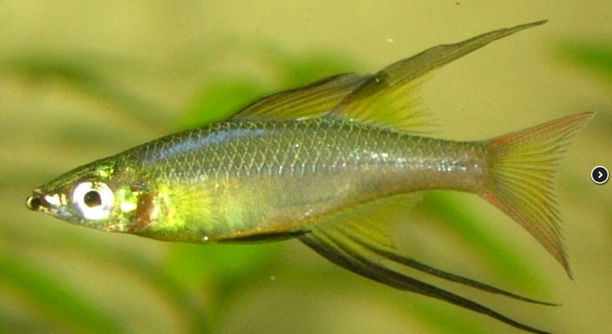
Are your threadfin fish interacting peacefully with other tankmates, or do they seem indifferent at times? Observing their daily routines and subtle behaviors can reveal signs of companionship and comfort in a shared aquatic environment.
Threadfins display social tendencies through specific behaviors such as synchronized swimming, following tankmates, gentle nudging, and reduced aggression. These actions indicate familiarity and comfort, reflecting positive interspecies interactions and the fish’s inclination toward maintaining a harmonious group dynamic.
Recognizing these cues can help you foster a balanced tank environment and strengthen your threadfin’s bond with its companions.
Following Their Movements
Threadfins often follow their tankmates closely, weaving through the water with them. This behavior shows that they feel secure and enjoy the company around them. Observing these movements helps identify which fish they are comfortable with and who they tend to avoid.
Following behavior demonstrates trust and comfort. Fish that follow others willingly indicate positive social interaction and bonding.
Noticing how threadfins follow other fish can reveal a lot about their temperament. Some threadfins may swim in tight formations with specific tankmates, mirroring movements and responding quickly to changes in direction. This close following can also indicate that they rely on visual cues from their companions to navigate their environment safely. Consistent observation of these patterns allows for adjustments in tank setup or grouping to support harmony. Over time, recognizing these tendencies can help maintain a stable and stress-free tank, ensuring that all fish interact well and the aquatic ecosystem remains balanced.
Gentle Nudge or Touch
A gentle nudge or soft touch toward another fish often signals affection or acknowledgment. Threadfins may lightly tap a tankmate to get attention or show interest, which is different from aggressive bumping.
This behavior indicates comfort and a desire to interact positively within the tank.
Observing nudging behavior helps gauge the social dynamics among your threadfins. These gentle interactions are usually brief and do not cause harm but suggest a level of trust between the fish involved. A threadfin that frequently initiates contact with certain tankmates is likely forming a social bond. Paying attention to which fish are repeatedly nudged can inform your decisions about tank groupings or identifying individuals that may need more space. Encouraging these gentle interactions can improve cohesion in the tank, reduce stress, and create a more balanced environment for all the fish. Adjusting decorations, hiding spots, and open swimming areas can also enhance these social behaviors.
Shared Feeding Times
Threadfins often eat alongside certain tankmates, waiting their turn or swimming together to the food source. This behavior signals comfort and trust among the fish.
Eating in groups indicates that threadfins feel secure around their companions. They are more likely to approach food when familiar fish are nearby, avoiding unnecessary stress.
Watching feeding patterns can reveal social preferences. Threadfins that consistently swim toward the same companions during feeding show clear bonds. This behavior can help identify which tankmates are compatible and which may cause tension. Consistent group feeding also reduces competition and promotes a peaceful environment. Adjusting feeding strategies, such as placing food in multiple locations, ensures all fish receive proper nutrition while maintaining harmony. Observing these routines strengthens understanding of your fish’s social behavior and supports a calmer tank atmosphere.
Calm Swimming Around Others
Threadfins that swim calmly near other fish without signs of aggression are displaying acceptance. Their movements remain smooth, and they avoid chasing or startling companions.
Calm swimming reflects confidence and familiarity. Fish that are comfortable share space without tension or stress, demonstrating a stable social structure within the tank.
Noticing which fish a threadfin swims near calmly helps determine compatible tankmates. Calm behavior often occurs during both active swimming and resting periods, indicating sustained comfort. Fish that tolerate proximity without aggressive displays show positive social connections. Over time, these observations allow for strategic tank management, ensuring peaceful coexistence. Adjusting decorations, adding hiding spots, or redistributing swimming space can further support these interactions, making sure all tank inhabitants remain stress-free and confident in their surroundings.
Resting Near Tankmates
Threadfins often choose to rest close to certain fish. This behavior shows they feel safe and secure within the group.
Choosing resting spots near companions reflects trust. Fish that rest together generally have a stable and positive relationship.
Synchronized Swimming
Threadfins sometimes swim in harmony with specific tankmates, matching their speed and direction. This behavior highlights social cohesion and a sense of safety within the group. Observing these patterns can help identify strong bonds, as synchronized swimming rarely occurs with unfamiliar or stressed fish.
Gentle Circling
Threadfins may circle their tankmates in slow, deliberate movements. This behavior indicates interest and comfort, showing that they enjoy being near those fish.
FAQ
How can I tell if my threadfin is comfortable with other fish?
Comfortable threadfins show relaxed behavior, swim calmly near certain companions, and may follow or mirror movements. They often share feeding times, rest nearby, and display gentle nudges without aggression. Observing consistent patterns over several days can give a clear picture of social preferences.
Why does my threadfin follow only specific tankmates?
Following behavior is selective because threadfins tend to bond with fish they trust. They rely on familiar companions for navigation and reassurance, avoiding those they perceive as aggressive or stressful. Recognizing these bonds helps maintain a peaceful tank.
Is nudging always a sign of affection?
Nudging can indicate interest, comfort, or social acknowledgment. Gentle nudges are different from chasing or bumping, which are aggressive. Frequent, light contact with specific tankmates often shows positive social interaction.
What does synchronized swimming indicate?
Synchronized swimming reflects trust and comfort. Threadfins that swim in harmony with certain companions are signaling a strong social connection. This behavior rarely occurs with stressed or unfamiliar fish and helps reduce tension in the tank.
Should I separate threadfins that rest close to others?
No, resting near companions indicates trust and security. Separation can cause stress. Ensure there is enough space and hiding spots for all fish to maintain comfort while avoiding overcrowding.
Why do some threadfins eat together while others eat separately?
Feeding together shows comfort and reduced stress, while separate eating can indicate a preference for personal space or mild social tension. Observing feeding patterns helps manage tank groupings and ensure balanced nutrition.
Can calm swimming predict future behavior?
Yes, calm swimming reflects confidence and familiarity. Fish that maintain smooth, non-aggressive movements around certain tankmates are likely to continue peaceful interactions over time. This behavior helps identify compatible groups.
How can I encourage positive interactions among my threadfins?
Provide enough swimming space, multiple feeding points, and hiding areas. Encouraging gentle contact, synchronized swimming, and shared feeding experiences can strengthen bonds while reducing stress. Regular observation ensures all fish remain comfortable and social dynamics remain stable.
What should I do if my threadfin shows signs of stress near certain tankmates?
Monitor interactions closely. Provide extra hiding spots and consider temporary separation if aggression persists. Stress signs include rapid swimming, hiding excessively, or chasing. Gradually reintroducing fish in a calm environment can restore harmony.
Are these behaviors consistent across all threadfins?
Individual personalities vary, but general patterns like following, nudging, synchronized swimming, and calm proximity are common indicators of social preference. Observing each fish individually ensures accurate understanding of their interactions and comfort levels.
How long does it take to recognize these signs?
Consistent observation over days or weeks is ideal. Behavioral patterns, feeding habits, and resting positions reveal reliable insights. Recording notes or videos can help track interactions and improve understanding of social bonds.
Can tank setup affect threadfin interactions?
Yes, decorations, hiding spots, and swimming space influence social behaviors. A well-structured tank reduces stress, encourages bonding, and supports calm swimming, synchronized movements, and peaceful feeding among threadfins and their companions.
Is it normal for threadfins to ignore some tankmates?
Yes, selective interaction is natural. Fish may avoid companions they find stressful or unfamiliar. Providing enough space and observing patterns ensures a balanced and harmonious tank environment.
How do I know when interactions are positive?
Positive interactions include following, synchronized swimming, gentle nudging, shared feeding, and calm resting nearby. Lack of aggression and consistent patterns over time confirm strong social bonds and overall tank harmony.
Can these signs help prevent aggression in the tank?
Absolutely. Recognizing comfort, trust, and preferred companions helps prevent conflicts. Adjusting tank layout, feeding routines, and observing interactions ensures peaceful coexistence and a healthy aquatic environment.
Threadfins are fascinating fish that show their preferences and comfort in subtle ways. Observing their behavior closely can reveal which tankmates they enjoy and trust. Actions like following certain fish, swimming calmly nearby, and nudging gently are all signs of positive social interaction. Paying attention to these cues allows you to understand the relationships forming in your tank. Each fish has a personality, and some threadfins may prefer certain companions over others. Recognizing these preferences helps create a more peaceful environment for everyone. It also makes caring for your fish easier because you can arrange the tank to suit their social tendencies, ensuring that no fish feels threatened or stressed. A well-organized tank not only looks better but also supports the natural behavior of the fish living in it, making their daily routines smoother and more predictable.
Providing a comfortable environment goes beyond just observing behavior. Tank layout plays a significant role in how threadfins interact with each other. Having enough open space for swimming, hiding spots for retreat, and multiple feeding areas can make a big difference in reducing stress and encouraging positive interaction. When fish feel safe, they are more likely to swim calmly, rest near companions, and engage in gentle nudges or synchronized movements. Feeding routines also contribute to social harmony. By offering food in different areas and ensuring all fish have access, you reduce competition and make shared feeding a pleasant experience. Watching these behaviors over time helps you notice patterns and identify compatible companions. Adjusting the tank setup as needed reinforces social bonds and minimizes tension. Understanding these environmental factors is crucial for maintaining a balanced, healthy tank where threadfins and other fish can thrive.
Observing threadfins teaches patience and attention to detail. Their subtle behaviors provide clues about comfort, trust, and social preferences. Following, nudging, calm swimming, synchronized movements, and resting close to companions all indicate positive interaction. Documenting these behaviors helps track changes over time and respond proactively if any stress or aggression appears. Every observation informs decisions about tank layout, groupings, and feeding practices, ensuring that all fish enjoy a stable environment. Recognizing these patterns also strengthens the connection between owner and fish, allowing you to anticipate their needs and promote well-being. Creating an environment where threadfins feel safe and supported benefits not only the fish but also improves the overall harmony of the tank. Over time, paying attention to these small signals makes maintaining the tank easier and more rewarding, resulting in a thriving, peaceful aquatic community.

Hello,
If you enjoy the content that we create, please consider saying a "Thank You!" by leaving a tip.
Every little bit helps us continue crafting quality advice that supports the health, happiness, and well-being of pets around the world, for pets of all shapes, sizes, and species.
We really appreciate the kindness and support that you show us!