
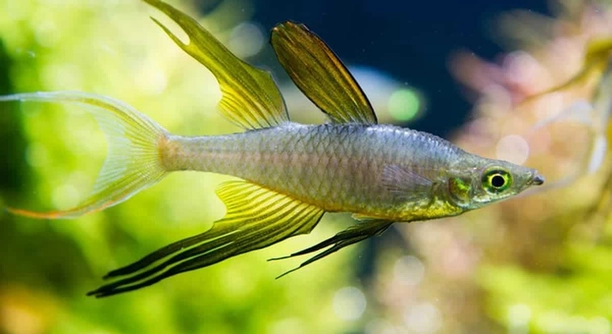
Do your threadfin rainbowfish sometimes chase each other around the tank, making you wonder if they’re being playful or showing aggression?
Threadfin rainbowfish often chase each other as part of their social and mating behavior. Males typically display this action to establish dominance, attract females, or compete for territory within the aquarium. It is generally harmless when no physical damage occurs.
Understanding these behaviors helps ensure a peaceful environment and allows you to recognize when chasing becomes excessive or signals potential stress among your fish.
Understanding Threadfin Rainbowfish Behavior
Threadfin rainbowfish are known for their graceful appearance and active behavior. In aquariums, chasing is a natural part of their social interaction and is often seen during breeding periods. Males display their bright fins and colors while pursuing others, showing dominance or courtship interest. These displays are common in healthy groups and can even encourage spawning when conditions are right. However, constant chasing or fin damage may indicate stress or overcrowding, suggesting the need for adjustments in their environment. Observing their interactions closely helps identify whether their behavior is playful or becoming aggressive.
In most cases, chasing is harmless and temporary. The fish usually settle down once dominance is established or breeding ends. Maintaining a balanced group with enough swimming space reduces tension and encourages natural movement.
When you understand what triggers chasing, it becomes easier to manage. Proper care ensures that their active behavior remains healthy and balanced within the tank.
Factors That Trigger Chasing
Threadfin rainbowfish may start chasing more frequently due to specific conditions in their tank. Limited space, an uneven male-to-female ratio, or poor water quality can cause stress and competition. Observing these triggers helps determine if their behavior needs attention or simple adjustments.
Water conditions play a big role in fish behavior. Threadfin rainbowfish thrive in clean, well-oxygenated water with stable temperature and pH levels. When these conditions fluctuate, it can cause irritation and lead to territorial displays. Overcrowding also increases aggression as the fish struggle to establish boundaries. Ensuring a proper balance between males and females helps reduce tension, especially during breeding seasons when males compete for attention. Adding plants or decorations gives them places to retreat, lowering stress and preventing conflicts. Regular monitoring, weekly water changes, and consistent feeding routines all contribute to a calmer, more stable environment where chasing remains normal and harmless.
How to Prevent Excessive Chasing
Maintaining a peaceful aquarium starts with providing enough space. Threadfin rainbowfish need room to swim freely, and overcrowding often causes stress. A larger tank with hiding spots allows them to establish their territories and reduces the need for constant chasing or aggressive displays.
Balanced tank conditions play an important role in their behavior. Keep males and females in a proper ratio to minimize competition. Adding plants or driftwood breaks the line of sight and gives shy fish areas to rest. Regularly checking water parameters ensures a stable environment, preventing irritability caused by poor water quality. Feed them on a consistent schedule with a varied diet to reduce tension during feeding times. Each of these steps helps create a balanced and calm atmosphere where chasing remains playful rather than harmful.
If chasing becomes intense or causes injury, temporarily separating aggressive males can help restore balance. Gradually reintroducing them once they settle often prevents recurring stress and aggression.
The Role of Mating and Dominance
Chasing often increases during breeding periods when males compete for female attention. Their bright colors become more vibrant, and their movements more assertive. This display is natural and signals strong breeding health, but too much competition can sometimes lead to stress within the group.
Providing enough females for every male helps reduce tension. Keeping the tank environment calm and slightly warmer during breeding seasons supports healthy courtship without excessive aggression. It’s also helpful to add dense plants or fine-leaved decorations where females can retreat if needed. These hiding spaces promote safety and reduce direct confrontation between males. Monitoring their activity ensures that chasing doesn’t escalate into harm. Over time, the group naturally establishes a rhythm where each fish understands its position, allowing mating behavior to remain balanced, healthy, and fascinating to observe.
Signs of Stress in Threadfin Rainbowfish
When chasing becomes frequent or aggressive, it’s often a sign of stress. Look for clamped fins, faded colors, or hiding behavior. These changes indicate discomfort and should prompt a quick check of water quality, tank size, and social balance.
Poor diet or fluctuating conditions can also cause agitation. If one fish is constantly targeted or appears weak, separation may be necessary. Observing daily patterns helps detect early signs of tension, allowing you to adjust conditions before the stress affects their overall health or causes long-term harm.
Adjusting the Aquarium Environment
Making small adjustments can greatly improve their comfort and behavior. Ensure there’s enough space for swimming and separate hiding areas for both males and females. Live plants, rocks, and driftwood help reduce visual stress while providing security. Maintain clean, stable water conditions and consistent lighting.
When to Intervene
If injuries or persistent chasing occur, intervention is necessary. Temporarily isolating aggressive fish or rearranging tank decor can reset dominance. Quick action helps prevent escalation and ensures a safe, stable environment for all your threadfin rainbowfish.
FAQ
Why do my threadfin rainbowfish chase each other constantly?
Constant chasing usually happens when males compete for dominance or attention from females. It can also occur in tanks that are too small or overcrowded. When space is limited, fish cannot establish proper territories, which leads to repeated pursuit. Ensuring an even ratio of males and females, along with sufficient swimming room, usually resolves this behavior. As long as there are no injuries, this activity is considered normal and part of their natural social structure.
How can I tell if the chasing is aggressive or playful?
Playful chasing tends to be brief, with both fish returning to calm swimming soon after. Aggressive behavior, however, often involves fin nipping, hiding, or one fish showing faded colors. If you see visible stress signs or physical damage, it’s a sign that the chasing has turned into bullying. Keeping an eye on patterns helps distinguish harmless displays from aggressive interactions that need intervention.
Do female threadfin rainbowfish chase each other too?
Yes, females may occasionally chase each other, though it’s less frequent than male behavior. This usually happens when food is limited or when establishing minor hierarchy positions within the group. Female chasing rarely leads to injury and often resolves quickly once the food or space issue is corrected. Providing a calm environment and steady feeding schedule keeps such behavior minimal.
Can tank size affect how much they chase?
Absolutely. Threadfin rainbowfish are active swimmers that require space to move freely. A tank smaller than 20 gallons for a group can lead to frustration, tension, and more frequent chasing. A larger aquarium allows each fish to claim its own area, helping reduce confrontations. Adding plants and decorations also breaks sight lines, creating peaceful zones that help prevent continuous pursuit.
Why are my threadfin rainbowfish more aggressive during feeding time?
Feeding can trigger territorial behavior, especially in tanks with limited food distribution. Fish that feel they’re competing for meals become more dominant and chase others away. Spreading the food evenly and feeding in smaller amounts twice a day helps reduce this aggression. A varied diet ensures all fish stay healthy and satisfied, keeping mealtimes calmer.
Is it normal for threadfin rainbowfish to chase during breeding season?
Yes, it’s very common. Males become more colorful and active, performing chasing displays to impress females or deter rivals. This is a natural breeding behavior that shows the fish are in good condition. However, if females seem overly stressed, provide extra plants or decorations for shelter. Once the breeding period ends, their activity usually returns to normal.
Should I separate aggressive males?
If chasing leads to injuries or constant stress among other fish, separation may be necessary. Place the aggressive male in a smaller tank or breeder box for a few days. This short break can calm territorial behavior and allow the main group to stabilize. Reintroducing the fish slowly after rearranging tank decor helps prevent the aggression from returning.
Can poor water quality cause more chasing?
Yes, poor water conditions often increase irritability. Ammonia or nitrate buildup, unstable pH, or inconsistent temperature can stress threadfin rainbowfish. Regular water changes and testing help prevent this. Keeping the tank clean with proper filtration encourages relaxed, natural behavior and reduces unnecessary chasing caused by discomfort.
What should I do if one fish keeps getting targeted?
If one fish is constantly chased or appears injured, isolating it temporarily is the best approach. During separation, observe the group to identify the aggressor and adjust tank conditions. Sometimes adding more plants or rearranging decorations distracts the dominant fish and restores balance. Reintroduce the targeted fish only when the group behaves calmly.
Can chasing ever be beneficial?
In small doses, yes. Mild chasing keeps threadfin rainbowfish active and helps them maintain natural social order. It allows males to display their colors and energy, which is important for courtship and establishing pecking order. As long as all fish eat well, show bright colors, and avoid hiding, chasing can be a normal and even healthy part of their daily life.
What are the best ways to calm an overly active group?
Providing a stable environment is the most effective solution. Keep water parameters consistent, use gentle filtration, and ensure there’s enough space for swimming. Dim lighting and floating plants can also make them feel secure. Avoid sudden changes or loud disturbances near the tank. Over time, maintaining steady conditions will naturally calm an overly active or anxious group.
Do threadfin rainbowfish eventually stop chasing?
While chasing never fully disappears, it usually decreases once the hierarchy is established. Males learn their roles, and the group finds its balance. Occasional displays may still occur during feeding or breeding, but these are normal. Consistent care, balanced numbers, and a peaceful setup ensure the chasing stays harmless and under control.
Final Thoughts
Threadfin rainbowfish are beautiful, social creatures that bring life and color to any aquarium. Their chasing behavior, while sometimes concerning, is a natural part of their communication and social interaction. Understanding the reasons behind it helps you create a calm, balanced tank where they can thrive. In most cases, chasing is not a sign of aggression but rather an expression of dominance, excitement, or breeding activity. However, it’s important to recognize when it becomes excessive or harmful. Frequent chasing, fin damage, or hiding can indicate stress caused by poor water quality, overcrowding, or an unbalanced male-to-female ratio. By paying attention to these small signs, you can make simple adjustments that improve both their comfort and overall well-being.
Keeping the tank environment stable is the key to preventing behavioral issues. Threadfin rainbowfish prefer clean, slightly warm water with consistent pH levels and plenty of swimming space. Regular maintenance, including partial water changes and filter cleaning, helps prevent stress that could trigger aggressive displays. Adding live plants, rocks, or decorations not only enhances the look of the tank but also provides hiding areas that reduce tension between fish. Observing your fish daily allows you to notice subtle changes in behavior before they become serious problems. Over time, you’ll learn to recognize the difference between playful chasing and genuine aggression, making it easier to respond appropriately. A peaceful aquarium doesn’t happen overnight, but small, consistent efforts create long-term stability for both you and your fish.
Caring for threadfin rainbowfish involves more than just feeding and cleaning; it’s about understanding their behavior and adapting to their needs. Their chasing habits are part of what makes them fascinating to watch, as each fish displays unique movements and interactions. Creating a balanced tank means thinking about their comfort, space, and social structure. When they feel safe and stimulated, their natural beauty and vibrant colors truly stand out. The goal isn’t to eliminate chasing completely, but to ensure it remains healthy and harmless. With proper attention, patience, and care, you can enjoy a tank full of active, peaceful threadfin rainbowfish that live long and healthy lives. Their lively behavior becomes not just a challenge to manage but a rewarding part of aquarium keeping that reflects your effort and understanding.

Hello,
If you enjoy the content that we create, please consider saying a "Thank You!" by leaving a tip.
Every little bit helps us continue crafting quality advice that supports the health, happiness, and well-being of pets around the world, for pets of all shapes, sizes, and species.
We really appreciate the kindness and support that you show us!