
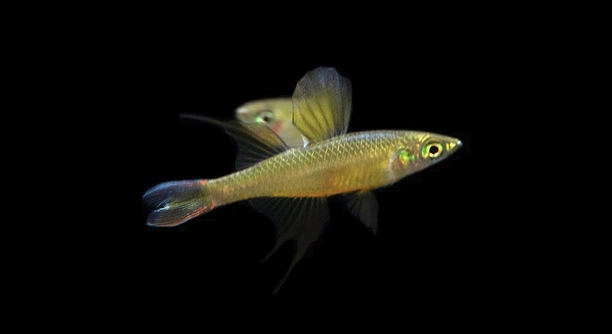
Have you ever watched threadfins during breeding season and noticed their behavior becoming more energetic and coordinated than usual? These fascinating fish display subtle yet unique changes that make this period especially interesting to observe.
Threadfins interact differently during breeding due to hormonal changes that influence their social behavior and communication. Males often become more territorial and display brighter colors, while females respond with synchronized movements and schooling patterns to enhance reproductive success and ensure effective pairing.
Each movement during this time reveals a balance between competition, attraction, and cooperation that defines their breeding behavior.
Increased Territorial Behavior
During breeding season, male threadfins become noticeably more territorial. Their behavior shifts from calm schooling to protective defense of specific spaces. They often establish small zones within their environment and guard them vigorously, keeping rivals away from potential mates. This territorial display helps assert dominance and attract females, signaling strength and vitality. The brightening of their body coloration often accompanies this behavior, creating a striking visual cue that reinforces their readiness to breed. These displays are not aggressive without purpose—they serve as natural mechanisms to maintain order and ensure that only the fittest individuals successfully reproduce.
This heightened territorial behavior typically fades once breeding ends. The males gradually return to their usual calm nature, blending once again with the rest of the group. This change highlights how temporary and instinct-driven their aggression is, purely tied to reproduction rather than personality.
Observing this transformation offers valuable insight into how threadfins adapt their social dynamics during key reproductive phases.
Coordinated Courtship Displays
Threadfins use intricate courtship displays to attract mates. These interactions involve synchronized swimming, fin flaring, and gentle circling movements between pairs. The coordination signals compatibility, helping both fish determine readiness before spawning. Such displays create harmony within the group and minimize unnecessary conflict during breeding.
These synchronized movements are vital for reproductive success. Males initiate the sequence by swimming alongside females, spreading their fins wide and occasionally performing quick dashes to capture attention. The females respond with rhythmic motions that either encourage or discourage further advances. This subtle communication ensures energy isn’t wasted on incompatible partners, maintaining efficiency within their breeding environment. As the connection strengthens, both fish often swim side by side, a clear indicator of mutual acceptance. This stage leads to the actual spawning, where eggs are released and fertilized externally. Understanding this coordination allows caretakers and researchers to recognize healthy breeding behavior and create supportive conditions for it to occur naturally.
Changes in Feeding Patterns
During breeding, threadfins often reduce their food intake. Their focus shifts from feeding to reproductive activities, leading to shorter and less frequent feeding sessions. This adjustment helps conserve energy for mating and territorial defense rather than digestion and foraging.
The decrease in feeding can be observed in both males and females, though males typically show a more significant reduction. Since they spend more time guarding territories or engaging in displays, feeding becomes secondary. Females, on the other hand, may increase nutrient absorption efficiency to prepare for egg production. Providing high-quality food during this period helps support their energy needs and maintain health despite decreased appetite. It is important to avoid overfeeding, as uneaten food can pollute the water and stress the breeding pair. Careful monitoring ensures their energy balance remains stable throughout the process.
These feeding adjustments are temporary but crucial for successful breeding. Once spawning concludes, appetite returns to normal.
Social Group Adjustments
Threadfins modify their group structure during breeding. They form smaller, more focused clusters instead of large schools. These compact groups allow better communication between potential mates and reduce interference from non-breeding individuals within the same environment.
Smaller groups make pair bonding easier and more controlled. In larger schools, it’s common for signals and movements to become lost or misinterpreted, but compact groups minimize confusion. Males can maintain proximity to their chosen females and guard them from competing males. This temporary social rearrangement also promotes stronger synchronization during spawning. Once breeding ends, the threadfins typically return to their larger schools, resuming their peaceful, collective swimming behavior. Understanding these social adjustments helps aquarists design environments that naturally support breeding. Providing enough space and visual barriers encourages these smaller groups to form safely, creating an environment that mirrors their natural instincts while reducing stress and competition.
Increased Color Intensity
Threadfins display brighter colors during breeding, especially males. Their fins and body tones intensify, signaling health and readiness to attract mates. This vivid coloration helps females identify the strongest partners while creating a clear visual hierarchy among competing males.
As hormones fluctuate, these color changes become more pronounced. The brighter shades also play a role in courtship communication, reflecting vitality and dominance. Once breeding concludes, the colors gradually fade back to normal, marking the end of reproductive activity and signaling a return to typical social behavior within the group.
Protective Parental Behavior
After spawning, threadfins often display subtle parental instincts. Males, in particular, guard the fertilized eggs by hovering near them and fanning the water to maintain oxygen flow. This protective behavior increases egg survival rates and helps prevent fungus or debris from settling on the eggs.
Temporary Stress Responses
Breeding can sometimes trigger stress in threadfins. The increased competition, territorial defense, and environmental sensitivity make them more reactive. While these reactions are short-term, maintaining stable water quality and minimizing external disturbances help reduce stress and support a smoother breeding process overall.
FAQ
How long does threadfin breeding season last?
Threadfin breeding season generally lasts several weeks, depending on water temperature and environmental conditions. In warmer months, activity may begin earlier and extend longer, while cooler temperatures can shorten the breeding period. Observing their behavior, such as territorial displays and synchronized swimming, provides the clearest indicator of breeding activity.
Do all males display the same intensity during breeding?
No, males vary in their displays. Some exhibit strong territorial behavior and vibrant colors, while others are more subdued. These differences are influenced by age, size, and health. Dominant males often secure prime territories and attract more females, while less dominant males may attempt opportunistic breeding or join peripheral areas of the group.
How can I support threadfins during breeding in captivity?
Providing a stable environment with clean water, consistent temperature, and adequate hiding spots is essential. High-quality, nutrient-rich food helps maintain energy, especially when feeding decreases. Avoid overcrowding and reduce disturbances, as stress can interfere with breeding behaviors and reduce reproductive success.
Do females choose mates based solely on color?
Color is an important factor, but females also respond to behavior. Synchronized movements, courtship displays, and territory defense influence mate selection. Females tend to prefer males that demonstrate both physical vitality and the ability to protect a suitable breeding area. This combination increases the chances of successful fertilization and offspring survival.
What happens to feeding patterns during breeding?
Both males and females often eat less, as reproductive activities demand most of their energy. Males focus on displays and guarding, while females prepare for egg production. Offering high-quality food in smaller, frequent portions ensures they still receive adequate nutrition without overfeeding, which can lead to water quality issues.
Do threadfins return to their normal social behavior after breeding?
Yes, once breeding concludes, males usually abandon territorial defense, and both sexes return to schooling behavior. Colors fade, and aggression diminishes. This temporary shift demonstrates how breeding drives behavioral changes that are instinctive and short-term rather than permanent alterations in personality.
Are there signs of stress during breeding?
Increased aggression, hiding, or sudden changes in swimming patterns can indicate stress. Stress is usually temporary, triggered by competition, environmental changes, or disturbances. Ensuring stable water conditions, minimal handling, and sufficient space helps reduce stress, allowing threadfins to focus on natural breeding behaviors without negative health impacts.
Do threadfins exhibit parental care after spawning?
While they don’t care for hatched fry directly, some males protect fertilized eggs by hovering nearby and fanning water for oxygen. This behavior increases egg survival, helping prevent fungus or debris accumulation. The protective phase is short-term and ends once the eggs hatch.
How does group size affect breeding?
Smaller, more compact groups improve courtship efficiency. Large schools can cause confusion and increase competition. In smaller clusters, males and females can communicate and synchronize behaviors more effectively, reducing stress and energy waste during mating. Once breeding ends, threadfins typically reform larger schools for social stability and safety.
Can environmental changes impact breeding success?
Yes, fluctuations in temperature, water quality, or light can disrupt breeding behavior. Stable conditions mimic natural habitats and encourage normal reproductive activity. Providing areas for hiding, moderate currents, and consistent lighting helps threadfins display natural behaviors and increases the likelihood of successful spawning.
Do threadfins compete aggressively during breeding?
Competition is mostly temporary and related to territory and access to females. Dominant males display aggressive behaviors, while less dominant males may avoid conflict or attempt opportunistic mating. This behavior ensures that only the strongest and most fit individuals successfully reproduce, supporting the health of the population overall.
How do synchronized swimming displays work?
Synchronized movements between males and females communicate readiness and compatibility. Males often initiate displays, while females respond with matching motions. This coordination reduces wasted energy on incompatible partners and signals mutual acceptance, paving the way for successful fertilization during spawning.
Is it normal for males to chase females repeatedly?
Yes, repeated chases are part of courtship. They test the female’s receptiveness and reinforce the male’s dominance. Females may respond by joining the chase or evading, signaling their willingness or lack thereof. These interactions are natural and essential for mate selection.
Do threadfins stop eating entirely during peak breeding?
They rarely stop entirely but significantly reduce intake. Their focus shifts to reproductive activity. Offering easily digestible, nutrient-rich food in small portions ensures energy levels remain adequate while minimizing waste and water quality issues.
How quickly do behaviors return to normal after breeding?
Most behaviors normalize within days to a couple of weeks. Territorial aggression subsides, colors fade, and feeding patterns stabilize. These changes show how breeding temporarily alters priorities and behaviors without affecting long-term social dynamics.
Are there differences in breeding behaviors between younger and older threadfins?
Yes, older or larger males often dominate territories and perform more vigorous displays, while younger males may adopt less assertive strategies. Females may prefer experienced males, though younger males can still succeed through opportunistic mating or persistence. This variation maintains genetic diversity and balances competition within the group.
Do females show changes besides feeding?
Females increase coordination with males during courtship and may adjust schooling behavior to facilitate pairing. Their energy shifts toward egg production, and subtle changes in movement and responsiveness reflect readiness for spawning. Monitoring these behaviors helps identify healthy reproductive activity and predict successful breeding outcomes.
Can breeding behaviors be observed without disturbing the fish?
Yes, careful observation from a distance allows you to see territorial displays, courtship dances, and protective behaviors. Minimizing interference ensures natural interactions and reduces stress, giving a clear view of how threadfins manage mating and social dynamics in their environment.
How important is water quality during breeding?
Water quality is critical. Stable temperature, proper oxygenation, and low pollutants support health, reduce stress, and allow natural breeding behaviors to occur. Poor conditions can suppress displays, hinder spawning, and reduce egg survival, emphasizing the need for careful environmental management throughout the breeding period.
Do threadfins interact differently with non-breeding fish during breeding?
Yes, they often ignore or actively avoid non-breeding individuals. Focused attention on mates and competition reduces unnecessary interactions, conserving energy. Non-breeding fish may be displaced from preferred areas temporarily, highlighting the strong influence of reproductive priorities on social dynamics.
Are there visual cues besides color that indicate breeding readiness?
Flaring fins, body posture, and swimming patterns are key indicators. Males may adopt upright positions or rapid movements to signal dominance and attract females. These visual cues, combined with coloration, provide a complete communication system during courtship, helping threadfins coordinate reproduction efficiently.
How do environmental enrichment elements influence breeding?
Providing structures, hiding spots, and moderate currents can enhance breeding success. These elements offer territory options, reduce stress, and encourage natural displays. Enriched environments allow threadfins to express instinctive behaviors safely, supporting both reproductive activity and overall well-being.
What signs indicate successful mating?
Pair swimming, egg release, and fertilization behaviors are clear indicators. Males hovering near eggs or performing protective fanning also signal success. Observing these signs confirms that courtship and spawning have proceeded normally and provides insight into the reproductive health of the group.
Do threadfins resume schooling immediately after breeding?
Behavior gradually shifts back. Initially, males may linger near former territories, and females may remain close to spawning areas. Within days, both sexes typically reintegrate into larger schools, resuming peaceful collective swimming and social behavior. This transition marks the end of temporary reproductive priorities.
Can stress during breeding affect long-term health?
Temporary stress is normal, but prolonged disturbances or poor conditions can impact health. Maintaining stable water quality, sufficient space, and minimal disruptions ensures that stress remains short-term, allowing threadfins to recover fully after breeding.
Do threadfins communicate vocally during breeding?
They primarily rely on visual and physical signals rather than vocalizations. Body movements, fin displays, and synchronized swimming convey intent, readiness, and compatibility. These nonverbal cues are highly effective for coordinating mating and establishing social hierarchies within breeding groups.
How can I track individual breeding success?
Observing pair formation, courtship displays, egg release, and protective behaviors helps identify which individuals are successfully reproducing. Tracking these behaviors over time provides insights into reproductive performance, allowing adjustments to environmental conditions or population management if needed.
Is competition among males always aggressive?
Aggression is usually measured and purpose-driven. Displays, chasing, and fin flaring are common, but outright fighting is rare. The competition is focused on securing mates and territory, minimizing unnecessary harm while ensuring reproductive fitness and genetic contribution to the next generation.
Do females ever initiate courtship?
Females respond more than initiate, but their reactions guide male behavior. Acceptance through synchronized swimming or joining a display signals readiness, while avoidance indicates rejection. These subtle actions influence the male’s persistence and the progression toward successful spawning.
How does lighting affect breeding?
Consistent and moderate lighting encourages natural behaviors. Sudden changes can disrupt courtship or stress the fish. Replicating natural daylight cycles helps threadfins maintain normal rhythms, supporting effective breeding and synchronized activity within groups.
Can multiple males mate with the same female?
Yes, in some cases, opportunistic males may attempt to fertilize eggs alongside dominant males. This increases genetic diversity and ensures that eggs have higher chances of successful fertilization, while also reflecting natural competitive strategies in the population.
Do environmental disturbances interrupt breeding behaviors?
Yes, sudden noise, water changes, or tank activity can pause displays, cause hiding, or increase stress. Minimizing disturbances allows uninterrupted courtship and spawning, improving reproductive success and overall well-being for both males and females.
Are there signs of failed breeding attempts?
Unfertilized eggs, abandoned territories, or lack of protective behavior can indicate unsuccessful attempts. Monitoring these signs helps identify potential issues such as stress, inadequate conditions, or incompatibility, allowing interventions to improve future breeding outcomes.
Do threadfins show hierarchy changes during breeding?
Yes, dominance is more pronounced. Stronger males secure preferred territories and attract more mates. Subordinate males may adjust behavior, avoiding conflict or adopting opportunistic strategies. These shifts are temporary, returning to normal social hierarchies after breeding concludes.
Can threadfins breed multiple times in a season?
Depending on environmental conditions and health, multiple breeding cycles are possible. Recovery periods between cycles allow energy restoration and territory re-establishment, ensuring that both males and females maintain reproductive fitness throughout the season.
Do females compete during breeding?
Competition among females is generally subtle, focused on access to high-quality males or preferred territories. Displaying readiness and coordination during courtship helps females secure mates while avoiding direct aggression, promoting efficient reproduction and survival of offspring.
How long does parental protection of eggs last?
Males typically guard eggs until hatching, which can range from several days to a week. Protective behaviors like fanning and hovering cease once eggs hatch, allowing both sexes to return to normal activities and social structures.
Can water current affect breeding behaviors?
Moderate currents support oxygenation and egg dispersal. Too strong or too weak currents can hinder courtship displays, egg survival, or swimming coordination. Adjusting flow to mimic natural conditions improves reproductive success and reduces stress during breeding.
Do threadfins need hiding spots during breeding?
Yes, hiding spots reduce stress, allow retreat from aggressive individuals, and provide females with safe areas to observe males. Proper habitat structure supports natural behavior and increases the likelihood of successful spawning.
Are breeding behaviors the same in all threadfin species?
There are variations depending on species, with differences in display intensity, courtship patterns, and territoriality. Understanding species-specific behaviors helps create suitable conditions and improves reproductive success in both captive and natural settings.
Do males show preference for certain females?
Yes, males often favor females exhibiting synchronized movements, vitality, and readiness. This selective behavior enhances reproductive efficiency, ensuring eggs are fertilized by the fittest males and supporting overall population health.
How do stress and feeding interact during breeding?
Stress can suppress appetite, compounding natural reductions in feeding during breeding. Maintaining stable conditions and offering high-quality food ensures threadfins retain necessary energy for courtship, territorial defense, and successful spawning.
Do threadfins ever abandon eggs?
Abandonment can occur if males are stressed, injured, or outcompeted. Ensuring proper habitat, minimal disturbances, and sufficient resources reduces the risk of eggs being neglected, supporting higher hatching success rates.
Can threadfins breed in mixed-species environments?
Breeding is possible but may be less efficient. Competition, interference, or stress from other species can disrupt courtship. Providing clear territories and visual separation improves focus and increases the likelihood of successful spawning.
Are there signs that breeding is imminent?
Bright colors, territorial displays, reduced feeding, and increased synchronized swimming indicate that breeding is approaching. Recognizing these signs helps predict reproductive activity and prepare optimal conditions for successful spawning.
Does age affect breeding timing?
Older and more mature individuals often breed earlier and with more success than younger fish. Physical maturity, experience, and established social rank influence timing and efficiency during the breeding season.
How important is tank size for captive breeding?
Sufficient space allows males to establish territories, reduces aggression, and supports natural courtship. Overcrowding can hinder displays, increase stress, and reduce egg survival, emphasizing the need for appropriately sized habitats.
Do threadfins require specific water parameters for breeding?
Stable temperature, pH, and oxygen levels are critical. Fluctuations can disrupt hormonal cues and mating behaviors. Maintaining consistent water quality encourages natural displays and increases the likelihood of successful reproduction.
How can I tell if a female is ready to spawn?
Signs include increased body girth, synchronized swimming with males, and responsiveness to courtship displays. Observing these behaviors helps identify optimal timing for breeding interventions or monitoring in captive environments.
Do males compete after spawning?
Competition decreases after spawning. Males may briefly defend territory, but energy focus shifts away from aggression. This reduction in conflict allows the group to return to normal schooling and social patterns.
Can environmental enrichment increase egg survival?
Yes, structures, plants, and gentle currents provide protection, improve oxygenation, and reduce stress. Enriched habitats mimic natural conditions, supporting both successful spawning and healthier fry development.
Are courtship dances necessary for fertilization?
Yes, they synchronize timing between male and female, ensuring eggs are released and fertilized efficiently. These movements also allow compatibility assessment, improving reproductive outcomes.
Do threadfins interact with offspring after hatching?
Interactions are minimal. Males may cease protective behaviors once fry hatch. Juveniles often integrate into schools, relying on instinctual schooling for safety and growth.
How can I encourage repeat breeding cycles?
Maintain stable conditions, provide high-quality nutrition, and ensure periods of rest between cycles. Adequate space, low stress, and environmental enrichment support readiness for subsequent breeding attempts.
Do threadfins show seasonal breeding patterns?
Yes, breeding is typically tied to temperature and photoperiod. Warmer seasons and longer daylight hours trigger hormonal changes that initiate reproductive behaviors, ensuring optimal conditions for egg development and survival.
Can breeding be stressful for females?
Yes, competition and repeated courtship can cause stress. Providing hiding spots, reducing male harassment, and monitoring feeding helps minimize stress while supporting successful spawning and egg production.
Are all eggs usually fertilized?
Not always. Fertilization depends on male vigor, synchronization, and environmental conditions. Monitoring behaviors and water quality improves the likelihood of high fertilization rates and healthy offspring.
Do threadfins require paired observation to confirm breeding?
Yes, watching both male and female behaviors ensures accurate assessment of courtship, spawning, and egg protection. Observing interactions provides a complete picture of reproductive success.
Can changes in water flow disrupt egg fanning?
Yes, improper currents can prevent adequate oxygenation and increase debris accumulation on eggs. Moderate, consistent flow supports natural protective behaviors and improves hatching success.
Is color intensity a reliable breeding indicator?
It is one of several indicators. Bright coloration combined with territorial displays and courtship movements reliably signals reproductive readiness and overall vitality in males.
Do males guard multiple egg clutches simultaneously?
In some cases, yes, particularly in high-density breeding environments. Males may hover over several clutches, balancing protection with energy conservation to maximize reproductive success.
Are there long-term behavioral changes after breeding?
Generally, no. Most behaviors return to baseline within days or weeks. Temporary aggression, reduced feeding, and vivid coloration fade, allowing threadfins to resume normal social and feeding patterns.
Can diet influence breeding success?
Yes, nutrient-rich foods support energy needs for displays, territorial defense, and egg production. Poor diet can reduce reproductive vigor, affect coloration, and compromise overall success.
How can I tell if breeding was unsuccessful?
Lack of egg release, abandoned territories, or absence of protective behaviors indicate issues. Monitoring these signs allows intervention, such as adjusting conditions or separating stressed individuals.
Do threadfins breed in captivity differently than in the wild?
Captive conditions can alter timing, intensity, or duration of breeding behaviors. Proper environment, diet, and reduced stress help replicate natural behaviors, increasing the likelihood of successful reproduction.
Are there signs of fatigue during breeding?
Extended displays, reduced chasing, or slower swimming can indicate fatigue. Temporary rest periods help restore energy and maintain continued reproductive activity.
Can visual barriers improve breeding success?
Yes, barriers reduce interference from other fish, provide privacy, and allow males and females to interact without distraction, enhancing courtship and spawning efficiency.
Do threadfins breed more successfully in pairs or groups?
Smaller, focused groups improve synchronization and reduce competition, while larger groups may dilute attention and increase stress. Pairing or forming compact clusters often yields higher reproductive efficiency.
Can male-male aggression prevent breeding?
Excessive aggression can disrupt courtship and stress females. Providing space, visual separation, and multiple territories helps balance competition without hindering reproductive success.
How often should water changes occur during breeding?
Moderate, consistent water changes maintain quality without causing disturbances. Too frequent or drastic changes can interrupt behaviors, while stagnant water increases risk of poor oxygenation or debris buildup on eggs.
Do threadfins communicate stress through behavior?
Yes, hiding, erratic swimming, or reduced feeding signal stress. Recognizing these behaviors allows adjustments to environment or social structure to support successful breeding.
Are all displays strictly reproductive?
Most displays are linked to reproduction, but some behaviors also establish hierarchy, defend territory, or manage group cohesion. These multifunctional behaviors support both mating and social stability.
Can temperature fluctuations halt breeding?
Yes, sudden drops or rises can suppress hormonal cues, reducing courtship activity and egg production. Stable, species-appropriate temperatures are essential for continuous reproductive behavior.
Do threadfins show loyalty to specific territories?
Males often return to previously claimed territories,
Threadfins are remarkable fish, especially when observed during breeding season. Their behavior changes noticeably, with males becoming more territorial and females showing increased responsiveness during courtship. Bright colors, synchronized swimming, and careful attention to territory are all natural expressions of reproductive instincts. These behaviors are temporary but essential, helping ensure successful mating and the survival of the next generation. Understanding these patterns allows observers to appreciate the complexity of their interactions, even though threadfins are not as overtly social as some other species. Watching the subtle signals between males and females can be surprisingly engaging, revealing how instinct shapes every aspect of their lives during this critical period.
Feeding and social habits also shift during breeding. Threadfins often reduce their food intake as energy is redirected toward displays, courtship, and territory defense. Males tend to focus on guarding and showing dominance, while females prepare for egg production and pair with compatible mates. Socially, they form smaller, tighter groups, which makes communication and courtship more effective while limiting interference from other individuals. These changes highlight how reproduction temporarily overrides routine behaviors and why providing the right environment is crucial. Clean water, stable temperatures, and sufficient space reduce stress and support natural activity. By paying attention to these factors, caretakers can help threadfins thrive and complete their reproductive cycle without unnecessary obstacles.
Breeding behavior also offers a clear view of the balance between competition and cooperation in threadfins. Males compete for territories and access to females, but displays and synchronized movements reduce unnecessary conflict. Females select mates based on visual cues, behavior, and overall fitness, promoting successful reproduction and strong offspring. Once breeding concludes, most behaviors gradually return to normal, including schooling, feeding, and social interactions. This natural rhythm demonstrates the temporary and purpose-driven nature of their breeding behaviors. Observing threadfins in this phase can be both educational and rewarding, showing the importance of environment, energy management, and instinct in shaping their lives. By recognizing these patterns, it becomes easier to create supportive conditions in captivity or appreciate their adaptability in the wild. Understanding these subtle yet complex behaviors gives a fuller picture of how threadfins interact, reproduce, and sustain their populations, making them fascinating subjects for study and observation.

Hello,
If you enjoy the content that we create, please consider saying a "Thank You!" by leaving a tip.
Every little bit helps us continue crafting quality advice that supports the health, happiness, and well-being of pets around the world, for pets of all shapes, sizes, and species.
We really appreciate the kindness and support that you show us!