
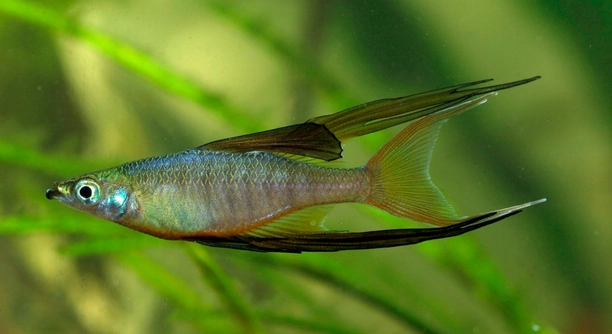
Tank setups for Threadfin Rainbowfish can feel tricky, especially when trying to balance beauty and comfort. These fish thrive in environments that suit their natural behaviors and help them display vibrant colors effectively in a home aquarium.
Threadfin Rainbowfish show a clear preference for tanks with stable water conditions, open swimming spaces, dense plant cover, consistent lighting, gentle filtration, varied hiding spots, and compatible tank mates. These features collectively support their health, behavior, and vivid coloration.
Knowing which features truly matter can make a big difference in creating a happy, thriving tank for these lively fish.
Open Swimming Spaces
Threadfin Rainbowfish thrive when they have plenty of room to swim freely. In a tank that is too crowded or cluttered, they can become stressed and display duller colors. Open areas allow them to move quickly and show off their natural agility. Providing a combination of open swimming zones and carefully placed plants or decorations creates a balanced environment. They feel secure when there are spots to hide but still need space to explore. A longer tank is generally better than a taller one, as horizontal space is more important for their movement. Observing your fish in such a setup will show more natural behavior, such as coordinated swimming and interactive play among the group. It also reduces aggression, as they are less likely to feel territorial. Maintaining open swimming areas encourages them to stay active and healthy.
Open swimming spaces keep Threadfin Rainbowfish active and vibrant, promoting both physical health and natural behavior in the tank.
Providing enough room in the tank is essential. Fish will swim confidently without bumping into obstacles, reducing stress and improving overall activity. Balanced tank layouts with open zones and hiding spots create a safe and dynamic environment. Overcrowding or heavy decoration limits movement and may lead to weaker colors or timid behavior. Observing the fish regularly helps ensure they are using open spaces effectively, adjusting decorations if necessary. A tank with sufficient horizontal space supports group interactions and natural schooling behavior, which is important for their well-being. Proper planning for open swimming areas can significantly enhance the tank’s appeal, making the fish appear more energetic and colorful. Simple steps like spacing out plants or placing decorations at tank edges allow plenty of room for swimming while maintaining aesthetic appeal. Overall, open swimming spaces are a key feature for keeping Threadfin Rainbowfish healthy, active, and visually striking.
Dense Plant Cover
Threadfin Rainbowfish enjoy tanks with dense plants, which provide hiding spots and a sense of security.
Plants in a tank give Threadfin Rainbowfish natural shelters, reduce stress, and support breeding behavior. They also improve water quality by absorbing nutrients and offering surfaces for beneficial bacteria. A mixture of tall and short plants creates layers, encouraging exploration and natural movement patterns. Floating plants can soften lighting and add shade, mimicking their natural habitat. Plants like Java fern, Anubias, and Vallisneria are durable and easy to maintain, making them ideal choices. Dense planting also encourages the fish to swim in and around foliage, enhancing their activity and creating natural visual breaks in the tank. It’s important to avoid overplanting to maintain swimming space while still providing coverage. Well-maintained plants can significantly enhance the tank’s aesthetics and the fish’s overall comfort, helping them feel more secure and confident.
Dense plants support Threadfin Rainbowfish’s health, behavior, and tank appearance, making them a crucial element of any setup.
Stable Water Conditions
Stable water conditions are essential for Threadfin Rainbowfish. Sudden changes in temperature or pH can stress them, leading to health problems and faded colors.
Maintaining a consistent temperature between 24–28°C and a pH around 6.5–7.5 ensures the fish remain active and healthy. Frequent monitoring with reliable test kits helps detect small fluctuations early. Using a quality heater and filter supports stable conditions while preventing harmful spikes or drops. Sudden water changes or introducing untreated water can disrupt their environment. Regular partial water changes of 20–25% each week keep the tank clean without shocking the fish. Stability encourages natural behavior, schooling, and even breeding. Observing their activity and coloration can indicate if adjustments are needed.
Balanced water parameters also promote a stronger immune system and reduce the risk of disease. Threadfin Rainbowfish in stable water tend to interact more confidently and display brighter colors. Consistency is key to long-term health and a stress-free tank.
Gentle Filtration
Threadfin Rainbowfish thrive with filtration that keeps water clean without creating strong currents.
Filters that produce gentle water flow prevent exhaustion and allow fish to swim comfortably. Strong currents can cause stress and reduce overall activity, while moderate filtration maintains water clarity and removes toxins efficiently. Sponge filters or adjustable flow filters are excellent choices. Ensuring that the filter does not disturb plants or decorations also helps preserve the tank’s structure. Proper filtration supports oxygenation while keeping debris from accumulating, creating a healthier environment for the fish. Regular maintenance prevents clogging, which could suddenly change flow or water quality, ensuring stability over time.
A gentle filter encourages natural movement patterns and reduces stress in Threadfin Rainbowfish. Selecting the right filter type and monitoring its performance ensures fish remain active, healthy, and vibrant. Adjusting flow rates and placement can further optimize comfort. Clean filters combined with stable water parameters create an environment that mimics their natural habitat. This balance between cleanliness and gentle water movement allows the fish to explore, interact, and display bright coloration. A well-chosen filter improves not only water quality but also overall tank harmony, making daily observation more enjoyable.
Consistent Lighting
Threadfin Rainbowfish benefit from consistent lighting that mimics their natural day-night cycle. Proper light encourages normal activity and highlights their colors.
Too much or too little light can stress the fish. A timer helps maintain regularity, keeping both fish and plants healthy.
Varied Hiding Spots
Providing varied hiding spots allows Threadfin Rainbowfish to feel secure and reduce stress. Small caves, driftwood, or dense plant areas give them choices for retreat. This arrangement encourages natural behavior, allowing shy or younger fish to rest while more confident fish explore the open areas freely.
Compatible Tank Mates
Choosing compatible tank mates is essential for peaceful interactions. Avoid aggressive or overly territorial species to prevent bullying.
FAQ
What is the ideal tank size for Threadfin Rainbowfish?
Threadfin Rainbowfish need ample space to swim and display natural behaviors. A minimum of 30 gallons is recommended for a small group, but larger tanks are better for active schools. Horizontal space is more important than height, as these fish prefer swimming freely in open areas.
How many Threadfin Rainbowfish should be kept together?
These fish are schooling species, so they thrive in groups of at least six. Smaller groups can lead to stress, timid behavior, and duller colors. Larger groups allow for social interaction, natural schooling behavior, and a more dynamic tank appearance.
What water parameters are best for them?
Maintaining stable water conditions is essential. Ideal temperature ranges from 24–28°C, pH should be 6.5–7.5, and water hardness around 5–15 dGH. Consistency is key, as sudden changes in these parameters can cause stress and health issues. Regular testing helps maintain stability.
What type of filter should I use?
Gentle filtration is preferred to avoid strong currents that stress Threadfin Rainbowfish. Sponge filters or adjustable flow filters work well. Proper filtration keeps water clean, oxygenated, and supports beneficial bacteria while maintaining a comfortable environment. Cleaning the filter regularly prevents clogs and sudden flow changes.
Do they need live plants?
While not strictly required, live plants are highly beneficial. They offer hiding spots, improve water quality, and create a more natural environment. Combining tall, short, and floating plants allows exploration while providing shaded areas. Avoid overplanting to maintain open swimming space.
What do Threadfin Rainbowfish eat?
They are omnivorous and thrive on a varied diet. High-quality flake or pellet food should be supplemented with frozen or live foods like brine shrimp, daphnia, or bloodworms. This ensures proper nutrition, vibrant colors, and active behavior. Feeding small amounts multiple times a day is ideal.
Can they breed in home aquariums?
Yes, Threadfin Rainbowfish can breed in home tanks if water conditions are stable and there are dense plants or spawning mops. Males display bright colors to attract females. Eggs should be protected from adults to prevent being eaten. Fry require fine foods such as infusoria or newly hatched brine shrimp.
How can I tell if my fish are stressed?
Signs of stress include hiding excessively, clamped fins, loss of color, reduced appetite, or erratic swimming. Stress often results from poor water quality, overcrowding, incompatible tank mates, or sudden environmental changes. Identifying and correcting these factors quickly improves their health and behavior.
Are Threadfin Rainbowfish compatible with other species?
They do best with peaceful, similarly sized species. Avoid aggressive, territorial, or fin-nipping fish. Good companions include small tetras, rasboras, and other gentle community fish. Keeping compatible species ensures reduced stress, better schooling behavior, and a harmonious tank environment.
How often should I change the water?
Regular partial water changes of 20–25% weekly are recommended. This keeps water clean without causing sudden changes that stress the fish. Fresh, dechlorinated water helps maintain stable parameters and supports long-term health, vibrant colors, and natural behavior.
Can lighting affect their color?
Yes, consistent lighting enhances natural coloration and promotes normal activity. Using a timer ensures a day-night cycle that mimics their natural habitat. Excessive light can cause stress, while too little reduces color vibrancy and activity levels. Floating plants can help diffuse light naturally.
What common health issues should I watch for?
Threadfin Rainbowfish are generally hardy but can be prone to parasitic infections, fin rot, or stress-related diseases if water quality or tank conditions are poor. Quarantining new fish, maintaining stable water parameters, and observing for early signs of illness helps prevent serious problems.
How long do Threadfin Rainbowfish typically live?
With proper care, they can live 5–8 years in home aquariums. Longevity depends on stable water conditions, a proper diet, a stress-free environment, and suitable tank mates. Observing behavior, color, and activity can indicate overall health and predict potential lifespan.
Is a varied diet necessary for their health?
Yes, feeding a mix of flake, pellet, and live or frozen foods ensures balanced nutrition. This supports bright colors, active behavior, and long-term health. Relying on a single food type may lead to nutrient deficiencies and reduced vitality.
Can they tolerate slightly brackish water?
Threadfin Rainbowfish can handle very mildly brackish water, but they do best in freshwater. Consistent freshwater parameters prevent stress and health issues, ensuring longevity and natural coloration. Slight salinity should be introduced cautiously if necessary.
How do I encourage natural schooling behavior?
Keeping at least six fish and providing open swimming areas encourages natural schooling. They will move together, interact, and display synchronized patterns. Adding dense plants at tank edges allows resting zones while maintaining activity in open areas.
What role do hiding spots play in their health?
Hiding spots reduce stress and allow shy fish to rest. They create a sense of security and prevent aggressive encounters. Incorporating caves, driftwood, or dense plants supports healthy behavior, feeding patterns, and overall well-being.
Do they need supplemental oxygen?
In well-maintained tanks with proper filtration and plants, supplemental oxygen is usually unnecessary. Gentle aeration or surface agitation can improve gas exchange, but excessive bubbling can create strong currents that disturb the fish.
How important is tank maintenance?
Regular maintenance is critical. Cleaning filters, monitoring water parameters, and performing partial water changes ensures stable conditions. A well-maintained tank reduces disease risk, maintains water clarity, and keeps Threadfin Rainbowfish active, healthy, and colorful.
Can they recognize their owner or surroundings?
Threadfin Rainbowfish are observant and can become accustomed to feeding routines. While not interactive like some other species, they recognize familiar activity near the tank and may respond by swimming closer, showing alertness and curiosity.
Are they suitable for beginner aquarists?
Yes, as long as stable water conditions, proper tank size, and a peaceful community setup are maintained. They require attentive care but are generally hardy and rewarding for those willing to meet their basic needs.
What temperature fluctuations are dangerous?
Sudden drops or spikes outside 24–28°C can stress the fish. Even a few degrees change in a short period can weaken immunity and reduce color vibrancy. Using a reliable heater and monitoring temperature helps prevent these fluctuations.
How do I prevent aggression in the tank?
Keeping sufficient numbers, providing hiding spots, and choosing compatible species prevents aggression. Overcrowding or pairing with territorial fish can lead to bullying, fin nipping, or stress, affecting health and color.
Do they need a specialized diet during breeding?
During breeding, offering live or frozen foods high in protein encourages spawning. Fry require very fine foods like infusoria or newly hatched brine shrimp to ensure healthy growth and survival. Maintaining optimal water conditions is equally important for breeding success.
Can they live with bottom-dwelling fish?
Yes, they generally coexist peacefully with non-aggressive bottom dwellers. Species like Corydoras or small loaches occupy different tank zones, reducing territorial conflicts and supporting a balanced ecosystem.
How do I acclimate new fish to my tank?
Float the bag in the tank to equalize temperature, then gradually mix tank water over 30–60 minutes. This reduces shock and stress, allowing the fish to adjust to pH, hardness, and temperature differences safely.
Are there any signs of aging to watch for?
Older fish may slow down, swim less actively, or show slightly faded colors. Observing appetite, activity, and general health helps distinguish normal aging from illness, ensuring proper care throughout their lifespan.
What is the best way to introduce new plants or decorations?
Rinse thoroughly to remove contaminants, and avoid sharp edges that could injure fish. Placing items gradually allows fish to explore without sudden changes, supporting natural behavior and reducing stress.
How do I maintain vibrant coloration?
Stable water conditions, a varied diet, gentle lighting, and low stress promote bright colors. Healthy, active fish display their natural hues, while poor conditions or stress result in dullness. Consistent care ensures the best visual appearance.
Can they tolerate community tanks with larger fish?
They may coexist with larger, peaceful species, but avoid aggressive or fast-moving fish that may outcompete them for food. Proper tank zoning and hiding spots help protect Threadfin Rainbowfish in mixed setups.
How important is tank layout for behavior?
A balanced layout with open swimming spaces, plants, and hiding spots allows natural movement, reduces stress, and supports schooling. Proper arrangement encourages interaction, exploration, and displays of natural color.
Are floating plants recommended?
Yes, floating plants diffuse light, provide shade, and create a sense of security. They complement submerged plants and improve environmental enrichment without taking up swimming space.
What is the best lighting schedule?
A 10–12 hour day-night cycle supports activity, feeding, and coloration. Using a timer ensures consistency, mimicking natural conditions and reducing stress for the fish.
Can they tolerate tap water?
Tap water is safe if properly treated to remove chlorine and chloramine. Conditioning water prevents toxicity, ensuring stable parameters and overall health.
Do they need a specific substrate?
Fine gravel or sand works best, allowing for plant growth and easy cleaning. Avoid sharp or rough substrates that could harm fins or scales.
How do I encourage healthy growth in juveniles?
Provide a varied diet, stable water conditions, and adequate space. Dense plants and gentle filtration create a supportive environment for juveniles to grow safely while exhibiting natural behavior.
Is quarantine necessary for new fish?
Yes, quarantining new arrivals for 2–4 weeks helps prevent disease introduction. Observation during this period ensures they are healthy before entering the main tank.
What are common mistakes to avoid?
Overcrowding, poor water maintenance, aggressive tank mates, sudden temperature changes, and improper diet are common errors. Avoiding these ensures healthy, active, and vibrant Threadfin Rainbowfish.
How long should I feed them daily?
Multiple small feedings throughout the day are ideal. This prevents overfeeding, maintains water quality, and ensures all fish receive adequate nutrition.
Do they enjoy tank decorations?
Decorations that provide shelter and visual interest are appreciated. Driftwood, rocks, or caves create secure areas while leaving open swimming spaces for natural behavior.
Can they adapt to slightly different water hardness?
They tolerate moderate variations, but sudden changes should be avoided. Gradual acclimation ensures health and prevents stress-related issues.
How do I identify a male versus a female?
Males display brighter colors and more pointed dorsal fins, while females tend to be smaller and paler. Observation during group activity or breeding periods highlights these differences.
What is the best way to clean the tank without stressing them?
Partial water changes, gentle vacuuming of substrate, and minimal disruption of plants reduce stress. Avoid sudden movement or overhandling the fish.
Are there specific signs of illness to watch for?
Clamped fins, lethargy, rapid breathing, white spots, or unusual swimming patterns indicate health issues. Early detection improves treatment success and prevents spread in the tank.
Do they need supplemental minerals?
A balanced diet usually meets their mineral needs. In very soft water, trace supplements may support growth and coloration, but avoid excessive dosing.
How do I prevent fin damage?
Avoid sharp decorations, aggressive tank mates, and sudden changes in water conditions. Maintaining proper nutrition also supports fin strength and resilience.
Can they live in planted-only tanks?
Yes, heavily planted tanks provide shelter, improve water quality, and support natural behavior, as long as open swimming areas remain.
What is the best temperature for breeding?
Slightly warmer water around 26–28°C encourages spawning. Stable parameters, dense plants, and proper nutrition increase the likelihood of successful breeding.
How can I reduce stress during water changes?
Perform small, consistent changes using conditioned water. Avoid sudden temperature or pH shifts and move slowly to minimize disturbance.
Do they interact with other species?
Yes, peaceful species can coexist, and Threadfin Rainbowfish often school near other non-aggressive fish. Proper tank design supports harmony and interaction.
Can they live in nano tanks?
Nano tanks are not recommended due to their active swimming behavior and need for open space. Small tanks can lead to stress and poor health.
How do I maintain a balanced community tank?
Choose peaceful, similarly sized species, provide adequate hiding spots, and ensure sufficient swimming space. Regular monitoring helps maintain harmony and prevent conflict.
What is the most important factor for their well-being?
Stable water conditions, a proper tank layout, a varied diet, and peaceful tank mates are crucial. Consistent care supports health, color, and natural behavior over time.
Are there signs they are happy in the tank?
Active swimming, bright coloration, schooling behavior, and regular feeding indicate contentment. Shy or hiding behavior may signal stress or environmental issues.
How often should I check water parameters?
Weekly testing for pH, temperature, and hardness is recommended. Frequent monitoring prevents sudden fluctuations and ensures optimal conditions for health and coloration.
Can they live with shrimp or snails?
Yes, peaceful invertebrates like shrimp or snails can coexist, as they occupy different tank zones and do not compete aggressively.
Is substrate color important?
Neutral or darker substrates enhance their colors and reduce stress. Bright or reflective substrates may cause hesitation or timid behavior.
Do they need supplemental feeding at night?
Nocturnal feeding is unnecessary. Feed during daylight hours to match natural activity patterns and prevent leftover food from polluting the tank.
Can they tolerate seasonal temperature changes in the home?
Minor fluctuations are acceptable if they remain within the safe range of 24–28°C. Sudden drops or rises should be avoided.
How important is tank cover?
A secure lid prevents jumping and protects from external disturbances. Threadfin Rainbowfish are active and can occasionally leap out of open tanks.
Do they benefit from water circulation?
Gentle flow improves oxygenation and prevents stagnation without stressing the fish. Avoid strong currents that disrupt swimming patterns.
How do I acclimate them to a new tank environment?
Gradual introduction using floating and water mixing methods helps them adjust to temperature, pH, and hardness differences, reducing stress and promoting adaptation.
Can they be kept in community tanks with aggressive fish if hiding spots are abundant?
Even with hiding spots, aggressive species can still stress Threadfin Rainbowfish. Peaceful tank mates are always preferred for safety and comfort.
How do I manage algae in their tank?
Moderate light, proper feeding, regular water changes, and live plants help control algae growth. Manual removal may be necessary occasionally.
Do they require special water conditioners?
Basic dechlorinators are sufficient. Additional supplements are only needed in extreme water conditions or for breeding purposes.
Can they live with larger schooling fish?
Yes, if the larger fish are peaceful and non-aggressive. Compatible species encourage schooling without competition or stress.
Are Threadfin Rainbowfish sensitive to noise or vibrations?
They may react to sudden vibrations, causing temporary stress. A stable, quiet location reduces anxiety and supports normal behavior.
How can I enhance their natural colors?
Provide a balanced diet, stable water, gentle lighting, and minimal stress. Healthy, active fish naturally display vibrant colors.
What is the best method for introducing multiple fish at once?
Acclimate slowly, ideally using separate floating introductions. Monitor behavior closely to prevent territorial disputes and ensure all fish adjust well.
Do they require special care during transport?
Use oxygenated water, maintain temperature, and minimize movement. Limit transport time to reduce stress and ensure survival.
Can they tolerate occasional fasting?
Yes, short fasting periods of 1–2 days are safe and can help prevent overfeeding, as long as nutrition is balanced on feeding days.
Is it necessary to test water before adding new fish?
Yes, testing ensures compatible parameters, preventing stress and health issues. Matching pH, temperature, and hardness improves acclimation success.
How do I prevent fin nipping in the tank?
Keep sufficient numbers, choose peaceful tank mates, and provide hiding spots. Avoid overcrowding and aggressive species to reduce conflict.
Are there seasonal care adjustments needed?
Indoor tanks rarely require seasonal adjustments. Maintain stable temperature, lighting, and feeding routines year-round for consistent health.
Can they tolerate high nitrate levels?
High nitrates are harmful. Regular water changes and filtration are essential to maintain safe levels below 20–40 ppm for optimal health.
Do they need special care during holidays or absence?
Automated feeders and reliable timers maintain feeding and lighting schedules. Asking someone to check water parameters occasionally ensures stability during absence.
Can they live with African cichlids?
No, aggressive cichlids will stress and harm Threadfin Rainbowfish. Only peaceful, similarly sized fish are suitable companions.
How do I prevent overcrowding?
Follow recommended tank sizes and group numbers. Avoid adding too many fish at once, and ensure adequate space for swimming and hiding.
What is the best water temperature for juveniles?
Keep juveniles around 25–27°C for steady growth and activity. Stable temperature encourages healthy development and reduces stress.
Do they respond to feeding routines?
Yes, they recognize patterns and may swim actively near the surface when it’s time to eat. Consistent schedules support appetite and activity.
How do I ensure a safe environment for fry?
Provide dense plants or spawning mops, separate fry from adults, and offer fine foods like infusoria or newly hatched brine shrimp. Stable water is essential for survival.
Can they live in tanks with fluctuating water hardness?
Gradual changes are tolerated, but sudden shifts can stress the fish. Maintaining consistency supports health and coloration.
Do they need extra calcium or minerals?
Usually not in a balanced aquarium diet. Trace supplements may help in very soft water, but excess can be harmful.
Are there signs they are stressed from tank mates?
Hiding, clamped fins, chasing, or nipping indicate stress. Observing interactions allows adjustments to numbers, layout, or species selection.
How do I reduce ammonia spikes?
Regular water changes, proper feeding, and efficient filtration prevent dangerous ammonia accumulation. Testing water frequently helps catch issues early.
Can they tolerate slightly acidic water?
Yes, pH 6.5–7.5 is ideal. Slightly acidic water within this range is safe, but sudden drops should be avoided.
Do they enjoy current from filters or pumps?
Gentle flow is acceptable, but strong currents cause stress. Placement and adjustable
Final Thoughts
Threadfin Rainbowfish are lively and colorful fish that can bring beauty and movement to a home aquarium. They are most comfortable in tanks that balance open swimming spaces, dense plant cover, and hiding spots. Observing them interact with each other in a well-arranged tank can be very rewarding. Their behavior is often a good indicator of how suitable their environment is. When they swim actively, display bright colors, and interact naturally, it usually shows that the water conditions, tank layout, and companions are all appropriate. A simple, thoughtfully arranged tank often results in happier, healthier fish than one filled with excessive decorations or poor water management.
Proper care for Threadfin Rainbowfish focuses on consistency and attention to detail. Stable water conditions, gentle filtration, and proper temperature ranges are essential. Sudden changes can lead to stress, which in turn affects appetite, coloration, and overall health. Maintaining a balanced diet is equally important. Providing a combination of flake or pellet foods with occasional frozen or live foods ensures good nutrition. Overfeeding should be avoided, as leftover food can impact water quality and create additional stress for the fish. By keeping a steady routine and monitoring the tank regularly, it is possible to maintain an environment where the fish thrive naturally.
Creating a suitable home for Threadfin Rainbowfish does not have to be complicated, but it does require thoughtfulness and care. Choosing compatible tank mates, providing open swimming areas, and arranging plants and decorations properly all contribute to their well-being. Regular maintenance, including partial water changes and monitoring water parameters, helps prevent health issues before they arise. Over time, the combination of a well-planned environment and consistent care will allow the fish to display their full colors, swim freely, and live long, healthy lives. By keeping these factors in mind, anyone can create a tank that not only looks appealing but also supports the natural behaviors and happiness of Threadfin Rainbowfish, making the aquarium a lively and peaceful addition to any home.

Hello,
If you enjoy the content that we create, please consider saying a "Thank You!" by leaving a tip.
Every little bit helps us continue crafting quality advice that supports the health, happiness, and well-being of pets around the world, for pets of all shapes, sizes, and species.
We really appreciate the kindness and support that you show us!