
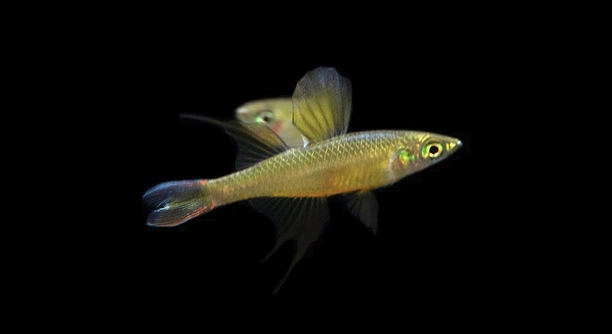
Threadfin Rainbowfish are delicate and colorful fish that thrive in calm, familiar surroundings. Moving them to a new tank can be stressful, and they often need a period of adjustment before settling comfortably into their new home.
Threadfin Rainbowfish require a gradual adaptation period after relocation due to environmental changes. Sudden changes in water parameters, temperature, or lighting can stress the fish, affecting their behavior, feeding, and overall health, making careful acclimation essential for their well-being.
Giving your fish time to adjust ensures they remain healthy and display their natural colors. Observing their behavior during this period is key to supporting their smooth transition.
Understanding Stress After a Move
When I first moved my Threadfin Rainbowfish, I noticed they hid more than usual. This is normal because sudden changes in surroundings can be overwhelming. Their small bodies are sensitive to shifts in water temperature, pH, and even lighting. Even minor changes can trigger stress responses, like sluggish swimming or hiding behind decorations. Stress weakens their immune system, making them more prone to illness. They may also stop eating for a few days, which can worry anyone caring for them. Patience is important during this period, as they slowly adapt to their new environment. Observing them without disturbing the tank helps them feel secure. Providing familiar plants or decorations can make the transition smoother. I found that keeping the water stable and avoiding sudden additions or changes made a noticeable difference. Over time, their colors returned to normal, and they became more active, signaling they were comfortable again.
Gradual acclimation helps prevent illness and keeps your Rainbowfish healthy after relocation.
Monitoring water quality daily supports their adjustment and long-term well-being. Keeping consistent temperature, pH, and light reduces unnecessary stress.
Creating a Comfortable Environment
Soft lighting and gentle filtration reduce stress for Threadfin Rainbowfish.
I realized that the environment I provided greatly influenced how quickly my fish adapted. They respond to calm conditions, hiding spots, and stable water parameters. Adding floating plants or smooth decorations gives them places to feel secure. It also reduces aggressive interactions if multiple fish are present. Avoid overfeeding, as leftover food can affect water quality, further stressing them. Regular, small water changes help maintain a healthy tank without shocking the fish. Watching their behavior daily allowed me to notice subtle changes, like returning curiosity or increased swimming, which indicated they were settling in. Keeping noise and vibrations low near the tank also made a difference. I learned that consistent routines, like feeding and light cycles, helped them establish comfort. In my experience, even small adjustments, such as slightly dimming the lights or adding a gentle current, encouraged them to explore their new surroundings more confidently. Over a few weeks, they became active, social, and displayed the bright colors that make them so captivating to observe.
Feeding Adjustments
Threadfin Rainbowfish may eat less right after a move. Small, frequent meals help them regain appetite. Avoid overfeeding because it can stress their digestive system and affect water quality.
I noticed that my Rainbowfish initially ignored their usual flakes. Switching to softer, live, or frozen foods encouraged them to eat again. They responded better to smaller portions given multiple times a day, rather than one large feeding. Patience is key, as forcing food can increase stress. Maintaining a calm environment during feeding also helped, letting them feel safe enough to explore the food. Over time, their normal appetite returned, showing they were adjusting successfully. Observing which foods they preferred gave me insights into their preferences and health, and it became easier to track their recovery from the move.
Consistency in feeding routines reassured my fish. Keeping food accessible, fresh, and appropriate for their size ensures they regain strength and color more quickly. Monitoring leftovers prevents water issues that could further disturb their adjustment period.
Water Quality Management
Stable water conditions are essential for reducing stress after relocation. Frequent testing prevents sudden changes that may harm Threadfin Rainbowfish.
After moving my Rainbowfish, I realized minor fluctuations in pH or temperature caused noticeable stress. Daily checks of temperature, pH, and ammonia levels helped me keep conditions consistent. Using a heater and filter suitable for their tank size prevented sharp changes, while partial water changes maintained cleanliness without shocking them. I also conditioned tap water to remove chlorine and harmful chemicals, which made a big difference in keeping them healthy. Over the first few weeks, careful monitoring allowed me to spot small issues before they became major problems, such as cloudy water or leftover food buildup. By maintaining stable water quality, I saw faster recovery, improved swimming behavior, and a return of their bright colors. This attention to detail made the adaptation period much smoother and safer for my Rainbowfish.
Observing Behavior Changes
After moving, my Rainbowfish hid more and swam less. This is normal stress behavior. Watching their activity closely helps identify when they are starting to adjust.
Noticing small improvements, like exploring corners or swimming near the surface, showed me they were gaining confidence. Patience and minimal interference made a big difference.
Adjusting Tank Mates
Introducing new tank mates too soon can increase stress. I waited until my Rainbowfish were active before adding others. Slow introductions prevented aggression and allowed them to establish comfort in their environment. Careful observation during these first interactions ensured safety and reduced tension.
Light and Temperature Control
Maintaining consistent lighting and temperature helped my fish adapt. Sudden changes can cause stress, so gradual adjustments were necessary.
FAQ
How long does it take for Threadfin Rainbowfish to adjust after a move?
From my experience, it usually takes about one to two weeks for them to settle. Some fish may take longer, especially if the water parameters differ from their previous tank. I noticed small changes each day, like venturing out from hiding and gradually resuming normal swimming patterns. Patience during this period is essential.
What signs show that my Rainbowfish is stressed?
Hiding constantly, reduced swimming, loss of appetite, and dull coloration are common stress indicators. I saw my fish stay behind decorations for hours initially. Rapid gill movement or erratic swimming can also indicate stress. Keeping the environment calm and observing these signs helps prevent more serious health issues.
Should I change their water immediately after moving them?
No. I learned that sudden water changes can increase stress. It’s better to gradually adjust water conditions using partial water changes over several days while keeping temperature and pH stable. Adding conditioned water slowly allows them to acclimate safely.
Can I feed them normally during this adjustment period?
Feeding smaller portions more frequently worked best for me. My Rainbowfish ignored their usual flakes at first, so switching to live or frozen foods encouraged eating. Overfeeding can cause water quality problems and additional stress, so monitoring their appetite carefully is important.
Is it necessary to isolate them after moving?
Not always, but I found it helpful for a few days if the tank has aggressive fish. Isolation reduces competition and gives the Rainbowfish a chance to acclimate at their own pace. Once they start swimming and eating normally, reintroducing them to the main tank worked smoothly.
How important is temperature control?
Very important. Threadfin Rainbowfish are sensitive to temperature fluctuations. I used a heater and monitored water daily to maintain a consistent range. Sudden changes can cause stress, reduce appetite, and increase susceptibility to illness. Gradual adjustments are safer if changes are needed.
Can lighting affect their adaptation?
Yes. Bright or fluctuating lighting made my fish hide more. Using soft, consistent light helped them explore the tank confidently. Adding floating plants or shaded areas provided them with safe spots and reduced anxiety during the initial days.
What role do decorations play?
Decorations provide hiding spots and help reduce stress. I added smooth rocks, plants, and small caves, which encouraged my Rainbowfish to explore gradually. Familiar structures from their previous tank can also make them feel more secure. Too few hiding places can slow their adjustment.
How do I know when they are fully settled?
They are fully settled when they swim actively, eat regularly, and display bright colors. I watched my Rainbowfish regain curiosity and interact more with tank mates. Once these behaviors appeared consistently over several days, I was confident they had adapted to their new environment.
Can poor water quality delay adaptation?
Absolutely. I learned that ammonia, nitrite, and nitrate spikes stressed my fish and slowed their adjustment. Regular testing and partial water changes maintained stable, clean water. Keeping filtration efficient and avoiding overfeeding helped my Rainbowfish regain health and confidence faster.
Should I worry about illness during the adjustment period?
Stress can make Rainbowfish more vulnerable to illness. I monitored for signs like white spots, frayed fins, or lethargy. Prompt attention to any symptoms, maintaining clean water, and avoiding unnecessary disturbances reduced risks and supported a smooth recovery.
Can tank mates influence their adjustment?
Yes. Peaceful, compatible tank mates help them feel secure. Aggressive or overly active fish prolonged stress in my experience. I introduced new fish only after my Rainbowfish became active and confident, which prevented fights and supported healthier social interactions.
Is patience really necessary?
Absolutely. I learned that rushing their adaptation caused more stress and slowed recovery. Observing them calmly, maintaining stable conditions, and avoiding sudden changes made the process much easier. Patience ensures their health, appetite, and natural colors return fully over time.
This FAQ reflects real experiences with Threadfin Rainbowfish and practical steps to help them adjust safely and comfortably after a move. Consistent care, observation, and a calm environment are the keys to a smooth transition.
Final Thoughts
Moving Threadfin Rainbowfish to a new tank is always a delicate process. These fish are sensitive to changes in water, temperature, and lighting, which can affect their behavior and overall health. During the first few days after a move, it is common to see them hide or swim less. This is a normal reaction to stress, and it does not mean something is wrong with them. Providing a calm, stable environment is the first step toward helping them adjust. I found that keeping water parameters consistent and avoiding sudden changes gave my Rainbowfish the time they needed to feel safe. Over time, small signs like exploring the tank or swimming closer to the surface indicate that they are becoming comfortable again. Watching these changes closely allowed me to respond to their needs, such as adjusting feeding routines or adding hiding spots.
Feeding is another important factor during the adjustment period. I noticed my Rainbowfish were not interested in their usual flakes at first. Offering smaller meals multiple times a day, and including live or frozen foods, encouraged them to eat and regain energy. Overfeeding can harm water quality, which adds stress, so careful monitoring is important. Observing how they eat and interact with their environment gave me a better understanding of their needs. Patience is key because forcing food or making rapid changes can worsen stress. Once they resumed normal feeding behavior, their energy levels and colors gradually returned, signaling that they were adapting successfully. Maintaining a consistent feeding schedule and keeping the tank clean made a noticeable difference in helping them recover quickly.
Lastly, the overall environment plays a big role in how quickly Rainbowfish adjust. Providing soft lighting, gentle filtration, and plenty of hiding spots can reduce anxiety and encourage exploration. Adding plants or decorations gave my fish areas to feel secure while slowly getting used to the new surroundings. Tank mates also influence their comfort level. Aggressive or active fish can prolong stress, so waiting until the Rainbowfish are confident before introducing others helped prevent conflicts. Regular observation and careful attention to water quality, feeding, and behavior allowed me to support their adaptation without causing extra stress. In my experience, patience and consistency were the most effective tools. Over time, the Rainbowfish became active, displayed bright colors, and settled into their new home comfortably, proving that giving them time and care is essential for their long-term health and happiness.

Hello,
If you enjoy the content that we create, please consider saying a "Thank You!" by leaving a tip.
Every little bit helps us continue crafting quality advice that supports the health, happiness, and well-being of pets around the world, for pets of all shapes, sizes, and species.
We really appreciate the kindness and support that you show us!