
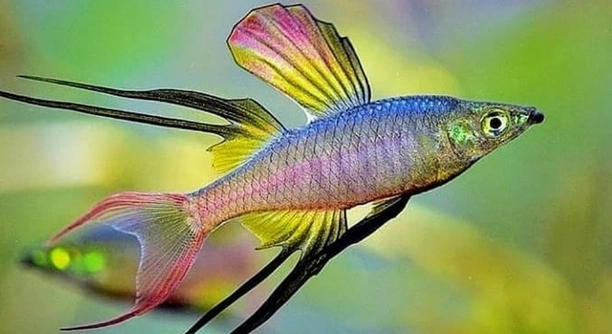
Is your Threadfin tank often filled with tension, leaving your fish restless instead of calm and content in their aquatic home?
The most effective way to make your Threadfin tank more peaceful is by maintaining balanced tank conditions, providing enough space, and carefully selecting compatible tank mates. These steps help reduce aggression and promote harmonious behavior among the fish.
Creating a calm environment not only improves your Threadfin’s well-being but also enhances the overall beauty and serenity of your aquarium.
Maintain Proper Water Conditions
Clean, stable water is the foundation of a peaceful Threadfin tank. Poor water quality often causes stress, leading to aggression or illness. Keep your tank parameters within the ideal range—temperature between 75–82°F, pH around 6.5–7.5, and ammonia and nitrite levels at zero. Regular water testing ensures your fish live in a balanced environment. Perform partial water changes weekly to prevent harmful waste buildup. A good filtration system keeps the water clear and oxygenated, which helps maintain your fish’s comfort. Consistency is key, as sudden changes in water conditions can cause anxiety and erratic behavior among Threadfins.
A clean, stable tank creates a soothing environment where your Threadfins can thrive. Balanced water conditions help them feel secure and behave more naturally, reducing unwanted stress and aggressive interactions.
By keeping the water consistent and clean, you not only support your Threadfin’s physical health but also nurture their emotional balance. Fish, much like any other pet, respond positively to stability and care. Frequent monitoring allows you to spot any imbalances early and act quickly. Using high-quality water conditioners and maintaining a steady cleaning schedule helps preserve harmony in the tank. Over time, you’ll notice calmer swimming patterns and improved color vibrancy, both signs of a peaceful aquarium.
Choose Compatible Tank Mates
Threadfins are generally gentle, but the wrong companions can cause unnecessary tension. Avoid pairing them with overly active or territorial fish, as this can lead to stress. Peaceful, similar-sized species make better companions for them.
When selecting tank mates, focus on fish that share similar temperaments and environmental needs. Good choices include rasboras, guppies, or small rainbowfish, which coexist without competition. Avoid fin-nippers or aggressive species that may chase or harass your Threadfins. Keeping them in small, calm groups promotes security and natural schooling behavior. Additionally, provide plenty of plants, driftwood, and hiding spots to give each fish space to retreat when needed. This reduces conflict and mimics their natural habitat. By creating a balanced mix of peaceful species, you encourage cooperative behavior and ensure all fish can coexist comfortably, transforming your tank into a serene aquatic community.
Provide Enough Space
Overcrowding increases stress and aggression among Threadfins. Each fish needs enough room to swim freely without feeling threatened. A larger tank with proper swimming areas reduces competition for space and creates a calmer, more natural environment.
A 30-gallon tank or larger works best for a small Threadfin group. Spacious tanks allow stable water conditions and minimize territorial behavior. Threadfins appreciate open areas for swimming, so avoid excessive decorations that limit movement. Instead, use plants along the edges to maintain both beauty and functionality. Space promotes healthy interaction and prevents dominant fish from intimidating others. With enough room, your Threadfins will display smoother movements and better coloration, reflecting their comfort and well-being.
Providing sufficient space helps balance social dynamics and enhances oxygen flow in the tank. Overcrowded conditions lead to wasted energy from constant evasion or aggression. By maintaining adequate spacing, each fish can establish its area and swim confidently. This balance fosters a relaxed and peaceful tank atmosphere.
Create Hiding and Resting Spots
Threadfins need safe spaces to rest and hide when they feel overwhelmed. Adding natural elements such as plants, caves, and driftwood provides a sense of security. These shelters help reduce stress and prevent constant exposure to tank activity.
When designing hiding spots, focus on balance—enough coverage without restricting swimming areas. Live plants like Java fern or Anubias offer shelter while improving water quality. Rocks and driftwood pieces create shaded areas where fish can retreat. Threadfins appreciate gentle lighting, so avoid overly bright setups that increase stress. Having these calm zones encourages natural behaviors like resting or exploring at their own pace. A thoughtfully arranged tank supports their need for both comfort and movement, leading to happier, healthier fish.
Maintain a Consistent Feeding Schedule
Feeding at regular times helps keep your Threadfins calm and reduces aggressive competition for food. Consistency teaches them when to expect meals, creating a predictable routine that lowers stress and prevents dominant fish from hoarding food.
Offer small, balanced portions to ensure all fish get enough nutrition. Overfeeding can cloud the water, while underfeeding causes tension and anxiety. Floating pellets or slow-sinking flakes work well for Threadfins, as they prefer mid-level feeding. Routine feeding maintains tank harmony and supports steady growth.
Monitor Behavior Regularly
Watching your Threadfins daily helps you spot early signs of stress or aggression. Changes in swimming patterns, faded color, or hiding more than usual may indicate discomfort. Early attention prevents issues from worsening and keeps the tank balanced.
Avoid Sudden Environmental Changes
Sudden temperature shifts, loud noises, or lighting changes can frighten Threadfins. Gradual adjustments help them adapt calmly to new conditions. Stability keeps them relaxed, encouraging smooth interactions and peaceful swimming within their familiar surroundings.
FAQ
How often should I change the water in my Threadfin tank?
Regular water changes are crucial for a peaceful tank. Perform partial water changes of 20–30% every week to keep ammonia and nitrite levels at zero. This routine removes excess waste and maintains stable water conditions, which reduces stress and aggressive behavior among Threadfins.
What is the ideal number of Threadfins per tank?
Threadfins are schooling fish and feel more secure in groups. A minimum of six fish is recommended to promote natural behavior. Overcrowding, however, leads to stress and territorial disputes. A larger tank with enough space allows them to swim freely and maintain a calm social structure.
Can I mix Threadfins with other fish species?
Yes, but choose peaceful species that share similar water parameters. Small rasboras, guppies, or rainbowfish are good options. Avoid aggressive or fin-nipping fish that may stress or injure Threadfins. Providing hiding spots helps all species coexist more comfortably in the same environment.
What type of food is best for Threadfins?
Threadfins thrive on a varied diet. High-quality flakes or pellets supplemented with live or frozen foods like brine shrimp or daphnia help maintain vibrant colors and overall health. Feeding smaller portions multiple times a day prevents overeating and keeps the tank cleaner.
How do I reduce aggression in my tank?
Aggression often arises from stress, overcrowding, or poor tank conditions. Provide enough swimming space, stable water conditions, hiding areas, and compatible tank mates. Maintaining a consistent feeding schedule and observing behavior regularly also helps prevent conflicts and ensures a peaceful community.
What are common signs of stress in Threadfins?
Look for faded colors, erratic swimming, hiding, or refusal to eat. Stress may result from poor water quality, aggressive tank mates, or sudden environmental changes. Identifying and addressing the cause promptly can restore calm and maintain the health of your fish.
How can I create hiding spots without overcrowding the tank?
Use natural decorations like driftwood, rocks, or live plants along the tank edges. This allows open swimming areas while providing shaded retreats. Balance is key—enough cover to feel secure, but not so much that movement is restricted or water circulation is impaired.
Is lighting important for Threadfin behavior?
Yes, consistent and gentle lighting helps reduce stress. Bright, sudden lights can startle Threadfins, causing erratic movement or hiding. A timer for gradual day-night cycles supports natural rhythms, encouraging peaceful swimming patterns and healthier interactions among all fish in the tank.
How do I introduce new fish to my Threadfin tank?
Quarantine new fish for at least two weeks to prevent disease spread. Introduce them slowly, preferably during feeding time, so aggression is minimized. Observe interactions closely and ensure enough hiding spots exist. Gradual introduction helps maintain harmony and allows Threadfins to adjust to newcomers.
Can Threadfins live in a small tank?
Smaller tanks increase stress and aggressive behavior. Threadfins need space to swim freely and establish social structure. A minimum 30-gallon tank is recommended for small groups. Providing open areas and hiding spots in a larger tank ensures both physical and emotional well-being.
What temperature is ideal for a Threadfin tank?
Maintain water between 75–82°F. Sudden fluctuations can cause stress, reduce immunity, and trigger aggression. A stable heater and thermometer help maintain this range. Consistency in temperature promotes peaceful behavior and supports overall health and growth of Threadfins.
How do I prevent bullying among Threadfins?
Provide adequate space, hiding areas, and compatible tank mates. Observe behavior daily and separate aggressive fish if needed. Balanced feeding and stable water conditions also help minimize competition. Reducing stress in the environment is the most effective way to prevent bullying and maintain a peaceful tank.
Is plant coverage necessary for Threadfin tanks?
Yes, plants offer both aesthetic and functional benefits. They provide shelter, reduce stress, and improve water quality by absorbing nitrates. Using plants along the edges creates open swimming areas while giving fish safe retreats, fostering a calmer, more balanced aquatic environment.
How often should I test water parameters?
Test water at least once a week for pH, ammonia, nitrite, and nitrate levels. Frequent monitoring ensures early detection of imbalances. Consistent testing and adjustments help maintain stable conditions, reducing stress and supporting peaceful behavior among your Threadfins.
What is the best way to arrange decorations in the tank?
Place plants, driftwood, and rocks along the sides and corners, leaving open swimming space in the center. Create multiple hiding spots without crowding the tank. Thoughtful arrangement reduces stress, encourages natural movement, and helps all fish coexist peacefully.
Can Threadfins tolerate slightly different pH levels?
Threadfins are adaptable within a range of 6.5–7.5. Avoid sudden shifts, as abrupt changes cause stress and aggressive behavior. Gradual adjustments allow fish to acclimate safely. Maintaining stable pH levels contributes to a calm, balanced tank environment.
How do I deal with an aggressive Threadfin?
Separate the aggressive fish temporarily to reduce conflict. Ensure the tank has enough space, hiding spots, and balanced feeding. Observing behavior and gradually reintroducing the fish can restore harmony. Preventing overcrowding and maintaining stable conditions are key long-term solutions.
What is the ideal group size for reducing stress?
A group of six or more Threadfins encourages schooling behavior and security. Too few fish may feel vulnerable, while overcrowding triggers aggression. Proper group size in an appropriately sized tank supports peaceful social interactions and natural movement patterns.
How important is tank maintenance for peaceful behavior?
Regular cleaning, water changes, and monitoring are crucial. Clean, stable tanks reduce stress, prevent disease, and minimize aggression. Neglecting maintenance can quickly disrupt harmony. Consistent care ensures your Threadfins remain healthy, calm, and comfortable in their aquatic environment.
Can feeding live food improve behavior?
Yes, live food stimulates natural foraging and keeps Threadfins engaged. It encourages active, healthy swimming and reduces boredom-related aggression. Incorporate live or frozen foods like brine shrimp or daphnia alongside flakes or pellets for a balanced diet that supports both nutrition and peaceful behavior.
Final Thoughts
Maintaining a peaceful Threadfin tank requires attention to several key factors that directly impact their well-being. Water quality is one of the most important elements, as unstable or dirty water can quickly lead to stress, aggression, and disease. Regular water testing, partial water changes, and proper filtration are essential for creating a stable and healthy environment. Threadfins respond positively to clean, oxygenated water, which allows them to swim freely and behave naturally. By monitoring these parameters consistently, you ensure that the fish remain comfortable and their interactions stay calm. Maintaining consistent temperature and pH levels is also critical, as sudden changes can startle fish and trigger unwanted aggressive behavior.
Another major consideration is tank space and arrangement. Threadfins are schooling fish that need enough room to swim without feeling crowded. Overcrowding can increase stress, encourage territorial disputes, and make even compatible tank mates behave aggressively. Providing open swimming areas along with strategically placed hiding spots like driftwood, rocks, and live plants gives fish a sense of security. Hiding areas allow shy or stressed fish to retreat when needed, reducing tension in the tank. Additionally, compatible tank mates help maintain harmony. Peaceful species that share similar water requirements create a balanced community, while aggressive or overly active species can disrupt the environment. Observing fish behavior regularly and adjusting the tank setup when necessary can prevent problems before they escalate.
Feeding routines also play an important role in keeping Threadfins calm. A consistent feeding schedule ensures that all fish receive adequate nutrition without competition or stress. Small, balanced portions spread across the day are more effective than one large feeding, and offering a variety of foods, including flakes, pellets, and occasional live or frozen options, supports both health and natural foraging behavior. By combining proper water care, adequate space, thoughtful tank arrangements, compatible companions, and consistent feeding practices, you can create a peaceful and thriving Threadfin tank. With careful attention to these factors, your fish will display natural, relaxed behavior, vibrant colors, and overall better health, making the aquarium a serene and enjoyable space for both the fish and the owner.

Hello,
If you enjoy the content that we create, please consider saying a "Thank You!" by leaving a tip.
Every little bit helps us continue crafting quality advice that supports the health, happiness, and well-being of pets around the world, for pets of all shapes, sizes, and species.
We really appreciate the kindness and support that you show us!