
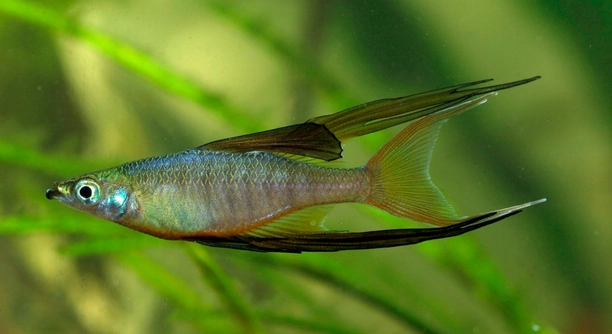
Do you ever notice your Threadfin Rainbowfish swimming cautiously around the tank? Observing their behavior can reveal a lot about their comfort and environment. Understanding their reactions to filters is important for creating a safe aquarium.
Threadfin Rainbowfish can feel safe around properly adjusted filters. Excessive flow or strong currents can cause stress, but moderate filtration provides oxygenation and maintains water quality, which supports their well-being and reduces potential anxiety or harmful behaviors.
Ensuring your fish are comfortable goes beyond filtration alone. Small adjustments in tank setup can improve their daily life and promote healthier, more active behavior.
Understanding Threadfin Rainbowfish Behavior Around Filters
Threadfin Rainbowfish are naturally active swimmers, and their reactions to filters can vary based on tank setup and flow intensity. Observing them closely helps you gauge comfort levels. When placed near strong currents, these fish may appear nervous, darting quickly or hiding behind plants. Moderate water movement encourages exercise without causing stress. Proper placement of the filter outlet ensures the water circulates evenly, reducing turbulence in areas where fish frequently swim. Decorations, plants, and hiding spots also contribute to a sense of safety. Over time, these fish tend to acclimate to a consistent, gentle flow, demonstrating normal schooling behavior. Understanding their tolerance levels allows you to make small adjustments, ensuring they remain active and healthy. A well-balanced environment with stable water parameters, sufficient oxygen, and safe flow patterns helps Threadfin Rainbowfish thrive. Regular monitoring of behavior, combined with minor adjustments, promotes long-term comfort and reduces anxiety in the tank.
Proper filter positioning is key to maintaining calm behavior in Threadfin Rainbowfish.
Careful observation reveals when adjustments are needed. Even small changes in outlet direction or flow rate can significantly improve comfort. Proper monitoring prevents stress and promotes natural activity patterns.
Choosing the Right Filter for Safety
Not all filters are suitable for Threadfin Rainbowfish. Low to moderate flow filters work best, preventing overwhelming currents that can tire or frighten them. Sponge filters are particularly gentle and provide sufficient aeration without creating intense water movement. Canister filters can be used if the outlet is diffused or redirected to reduce force. Understanding the fish’s swimming strength and tank size helps determine the proper filter type. Combining filter choice with tank decorations, such as plants or rocks, allows fish to navigate freely while avoiding strong currents. Regular maintenance of the filter ensures water remains clean, supporting overall health and reducing stress-related illnesses. Avoid positioning filters directly where fish spend most of their time; instead, create gentle circulation patterns throughout the tank. Observing reactions over time allows for incremental adjustments, balancing filtration needs with behavioral comfort. By carefully matching the filter to the tank’s inhabitants, Threadfin Rainbowfish can feel secure and swim naturally.
Adjusting Filter Flow for Comfort
Threadfin Rainbowfish respond best to gentle, consistent water flow. Sudden strong currents can cause stress, so adjusting flow is essential for their well-being.
Flow adjustments are simple but crucial. Many filters come with flow control features or diffusers that can reduce intensity. Placing plants or decorations near the outlet helps break strong currents, allowing fish to swim comfortably. Observing their behavior after changes ensures the flow is neither too weak nor too strong. Gradually acclimating them to slightly higher flows can improve exercise without causing fear. A balanced approach keeps the fish active, healthy, and stress-free.
Maintaining a stable flow also supports water circulation and oxygen distribution throughout the tank. Uneven currents can trap debris and create dead zones, which may negatively affect water quality. Consistent flow reduces these issues while keeping fish confident and safe in their environment. With careful observation and adjustment, Threadfin Rainbowfish adapt well to moderate flow conditions.
Signs Your Fish Are Comfortable
Relaxed swimming patterns and schooling together indicate comfort around the filter. Stressful behavior includes hiding or frantic movements.
Monitoring behavior is key to ensuring safety. Healthy fish explore the tank, interact with others, and respond calmly to filter operation. Changes in appetite, coloration, or swimming patterns often signal stress from flow or environmental factors. By regularly observing your Threadfin Rainbowfish, you can make small adjustments to the filter or tank setup before stress escalates. Maintaining consistent water conditions, proper flow, and adequate hiding spaces promotes a secure environment. Comfort signs also include resting near the middle or top of the tank without darting.
Behavioral cues provide critical information for fish welfare. Calm schooling, steady movement, and consistent feeding patterns show that the fish have adapted well to the filter’s flow. Over time, observing these signs helps predict when adjustments may be needed, preventing long-term stress or injury. Combining visual monitoring with water parameter checks ensures the environment remains stable and supportive. Adjusting flow gradually and strategically allows the fish to feel secure while still benefiting from proper filtration and oxygenation. This approach fosters confidence and promotes natural behavior, enhancing overall health and activity in the aquarium.
Minimizing Stress Around Filters
Strong currents can make Threadfin Rainbowfish nervous. Reducing flow near resting areas helps them feel secure and encourages natural swimming.
Providing hiding spots or plants near the filter outlet further decreases stress. Fish can retreat when they need calm, creating a balanced environment that supports health and comfort.
Proper Tank Layout
Placing decorations strategically helps break water flow while creating open swimming spaces. Floating plants, rocks, and driftwood can redirect currents, giving fish safe zones. This layout balances exercise and security, allowing Threadfin Rainbowfish to interact naturally while avoiding areas of strong turbulence. Maintaining open swimming areas ensures activity levels remain high.
Monitoring Fish Reactions
Observe their daily behavior closely. Changes in movement, schooling patterns, or hiding frequency indicate whether the filter setup suits them. Regular checks allow timely adjustments, ensuring comfort and maintaining a stable, stress-free environment in the tank.
FAQ
Can Threadfin Rainbowfish handle strong filter currents?
Threadfin Rainbowfish generally prefer gentle to moderate water flow. Strong currents can stress them, causing erratic swimming or hiding. Adjusting the filter output or using a flow diffuser helps maintain comfort while keeping water properly circulated. Observation is key to finding the right balance.
How can I tell if my fish are stressed by the filter?
Stress signs include hiding frequently, rapid or erratic swimming, loss of appetite, and dull coloration. Schooling behavior may also break down if fish feel unsafe. Regular observation helps identify these signs early, allowing adjustments to filter placement or flow rate.
Are sponge filters safe for Threadfin Rainbowfish?
Yes, sponge filters are highly recommended for Threadfin Rainbowfish. They provide gentle water movement and adequate aeration without creating strong currents. They also trap debris efficiently while remaining safe for small or delicate fish, reducing the risk of injury.
Can I use a canister filter in a small tank?
Canister filters are suitable if their flow is diffused. Direct strong flow can overwhelm the fish. Using output deflectors or positioning the outlet away from open swimming areas allows safe water movement while maintaining filtration and oxygen levels.
Do plants help Threadfin Rainbowfish feel safe around filters?
Yes, plants and other decorations act as natural barriers that break strong currents. They provide hiding spots and resting areas, giving fish control over their environment and reducing stress. Both floating and rooted plants are effective, depending on tank layout.
How long does it take for fish to get used to a new filter?
Acclimation depends on the fish and flow strength. Most Threadfin Rainbowfish adjust within a few days to a week if the flow is moderate and stable. Gradually increasing flow after initial introduction helps them adapt safely.
Should I turn off the filter at night?
It’s generally not recommended. Filters maintain oxygenation and water quality continuously. Sudden stops can disrupt the environment and stress fish. If flow is too strong, using a flow adjuster or partially redirecting output is safer than turning off the filter completely.
Can overcrowding increase stress around filters?
Yes. Overcrowding intensifies competition for calm areas and can amplify stress from strong currents. Ensuring appropriate stocking density allows fish to utilize safe zones and maintain natural schooling behavior without excessive pressure from neighbors.
Is water quality more important than filter type?
Both are important, but stable water quality is essential for fish health. Even a gentle filter cannot compensate for poor water conditions. Regular water changes, monitoring parameters, and proper filtration work together to keep Threadfin Rainbowfish safe and comfortable.
What’s the best way to gradually adjust filter flow?
Start with the lowest setting and observe fish behavior. Increase flow slowly over several days, checking for stress signs. Using diffusers, decorations, or redirecting outlets can help maintain gentle currents while ensuring proper water movement. Gradual changes allow fish to acclimate without anxiety.
Can stress from filters affect breeding?
Yes, stressed Threadfin Rainbowfish are less likely to spawn or may abandon eggs. Providing gentle flow, hiding spots, and stable water conditions improves comfort and encourages natural breeding behavior. Minimizing sudden changes in the environment is essential for reproductive success.
Are there any filters that should be avoided?
Filters with excessively strong output or unadjustable flow should be avoided. High-pressure filters can cause constant stress, inhibit normal swimming, and damage fins. Choosing equipment suitable for small to medium community tanks ensures safety and reduces anxiety in Threadfin Rainbowfish.
How do I know the right filter size for my tank?
Filter size should match the tank volume while considering flow rate. Overpowered filters create strong currents, while undersized filters may compromise water quality. Choose filters rated for slightly more than the tank volume but ensure flow is adjustable to maintain a calm environment.
Can I combine multiple filters safely?
Yes, combining a sponge filter with a gentle hang-on-back or canister filter can balance water movement and quality. Position them to prevent overlapping strong currents and create areas of calm water, allowing Threadfin Rainbowfish to swim freely and feel secure.
What maintenance keeps fish comfortable around filters?
Regular cleaning prevents clogs, maintains flow, and keeps water quality high. Checking tubing, sponges, and outlets ensures consistent gentle currents. Proper maintenance reduces sudden disruptions that can stress fish, keeping the aquarium environment stable and safe for Threadfin Rainbowfish.
How do I balance aeration and gentle flow?
Diffusers, air stones, and strategically placed outlets can provide oxygenation without creating strong currents. Observing swimming behavior ensures fish are not battling the flow while still benefiting from sufficient oxygen and filtration. Adjustments can be made incrementally to maintain comfort.
Can filter vibrations bother Threadfin Rainbowfish?
Yes, some fish are sensitive to mechanical vibrations. Placing the filter on a stable surface, using padding, or adjusting flow direction can reduce vibrations transmitted through the tank. Minimizing constant noise and movement improves fish comfort and reduces stress-related behaviors.
Are there alternative filtration methods for sensitive fish?
Sponge filters, internal filters with adjustable output, and low-flow hang-on-back filters are ideal for sensitive species. These options provide water quality management without creating strong currents, allowing Threadfin Rainbowfish to maintain natural behavior and feel safe in their environment.
How often should I check fish behavior near filters?
Daily observation is recommended. Watching interactions with the filter helps identify stress early, allowing prompt adjustments. Noting changes in swimming, schooling, or hiding behavior ensures the tank remains a safe and comfortable habitat for Threadfin Rainbowfish.
Does tank size influence how fish react to filters?
Yes, smaller tanks can amplify flow effects, making strong currents more stressful. Proper filter selection, flow adjustment, and decorations are more critical in compact spaces. Larger tanks distribute flow more evenly, but placement and hiding areas remain important for fish comfort.
What are the long-term effects of constant stress from filters?
Chronic stress can weaken the immune system, reduce lifespan, and increase susceptibility to disease. Fish may develop erratic behavior, poor coloration, and loss of appetite. Preventing stress with proper filtration, tank layout, and observation is essential for long-term health.
How do I gradually introduce a new filter to avoid stress?
Start with minimal flow and position the outlet away from main swimming areas. Observe behavior for several hours to a day, then gradually increase flow while monitoring reactions. Adding plants or decorations helps fish adjust comfortably to the new water movement.
Can juvenile Threadfin Rainbowfish handle the same flow as adults?
Juveniles are more sensitive to strong currents than adults. They require slower, gentler flow until they grow stronger swimmers. Using adjustable filters or additional decorations to break flow ensures young fish remain safe while benefiting from proper aeration and water quality.
Is filter noise a sign of danger for fish?
Not necessarily, but excessive vibration or noise can cause stress. Threadfin Rainbowfish rely on calm environments, so minimizing loud mechanical sounds and maintaining smooth operation improves comfort and reduces anxiety in the tank.
Can temporary flow changes, like cleaning, affect behavior?
Yes, sudden changes can startle fish and increase stress. During maintenance, it’s best to maintain gentle circulation or partially redirect flow to prevent panic. Returning to normal flow gradually helps fish readjust without long-term stress effects.
Are Threadfin Rainbowfish more sensitive than other species?
They are moderately sensitive to strong currents compared to robust, fast-swimming fish. Their schooling nature and delicate fins make gentle flow and safe tank layout essential. Proper adjustments allow them to swim naturally without unnecessary stress.
How do I know when a filter is too strong?
Fish struggling to swim, constantly hiding, or clustering away from the outlet indicate excessive flow. Observing these behaviors and adjusting the filter output or using flow-reducing strategies ensures comfort and prevents long-term stress or injury.
Can multiple hiding spots reduce filter-related stress?
Yes, multiple hiding spots allow fish to control their environment and avoid high-flow areas. Rocks, plants, and driftwood placed near outlets provide safe zones and encourage natural behaviors, promoting well-being in a tank with active filtration.
Does water temperature affect how fish respond to filters?
Yes, higher temperatures can increase swimming activity, making strong currents more stressful. Maintaining stable, appropriate temperatures helps Threadfin Rainbowfish handle moderate flow comfortably while reducing overall stress in the tank environment.
Is it necessary to test different filter types?
Testing can help determine what works best for your specific tank setup. Observing fish behavior with different filters allows you to find the right balance between water quality, oxygenation, and comfort, ensuring long-term safety.
How does schooling behavior relate to filter comfort?
Calm, coordinated schooling indicates comfort around the filter. Disrupted schooling or scattered swimming suggests the flow is too strong. Observing this behavior is a reliable way to gauge whether adjustments are needed for optimal well-being.
Can adjusting water intake placement help fish feel safe?
Yes, positioning intakes away from main swimming areas prevents fish from being sucked toward strong currents. Proper placement reduces stress while maintaining effective filtration, allowing Threadfin Rainbowfish to explore freely and feel secure in the tank.
What role do substrate and tank size play in flow comfort?
Substrate can slow water movement near the bottom, providing calmer zones. Larger tanks distribute flow more evenly, while smaller tanks may need additional decorations or flow reducers. Both factors help maintain a balanced, stress-free environment.
Should I observe fish during feeding to assess filter impact?
Yes, feeding time is a good indicator. Fish that avoid areas near the filter or show anxiety during feeding may be stressed by currents. Adjusting flow and layout ensures they can feed comfortably while maintaining proper filtration.
Can stress from filters affect fish coloration?
Yes, stressed Threadfin Rainbowfish often lose vibrancy. Dull or faded coloration can indicate chronic anxiety or poor adjustment to tank conditions. Proper flow, hiding spots, and stable water quality help maintain bright, healthy colors over time.
How often should I re-evaluate filter setup?
Regularly, especially after adding fish, decorations, or changing tank parameters. Observing behavior, water flow, and comfort ensures the environment remains optimal and prevents stress before it affects health or behavior.
Are certain personalities of fish more sensitive to filters?
Yes, shy or less active individuals are often more affected by strong flow. Providing calm zones, gentle currents, and hiding spots allows these fish to coexist safely with more active tankmates while maintaining overall well-being.
Can excessive bubbles from a filter cause stress?
Yes, strong air bubbles or turbulent surfaces can startle fish. Minimizing bubble output near swimming areas or using diffusers helps create a calm environment, reducing stress while keeping oxygen levels adequate.
How does filter height above water affect fish comfort?
Filter placement above water can increase flow velocity and splashing. Adjusting height or using a deflector reduces turbulence and ensures Threadfin Rainbowfish experience gentle currents that promote natural swimming behavior.
Is gradual acclimation more important than filter type?
Yes, even the best filter can cause stress if introduced suddenly. Gradual acclimation allows fish to adapt to flow patterns, outlet placement, and water movement, ensuring comfort and long-term well-being in the tank.
Can I combine hiding spots with flow adjustments for maximum comfort?
Yes, using plants, rocks, and decorations near the filter outlet, combined with reduced flow, provides safe zones. This dual approach supports natural swimming behavior, minimizes stress, and allows Threadfin Rainbowfish to thrive in a well-maintained aquarium.
How do I know if my adjustments are working?
Improved swimming behavior, stable schooling, active feeding, and vibrant coloration indicate that adjustments are effective. Regular observation ensures ongoing comfort and allows incremental changes to maintain an optimal environment.
Can filter-induced stress cause illness?
Chronic stress lowers immunity, making fish more susceptible to infections and fin damage. Maintaining gentle flow, stable water conditions, and hiding spots reduces the risk and promotes long-term health for Threadfin Rainbowfish.
Are external filter attachments safer than internal ones?
Not necessarily; safety depends on flow strength and placement. Both internal and external filters can be safe if output is gentle, properly directed, and supplemented with decorations or flow-reducing devices to prevent stress.
Does filter brand affect fish comfort?
Brand matters less than flow control and design. Adjustable filters that allow gradual flow, diffused outlets, and stable operation are most effective at keeping Threadfin Rainbowfish safe and stress-free, regardless of brand.
Should I adjust the filter differently for breeding tanks?
Yes, breeding tanks benefit from gentler flow to protect eggs and fry. Diffusers, sponge filters, or reduced output help create a calm environment, allowing natural breeding behavior while maintaining clean, oxygenated water.
Can sudden filter failure cause panic in fish?
Yes, sudden stoppage or restart can startle fish. Gradual changes, backup systems, or temporary aeration help prevent panic and maintain comfort until filtration is restored, minimizing stress in the tank environment.
Is filter maintenance more important for sensitive species?
Yes, regular maintenance prevents clogs, uneven flow, or sudden spikes in current, all of which can stress sensitive fish like Threadfin Rainbowfish. Keeping the filter clean ensures steady, gentle operation and supports long-term health.
Do decorations alone reduce stress, or is flow adjustment necessary too?
Both are necessary. Decorations break currents and provide hiding spots, but flow adjustment ensures water movement is gentle. Together, they create a secure, balanced environment that promotes natural behavior and reduces chronic stress.
How do I maintain oxygen levels while keeping flow gentle?
Using diffusers, air stones, or sponge filters provides adequate oxygenation without creating strong currents. Observing fish ensures they are comfortable and not forced to fight water movement while benefiting from proper aeration and filtration.
Can filter placement affect interactions between fish?
Yes, strong currents in central areas can scatter fish and disrupt schooling. Placing outlets near the tank edge or using diffusers maintains calm areas, allowing fish to swim and interact naturally without stress.
Are older fish more tolerant of filter flow?
Generally, older, stronger swimmers handle moderate currents better than juveniles. However, extreme flow can still cause stress, so careful adjustment and observation remain important for all ages.
Is there a risk of filter intake harming small fish?
Yes, unprotected intakes can suck in smaller fish or fry. Using sponge covers or intake guards prevents injury while maintaining filtration efficiency, keeping Threadfin Rainbowfish safe.
Can seasonal changes affect filter comfort?
Yes, temperature fluctuations and altered activity levels may change how fish react to flow. Monitoring behavior and adjusting flow or hiding spots ensures consistent comfort year-round.
Are filter warranties important for sensitive fish setups?
Yes, reliable operation prevents sudden malfunctions that could stress fish. Choosing a durable filter with a warranty ensures long-term stable performance, reducing risk in sensitive setups.
How does lighting interact with filter stress?
Bright lights combined with strong flow can exacerbate stress. Positioning lights and outlets strategically ensures a calm environment, allowing fish to swim naturally without anxiety from combined stimuli.
Can adding new fish require filter adjustments?
Yes, new fish may react differently to currents. Observing their behavior and modifying flow or hiding spots ensures all tank inhabitants remain comfortable and stress-free.
Are Threadfin Rainbowfish particularly sensitive to rapid water changes?
Yes, they respond poorly to sudden changes. Gentle filtration and slow acclimation to water adjustments reduce stress and help maintain normal behavior in the tank.
Can filter noise affect sleeping patterns?
Yes, constant mechanical noise may disturb rest. Positioning filters on stable surfaces, using padding, or adjusting flow helps fish maintain normal day-night behavior without interruption.
Is there a way to simulate natural currents safely?
Yes, using gentle flow combined with decorations creates varied movement that mimics natural habitats. This encourages exercise while keeping Threadfin Rainbowfish safe and comfortable.
Do fish react differently to vertical versus horizontal flow?
Yes, strong vertical currents may tire fish more than horizontal ones. Adjusting flow direction using deflectors or plants provides calmer swimming paths while maintaining adequate water movement and oxygenation.
Can combining multiple filtration types improve comfort?
Yes, combining sponge and gentle hang-on-back filters balances water quality, flow, and aeration. Proper positioning ensures fish have calm areas while benefiting from effective filtration, supporting health and natural behavior.
How do I know when it’s time to upgrade my filter?
Signs include inconsistent flow, frequent clogs, or stress-related behavior in fish. Upgrading ensures gentle, reliable operation, maintaining water quality and a safe, comfortable environment for Threadfin Rainbowfish.
Are Threadfin Rainbowfish more sensitive to flow than other rainbowfish species?
Yes, they prefer gentler currents compared to some robust rainbowfish. Careful flow adjustment, combined with hiding spots and observation, ensures comfort and supports normal swimming and schooling behavior.
Can small changes in tank decor affect filter comfort?
Yes, even minor rearrangements can alter current patterns. Observing fish after any change helps ensure safe flow and stress-free swimming, keeping Threadfin Rainbowfish comfortable and confident in their environment.
Is it safe to use powerheads with Threadfin Rainbowfish?
Only if flow is very low and diffused. Powerheads often create strong currents that can overwhelm delicate fish. Using deflectors or gentle output adjustments is necessary to maintain safe swimming conditions.
How often should I adjust filter flow for growth stages?
Juveniles need gentler flow than adults. Gradually increasing flow as they grow supports exercise without causing stress. Observing behavior ensures adjustments match their swimming strength at each stage.
Can filter vibrations influence breeding success?
Yes, vibrations may discourage spawning or egg care. Ensuring stable placement, reduced turbulence, and calm zones supports natural reproductive behavior while maintaining proper filtration.
Are DIY filters safe for sensitive species?
DIY filters can work if flow is gentle and consistent. Careful design to prevent strong currents, sudden surges, or mechanical hazards ensures Threadfin Rainbowfish remain safe and comfortable.
Does substrate type interact with filter flow?
Yes, fine sand or gravel slows water near the bottom, creating calmer zones. Combining substrate choice with flow management provides areas of comfort while maintaining overall tank circulation and oxygenation.
Can seasonal maintenance routines reduce stress?
Yes, planning filter cleaning and water changes gradually minimizes sudden disturbances. Maintaining gentle flow and stable conditions prevents unnecessary stress during routine care.
How do I know if schooling behavior is improving?
If fish swim in coordinated groups near the middle or top of the tank without avoiding the filter, it indicates comfort. Observing over several days ensures consistency and validates adjustments.
Are fish more sensitive to flow after illness?
Yes, recovering fish are weaker and more stressed. Maintaining gentle flow and safe zones during recovery helps them regain strength while avoiding additional anxiety.
Can multiple small filters be better than one large filter?
Yes, several small filters with gentle flow can create even circulation without strong currents. This approach reduces stress while maintaining water quality and oxygenation for Threadfin Rainbowfish.
Do Threadfin Rainbowfish prefer horizontal or vertical hiding spots?
Final Thoughts
Threadfin Rainbowfish are active, delicate fish that thrive best in tanks where flow and environment are carefully managed. Their reaction to filters depends largely on the strength and direction of the water flow, as well as the presence of hiding spots. Gentle, consistent currents allow them to swim naturally without causing stress, while overly strong currents can lead to erratic behavior, hiding, or loss of appetite. Observing fish closely and adjusting flow gradually helps maintain a calm, balanced environment. Plants, rocks, and decorations can be strategically placed to break strong currents, providing safe zones for the fish. Over time, these measures create a tank where Threadfin Rainbowfish feel secure and confident, promoting healthy activity, schooling behavior, and overall well-being.
Proper filter selection is essential for creating a safe and comfortable environment. Sponge filters, low-flow hang-on-back filters, and canister filters with adjustable output are ideal because they provide gentle water movement and adequate aeration. Positioning the filter outlet correctly and using diffusers or decorations to manage water flow ensures that fish are not constantly battling strong currents. Regular maintenance of the filter is also important, as clogged or malfunctioning equipment can lead to sudden changes in flow, which may stress the fish. Additionally, monitoring water quality and oxygen levels works hand in hand with filter adjustments to keep the tank stable. Small, consistent improvements in tank setup can have a significant impact on the comfort and health of Threadfin Rainbowfish.
Finally, observing fish behavior remains the most reliable method for assessing comfort around filters. Signs such as calm schooling, active swimming, vibrant coloration, and normal feeding habits indicate that the environment is well-suited to their needs. Conversely, frequent hiding, frantic swimming, or changes in appetite suggest that adjustments are necessary. Gradually introducing new filters, managing flow carefully, and creating multiple safe zones allow Threadfin Rainbowfish to acclimate without unnecessary stress. By paying close attention to their reactions and making incremental changes, aquarists can create a tank where these fish not only survive but thrive. This combination of thoughtful filter management, careful tank layout, and continuous observation ensures the long-term health, happiness, and natural behavior of Threadfin Rainbowfish in any home aquarium.

Hello,
If you enjoy the content that we create, please consider saying a "Thank You!" by leaving a tip.
Every little bit helps us continue crafting quality advice that supports the health, happiness, and well-being of pets around the world, for pets of all shapes, sizes, and species.
We really appreciate the kindness and support that you show us!