
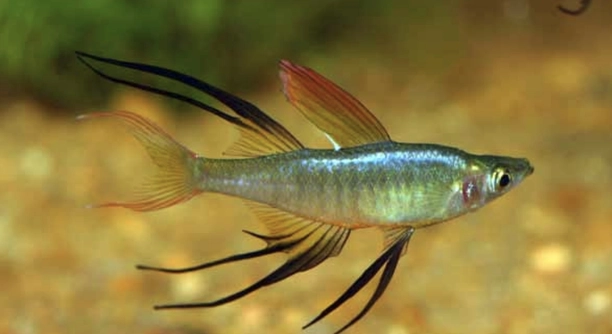
Threadfin Rainbowfish are vibrant, active fish that usually explore their tanks with ease. Observing them spending extended periods in a corner can be puzzling for owners who expect lively swimming behavior. Environmental and behavioral factors often play a role.
Threadfin Rainbowfish may remain in a corner due to stress, poor water quality, insufficient hiding spaces, or illness. Maintaining stable water parameters, providing adequate shelter, and monitoring health are crucial for encouraging balanced activity and reducing corner-hiding tendencies.
Recognizing the reasons behind this behavior helps create a healthier, more comfortable environment for your fish. Proper care can encourage natural activity and support their overall well-being.
Understanding Stress in Threadfin Rainbowfish
Stress is a major reason why Threadfin Rainbowfish may hide in corners. Sudden changes in water temperature, lighting, or tank placement can make them feel unsafe. Even the introduction of new fish or decorations can create anxiety. Stress affects their appetite, swimming patterns, and overall health. Observing their reactions after changes can help identify stress triggers. Some fish prefer quieter areas, and constant disturbance can increase hiding. Ensuring stable conditions and limiting sudden environmental changes reduces stress. Providing hiding spots like plants or small caves allows them to feel secure. Gentle interactions during feeding or cleaning minimize fear. Monitoring water parameters, such as pH, ammonia, and nitrate levels, is essential. Frequent checks prevent gradual changes that may not be immediately noticeable. Stress management is key to encouraging natural behavior and movement in the tank. Over time, consistent care builds a calmer, more active fish environment.
Stable, predictable conditions help your fish feel safe and reduce corner-hiding behavior.
Creating a low-stress environment requires attention to details. Proper filtration ensures clean water, and moderate lighting prevents sudden brightness from startling them. Avoid overcrowding, as too many fish increase competition and stress. Position decorations thoughtfully to provide shelter without limiting swimming space. Feeding at regular times reinforces routine, helping them feel secure. Avoid abrupt movements near the tank; consistent calm behavior from caregivers encourages confidence. Observing their posture and color can indicate stress levels. Vibrant colors usually show comfort, while dull tones suggest unease. Over weeks, adjusting these small factors results in a more active and confident fish. A structured routine, combined with careful observation, helps prevent prolonged hiding and promotes healthier, happier fish.
Water Quality and Its Impact
Poor water quality can drive Threadfin Rainbowfish to corners. Elevated ammonia, nitrite, or nitrate levels irritate gills and skin, causing discomfort.
Regular testing and maintenance of water parameters are essential. Filter cleaning, partial water changes, and monitoring temperature ensure a healthy environment for active swimming. Consistent care prevents stress-related corner-hiding behavior.
Maintaining clean, stable water directly affects fish behavior and health. Threadfin Rainbowfish are sensitive to imbalances that may not be immediately visible. Even minor fluctuations in pH or hardness can cause them to retreat to less exposed areas. Tanks with insufficient filtration or irregular maintenance often show increased hiding behavior. Adding live plants can help stabilize water chemistry while offering shelter. Observing changes after water adjustments can reveal preferences and tolerance levels. Over time, clear, oxygen-rich water encourages movement, exploration, and natural schooling behavior. Attention to water quality is one of the simplest and most effective ways to support fish well-being. Consistent care ensures they thrive rather than retreat into corners, allowing you to enjoy their active, vibrant presence in the tank.
Tank Layout and Hiding Spots
Threadfin Rainbowfish often linger in corners if their tank lacks adequate hiding spaces or has cluttered decorations. They need areas to feel secure while still having room to swim freely. Proper arrangement balances safety and activity, preventing prolonged corner-hiding behavior.
Providing plants, rocks, or small caves gives fish options to retreat without feeling exposed. Avoid overcrowding decorations that block swimming paths, as restricted movement can increase stress. Positioning hiding spots along the edges rather than the center encourages exploration while maintaining security. Observing which areas your fish prefer helps refine layout for comfort. Over time, thoughtful tank design fosters confidence and natural swimming patterns.
Gradually adjusting the layout and introducing gentle currents encourages exploration. Fish that were once corner-bound begin venturing into open areas. Maintaining consistent, safe spaces ensures ongoing activity while respecting their need for shelter. Balanced design prevents territorial disputes and allows a harmonious environment.
Feeding Habits and Corner Behavior
Irregular feeding schedules or inappropriate food sizes can make Threadfin Rainbowfish hesitant to leave corners. Small, frequent feedings support confidence and energy levels.
Providing high-quality, appropriately sized food encourages active foraging. Scatter feeding across the tank rather than dropping food in one spot promotes movement and reduces corner loitering. Regular feeding routines help them associate different tank areas with positive experiences, making them more comfortable exploring open spaces.
Feeding techniques also impact social behavior and activity. Fish that are overfed or underfed may hide to avoid competition or conserve energy. Observing their responses to feeding patterns reveals preferences and stress triggers. Using live, frozen, or flake food variations stimulates natural hunting instincts and keeps fish engaged. Over time, consistent, balanced nutrition combined with strategic feeding reduces corner-hiding and promotes a healthy, active community. Tracking feeding responses also helps identify early signs of illness or discomfort, allowing timely adjustments to care routines.
Social Dynamics in the Tank
Threadfin Rainbowfish may retreat to corners when tankmates are aggressive or overly active. Maintaining compatible species and observing interactions reduces stress. Proper stocking levels prevent territorial disputes and promote peaceful coexistence.
Providing visual barriers or separated areas allows shy fish to feel secure while interacting gradually. Monitoring behavior ensures harmony and encourages exploration throughout the tank.
Lighting and Activity Patterns
Bright or sudden changes in lighting can make Rainbowfish anxious. Dim, consistent lighting helps them feel safe and encourages natural swimming behavior. They are more likely to explore open areas under steady illumination. Adjusting light gradually prevents startling reactions and reduces hiding tendencies.
Health Concerns
Illness or parasites can lead Rainbowfish to isolate in corners. Monitoring for signs like lethargy, clamped fins, or unusual coloration is crucial. Early detection allows treatment before problems worsen and supports recovery while restoring normal behavior.
FAQ
Why is my Threadfin Rainbowfish always in the corner?
This behavior usually stems from stress, poor water quality, or inadequate hiding spots. Fish retreat to corners to feel safe. Observing their environment for sudden changes, aggressive tankmates, or insufficient shelter helps identify the reason. Adjusting conditions gradually encourages more confident swimming.
Can lighting affect their corner-hiding behavior?
Yes. Bright or inconsistent lighting can make Rainbowfish anxious. Dim, stable lighting helps them feel secure and encourages natural movement. Gradually adjusting light intensity rather than sudden changes reduces stress and prevents prolonged hiding.
Does tank size matter for corner behavior?
Absolutely. Small or overcrowded tanks limit swimming space, causing fish to feel trapped. Providing sufficient space, proper filtration, and swimming room allows Rainbowfish to explore freely, reducing the tendency to stay in corners.
How do hiding spots influence their comfort?
Hiding spots give fish security. Plants, rocks, or small caves allow them to retreat without feeling exposed. Well-placed shelters balance safety with swimming space, encouraging activity while reducing corner-hiding. Observing preferred areas helps refine the tank layout for comfort.
Can water quality cause this behavior?
Poor water quality is a common factor. High ammonia, nitrite, or nitrate levels irritate fish, prompting them to stay in less exposed areas. Regular testing, partial water changes, and stable water parameters promote healthy behavior and prevent corner-hiding.
Do feeding habits affect corner-hiding?
Yes. Irregular feeding or inappropriate food sizes can make Rainbowfish hesitant to leave corners. Small, frequent feedings across the tank encourage movement and exploration. Using varied food types stimulates natural foraging behavior, keeping fish active and confident.
Could tankmates be causing stress?
Aggressive or overly active fish can push Rainbowfish into corners. Maintaining compatible species and observing interactions prevents stress. Visual barriers or separate areas help shy fish gradually interact, promoting a calmer, more balanced environment.
Is illness a reason for hiding?
Illness, parasites, or injuries can make Rainbowfish isolate in corners. Lethargy, clamped fins, or unusual coloration are signs to watch for. Early detection and treatment restore health and normal swimming behavior, reducing prolonged corner-hiding.
Can temperature changes influence corner behavior?
Yes. Sudden fluctuations in water temperature cause discomfort and stress. Maintaining stable temperatures within the species’ preferred range helps Rainbowfish feel secure and encourages natural activity throughout the tank.
How long does it take for them to adjust?
Adjustment depends on the cause of hiding. Stress reduction, proper water maintenance, and improved tank layout can show results within days to weeks. Consistency and gentle changes are key to building confidence and promoting normal swimming patterns.
Are there signs that my fish is too stressed?
Signs include clamped fins, dull coloration, lethargy, erratic swimming, and refusal to eat. Stress impacts immunity, so monitoring these behaviors is essential. Timely adjustments in environment, feeding, and tank conditions prevent prolonged hiding and promote overall well-being.
Does tank decoration placement matter?
Yes. Overcrowded decorations block swimming space and limit exploration. Placing plants and rocks along edges rather than the center creates secure hiding spots while maintaining open areas for activity. Gradual adjustments help Rainbowfish explore confidently without feeling threatened.
Can consistent routines help reduce hiding?
Consistent feeding, lighting, and cleaning routines help Rainbowfish feel secure. Predictable schedules reduce stress, encourage exploration, and create a sense of stability. Over time, fish become more active and spend less time confined to corners.
Should I change water too often?
Frequent, unnecessary water changes can stress Rainbowfish. Maintain a consistent schedule that balances cleanliness with stability. Sudden, large changes in water parameters can make fish retreat to corners, so gradual adjustments are best.
Is overcrowding a problem?
Yes. Too many fish increase competition for food and territory. Overcrowding stresses Rainbowfish, often pushing them into corners. Proper stocking levels allow for balanced interactions, healthy swimming space, and reduced hiding behavior.
Do Threadfin Rainbowfish prefer company?
They are social fish and feel more comfortable in small groups of their species. Being alone can increase hiding tendencies, while a suitable school encourages confidence and activity throughout the tank.
Can stress from moving the tank affect them?
Yes. Relocating the tank or sudden repositioning creates insecurity. Allowing fish to acclimate gradually to new surroundings, combined with stable water conditions, reduces stress and encourages exploration beyond corners.
Are some Rainbowfish naturally shy?
Individual personality plays a role. Some may naturally prefer corners or edges, especially when new to a tank. Providing secure hiding spots and gentle care supports their confidence and encourages more active behavior over time.
Does water current matter?
Strong currents can intimidate Rainbowfish, causing them to stay in calmer areas like corners. Moderate, consistent flow mimics natural habitats and encourages swimming while preventing fatigue and stress-induced hiding.
How can I encourage exploration safely?
Gradually rearranging hiding spots, maintaining stable water parameters, and using gentle feeding routines encourages movement. Observation of preferences ensures adjustments do not cause stress, fostering a balanced, active environment for confident Rainbowfish.
Final Thoughts
Threadfin Rainbowfish are delicate, active fish that thrive in stable, well-maintained environments. Observing them staying in corners can feel frustrating, but it often signals that something in their surroundings needs attention. Stress, poor water quality, aggressive tankmates, or inadequate hiding spaces are common reasons for this behavior. Addressing these factors with care and consistency is essential to help them feel secure and encourage normal swimming patterns. Providing proper hiding spots, maintaining consistent water parameters, and monitoring interactions among fish all contribute to reducing corner-hiding tendencies. It is important to recognize that this behavior is a natural response to discomfort or insecurity rather than a sign of stubbornness or misbehavior.
Creating a low-stress tank environment involves paying attention to several interconnected details. Lighting, tank layout, water quality, and feeding routines all play a role in how comfortable Threadfin Rainbowfish feel in their habitat. Stable, moderate lighting encourages activity without startling them, while a balanced arrangement of plants and decorations provides both shelter and space to explore. Regular testing and maintenance of water parameters, including ammonia, nitrite, nitrate, and pH levels, help prevent subtle stressors from developing over time. Feeding at consistent intervals with appropriate food sizes encourages movement and reduces competition-related anxiety. Even small changes, like the addition of a gentle water current or rearrangement of a hiding spot, can have a noticeable impact on their behavior. Observing their responses to these adjustments is key to understanding their preferences and promoting confidence.
Patience and consistency are critical when encouraging Threadfin Rainbowfish to become more active. Changes should be gradual, allowing the fish to adapt without feeling overwhelmed. Social factors, such as the presence of compatible tankmates, also influence corner-hiding behavior, as overly aggressive or overly passive companions can create tension. By providing a combination of security, space, and proper care, you can support their natural instincts while gradually reducing corner-seeking behavior. Over time, confident, active fish are more likely to explore their environment and interact with tankmates. Maintaining this balance not only improves their behavior but also enhances overall health, coloration, and vitality. Careful attention, consistent routines, and a thoughtful tank setup ensure that your Threadfin Rainbowfish remain comfortable, active, and thriving, transforming their tank into a harmonious and dynamic habitat.

Hello,
If you enjoy the content that we create, please consider saying a "Thank You!" by leaving a tip.
Every little bit helps us continue crafting quality advice that supports the health, happiness, and well-being of pets around the world, for pets of all shapes, sizes, and species.
We really appreciate the kindness and support that you show us!