
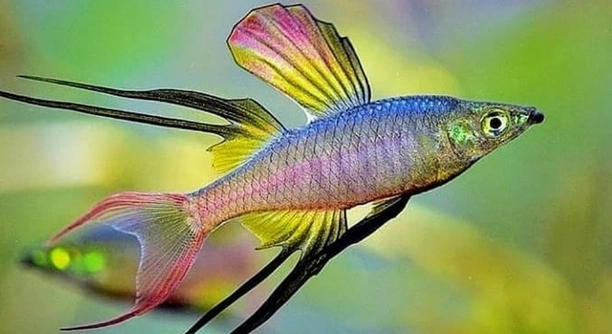
Threadfins are sensitive to changes in their environment, especially lighting. Adjusting to a new light cycle can affect their behavior, feeding patterns, and overall well-being. Observing their responses can help ensure they adapt smoothly and stay healthy.
Threadfins adjust to a new light cycle through gradual acclimation. Sudden changes can stress them, impacting feeding and swimming patterns. Consistent timing, appropriate light intensity, and monitoring behavior are essential for supporting their adaptation process effectively and safely.
Proper light adjustments can influence their activity levels and overall health. Small, consistent changes make a noticeable difference in their daily routines.
Recognizing Stress in Threadfins
Threadfins often show subtle signs when they struggle to adapt to a new light cycle. They may swim erratically, hide more than usual, or reduce feeding activity. Observing their fins, color, and overall movement can help identify stress early. Some threadfins may cling near shaded areas or linger at the bottom of the tank, indicating discomfort. Changes in light can disrupt their natural rhythms, making it essential to watch for unusual patterns. Small, gradual adjustments in lighting can reduce stress and help them regain normal behavior faster. By monitoring water quality and ensuring stable temperature, you support their well-being while the new light cycle becomes familiar. Consistency is key, and patience allows threadfins to adjust without undue strain. Each fish responds differently, so close observation is important to identify which environmental factors need fine-tuning for optimal adaptation.
Recognizing these stress signs early prevents long-term health issues. Quick intervention is crucial for their safety.
Observing threadfins regularly provides insights into their comfort levels. Adjusting tank lighting, maintaining proper feeding schedules, and ensuring clean water can improve their response to new conditions. Subtle changes in behavior, like reduced activity or hiding, often indicate that adjustments are needed. Monitoring these behaviors helps create a stable environment, encouraging threadfins to regain normal activity. Combining careful observation with consistent care allows them to adapt naturally without risking stress-related complications.
Gradual Light Adjustment Techniques
Changing the light cycle too quickly can shock threadfins. A step-by-step adjustment reduces stress and helps maintain normal behavior patterns.
Introducing gradual increments, such as adding or subtracting 15–30 minutes of light per day, allows their internal rhythms to adjust. Avoid sudden full changes in intensity or timing, as these can disrupt feeding and swimming behaviors. Consistency in the schedule, paired with stable water conditions, improves adaptation. Some hobbyists use dimmers or timers to create smoother transitions. Monitoring fish response during this period is critical; signs of stress may require slowing the adjustment rate. Pairing light changes with environmental stability, such as maintaining proper filtration and water quality, ensures threadfins remain healthy. Over time, they learn to anticipate the light schedule, reducing hiding and erratic swimming. The goal is a natural acclimation without compromising behavior or health. Gradual techniques are the most effective method for long-term adaptation.
Feeding Patterns During Light Changes
Threadfins may eat less when adjusting to a new light cycle. Offering smaller, frequent meals helps maintain their nutrition without overfeeding.
Light changes can temporarily disrupt feeding behavior. Some threadfins may become hesitant, while others may overeat when lights return. Observing their appetite and adjusting portion sizes ensures they receive proper nutrition. Maintaining a consistent feeding schedule alongside gradual light adjustments helps normalize eating habits. Using high-quality, easily digestible food can reduce stress and support their metabolism during this period. Even small improvements in feeding behavior indicate that threadfins are starting to acclimate to the new environment.
Monitoring how they respond to different feeding times provides valuable insight. Some threadfins prefer morning feeding under dimmed light, while others may eat better later in the day. Adjusting the timing based on observed behavior can prevent missed meals and reduce stress. Pairing feeding with stable light increments helps establish routine and promotes consistent activity levels. Careful observation of each fish allows for individualized adjustments, ensuring they remain healthy and responsive throughout the adaptation process.
Environmental Factors Affecting Adjustment
Tank setup can influence how threadfins adapt to a new light schedule. Proper placement of hiding spots and open swimming areas reduces stress.
Water temperature, pH levels, and filtration efficiency all play a role in their response to light changes. Sudden shifts in these factors can amplify stress and disrupt behavior. Stable conditions combined with gradual light adjustments create an environment that supports natural activity and feeding patterns. Observing how threadfins interact with their surroundings helps identify which areas provide comfort and which may need modification. Adding gentle currents or adjusting plant placement can encourage movement and exploration, aiding in acclimation. Ensuring quiet surroundings and avoiding sudden disturbances further supports a smooth transition to the new light cycle.
Balancing all environmental factors with careful light management improves overall adaptation. Regular monitoring of water parameters, tank layout, and daily behavior allows timely corrections. Threadfins respond better when they can predict patterns in their environment. Even small changes, like adjusting decorations or hiding spots, can significantly impact stress levels and behavior. Consistency in these factors promotes confidence, encourages regular swimming, and maintains feeding routines. Combining environmental stability with gradual lighting adjustments helps threadfins establish a comfortable rhythm, making them more resilient and active.
Light Intensity and Placement
Threadfins are sensitive to bright light. Gradually increasing intensity prevents sudden stress and helps them explore the tank naturally.
Positioning lights to avoid glare or hot spots encourages even swimming. Using dimmers or diffusers can create a comfortable environment while they adapt to the new cycle.
Monitoring Behavior Closely
Noticing changes in swimming, hiding, or feeding can indicate how well threadfins adjust. Keep a simple log of daily observations to track improvement. Gradual positive changes suggest the light cycle is becoming comfortable, while repeated stress signs may require slower adjustments or slight environmental tweaks. Consistency and careful attention support successful acclimation.
Supporting Their Natural Rhythms
Maintaining stable feeding times alongside light adjustments reinforces internal rhythms. Consistent routines help threadfins anticipate activity periods, reducing stress and promoting normal behavior.
FAQ
How long does it take for threadfins to adjust to a new light cycle?
Adjustment varies depending on the fish and the extent of the change. Typically, threadfins begin showing signs of adaptation within one to two weeks if the light changes are gradual. Sudden changes can extend this period and may cause temporary stress or reduced feeding. Monitoring behavior closely during this time helps identify how well they are acclimating. Gradual light increments, stable environmental conditions, and consistent feeding schedules all contribute to a smoother adaptation process. Some fish may adjust faster, while others need slightly longer periods to fully settle.
What are the main signs that threadfins are stressed by lighting changes?
Common signs include hiding more often, swimming erratically, reduced appetite, and clinging near shaded areas. Fins may appear clamped or colors may fade temporarily. Stress can also cause slower movement or reluctance to explore the tank. Observing these behaviors early allows for adjustments in lighting intensity, timing, or placement. Subtle behavioral changes often indicate discomfort before more serious health issues appear. Maintaining consistent water quality, temperature, and feeding routines alongside gradual light changes can minimize stress and help threadfins regain normal activity patterns.
Can sudden light changes harm threadfins?
Yes, sudden shifts in light intensity or duration can shock threadfins. This may lead to disorientation, stress, and reduced feeding. In extreme cases, prolonged stress can affect immune function, making fish more susceptible to disease. Gradual adjustments in light, ideally using timers or dimmers, prevent these issues. Observing their response after small increments ensures the changes remain manageable. Patience is crucial; small, consistent steps are far more effective than attempting rapid full-cycle shifts. Supporting stable tank conditions alongside gradual lighting changes enhances safety and adaptation.
How do feeding routines affect light adaptation?
Threadfins often link feeding behavior with light conditions. Irregular feeding schedules can worsen stress during light changes. Maintaining consistent feeding times supports internal rhythms and encourages normal activity. Offering smaller, frequent meals during adjustment periods helps ensure they receive adequate nutrition without overfeeding. Observing which times they eat best under the new light cycle can guide adjustments to the schedule. Combining proper feeding routines with gradual light changes encourages adaptation while reducing hiding or erratic swimming.
Are there tools to make light adjustments easier?
Timers and dimmers are highly effective for controlling light duration and intensity. These tools allow gradual changes without manual intervention, reducing the risk of sudden stress. Diffusers can soften harsh lighting, creating a more natural environment. Careful placement of lights ensures even coverage, preventing glare or hot spots. Observing how threadfins interact with the adjusted lighting provides feedback for further tweaks. Using these tools alongside stable tank conditions creates a predictable, safe environment for adaptation.
What role does tank environment play in light adaptation?
A stable environment is critical. Clean water, proper temperature, and consistent pH levels reduce additional stress that could compound light adjustments. Providing shaded areas, plants, or decorations offers hiding spots, helping threadfins feel secure. Observing how they use these areas can guide placement to encourage natural swimming and exploration. Even minor changes, like adjusting plant density or water flow, can influence comfort during light changes. Supporting environmental stability alongside gradual lighting helps threadfins maintain feeding, swimming, and overall health.
How do I know if my threadfins have fully adapted?
Signs of full adaptation include normal feeding, active swimming, exploration of all tank areas, and stable coloration. Stress behaviors like hiding or clamped fins should decrease noticeably. Maintaining consistent light, feeding, and environmental conditions reinforces these positive behaviors. Regular observation and small adjustments ensure they remain comfortable and healthy. Once threadfins display steady routines under the new light cycle, they are considered fully acclimated.
Can different threadfins adapt at different rates?
Yes, individual differences matter. Some threadfins adjust within days, while others take weeks. Factors include age, health, previous exposure to lighting changes, and personality. Close observation allows tailoring the light schedule to accommodate all fish. Patience and consistency are key, ensuring no fish is left stressed or underfed during the adjustment process.
Is it necessary to combine light adjustments with other environmental changes?
Light changes are most effective when the environment is stable. Sudden alterations in water temperature, filtration, or tank layout can increase stress. Gradual adjustments and minimal simultaneous changes support smoother adaptation. Combining proper lighting with stable water quality, feeding, and tank setup maximizes comfort and promotes natural behavior.
Final Thoughts
Adjusting threadfins to a new light cycle requires patience and careful observation. Sudden changes can cause stress, affecting feeding, swimming, and overall behavior. Gradual adjustments in light duration and intensity allow threadfins to acclimate at their own pace. Small daily increments, such as adding or reducing 15–30 minutes of light, can make a noticeable difference in their comfort level. Observing how each fish responds helps determine whether the adjustments are effective or if a slower approach is needed. Consistency is key, as abrupt changes often lead to hiding, reduced activity, or erratic swimming. By maintaining a predictable schedule, threadfins can establish a routine, allowing their internal rhythms to synchronize with the new lighting.
In addition to light adjustments, maintaining a stable environment is essential. Water quality, temperature, and pH should remain consistent during the adaptation period. Any fluctuations can intensify stress and slow the adjustment process. Tank setup also plays a role; shaded areas, decorations, and open swimming spaces provide comfort and encourage natural behaviors. Feeding routines should remain steady, offering smaller, frequent meals during times when fish may be hesitant to eat. Monitoring feeding patterns alongside light changes provides insight into their well-being and indicates when further adjustments may be necessary. Tools like timers, dimmers, and diffusers can help create smoother transitions, reducing sudden shifts in light intensity and making the environment more predictable for the fish.
Observing threadfins regularly is the best way to ensure successful adaptation. Behavioral cues, such as swimming patterns, hiding frequency, and appetite, indicate how well the fish are adjusting. Positive signs include active exploration, consistent feeding, and normal coloration. Patience and attention to detail allow owners to make small, precise adjustments to light and environment, supporting a healthier transition. Every fish may respond differently, so individualized care ensures no one is stressed or left behind. Combining gradual light changes, stable environmental conditions, and consistent routines promotes comfort and long-term health. Threadfins can thrive under a new light cycle when changes are handled carefully, giving them time and space to adapt naturally.

Hello,
If you enjoy the content that we create, please consider saying a "Thank You!" by leaving a tip.
Every little bit helps us continue crafting quality advice that supports the health, happiness, and well-being of pets around the world, for pets of all shapes, sizes, and species.
We really appreciate the kindness and support that you show us!