
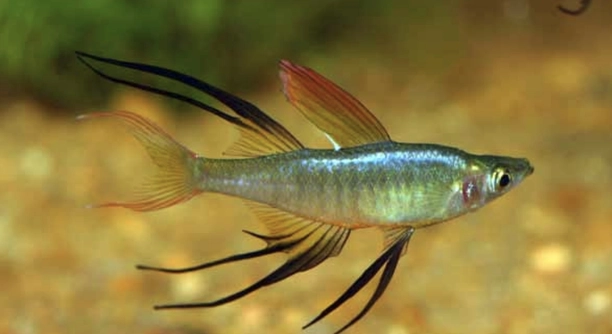
Have you ever struggled to catch your threadfin rainbowfish without causing panic in your aquarium? These delicate fish need special care when handled. Using the wrong approach can cause unnecessary stress and even risk their health.
The safest way to net a threadfin rainbowfish is by moving slowly, guiding the fish gently toward the net, and avoiding sudden movements. Using a soft, fine mesh net minimizes fin damage while reducing stress during the capture process.
Proper handling is essential to keep your threadfin rainbowfish healthy and stress-free, and learning these simple steps makes a meaningful difference in their care.
Choosing the Right Net
When netting a threadfin rainbowfish, selecting the right tool is the first important step. A fine mesh net is the safest choice, as it prevents delicate fins from tearing or getting caught. Larger nets with soft materials are better than smaller, rough ones. Choosing the right size matters, as cramped nets may increase stress and make the fish thrash more. Always ensure the net is clean before use, as residue or leftover particles can harm the fish. By starting with the proper net, you set the foundation for a safe, gentle capture that keeps your rainbowfish protected.
Threadfin rainbowfish are naturally timid, so a gentle approach paired with the right equipment will help reduce their stress.
Using the proper net also improves handling efficiency. When fish feel secure, they are less likely to panic or injure themselves. This makes the process quicker, calmer, and more effective for both you and the fish.
Best Techniques for Netting
Threadfin rainbowfish should never be chased aggressively around the aquarium. This only increases their stress and may cause injuries. Instead, move slowly and predictably. Position the net in one corner of the tank and gently guide the fish toward it using your hand or another soft object. Avoid sudden movements, as they can startle the fish. Once the rainbowfish is near the net, lift it with a smooth, steady motion. Never squeeze the net tightly, as this can damage the fish’s fins or scales. Keep the fish in water during the process as much as possible, and quickly transfer it to its intended space.
Threadfin rainbowfish are highly sensitive, and their stress levels rise quickly if handled roughly. By practicing calm, steady movements, you create a safer environment. Smooth handling reduces physical damage and ensures the fish feels less threatened. With patience and careful technique, you protect their delicate health.
Minimizing Stress During Netting
Stress in threadfin rainbowfish can lead to health problems, so minimizing it during netting is essential. Keep the process calm and controlled, and avoid chasing them too much. Gentle guidance and the right tools make a noticeable difference.
A calm environment matters when handling these delicate fish. Turning off strong lights before netting helps reduce sudden movements. Covering the tank sides with a cloth can also ease their stress by limiting visual distractions. Always move with patience, allowing the fish to adjust before guiding it toward the net. Small steps reduce anxiety significantly.
Quick transfers are equally important in lowering stress. Keeping the fish in water while moving it prevents shock and keeps breathing steady. Avoid lifting it out longer than necessary. By practicing slow, deliberate motions, your rainbowfish stays safe, calm, and less fearful throughout the netting process, leading to healthier long-term care overall.
Handling After Netting
After netting, threadfin rainbowfish should be transferred carefully to reduce unnecessary strain. Always keep them submerged when moving, using a small container of tank water when possible. This reduces exposure to air and supports their delicate respiratory system.
A proper transfer method helps the rainbowfish settle faster. Using a container instead of just the net keeps them supported and prevents injuries. Allow the fish time to adjust once released into a new tank area. Avoid sudden feeding or rearranging decorations immediately after the transfer, as these activities may increase stress. Patience ensures the fish adapts smoothly and safely.
Signs of Stress to Watch For
Threadfin rainbowfish show stress through rapid gill movement, erratic swimming, or sudden hiding. If these behaviors appear after netting, allow them time to rest and avoid further disturbance until they return to normal activity.
Faded coloration can also indicate stress in threadfin rainbowfish. When their colors lose brightness, it often signals they are unsettled. Minimizing handling, maintaining stable water conditions, and providing a quiet environment help restore their vibrant appearance more quickly.
Creating a Safe Environment After Netting
A stable tank environment helps threadfin rainbowfish recover quickly after being netted. Keep water parameters consistent, as sudden changes can weaken them further. Adding floating plants or gentle cover reduces exposure and makes them feel secure. Good filtration supports recovery by keeping the water clean. Avoid unnecessary disturbances like tapping on the glass or excessive movement around the tank. Allow the fish a few hours of calm before feeding or adjusting decorations. With steady care and patience, they can regain confidence and return to normal behavior without lingering stress.
When to Avoid Netting
Avoid netting threadfin rainbowfish during illness or visible injury, as it adds unnecessary strain. In such cases, use safer alternatives like small containers filled with tank water for gentle transfers.
FAQ
How often should I net my threadfin rainbowfish?
Netting should be kept to a minimum. Frequent handling can stress the fish and affect their health. Only net them when necessary, such as for tank maintenance, medical treatment, or moving them to a new environment. Routine observation from outside the tank is safer.
Can I use a regular aquarium net for threadfin rainbowfish?
Regular nets with rough or large mesh can damage their delicate fins. Use a soft, fine mesh net designed for small, fragile fish. The right net prevents tearing and minimizes stress during capture. Always check that it is clean and free of debris before use.
What is the best way to approach the fish before netting?
Move slowly and predictably when approaching them. Sudden movements will startle the fish. Position the net in a corner and guide them gently toward it. Calm, steady motions reduce panic and make netting smoother for both the fish and yourself.
How can I reduce stress during transfers?
Keep the fish submerged in water during transfers. Use a container with tank water rather than lifting them in the net alone. Quick but smooth movements prevent shock. Avoid exposing them to bright lights, loud noises, or other disturbances during this time.
What should I do if the fish shows signs of stress after netting?
Provide a calm, quiet environment and monitor their behavior. Offer cover like floating plants or hiding spots. Keep water conditions stable and avoid sudden feeding or rearranging decorations. Patience is key; they usually recover within a few hours if stress is minimized.
Is it safe to net multiple fish at once?
Netting multiple threadfin rainbowfish at the same time increases the risk of injury and stress. It’s safer to handle one fish at a time, especially for delicate or smaller individuals. This ensures better control and reduces panic among the group.
Can I prevent stress by practicing netting techniques?
Yes, practicing with an empty tank or using non-living objects can help you refine movements. This allows you to approach real fish with more confidence, using slow, deliberate actions that minimize stress during the actual process.
Should I net the fish at a particular time of day?
Netting during calmer periods, such as early morning or late evening, is preferable. The fish are usually less active and more receptive to gentle guidance. Avoid netting during feeding times or when the tank is heavily lit, as this can increase anxiety.
How do I handle fish with minor injuries during netting?
If a fish has a minor injury, avoid using a net if possible. Instead, transfer them with a small container of tank water. This reduces contact and prevents further damage. Treat wounds afterward according to proper fish care guidelines.
What maintenance should I perform on the net?
Clean the net thoroughly before and after use to prevent bacterial or fungal contamination. Rinse it with tank water rather than tap water to avoid chlorine damage. Check for holes or rough edges that could harm the fish and replace the net as needed.
Are there signs that indicate the fish is ready to be netted?
A calm and slower swimming fish is easier to catch than one darting around. Avoid chasing or forcing the fish; allow it to settle near the net naturally. Gentle guidance ensures a safer and less stressful experience.
How long should the fish remain in the net before transfer?
Keep the fish in the net as briefly as possible, ideally just long enough to transfer it safely. Prolonged time in the net can cause stress, exhaustion, and damage to fins or scales. Always plan the transfer before approaching the fish.
What role does tank setup play in safe netting?
A well-organized tank with hiding spots and open swimming areas makes netting easier. Obstacles or dense plants can trap the fish and make capture stressful. Rearrange decorations if necessary to create clear pathways for guiding the fish into the net.
Can I combine netting with other care routines?
Yes, but only if it doesn’t increase stress. Combine netting with necessary maintenance like water changes or medical treatment. Always prioritize gentle handling and minimize the duration of any activity that involves removing the fish from the water.
Is netting stressful for all fish the same way?
Stress levels vary by species. Threadfin rainbowfish are particularly sensitive due to their small size and delicate fins. Understanding species-specific behavior helps in adapting techniques to ensure safety and minimize panic during handling.
What precautions should I take after netting?
Monitor the fish closely for signs of stress, like rapid gill movement or hiding. Maintain stable water parameters, reduce disturbances, and provide hiding spaces. Quick observation ensures that any issues are addressed promptly, supporting faster recovery.
How do I train myself to net without causing stress?
Practice slow, deliberate movements and patience. Observe the fish’s reactions and adjust your approach accordingly. Over time, you learn the balance between gentle guidance and efficiency, reducing stress while making netting more manageable.
Can repeated netting impact long-term health?
Yes, frequent handling can weaken the immune system and increase susceptibility to disease. Limit netting to essential situations only, and ensure proper post-netting care to maintain their health and longevity in the aquarium.
Are there alternatives to netting for moving fish?
Using small containers or cups filled with tank water is often safer for transfers. These alternatives minimize physical contact and stress, particularly for injured or highly sensitive threadfin rainbowfish.
How do I ensure safe netting during tank cleaning?
Plan the cleaning process to avoid chasing fish unnecessarily. Use slow, guided movements and keep water levels moderate to facilitate easier capture. Clean only one section at a time to prevent panicked swimming and reduce overall stress.
What should I avoid during netting?
Avoid chasing, sudden movements, loud noises, and prolonged handling. Do not use rough or large mesh nets. Avoid netting during feeding or high-activity periods. Following these precautions ensures safer, less stressful handling for threadfin rainbowfish.
How can I tell if my fish recovered after netting?
Normal swimming behavior, bright coloration, and regular feeding are signs of recovery. Observe the fish for several hours after handling to ensure it has returned to its usual activity levels and is not showing signs of lingering stress.
Can I use multiple nets for efficiency?
Using multiple nets may seem efficient but can increase confusion and panic among fish. One soft, fine mesh net handled carefully is safer, reducing injuries and stress for the fish.
Is it important to time water changes around netting?
Yes, performing water changes before netting is preferable. Clean water provides a safer environment for temporary transfer and reduces the risk of stress or exposure to contaminants during handling.
How should I approach netting schooling fish?
When handling a group, move slowly and isolate one fish at a time. This prevents panic and reduces collisions or injury among the group. Patience is key to maintaining safety during the process.
How do I handle stubborn fish that resist the net?
Use gentle guidance instead of force. Adjust the net’s position and allow the fish to swim toward it naturally. Avoid chasing aggressively, as this increases stress and may result in injury.
What is the best follow-up care after netting?
Monitor behavior, maintain water stability, offer hiding spots, and avoid sudden changes. Proper follow-up care supports recovery, minimizes stress, and maintains the fish’s overall health.
How can I make netting routine less intimidating?
Gradual practice, gentle movements, and consistent techniques help both you and the fish feel more comfortable. Routine observation without immediate netting builds trust and reduces anxiety when handling becomes necessary.
Are there signs of injury I should check after netting?
Check for torn fins, scale loss, or bleeding. Minor injuries require careful attention and treatment. Prompt response prevents infection and supports quicker recovery for delicate threadfin rainbowfish.
Can netting be stressful even if done correctly?
Yes, even careful handling can cause temporary stress. Minimizing duration, maintaining calm surroundings, and gentle handling reduce impact, allowing the fish to recover quickly without long-term effects.
How important is patience during netting?
Patience is crucial. Rushing increases stress, causes mistakes, and can injure the fish. Slow, deliberate actions create a safe environment and build confidence in both the fish and yourself during handling.
What should I do if a fish panics in the net?
Remain calm, avoid squeezing, and gently reposition the net. Support the fish with water, and wait until it stabilizes before lifting. Panicked fish recover faster when movements are controlled and smooth.
Can tank size affect netting success?
Yes, larger tanks give fish more space to escape, making netting harder. Smaller, calm areas facilitate easier capture. Rearranging obstacles temporarily can also create clear paths for guiding the fish safely.
Are there any long-term strategies to reduce netting stress?
Frequent observation, gradual acclimation to handling, and gentle movement practice help fish become more tolerant. Maintaining a stable, calm environment supports overall stress reduction over time.
How do I balance efficiency and gentleness?
Plan movements ahead, work slowly, and focus on smooth guidance rather than speed. Efficiency comes from preparation, not rushing. Careful handling ensures safety while completing tasks effectively.
Can I train fish to enter a net voluntarily?
Yes, using food or gentle guidance repeatedly can encourage voluntary movement toward the net. Consistent practice over time reduces stress and makes routine handling easier.
Is it okay to net in bright lighting?
Bright lighting may startle the fish. Dim or moderate lighting reduces visual stress and makes netting calmer, improving safety for both the fish and yourself.
How do I handle multiple transfers in one day?
Space them out to prevent exhaustion. Ensure each fish has time to recover between transfers. Minimize handling, maintain calm conditions, and provide hiding spots to support recovery during multiple transfers.
What is the best water depth for netting?
Moderate water levels allow better control during netting. Too shallow may trap the fish, while too deep makes guiding more difficult. Adjusting levels temporarily ensures safer capture and transfer.
How can I reduce fear of nets in fish?
Introduce the net gradually, allowing them to observe it in the tank without immediate capture. Gentle exposure over time reduces fear and stress during actual netting events.
Is netting more difficult for young fish?
Yes, juveniles are smaller and more fragile. Extra care, a very soft net, and slower movements are necessary to prevent injury and ensure safe handling.
How important is a consistent routine for netting?
Consistency helps fish anticipate handling and reduces panic. Performing tasks in a predictable manner builds familiarity and reduces stress during each netting event.
What should I avoid immediately after netting?
Avoid feeding large meals, moving decorations, or cleaning the tank aggressively. These actions can prolong stress and prevent the fish from settling safely.
Can I net fish during breeding?
Netting breeding fish is risky. It can interrupt mating behavior and cause stress-related problems. Avoid handling during these periods unless absolutely necessary.
Are there tools besides nets that help reduce stress?
Small cups, containers, or gentle tubes can move fish safely. These reduce physical contact and provide more control than traditional nets, especially for delicate threadfin rainbowfish.
How can I ensure long-term health after netting?
Maintain proper diet, stable water parameters, and minimal handling. Monitor behavior regularly. Providing a calm, supportive environment ensures that netting has minimal long-term effects on the fish.
How do I handle accidental escapes during netting?
Remain calm, reposition the net slowly, and avoid chasing aggressively. Gentle guidance prevents injury and helps regain control quickly without causing panic.
What is the impact of temperature changes during netting?
Temperature fluctuations add stress. Ensure tank water and transfer containers are consistent in temperature. Sudden changes can shock the fish and compromise health.
Can lighting adjustments help reduce stress during netting?
Yes, dimming lights or shading the tank reduces visual stimuli, helping fish remain calmer and making netting safer and smoother.
How should I observe fish after netting?
Watch for normal swimming, feeding, and coloration. Keep an eye on gill movement and hiding behavior. Promptly address any signs of stress or injury for best recovery.
Is it ever safe to net fish during illness?
Avoid netting sick fish whenever possible. Use gentle transfer methods with minimal contact. Disturbing ill fish can worsen their condition and delay recovery.
How can I make netting less intimidating for myself?
Practice slow, deliberate motions, and familiarize yourself with your equipment. Confidence comes from preparation, making netting calmer for both you and the fish.
Does water clarity affect netting safety?
Yes, clear water allows better visibility and precise movements, reducing accidental contact or injury. Cloudy water may increase panic and make handling more difficult.
How do I know if my fish is stressed long-term?
Persistent hiding, faded colors, irregular swimming, or reduced appetite are signs of prolonged stress. Long-term observation and proper care help identify and correct issues early.
Can netting affect fish behavior later?
If done carefully, effects are minimal. Rough or frequent handling can make fish more timid, less willing to swim openly, and more sensitive to environmental changes.
What precautions are needed for sensitive species?
Soft nets, minimal handling, and calm surroundings are essential. Sensitive species like threadfin rainbowfish require extra care to prevent injuries, stress, and long-term health issues.
How do I prevent netting-related injuries?
Use the correct net, slow movements, and keep transfers brief. Avoid chasing or squeezing fish. Proper planning and steady technique prevent common injuries like torn fins or scale loss.
Can repeated gentle handling reduce stress over time?
Yes, gradual exposure to calm handling and consistent techniques helps fish become more tolerant, making future netting easier and less stressful.
How do I maintain a calm environment during netting?
Minimize noise, dim lights, and avoid sudden movements. Consistent, gentle handling creates a safe, stress-free environment for threadfin rainbowfish.
What is the ideal netting speed?
Slow and deliberate is best. Quick movements cause panic. Efficiency comes from preparation, not rushing, ensuring both safety and minimal stress for the fish.
Can feeding schedules impact netting success?
Yes, netting outside feeding times reduces activity and panic. Fish are calmer, making gentle guidance easier and safer during capture.
How can I adapt techniques for different tank sizes?
Smaller tanks allow easier control, while larger tanks require more patience and clear paths. Adjust net placement and movement accordingly to maintain safety.
Are there behavioral cues to anticipate netting difficulty?
Erratic swimming, hiding, or darting signals the fish may resist capture. Calm and patient guidance helps manage these behaviors without causing panic.
How important is post-netting observation?
Extremely important. Monitoring behavior, appetite, and coloration ensures the fish has recovered and identifies any stress or injuries early.
Can gentle handling improve long-term trust?
Yes, consistent, calm handling helps fish adapt and reduces fear over time, making routine care easier and less stressful.
What is the most common mistake during netting?
Rushing and using the wrong net are common errors. Both increase stress, risk injury, and complicate the capture process. Slow, careful technique avoids these problems.
How do I recover fish from a panicked escape?
Move slowly, reposition the net calmly, and provide water support. Avoid chasing or sudden actions to reduce further stress or injury.
Is netting easier with a partner?
A second person can help guide the fish or stabilize equipment. However, coordination must remain calm and deliberate to prevent added panic or stress.
How can I prevent repeated stress episodes?
Limit handling, plan transfers, maintain stable water conditions, and observe calm behavior. Fewer disruptions support long-term health and reduce anxiety in threadfin rainbowfish.
Are there long-term benefits to careful netting?
Yes, safe handling reduces injuries, supports consistent health, and fosters calmer behavior. Thoughtful netting practices improve the overall well-being of your threadfin rainbowfish.
How can I tell if the net is causing harm?
Check for frayed fins, torn scales, or abrasions after each use. Replace nets with damage and always inspect before handling delicate fish.
What is the best way to practice netting safely?
Use objects or non-living items to refine movements. This builds confidence and ensures smoother, calmer interactions with live fish.
How do I balance multiple stress-reducing methods?
Combine proper nets, slow movements, calm surroundings, minimal handling, and post-netting observation. Together, these practices create a safe, low-stress environment for threadfin rainbowfish.
Can environmental enrichment reduce netting stress?
Yes, hiding spots, plants, and gentle water flow allow fish to feel secure. A comfortable environment helps them recover quickly after handling.
What role does diet play in recovery after netting?
A nutritious, stable diet supports immune function and energy levels, helping fish recover from temporary stress caused by netting.
How can I ensure netting does not harm breeding behavior?
Avoid netting during spawning. Minimize disturbances and maintain stable water conditions to protect mating pairs from stress.
Are juvenile fish more sensitive to netting?
Yes, smaller fins and fragile bodies require extra care, slower movements, and softer nets to prevent injury.
How long should I wait between netting sessions?
Allow several hours to a day depending on the fish’s behavior and stress levels. Frequent handling can weaken their health and cause long-term issues.
Can stress from netting lead to illness?
Yes, elevated stress can weaken immunity, making fish more prone to infections or disease. Careful handling and proper recovery support long-term health.
Is it better to net fish individually or in groups?
Individual netting is safer for delicate species. Group attempts can lead to panic, collisions, and injury, especially for small, sensitive rainbowfish.
What precautions should I take for sensitive fins?
Use soft nets, avoid sudden movements, and support the fish with water during transfers. Protecting fins prevents tears, abrasions, and long-term damage.
Can netting technique improve with experience?
Yes, repeated practice with attention to calm, deliberate movements increases skill, reduces stress, and improves safety for both the fish and handler.
How do I combine safety and efficiency in netting?
Plan every step, keep movements slow, and use the right equipment. Preparation ensures minimal stress while completing tasks effectively.
Should I handle sick fish differently?
Yes, avoid nets if possible. Transfer in a small container with water and minimal contact. Handling sick fish increases risk and can worsen their condition.
Are there alternatives to nets for delicate transfers?
Small cups, tubes, or containers filled with tank water reduce contact and minimize stress, particularly for fragile or injured fish.
**How do I maintain calm surroundings during
Final Thoughts
Safely netting a threadfin rainbowfish requires patience, attention, and care. These fish are delicate, and even small mistakes can cause unnecessary stress or injury. Using the right tools, such as a soft, fine mesh net, is the first step in ensuring their safety. Larger or rough nets may tear fins or scales, which can lead to infections or other health issues. Preparation is equally important. Before attempting to net the fish, make sure the tank environment is calm and free of distractions. Dim lighting and minimal movement around the tank help the fish stay relaxed. Approaching them slowly, without sudden movements, is key to preventing panic. The goal is to make the process as gentle and stress-free as possible while maintaining control during the capture.
The method of guiding the fish into the net is just as important as the equipment. Quick movements or chasing can increase stress, making the fish more likely to injure itself or damage its fins. By positioning the net in one area and slowly encouraging the fish toward it, the process becomes more manageable for both the fish and the person handling it. Keeping the fish submerged in water during transfer helps maintain normal breathing and reduces shock. Quick, smooth movements during the transfer prevent panic and make it easier to place the fish into a new tank or container safely. Monitoring the fish closely after netting is also essential. Watching for changes in color, gill movement, or swimming behavior can help identify stress early and allow corrective measures. Providing a calm environment with hiding spots and stable water conditions supports recovery and ensures long-term health.
Minimizing stress should always be the priority when handling threadfin rainbowfish. Limiting netting to essential situations, avoiding unnecessary handling, and maintaining steady water parameters all contribute to safer and healthier fish. Observing the fish regularly and understanding its behavior helps in anticipating potential stressors before they become issues. With careful planning, slow movements, and proper technique, netting can be done safely without causing harm. Over time, both the fish and the handler become more comfortable with the process, reducing stress and improving overall care. Prioritizing safety, patience, and proper handling techniques ensures that your threadfin rainbowfish remain healthy, vibrant, and less anxious in their environment. Consistent care and attention to detail in netting practices reinforce their well-being and create a safer, calmer aquarium experience.

Hello,
If you enjoy the content that we create, please consider saying a "Thank You!" by leaving a tip.
Every little bit helps us continue crafting quality advice that supports the health, happiness, and well-being of pets around the world, for pets of all shapes, sizes, and species.
We really appreciate the kindness and support that you show us!