
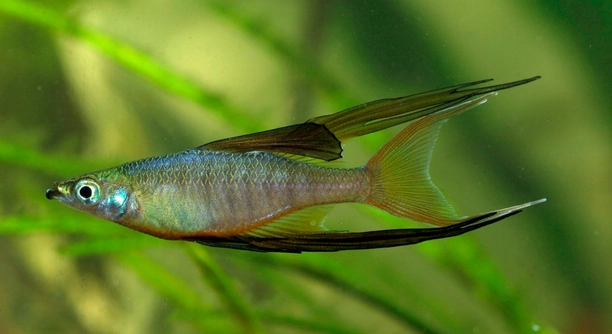
Do you ever watch your threadfin rainbowfish swim rapidly and wonder why they seem to chase each other constantly around the tank? Observing these vibrant fish can be both exciting and puzzling for aquarium enthusiasts. Their behavior often draws attention.
Threadfin rainbowfish exhibit constant chasing behavior primarily due to social hierarchy and territorial instincts. Dominant individuals assert control over space and resources, while subordinates respond with submissive swimming patterns. This behavior is a natural, healthy aspect of their social dynamics.
Understanding their social interactions helps you maintain a peaceful and balanced aquarium environment. Recognizing these patterns can improve care and ensure your rainbowfish thrive harmoniously together.
Why Threadfin Rainbowfish Chase Each Other
Threadfin rainbowfish often chase each other because of their social structure. In a tank, they establish a hierarchy where dominant fish show their power by swimming assertively around others. This behavior is natural and not usually harmful, but it can seem stressful if not understood. Younger or smaller fish may be pursued more often, as larger fish assert territory and control. Constant chasing helps maintain the pecking order and ensures that food and space are distributed according to rank. Observing these interactions closely allows you to see who is dominant and how the fish relate to each other. Some chasing occurs during feeding time, as stronger fish try to get more food. Even without food, movement and swimming patterns can trigger chasing. Providing plenty of hiding spots and open swimming areas helps reduce tension. This behavior is part of their normal daily routine and reflects healthy social interaction among rainbowfish.
Dominance and space are the main reasons chasing happens in rainbowfish tanks.
Keeping plants, rocks, and decorations can reduce stress and give fish places to retreat. Well-structured environments prevent constant conflicts.
Managing Aggression and Tank Balance
Providing sufficient space is key to reducing chasing behavior among threadfin rainbowfish. Overcrowded tanks increase stress and lead to more frequent pursuit. A larger tank with open swimming areas and plants helps fish establish territory without constant confrontation. It is important to maintain consistent feeding schedules, as competition for food can intensify chasing. Offering multiple feeding points ensures all fish get their share and reduces aggressive interactions. Observing your fish daily can help you notice early signs of stress, such as hiding or sudden color changes, which indicate that adjustments may be needed.
Introducing new rainbowfish should be done carefully, as unfamiliar fish can trigger temporary spikes in chasing while hierarchies are reestablished. Gradual acclimation and visual barriers can help ease integration. Monitoring water quality is also important because poor conditions increase aggression. By understanding their natural behavior, you can create a tank that allows healthy social interaction, minimizes stress, and keeps your threadfin rainbowfish active yet harmonious. Consistency in care, adequate space, and attention to hierarchy go a long way in maintaining balance. Observing these behaviors can make your tank feel lively while ensuring the long-term well-being of every fish.
Creating a Comfortable Tank Environment
Providing plenty of plants and decorations gives threadfin rainbowfish places to hide and rest. Open swimming areas combined with hiding spots reduce constant chasing and allow fish to feel secure. A well-arranged tank supports natural behavior without unnecessary stress.
Arranging the tank carefully helps fish establish personal spaces. Tall plants, rocks, and driftwood create territories where smaller or subordinate fish can retreat. This setup prevents dominant fish from overwhelming weaker ones and encourages more natural interactions. Hiding spots also give shy fish confidence to explore and feed. Balanced tank décor reduces tension during feeding and swimming, making chasing less frequent. Adjusting the environment as fish grow ensures everyone has space and prevents overcrowding.
Temperature, water flow, and lighting also influence chasing behavior. Fish are more active under optimal conditions and may chase each other less if the environment is comfortable. Strong currents or bright lights can increase stress, causing more aggressive behavior. Observing how your rainbowfish respond to the tank setup allows you to make small changes that improve harmony. Over time, a well-designed tank fosters calm social interaction and encourages healthy activity among all fish.
Monitoring Behavior and Health
Regular observation of your rainbowfish helps detect stress or illness early. Noticing sudden changes in chasing patterns or activity can indicate problems. Keeping notes on behavior ensures better care decisions.
Changes in chasing behavior may signal underlying health issues. Fish that suddenly become more aggressive or withdrawn could be experiencing illness, water quality problems, or nutritional deficiencies. Monitoring water parameters, feeding routines, and overall fish condition helps identify the source of these changes. Behavioral notes allow comparison over time to see if modifications to the environment or diet are effective. Immediate response to unusual patterns prevents minor issues from escalating and maintains a healthy tank environment.
Consistency in care and attention to behavior ensures threadfin rainbowfish remain active yet balanced. Healthy fish are more predictable in social interactions, and regular monitoring supports long-term well-being. By tracking interactions and adjusting conditions as needed, chasing behavior remains part of natural hierarchy rather than stress-driven aggression. Observing fish closely strengthens your understanding of their habits, improving tank management and promoting a thriving aquatic environment.
Feeding Strategies to Reduce Chasing
Offering multiple feeding points in the tank prevents dominant rainbowfish from chasing others away. Spreading food evenly allows all fish to eat without stress and supports fair distribution of nutrition.
Feeding smaller amounts more frequently helps reduce competition. Fish remain active but less aggressive, as everyone gets a chance to feed comfortably.
Group Size and Social Dynamics
Maintaining an appropriate group size is essential for threadfin rainbowfish. Too few fish can lead to excessive chasing, while overcrowding increases stress and conflicts. A balanced group allows natural social hierarchies to form without overwhelming any individual, promoting harmony and calmer interactions in the tank.
Signs of Excessive Stress
Constant chasing paired with hiding, loss of appetite, or dull coloring indicates stress. These signs show that adjustments are needed in tank setup or care routines.
FAQ
Why do threadfin rainbowfish chase each other constantly?
Chasing is mainly part of their natural social behavior. Dominant fish assert control over territory and resources, while subordinate fish respond with avoidance swimming. This is a normal hierarchy system that ensures the stronger fish maintain access to food and space without harming the group.
Is chasing a sign of aggression or illness?
Not always. Some chasing is normal and healthy. However, if it is excessive, paired with hiding, loss of appetite, or dull coloration, it could indicate stress, poor water conditions, or illness. Observing the fish carefully helps identify the cause.
How can I reduce chasing in my tank?
Adding plants, decorations, and hiding spots gives subordinate fish places to retreat. Providing multiple feeding areas and spreading food evenly reduces competition. Ensuring the tank isn’t overcrowded and keeping water parameters stable also minimizes chasing behavior.
How many threadfin rainbowfish should I keep together?
A group of at least six is recommended. Smaller numbers can increase chasing and stress as dominance is less distributed. Overcrowding, however, also creates tension. A balanced group allows natural hierarchies without overwhelming weaker fish.
Does tank size affect chasing behavior?
Yes. A larger tank gives fish room to establish territories and reduces conflict. Small tanks limit space and intensify chasing, while ample swimming areas combined with hiding spots promote calmer interactions. Proper spacing helps everyone feel secure.
Can diet influence chasing behavior?
Yes. Fish that are underfed or fed in one spot may chase others aggressively to secure food. Feeding multiple small portions in different locations ensures fair distribution and lowers competition. Balanced nutrition keeps fish healthy and calmer.
Will introducing new fish increase chasing?
Introducing unfamiliar fish temporarily increases chasing as the group establishes a new hierarchy. Using visual barriers, gradual acclimation, and adding fish at once rather than in stages helps reduce stress and aggression. Observation during the first few days is important.
What are signs that chasing is harmful?
Physical injuries, torn fins, constant hiding, and reduced feeding indicate harmful chasing. Stress-related symptoms like dull coloration, erratic swimming, or lethargy also show that intervention is needed. Adjusting the environment and monitoring interactions can prevent long-term harm.
Does lighting or water flow affect chasing?
Yes. Strong currents or bright lights can stress fish and trigger more chasing. Maintaining gentle water flow and moderate lighting creates a comfortable environment, reducing unnecessary aggression while keeping fish active and healthy.
Can all chasing be eliminated?
No. Some chasing is part of normal social behavior and hierarchy maintenance. The goal is to manage chasing so it doesn’t harm the fish or cause stress. Proper tank setup, group size, and feeding strategies help keep interactions healthy and balanced.
How long does it take for chasing to settle in a new tank?
It can take several days to a few weeks for rainbowfish to establish their hierarchy. During this time, temporary chasing is normal. Providing hiding spots, monitoring behavior, and keeping conditions stable allows the fish to adjust naturally.
Are younger fish chased more often than adults?
Yes. Smaller or younger fish are usually pursued more by dominant adults as part of hierarchy and territory establishment. Adequate hiding spots and a balanced group size help protect them from stress and excessive harassment.
Does stress affect chasing behavior?
Yes. Stress from poor water quality, overcrowding, or illness can increase chasing and aggressive behavior. Maintaining stable water conditions, proper tank size, and attentive care helps keep stress levels low, promoting calmer interactions.
Can chasing ever indicate mating behavior?
Sometimes. Male threadfin rainbowfish may chase females during courtship, but this is usually brief and different from dominance-related chasing. Observing patterns and timing helps differentiate mating behavior from territorial aggression.
What is the best way to observe and manage chasing?
Spend time watching your fish daily. Note dominant and subordinate interactions, feeding habits, and hiding behavior. Adjust tank layout, group size, and feeding strategies as needed. Monitoring behavior ensures chasing remains natural and does not harm the fish.
This FAQ provides a thorough guide to understanding, observing, and managing chasing behavior in threadfin rainbowfish, helping ensure a healthy and balanced aquarium environment.
Final Thoughts
Threadfin rainbowfish are lively and social creatures, and their chasing behavior is a natural part of their interactions. While it can look intense at times, most chasing is simply a way for fish to establish social hierarchy and maintain order within the group. Dominant individuals assert control over space and resources, while weaker or younger fish respond with avoidance swimming. Observing these patterns can help you understand how your fish interact and which individuals hold higher positions in the tank. Providing an environment that supports these natural behaviors helps reduce stress and keeps the group balanced. Decorations, plants, and open swimming areas allow subordinate fish to retreat safely while giving dominant fish space to patrol their territories.
Managing chasing in a tank requires careful attention to multiple factors, including group size, tank layout, and feeding strategies. Overcrowded tanks can increase tension, while too few fish may cause dominant individuals to focus excessively on subordinates. Adding sufficient hiding spots and multiple feeding areas helps distribute attention and reduces competition. Feeding smaller portions more frequently ensures all fish get adequate nutrition without triggering aggressive behavior. Consistency in water parameters, lighting, and temperature also plays a role in maintaining calm interactions. By addressing these key elements, you can create an environment where chasing remains a normal, healthy behavior rather than a source of stress. Regular observation is essential for recognizing when adjustments are necessary, such as modifying tank décor, adding plants, or changing feeding routines.
It’s important to accept that some chasing will always occur because it is part of the species’ natural social structure. Trying to eliminate all chasing can create unnecessary stress and interfere with healthy interactions. Instead, focus on creating conditions that allow your rainbowfish to interact naturally while minimizing harmful or excessive behavior. Watching their movements, noticing how dominant and subordinate fish respond to each other, and making thoughtful adjustments will help maintain a peaceful, well-balanced tank. Over time, your awareness of their behavior will grow, allowing you to respond quickly to stress signs and ensure every fish thrives. A carefully managed tank supports activity, natural hierarchy, and long-term health, making your aquarium a stable and enjoyable environment for threadfin rainbowfish to live happily.

Hello,
If you enjoy the content that we create, please consider saying a "Thank You!" by leaving a tip.
Every little bit helps us continue crafting quality advice that supports the health, happiness, and well-being of pets around the world, for pets of all shapes, sizes, and species.
We really appreciate the kindness and support that you show us!