
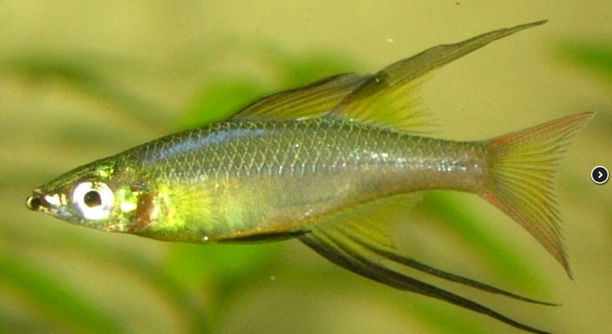
Do you ever notice your threadfin rainbowfish swimming calmly without showing their usual bright flashes of color? Their subtle behavior can make it hard to understand what is happening beneath the surface of their environment.
Threadfin rainbowfish may refuse to flash due to stress, poor water conditions, or lack of proper nutrition. Environmental instability, insufficient hiding spaces, or incompatible tank mates can also inhibit their natural display behaviors and overall coloration.
Learning these patterns can help you create a healthier, more vibrant habitat for your fish and encourage their natural flashing behavior.
Understanding Stress in Threadfin Rainbowfish
Threadfin rainbowfish are sensitive to changes in their environment, and stress is a common reason they may stop flashing. Sudden changes in water temperature, pH levels, or the introduction of new tank mates can cause them to hide or swim less actively. Stress often shows subtly at first, through duller coloration or reduced activity, but over time it can affect their appetite and health. Providing a stable, well-maintained tank with plenty of hiding spots helps the fish feel secure. Regular water testing and gentle handling are key to minimizing stress. Observing their behavior daily can alert you to issues before they escalate, ensuring the fish remain healthy and vibrant.
Monitoring stress signs early allows you to correct environmental issues quickly and maintain a peaceful tank environment.
Addressing stress involves consistent care routines, a stable habitat, and observing fish behavior closely. Adding plants, hiding areas, and ensuring compatible tank mates helps reduce stress. Gentle acclimation when introducing new fish or making water changes also promotes a calm environment. By maintaining water quality, providing proper nutrition, and limiting sudden disruptions, your threadfin rainbowfish are more likely to display their bright flashes and active swimming patterns regularly.
The Role of Nutrition
Proper nutrition is essential for vibrant coloration and healthy behavior. A poor diet can cause rainbowfish to lose their natural flashes.
Feeding a balanced mix of high-quality flakes, frozen foods, and occasional live foods supports both health and coloration.
A nutritious diet ensures your fish have the energy and vitality to display their natural flashing behavior. Color-enhancing foods rich in carotenoids and vitamins contribute to brighter scales, while variety prevents boredom and selective eating habits. Overfeeding should be avoided, as it can cause water quality issues and stress. Feeding small portions multiple times daily mimics natural feeding patterns and encourages active swimming. Consistent attention to diet combined with good tank maintenance supports long-term health, encourages natural flashing behavior, and enhances the overall vibrancy of your threadfin rainbowfish.
Tank Conditions and Water Quality
Maintaining clean, stable water is vital for threadfin rainbowfish to display their natural flashes. Poor water quality can stress fish, dull coloration, and reduce activity, making it difficult for them to show their full potential.
Consistent water parameters are key. Threadfin rainbowfish thrive in slightly alkaline water with a stable temperature around 24–28°C (75–82°F). Regular water changes remove waste and prevent harmful chemical buildup. A quality filtration system helps maintain oxygen levels and clarity, reducing stress and encouraging natural behavior. Sudden changes in water chemistry or temperature can cause fish to hide and refrain from flashing. Monitoring ammonia, nitrite, nitrate levels, and pH regularly ensures a healthy environment. Stable tank conditions allow rainbowfish to swim confidently, feed properly, and display their colors naturally.
Proper tank setup also includes substrate, plants, and decorations that provide shelter and reduce stress. Open swimming areas combined with hiding spots create balance, encouraging confident movement and natural flashing. Lighting also affects coloration—moderate, consistent light allows scales to shimmer without causing stress or sudden behavioral changes. By managing these factors, your rainbowfish are more likely to remain active, healthy, and visually vibrant over time.
Social Behavior and Tank Mates
Compatibility with tank mates directly impacts rainbowfish flashing behavior. Aggressive or overly active fish can intimidate them, leading to hiding and dull colors.
Threadfin rainbowfish are social but peaceful. Keeping them in groups of at least six helps them feel secure and encourages natural flashing. Mixing them with compatible, calm species prevents stress and ensures healthy social interactions. Aggressive fish can disrupt feeding patterns, chase, or nip at fins, all of which reduce confidence and inhibit coloration. Observing their interactions and rearranging tank spaces can help mitigate conflicts. Proper grouping, careful selection of tank mates, and monitoring behavior support both social harmony and the visibility of their natural flashes.
Providing enough space and visual barriers reduces territorial disputes and promotes calm swimming. Open areas allow free movement, while plants or decorations give retreat options. Regular observation ensures that any signs of bullying or stress are addressed promptly. By carefully choosing tank mates and maintaining social balance, rainbowfish can express their colors fully, interact naturally, and thrive in a stable, supportive environment.
Lighting and Environment
Lighting affects threadfin rainbowfish behavior and coloration. Too bright or inconsistent light can stress them, causing hiding and reduced flashing.
A moderate, stable light cycle encourages natural activity. Timed lighting mimics day and night, helping fish feel secure and display their vibrant colors naturally.
Breeding and Flashing
During breeding periods, male rainbowfish typically flash to attract females. Lack of flashing may indicate the fish is not ready to breed or feels insecure in its environment.
Creating suitable conditions, including a calm environment, appropriate tank size, and safe spawning areas, can stimulate natural flashing and breeding behaviors. Providing plants or spawning mops allows males to display colors confidently, increasing their chances of successful breeding. Observing these interactions also offers insight into their social hierarchy and overall well-being.
Seasonal and Natural Cycles
Rainbowfish may alter flashing patterns based on seasonal changes or natural biological cycles. These variations are normal and do not always indicate a problem.
FAQ
Why is my threadfin rainbowfish not flashing even though it seems healthy?
Even healthy-looking rainbowfish can stop flashing due to subtle stress or environmental factors. Inconsistent water parameters, low-quality lighting, or a lack of hiding spaces can make them feel insecure. Ensuring water temperature, pH, and filtration are stable, along with providing plants and open swimming areas, encourages natural behavior.
Can tank size affect flashing behavior?
Yes, overcrowded tanks limit movement and increase stress. Threadfin rainbowfish need enough space to swim freely and display their colors. A tank of at least 30 gallons for a small group helps reduce competition and allows males to show their flashes confidently.
Do diet and nutrition influence color displays?
Absolutely. A diet lacking essential nutrients or variety can dull coloration. High-quality flakes, frozen foods, and occasional live foods rich in carotenoids and vitamins enhance vibrancy. Feeding multiple small portions daily supports energy levels and encourages active swimming and flashing.
Does water quality play a role in flashing behavior?
Water quality is critical. Ammonia, nitrite, or nitrate spikes can stress fish, reducing their willingness to flash. Regular testing, consistent water changes, and a reliable filtration system maintain a safe environment. Clear, well-oxygenated water supports both health and natural displays.
Can stress from tank mates prevent flashing?
Yes. Aggressive or overly active fish can intimidate rainbowfish, causing hiding and dull coloration. Peaceful, compatible species promote confidence and natural behavior. Observing interactions and providing visual barriers helps reduce stress and supports flashing.
How does lighting impact flashing?
Threadfin rainbowfish need moderate, consistent lighting. Too bright or irregular lighting can make them hide. Timed light cycles that mimic natural day and night patterns encourage activity and allow scales to shimmer naturally.
Will seasonal changes affect flashing?
Yes. Natural biological cycles or seasonal variations may alter display frequency. Changes in daylight or temperature can affect mood and energy levels, resulting in temporary reductions in flashing. Maintaining stable tank conditions can help mitigate extreme changes.
Do breeding conditions influence flashing?
Male rainbowfish often flash during breeding to attract females. If flashing is absent, the fish may not be ready to breed or feels insecure. Providing calm conditions, spawning areas, and plants can encourage natural displays and reproductive behavior.
Is it normal for rainbowfish to stop flashing sometimes?
Yes. Temporary periods without flashing are normal, especially after environmental changes or stress events. Consistent care, proper nutrition, and a stable environment typically restore natural behavior within days or weeks.
Can health issues reduce flashing?
Illness or parasites can impact behavior and coloration. If a fish appears lethargic, loses appetite, or develops visible spots, it may be unwell. Early diagnosis and treatment help restore both health and natural flashing patterns.
How long does it take for rainbowfish to resume flashing?
Recovery varies. Some fish respond within a few days after water adjustments, improved diet, or reduced stress. Others may take weeks, depending on previous conditions and overall health. Patience and careful observation are key to encouraging natural behavior.
Are there signs that flashing will not return?
Persistent dullness combined with poor appetite, sluggish swimming, or disease may indicate a long-term issue. Addressing environmental factors, diet, and health promptly increases the likelihood of restored flashing. Consistency and attention to detail are essential for recovery.
Can adding more plants or decorations help?
Yes. Hiding spaces reduce stress and give fish confidence to swim openly and flash. Strategically placed plants or decorations create safe zones and open swimming areas, supporting natural behavior and enhancing the tank’s visual appeal.
Is it necessary to observe daily for flashing issues?
Regular observation is important. Daily checks help identify subtle changes in behavior or color. Early detection of stress, illness, or environmental shifts allows prompt action, helping maintain a healthy, vibrant, and active group of rainbowfish.
What combination of factors usually restores flashing behavior?
A stable, clean environment, proper diet, compatible tank mates, sufficient space, and moderate lighting work together. Consistency across all these factors encourages confidence, reduces stress, and promotes bright, natural flashing among threadfin rainbowfish.
This FAQ provides guidance to address flashing issues comprehensively and helps maintain a lively, visually appealing aquarium environment.
Final Thoughts
Threadfin rainbowfish are vibrant, active fish that bring life and color to any aquarium. Their flashing behavior is a natural display of health, confidence, and social interaction. However, various factors can influence whether these fish show their full coloration, and understanding these influences is key to maintaining a thriving tank. Stress, water quality, diet, social dynamics, lighting, and even seasonal changes can all affect flashing behavior. Paying close attention to each of these areas allows you to create a stable and supportive environment for your fish. When conditions are consistent and suitable, rainbowfish are more likely to swim openly, interact naturally, and display the bright flashes that make them so visually striking.
Creating the right environment starts with water quality and tank setup. Regular water testing, consistent temperature, and proper filtration are essential for reducing stress. Providing hiding spots, plants, and decorations encourages confidence and allows fish to exhibit natural behaviors. The size of the tank and the selection of tank mates also play a critical role. Overcrowding or aggressive companions can inhibit flashing, while peaceful, compatible fish support social harmony and active swimming. Lighting should be moderate and consistent to enhance color without creating unnecessary stress. Each of these environmental elements works together to promote both physical health and visual vibrancy.
Nutrition and overall care complete the picture. A varied diet that includes high-quality flakes, frozen or live foods, and color-enhancing nutrients helps maintain energy levels and bright scales. Observing your fish daily for signs of stress, illness, or behavioral changes ensures any issues are addressed quickly, improving their likelihood of flashing naturally. Patience is important because changes in behavior may not happen overnight, and temporary reductions in flashing can be normal. By focusing on stability, proper care, and attention to detail, you can help your threadfin rainbowfish thrive, making your aquarium a lively and colorful display of healthy, confident fish.

Hello,
If you enjoy the content that we create, please consider saying a "Thank You!" by leaving a tip.
Every little bit helps us continue crafting quality advice that supports the health, happiness, and well-being of pets around the world, for pets of all shapes, sizes, and species.
We really appreciate the kindness and support that you show us!