
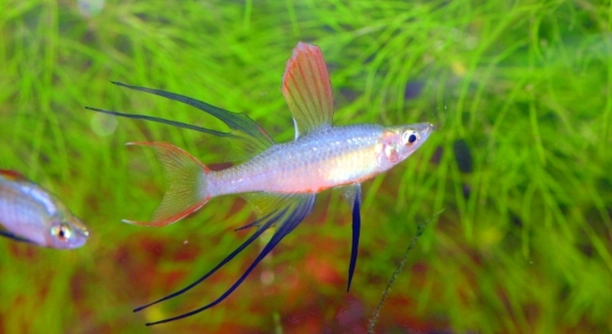
Threadfin fish have a complex social structure that relies on clear hierarchies and interactions. Even small disturbances in their environment or behavior can lead to tension, affecting both dominant and subordinate individuals in their groups.
Mistakes that disrupt threadfin social order often include overcrowding, sudden environmental changes, improper feeding routines, and ignoring aggressive behaviors. Recognizing and mitigating these factors helps maintain stability, ensuring healthier interactions and reducing stress within the group.
Understanding the causes behind these disruptions is essential. Maintaining balance in their environment supports peaceful social dynamics and overall well-being for threadfin populations.
Overcrowding in the Tank
Overcrowding is one of the most common issues that upset threadfin social structure. When too many fish are kept in a confined space, stress levels rise, and aggression becomes more frequent. Dominant fish may chase or nip at subordinate individuals, leading to injuries or prolonged stress. Limited space also reduces opportunities for hiding and resting, which are essential for less dominant fish to feel secure. Additionally, overcrowding can increase competition for food, causing weaker fish to miss meals and lose condition. Regular observation of group behavior helps identify early signs of stress. Rearranging tank decorations or adding partitions can provide territories and reduce conflict. Ensuring adequate filtration and water quality is also critical, as overcrowded tanks tend to accumulate waste quickly. Proper tank size, based on adult fish numbers, promotes natural behavior and harmony. Thoughtful planning prevents social disruption and supports a healthier, more balanced group of threadfin.
Overcrowding directly impacts fish behavior and health, making it essential to provide sufficient space and reduce stressors.
Creating a well-spaced environment encourages natural interactions. Threadfin fish need room to establish territories and retreat when threatened. A spacious setup reduces aggression, supports feeding routines, and allows all individuals to thrive. Regular tank maintenance and monitoring ensure that overcrowding does not compromise the social balance or overall well-being of the fish.
Ignoring Aggressive Behaviors
Aggression in threadfin groups can escalate quickly if left unchecked.
Not addressing early signs of hostility allows conflicts to worsen, destabilizing the hierarchy. Aggressive fish can injure others, increasing stress and reducing overall health.
Monitoring interactions closely is crucial. Aggressive behaviors often include chasing, biting, or blocking access to food and hiding spots. Intervention strategies may include temporarily isolating aggressive fish, rearranging tank decorations to break line-of-sight dominance, or adjusting group composition. Understanding which individuals are prone to aggression helps maintain balance. Consistent observation and prompt responses prevent escalation and protect subordinate fish. Over time, these measures reduce stress levels and promote more stable social dynamics. Careful management of aggression ensures that all fish can feed, rest, and interact without fear, ultimately supporting the long-term health of the group and preserving the natural social order of threadfin populations.
Sudden Environmental Changes
Sudden changes in water temperature, pH, or lighting can disrupt threadfin behavior. Fish may become stressed, aggressive, or withdrawn. Maintaining a stable environment is key to preventing tension and ensuring the group remains balanced and healthy.
Threadfin fish are sensitive to fluctuations in their surroundings. Rapid changes in water conditions can confuse their social hierarchy and trigger unexpected aggression. Even minor adjustments, like moving decorations or changing lighting schedules, can cause stress responses. Fish may hide more often, refuse food, or challenge others unusually. Gradual adjustments and careful monitoring of water parameters help minimize stress. Regular checks and slow acclimation during any environmental change are essential to maintaining harmony in the tank.
Maintaining consistency in feeding, lighting, and water quality supports social stability. Threadfin fish respond positively to predictability, which allows natural interactions without unnecessary tension. Careful observation during any change helps catch potential issues before they escalate. Properly managed adjustments ensure fish remain healthy and confident in their environment.
Improper Feeding Routines
Irregular feeding schedules can upset threadfin social dynamics. Unequal access to food often leads to competition and increased aggression among fish.
Providing a consistent feeding routine reduces conflict. Overfeeding or underfeeding can destabilize the group and harm individual health. Careful attention to portion sizes and timing is critical for maintaining balance.
Threadfin fish rely on predictable feeding patterns to reduce competition. When food is inconsistent, dominant fish may monopolize meals while weaker fish go hungry, causing stress and weakening their condition. Overfeeding can pollute the tank, leading to further stress and increased aggression. Splitting meals into smaller, evenly distributed portions ensures that all individuals receive adequate nutrition. Observing feeding behavior helps identify fish struggling to access food and allows intervention when needed. Consistency, careful portioning, and attention to individual needs prevent unnecessary tension and support a harmonious social structure.
Lack of Hiding Spots
Without sufficient hiding places, subordinate threadfin fish feel exposed and stressed. This can lead to increased aggression from dominant fish and disrupt the social balance of the group.
Providing shelters like plants, rocks, or decorations allows fish to retreat and establish personal space. These safe areas reduce tension, help fish recover from minor conflicts, and maintain a calmer environment overall.
Mixing Incompatible Species
Introducing fish that do not share similar temperaments or sizes can provoke aggression. Incompatible tankmates interfere with natural social hierarchies and increase stress among threadfin fish.
Overhandling or Frequent Disturbances
Excessive handling or repeated disturbances in the tank can unsettle threadfin social structure. Fish may hide excessively, become aggressive, or refuse to feed properly.
FAQ
How can I tell if my threadfin fish are stressed?
Signs of stress in threadfin fish include hiding more than usual, refusing food, sudden aggression, and erratic swimming. Changes in color or fin clamping are also common indicators. Observing their normal behavior closely helps identify early signs before conflicts escalate.
What is the ideal tank size for threadfin fish?
Threadfin require a spacious tank to maintain social stability. A minimum of 50 gallons is recommended for a small group, with additional space for each extra fish. Adequate room reduces competition, allows territories to form, and minimizes aggressive interactions.
How often should I feed threadfin fish?
Feeding two to three times per day in small portions works best. Regular schedules prevent dominance-related food conflicts and ensure all fish get proper nutrition. Overfeeding can pollute the tank, while underfeeding increases stress and competition.
Can tank decorations affect social structure?
Yes, decorations provide hiding spots and territories. Rocks, plants, and partitions allow subordinate fish to retreat safely and help break lines of sight for dominant individuals, reducing aggression. Rearranging decorations occasionally can also prevent fixed dominance patterns.
What water conditions do threadfin fish prefer?
Threadfin thrive in stable water with temperatures around 75–80°F, pH 6.5–7.5, and moderate hardness. Sudden changes in temperature, pH, or clarity can stress fish, triggering aggression and disrupting social hierarchies. Regular monitoring is essential.
Is it safe to mix threadfin with other fish?
Mixing species requires caution. Choose tankmates with similar temperaments and size. Aggressive or highly active fish can destabilize social order, leading to constant stress for threadfin. Observing interactions closely and separating incompatible fish helps maintain harmony.
How do I manage aggression in a group?
Identifying aggressive individuals early is key. Temporary isolation or rearranging the tank can reduce dominance conflicts. Ensuring enough hiding spaces, consistent feeding, and proper tank size also helps balance social interactions naturally.
What role does lighting play in threadfin behavior?
Lighting influences activity levels and stress. Sudden bright lights can startle fish, while dim or consistent lighting supports calmer interactions. Gradual adjustments to natural or artificial light schedules help maintain stability.
How can I prevent overcrowding issues?
Avoid adding too many fish at once. Ensure the tank provides sufficient space per fish. Overcrowding leads to competition, stress, and aggression, affecting the social structure and overall health of the group.
When should I intervene in conflicts?
Intervene if aggression causes injury, prevents feeding, or stresses subordinate fish. Minor chasing is natural, but persistent harassment signals a need for action. Temporary separation, rearranging decorations, or adjusting feeding routines can help restore balance.
Can water quality affect social dynamics?
Yes, poor water quality increases stress and can trigger aggressive behavior. Regular filtration, water changes, and parameter monitoring prevent tension and support healthy social interactions within the tank.
Do threadfin need companions to feel secure?
Threadfin are social fish, and small groups help maintain normal behavior. However, the group size must match tank capacity. Too few or too many fish can destabilize social hierarchies and affect individual well-being.
How do I introduce new threadfin to an existing group?
Acclimate newcomers slowly using a quarantine tank or floating acclimation method. Sudden introduction can trigger fights. Observing interactions during initial days and providing hiding spaces minimizes stress and supports smooth integration.
What are common mistakes that disrupt social order?
Frequent handling, irregular feeding, overcrowding, sudden environmental changes, lack of hiding spots, and incompatible tankmates are major factors. Addressing these prevents unnecessary stress, aggression, and health issues for all fish in the tank.
How long does it take for a stable social structure to form?
Formation of a balanced hierarchy depends on tank conditions, group size, and individual personalities. It may take several days to weeks. Patience, consistent care, and observation are essential for long-term harmony.
Can stress affect the health of threadfin fish?
Yes, prolonged stress weakens the immune system, reduces appetite, and increases susceptibility to disease. Maintaining stable conditions, proper feeding, and sufficient space helps prevent stress-related health problems.
Are there signs that a dominant fish is too aggressive?
Persistent chasing, nipping, or preventing others from accessing food or hiding spots indicates excessive dominance. Intervention is necessary to protect subordinate fish and maintain overall social balance.
How do I balance feeding when some fish are shy?
Provide multiple feeding points and smaller portions. Shy or subordinate fish can access food without being chased, reducing stress and ensuring adequate nutrition for all individuals.
What maintenance routines support social stability?
Regular water changes, filtration checks, consistent feeding, and observing fish behavior help maintain a calm environment. Cleaning the tank without disrupting territories or hiding spots preserves social balance.
Can illness affect social behavior?
Sick fish may become aggressive, withdrawn, or unable to compete for resources. Early detection and treatment of illness prevent disruption in the group and protect overall social structure.
How do I handle sudden aggression in a peaceful group?
Investigate environmental changes, water quality, or food access first. Temporarily isolating the aggressive fish or rearranging decorations often restores balance. Monitoring behavior after intervention ensures harmony returns.
Do juvenile threadfin have the same social rules as adults?
Juveniles are more flexible but still establish hierarchies. Early observation of behavior, proper tank size, and sufficient hiding spots help them develop healthy social interactions without undue stress.
Can frequent tank cleaning disturb social order?
Yes, sudden cleaning or rearranging can stress fish and trigger aggression. Cleaning in stages and maintaining familiar hiding spots minimizes disruption to established social hierarchies.
What is the best way to monitor social balance?
Observe feeding, resting, and territorial behavior regularly. Noting changes in interactions helps identify stress or aggression early, allowing timely adjustments to maintain harmony.
How do I prevent dominant fish from bullying others?
Provide hiding spaces, multiple feeding points, and occasional rearrangement of decorations. If necessary, temporarily isolate the aggressive fish until balance is restored. Regular observation is key to long-term social stability.
Can tank size alone solve aggression problems?
Tank size helps reduce competition but is not the only factor. Proper feeding, hiding spots, compatible group composition, and stable water conditions are equally important for maintaining peaceful interactions.
How do seasonal changes affect threadfin behavior?
Temperature fluctuations or changes in light cycles can stress fish and provoke aggression. Gradual adjustments and monitoring help maintain consistent social dynamics throughout the year.
Are all threadfin fish equally social?
Individual personalities vary. Some fish are naturally dominant, while others are shy. Observing behavior and making environmental adjustments ensures that all fish coexist peacefully without long-term stress.
Can stress behaviors be reversed?
Yes, with proper care. Addressing overcrowding, feeding routines, hiding spots, water quality, and aggressive individuals allows fish to return to normal behavior, restoring a healthy social structure over time.
How often should I check on my threadfin’s social interactions?
Daily observation is ideal. Noticing small changes early allows intervention before issues escalate, maintaining a stable and healthy group environment.
Do tank plants really reduce aggression?
Yes, plants act as visual barriers and hiding spots. They give subordinate fish safe retreats and reduce line-of-sight dominance, helping maintain a balanced social hierarchy.
Can social instability affect breeding?
Stress and aggression can reduce spawning or lead to egg and fry loss. Stable, peaceful conditions support natural breeding behavior and improve offspring survival rates.
Is there a maximum group size for threadfin fish?
Group size should match tank capacity. Too many fish increase stress and competition, while too few can reduce natural social interactions. Balance ensures harmony and healthy behavior.
How do I reintroduce a previously isolated aggressive fish?
After a cooling-off period, gradually reintroduce the fish while providing hiding spots and monitoring closely. Ensure it does not dominate or stress others before permanent reintegration.
Can diet influence social behavior?
Yes, poor nutrition can increase irritability and weaken weaker fish, causing imbalance. Consistent, high-quality feed supports calm behavior and overall health.
What is the role of observation in maintaining harmony?
Regularly watching fish interactions helps detect early stress, aggression, or environmental issues. Prompt responses prevent disruption, ensuring long-term stability and well-being in the group.
How do I handle a fish that refuses to eat due to bullying?
Provide separate feeding areas or temporarily isolate the fish. Ensure adequate nutrition and gradually reintegrate once it feels safe.
Can adding more hiding spots resolve most social problems?
Often, yes. Hiding spots allow subordinate fish to retreat and dominant fish to establish territories without conflict. However, they must be combined with proper tank size and feeding practices for full effectiveness.
Are some fish more sensitive to environmental changes than others?
Yes, subordinate or juvenile fish are typically more affected by stressors. Extra care with stability, hiding spots, and feeding helps protect these vulnerable individuals.
What is the most effective way to restore balance after conflicts?
Identify triggers, provide hiding spaces, adjust feeding, and isolate aggressive fish if needed. Gradual reintegration and careful observation ensure social stability.
How can I encourage natural behavior without causing stress?
Maintain stable conditions, provide hiding spots, consistent feeding, and monitor interactions. Minimal disturbance and gradual environmental changes allow fish to behave naturally without tension.
How important is water quality in social behavior?
Critical. Poor water quality stresses fish, increases aggression, and can disrupt hierarchy. Regular testing, filtration, and water changes are essential to maintain healthy social dynamics.
Can aggression be completely eliminated?
No, some natural hierarchy behaviors are expected. The goal is to manage aggression so it does not harm subordinate fish or destabilize the group. Proper tank management reduces harmful conflicts.
How do I know if my tank layout is working?
Observe interactions. Fish should have access to food, hiding spots, and open swimming areas. Reduced chasing and calmer behavior indicate an effective layout.
Is it necessary to separate fish permanently if aggression occurs?
Not always. Temporary isolation and environmental adjustments often resolve conflicts. Permanent separation is only needed for persistent, harmful aggression.
Can stress from social disruption affect lifespan?
Yes, chronic stress weakens immunity and increases disease risk, potentially shortening lifespan. Stable social conditions help maintain long-term health.
How do I track progress in reducing aggression?
Keep notes on behavior, feeding, and hiding. Compare patterns over time to ensure interventions are effective and the group remains balanced.
What is the best approach to prevent social disruption long-term?
Consistent tank maintenance, proper feeding, adequate space, hiding spots, compatible group composition, and careful observation support lasting stability and healthy interactions.
How do I know when the group is fully stable?
Fish feed calmly, interact normally, hide when needed without harassment, and show minimal chasing. Consistent behavior over weeks indicates a balanced social structure.
Can stress from handling affect social hierarchy?
Yes, frequent handling or moving fish can trigger temporary aggression or hiding. Minimizing disturbance preserves hierarchy and reduces stress.
How do I manage multiple aggression triggers at once?
Prioritize environmental stability, hiding spots, feeding routines, and tank size. Address dominant individuals and monitor behavior to maintain calm and healthy social dynamics.
Are juvenile fish more flexible in social roles?
Yes, younger fish adapt more easily, but proper space, hiding spots, and monitoring are still needed to prevent conflicts and ensure healthy interactions.
How do I prevent bullying during feeding time?
Distribute food in multiple areas, feed small portions, and observe interactions. Adjust as needed to ensure all fish eat without being harassed.
What is the role of observation in early conflict detection?
Careful monitoring allows you to spot aggression, stress, or hierarchy changes early. Timely intervention prevents escalation and maintains group stability.
How can I reduce aggression without isolating fish?
Provide hiding spots, multiple feeding points, rearrange decorations, and maintain proper tank conditions. These changes reduce tension while keeping the group together.
Is it normal for dominant fish to occasionally chase others?
Yes, occasional chasing is natural hierarchy behavior. Concern arises only when aggression is persistent, injurious, or prevents feeding and resting.
Can seasonal temperature changes increase aggression?
Yes, sudden shifts in temperature can stress fish, provoking fighting. Gradual adjustments prevent disruption and maintain harmony.
How do I safely integrate new fish into an established group?
Use a quarantine or floating acclimation process, provide hiding spots, and observe interactions closely. Gradual introduction reduces stress and conflict.
What is the best way to deal with shy fish?
Ensure hiding places, multiple feeding points, and calm surroundings. Gradual acclimation and minimal disturbance help shy fish thrive within the group.
Can tank size compensate for poor feeding routines?
No, space alone cannot prevent competition or aggression caused by irregular feeding. Consistent meals and proper portions are essential for social stability.
How do I maintain harmony if one fish is consistently aggressive?
Temporary isolation, rearranging the tank, or adding hiding spots often resolves repeated aggression. Monitor closely before permanent reintegration to prevent further stress.
Are there long-term effects of early social disruption?
Yes, chronic stress during formative stages can affect growth, health, and behavior. Maintaining stable conditions early supports lifelong well-being.
How can I tell if a shy fish is being bullied?
Observe feeding access, hiding frequency, and interaction with dominant fish. Excessive avoidance or missed meals indicates bullying. Intervention may be needed.
What is the impact of water chemistry fluctuations on social behavior?
Sudden changes in pH, hardness, or temperature increase stress and can trigger aggression, disrupting established hierarchies. Regular monitoring and gradual adjustments prevent conflict.
Can rearranging tank decorations improve social balance?
Yes, changing positions of hiding spots or breaking line-of-sight for dominant fish helps reduce repeated conflicts and supports natural behavior.
How do I maintain stability during tank maintenance?
Clean in stages, preserve familiar hiding spots, and avoid sudden large changes. Gradual maintenance minimizes stress and prevents hierarchy disruption.
How often should I observe feeding behavior?
Daily observation ensures all fish eat adequately and allows early detection of aggressive or stressed individuals. Timely intervention prevents long-term social disruption.
Can stress from overcrowding be reversed?
Yes, increasing space, reducing fish numbers, and providing hiding spots help restore calm and balance, supporting healthier interactions.
Are all fish equally affected by environmental changes?
No, subordinate or juvenile fish are more sensitive. Extra care with stability and hiding spots protects vulnerable individuals and maintains group harmony.
How do I handle sudden aggression in a previously peaceful tank?
Check water conditions, feeding routines, and tank layout. Isolate aggressive fish if needed and provide additional hiding spots to restore calm.
Can social instability affect breeding success?
Yes, stress and aggression reduce spawning frequency and fry survival. Stable, peaceful conditions improve reproductive outcomes.
How do I prevent future social disruption?
Maintain proper tank size, feeding routines, hiding spots, compatible groups, and monitor behavior consistently. Address problems early to ensure long-term stability.
What is the role of hiding spots in juvenile development?
They provide safety, reduce stress, and allow young fish to explore without interference from dominant adults, supporting healthy social learning.
How can I reduce stress from environmental changes?
Gradual adjustments, stable water conditions, and careful observation minimize stress and prevent disruption of social dynamics.
Is consistent feeding more important than tank size?
Both are critical, but inconsistent feeding can immediately trigger aggression, while tank size supports long-term stability. Both factors must be balanced.
How do I handle aggressive tankmates in a mixed-species setup?
Monitor interactions closely, provide hiding spots, and separate fish if aggression persists. Only compatible species should remain together to protect social balance.
Can a dominant fish be rebalanced without isolation?
Yes, rearranging decorations, adding hiding spots, and ensuring equal feeding access often reduce dominance and restore harmony.
Are there behavioral signs that a fish is unhappy?
Yes, hiding, refusal to feed, chasing, or erratic swimming indicate stress, aggression, or disruption of social hierarchy.
What preventative measures maintain long-term harmony?
Stable water conditions, adequate space, hiding spots, regular feeding, compatible group composition, and consistent observation reduce stress and aggression.
How do I ensure all fish get enough food?
Feed small portions in multiple locations. Observe interactions to prevent dominant fish from monopolizing meals. Adjust feeding strategies as needed.
Can tank layout alone solve social problems?
No, layout helps, but must be combined with proper feeding, tank size, and water stability for full effectiveness.
Is aggression always bad?
No, minor chasing is normal for establishing hierarchy. Only persistent or injurious aggression requires intervention.
How do I prevent environmental stressors from disrupting social structure?
Maintain stable temperature, pH, lighting, and water quality. Gradual changes and careful observation minimize stress and maintain hierarchy.
Can minor conflicts strengthen social bonds?
Yes, occasional minor disputes allow fish to establish roles without causing injury, supporting a balanced hierarchy.
How do I know when intervention is necessary?
If aggression injures fish, prevents feeding, or causes excessive hiding, action is needed to restore social stability.
Can shy fish recover from bullying?
Yes, with adequate hiding spots, proper feeding, and temporary separation if needed, shy fish can regain confidence and integrate safely.
How do I maintain stable social dynamics during seasonal changes?
Gradually adjust temperature, lighting, and feeding schedules. Monitor behavior closely to prevent aggression and maintain harmony.
Can consistent observation prevent long-term problems?
Absolutely, early detection of stress, aggression, or environmental issues allows timely interventions, preserving the group’s social structure and overall health.
How do I balance dominant and subordinate fish needs?
Provide hiding spots, multiple feeding points, and sufficient space. Occasional adjustments prevent dominance from harming weaker fish while maintaining natural hierarchy.
Is social disruption reversible?
Yes, addressing environmental, feeding, space, and behavioral issues allows the group to return to a stable, peaceful state over time.
What is the best overall approach to prevent problems?
Stable conditions, proper tank size, consistent feeding, hiding spots, compatible fish, and careful observation ensure long-term social stability and healthy behavior.
Can neglecting minor signs lead to major issues?
Yes, ignoring early signs of stress or aggression allows problems to escalate, potentially harming fish health and disrupting the social hierarchy.
How do I ensure all fish feel secure?
Provide space, hiding spots, consistent feeding, and a calm environment. Minimizing stressors helps every fish maintain confidence and natural behavior.
What combination of factors ensures long-term harmony?
Balanced tank size, consistent feeding, hiding places, stable
Threadfin fish have a delicate social structure that depends on stable conditions and careful management. Even minor mistakes in tank setup, feeding routines, or environmental changes can create tension among the group. Observing fish behavior closely helps identify early signs of stress or aggression before problems escalate. Providing sufficient space, hiding spots, and multiple feeding areas supports the natural hierarchy and reduces conflict. Maintaining stable water conditions, including temperature, pH, and cleanliness, is equally important for preventing disruptions to their social balance. By paying attention to these details, it is possible to create a calm and healthy environment where all fish can thrive together. Careful planning and ongoing care are essential to maintain harmony in any group of threadfin fish, as even small disruptions can have long-lasting effects if left unaddressed.
Aggression among threadfin is a natural part of their social dynamics, but unchecked hostility can harm weaker or subordinate individuals. Identifying aggressive behavior early allows for interventions that restore balance without permanently separating fish unless absolutely necessary. Rearranging decorations, adding partitions or hiding spaces, and ensuring consistent feeding can reduce dominance disputes and minimize stress. Gradual acclimation of new fish into an established group is also important to avoid conflicts. Observing how fish interact during feeding and rest periods can provide insight into the overall health of the social structure. Maintaining predictability in routines and environmental conditions helps all individuals feel secure and reduces tension. Over time, these small but consistent efforts result in a more stable hierarchy, healthier fish, and a more enjoyable aquarium experience.
Long-term success with threadfin fish relies on patience and attentive care. Social stability is not achieved instantly; it develops gradually as fish establish their roles and adapt to the environment. Regular monitoring of behavior, water quality, and feeding routines ensures that problems are identified and addressed promptly. Providing a balance of space, food, and hiding spots allows subordinate fish to feel safe while dominant fish maintain their roles without causing excessive harm. Environmental consistency and careful adjustments to any changes help prevent stress and aggression. By understanding the needs of threadfin fish and proactively maintaining their tank, it is possible to support a peaceful, healthy, and thriving community. Consistency, observation, and attention to detail are the keys to sustaining harmony within their social structure and ensuring that each fish can live comfortably in a balanced environment.

Hello,
If you enjoy the content that we create, please consider saying a "Thank You!" by leaving a tip.
Every little bit helps us continue crafting quality advice that supports the health, happiness, and well-being of pets around the world, for pets of all shapes, sizes, and species.
We really appreciate the kindness and support that you show us!