
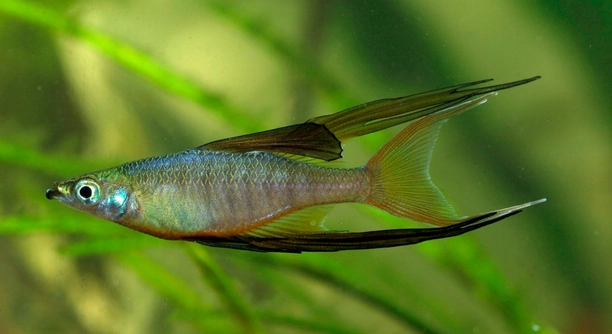
Threadfin Rainbowfish are small, colorful fish popular in home aquariums. Many aquarists notice these fish moving between different water levels throughout the day. Their constant movement can seem unpredictable and sometimes even puzzling for fishkeepers.
Threadfin Rainbowfish adjust their depth to optimize feeding, regulate body temperature, and reduce stress. These behaviors are influenced by light intensity, water quality, and the presence of other fish. Daily depth changes are a natural response to environmental and social conditions.
Observing their shifting patterns can reveal much about their comfort and health in the aquarium. Understanding these behaviors helps maintain a balanced and thriving aquatic environment.
Daily Depth Changes Explained
Threadfin Rainbowfish often move up and down in the tank depending on the time of day. In the morning, they tend to stay closer to the surface where light is brighter, helping them locate food easily. Midday movements often take them to mid-level waters, likely seeking moderate light and comfort. In the evening, many prefer the bottom layers, where water is cooler and calmer. These depth changes are natural and help them balance their energy, avoid stress, and interact with other tank mates appropriately. Even minor changes in water temperature or oxygen levels can influence how high or low they swim. Observing their patterns can give insight into tank conditions. Maintaining stable water quality, providing hiding spots, and offering a varied diet supports healthy movement. Recognizing these shifts allows you to adjust feeding routines and monitor overall well-being without interfering with their natural behavior.
Daily depth shifts reflect natural behavior and environmental adaptation in the aquarium setting.
Monitoring these patterns helps ensure the fish are comfortable, reducing stress and promoting healthier growth over time. Observing their preferences can guide adjustments in lighting, temperature, and feeding schedules to match their natural routines.
Factors Affecting Depth Preferences
Light and temperature strongly influence where Threadfin Rainbowfish choose to swim.
Light levels signal feeding opportunities, while temperature layers affect comfort. Sudden changes in brightness may push them lower in the tank, and warmer surface water can encourage mid-level movement. Tank decorations and hiding spots also play a role, giving them safe zones to retreat when needed. Consistent water quality, proper filtration, and oxygenation support stable depth choices. Overcrowding or aggressive tank mates may force them to adapt to less preferred areas temporarily. Even feeding habits shape their movement, as they track food availability. Observing their daily patterns allows careful adjustments in care, ensuring they remain healthy and active.
Depth preferences are guided by a combination of environmental factors and social interactions. Tank setup, including plants and hiding spaces, can encourage natural movement. By maintaining consistent water conditions, monitoring temperature layers, and providing sufficient space, aquarists can support the fish’s comfort and reduce stress. Feeding at regular times in different tank areas can also influence where they spend their time. Additionally, watching their interactions with other fish helps identify potential stressors. Proper care ensures their natural behaviors are preserved while minimizing sudden or extreme depth changes. Recognizing these patterns is essential for maintaining a thriving aquarium and promoting long-term health for Threadfin Rainbowfish.
Feeding and Depth Movement
Threadfin Rainbowfish often adjust their swimming depth based on feeding. Surface-feeding food attracts them upward, while sinking pellets draw them lower. These shifts ensure they efficiently access available nutrition without competing too heavily with other tank mates.
Regular feeding routines help maintain predictable depth patterns. Morning feedings at the surface encourage activity near the top, while afternoon or evening feedings with sinking foods promote mid-level and bottom movement. Variations in food type, quantity, and frequency influence how often and how far they move. Observing these patterns allows you to time feedings and select food that matches their natural behaviors, supporting overall health and reducing stress caused by overcrowding or uneven food distribution.
Depth movement during feeding also reflects social dynamics. More dominant fish may claim surface access, pushing others downward. Understanding these behaviors helps in managing tank populations, ensuring all fish receive adequate nutrition. Providing multiple feeding spots can reduce conflict and allow less aggressive fish to feed comfortably. Adjusting feeding strategies to match natural movement encourages a balanced and active aquarium environment where each fish can thrive without undue stress or competition.
Environmental Enrichment
Threadfin Rainbowfish respond strongly to tank features and decorations. Plants, rocks, and driftwood create preferred zones and influence depth choice.
Adding vertical plants and hiding spots encourages movement across levels, giving fish places to explore or retreat. Open swimming areas allow them to remain near the surface without feeling exposed. Changing decorations occasionally provides stimulation, but sudden rearrangements can stress the fish. Maintaining consistent water parameters, like temperature, pH, and oxygenation, ensures their comfort while exploring. Observing their use of these features can guide adjustments to promote healthy activity and natural behaviors.
Environmental enrichment also supports social interactions and mental stimulation. Multiple hiding spots reduce territorial disputes and allow timid fish to feel secure. Structured open areas support schooling behavior, letting them swim freely while staying connected. By creating a layered environment, aquarists can mimic natural habitats, encouraging natural depth shifts and exploration. Careful placement of plants, rocks, and other decorations ensures that all tank zones are accessible and safe, enhancing the fish’s overall well-being. Monitoring how Threadfin Rainbowfish respond to these adjustments helps maintain a balanced and active aquarium, supporting both physical and behavioral health.
Light and Shade Preferences
Threadfin Rainbowfish adjust their depth based on light intensity. Bright light often encourages mid-level or lower swimming, while dimmer areas attract them to upper levels. Consistent lighting helps maintain predictable behavior and reduces stress.
Providing shaded areas with plants or ornaments lets fish choose comfortable spots. They naturally seek balance between exposure and shelter, adjusting positions throughout the day. Light gradients can also influence feeding patterns and activity levels, making observation easier. Small changes in lighting can shift depth preferences, so gradual adjustments are best to avoid startling the fish.
Schooling Behavior
These fish often move in groups, which affects depth choice. Fish within a school follow leaders and mirror movements, creating synchronized patterns. Schooling provides safety, social interaction, and reduces stress.
Maintaining a proper group size encourages natural swimming and depth changes. Isolation or overcrowding can disrupt schooling, leading to uneven swimming patterns. Observing their interactions provides insight into comfort levels and tank harmony.
Water Quality Impact
Water quality strongly affects how high or low they swim. Poor oxygen levels or unbalanced pH may force them to seek safer zones.
Keeping parameters stable supports healthy movement and encourages natural behaviors throughout the day. Regular testing and maintenance help prevent stress-related depth shifts.
FAQ
Why do Threadfin Rainbowfish move up and down all day?
They move to balance feeding, temperature, and comfort. Surface areas are ideal for light and food in the morning, mid-level areas are suitable during warmer parts of the day, and lower levels provide cooler, calmer zones. Their movement is natural and helps reduce stress.
Is it normal for them to suddenly dive to the bottom?
Yes. Sudden movements often reflect environmental changes, such as light intensity, water temperature shifts, or the presence of other fish. A quick descent can also signal minor stress, but it is generally temporary if water quality is stable.
How does feeding affect depth?
Threadfin Rainbowfish follow food availability. Surface flakes draw them upward, while sinking pellets encourage mid-level or bottom activity. Feeding multiple areas ensures all fish access food and reduces competition among tank mates. Observing their feeding patterns helps optimize placement of food.
Do tank decorations influence their depth preference?
Yes. Plants, rocks, and driftwood create shaded zones that provide shelter and encourage exploration. Open swimming areas support surface activity. Proper arrangement of decorations allows fish to move naturally between levels and reduces territorial conflicts.
Can water temperature changes force them to change depth?
Absolutely. Warmer water near the surface may push them to mid-levels or lower regions where it is cooler. Conversely, slightly cooler water can attract them upward. Maintaining stable temperature gradients ensures predictable depth behavior.
How many should I keep in one tank?
A small school of at least six promotes natural schooling behavior and encourages regular movement across all levels. Fewer fish may exhibit stress or unusual patterns, while overcrowding can lead to competition and reduced comfort.
Do they prefer bright or dim lighting?
They seek a balance. Bright light encourages mid-level swimming, while shaded or dim areas allow them to rest safely. Providing a mix of lighting conditions supports natural behavior and depth shifts throughout the day.
What if some fish stay at the bottom constantly?
This can indicate stress, illness, or social subordination. Ensure water quality is optimal, check for aggressive tank mates, and provide sufficient hiding spots. Consistent monitoring can help identify the cause and restore healthy movement patterns.
Can water flow affect their swimming depth?
Yes. Strong currents may push them downward or limit surface swimming. Gentle flow encourages mid-level movement and reduces fatigue. Adjusting filter output or current placement can help fish move naturally and comfortably.
How do social interactions influence depth choice?
Dominant fish often control upper areas, pushing others to mid or lower levels. Schooling behavior helps maintain balance, allowing weaker fish to feel secure. Observing interactions helps manage tank harmony and reduce stress-related depth changes.
Should I worry if they frequently switch depths?
Frequent movement is typically normal and indicates active, healthy fish. Persistent erratic behavior combined with other stress signs, like clamped fins or loss of appetite, warrants checking water conditions and tank dynamics.
Do seasonal changes matter in an aquarium?
They can. Slight variations in room temperature or daylight exposure affect water conditions, indirectly influencing swimming depth. Maintaining consistent tank parameters mitigates seasonal effects and keeps depth patterns stable.
Can adding more plants help with depth balance?
Yes. Vertical plants provide cover, encourage exploration, and create zones for different depths. Fish feel safer when they can choose between open swimming areas and sheltered spots. This supports natural movement and reduces stress-related behaviors.
How often should I monitor their depth behavior?
Daily observation is useful, especially after changes in feeding, lighting, or tank setup. Noting patterns helps identify stressors or health issues early and allows adjustments before problems escalate.
Is schooling necessary for proper depth movement?
Schooling encourages synchronized swimming and natural depth shifts. Without a proper group, fish may become less active, display unusual patterns, or stay isolated at certain levels. Keeping a small school supports healthy, balanced activity.
Can illness affect their depth preference?
Yes. Sick fish may stay near the surface for more oxygen or hide at the bottom to avoid stress. Regular monitoring and prompt treatment are key to maintaining natural depth behavior.
Does water chemistry play a role in depth choice?
Absolutely. pH, ammonia, nitrate, and oxygen levels influence comfort and movement. Poor water chemistry can force fish into less preferred areas, creating stress. Maintaining stable water quality promotes predictable, healthy swimming patterns.
Are Threadfin Rainbowfish sensitive to noise or vibrations?
They can react to sudden disturbances by diving or shifting levels. Minimizing abrupt noise and vibrations around the tank helps maintain stable depth behavior and reduces stress.
Can tankmates affect their depth changes?
Yes. Aggressive or territorial fish can push Threadfin Rainbowfish to lower levels, while compatible schooling species encourage synchronized movement. Observing social interactions helps maintain a peaceful, balanced environment.
Do depth patterns change as they age?
Older fish may explore less or prefer certain levels. Juveniles often move more actively through all depths. Age-related behavior is normal but should be observed to ensure comfort and proper tank conditions.
How does oxygen distribution affect depth?
Higher oxygen levels near the surface attract fish upward, while lower levels may push them downward. Ensuring proper aeration and circulation promotes even distribution, supporting natural depth movement.
Can artificial lighting mimic natural depth cues?
Yes. Gradual lighting cycles and dimmer zones replicate natural day-night transitions, encouraging predictable movement. Balanced lighting reduces stress and aligns with their instinctual depth preferences.
What signs indicate stress affecting depth movement?
Clamped fins, erratic swimming, hiding excessively, or staying at one level for long periods can indicate stress. Checking water quality, tank mates, and feeding routines helps resolve the issue.
Does tank size impact depth behavior?
Smaller tanks limit movement and can increase conflict, while larger tanks allow natural vertical exploration. Providing sufficient vertical space ensures healthy depth changes and encourages natural schooling behavior.
Can temperature layering be used to influence depth?
Yes. Gentle gradients in temperature allow fish to choose preferred zones. Consistent layers encourage natural daily movement and prevent sudden stress-driven shifts.
How do I encourage natural depth shifts?
Provide varied lighting, multiple feeding zones, decorations, and appropriate tank mates. Maintain stable water conditions and observe daily patterns to ensure fish feel comfortable exploring all depths.
Is it necessary to adjust feeding times for depth behavior?
Adjusting feeding locations and timing can help maintain balanced movement and reduce competition. Strategic feeding encourages exploration across the tank and supports natural daily depth shifts.
How long does it take for fish to settle into stable depth patterns?
Typically a few days to a couple of weeks after changes in tank setup, feeding, or water conditions. Observing their behavior during this period ensures they adapt comfortably.
Do seasonal room temperature changes affect their movement?
Yes. Slight increases or decreases in room temperature can alter water layers, influencing depth choice. Monitoring and stabilizing tank conditions minimizes sudden changes and supports consistent behavior.
Can depth movement indicate reproductive behavior?
During spawning, males may swim closer to the surface or mid-levels to display, while females may shift to lower zones. Providing appropriate plants and hiding spots supports natural reproductive behaviors.
Is frequent depth changing a sign of good health?
Generally, yes. Active movement across all tank levels shows energy, curiosity, and comfort. Sudden cessation of movement or unusual hiding may indicate a problem requiring attention.
How does water current placement affect their swimming?
Currents can influence whether they stay near the bottom, mid-level, or surface. Gentle, well-distributed flow encourages natural movement without forcing fish into stressful zones.
Can lighting color influence depth preference?
Yes. Warmer light can encourage upper-level swimming, while cooler light may encourage mid-level or shaded-zone activity. Adjusting color temperature subtly can support comfort.
How do I know if depth shifts are excessive?
Depth changes are excessive if combined with stress signs like clamped fins, lethargy, or erratic movement. Regular observation and water monitoring help maintain healthy behavior.
Should I change tank setup to encourage mid-level swimming?
Yes. Positioning plants, open spaces, and feeding zones strategically encourages fish to explore mid-level areas while maintaining choice for surface or bottom access.
Can seasonal changes in light intensity affect depth behavior?
Gradual seasonal changes can influence daily patterns, especially if daylight exposure affects room lighting. Using artificial lighting with consistent schedules maintains predictable depth movement.
How can I make all tank areas equally attractive?
Balanced decorations, feeding points, and lighting gradients encourage exploration across all levels. Providing safe zones and open spaces ensures natural movement without forcing fish into one area.
Do fish that school less move differently?
Yes. Individuals may prefer specific levels, leading to uneven movement. Maintaining small schools supports natural depth patterns and social cohesion, encouraging balanced activity.
What are the long-term benefits of observing depth behavior?
Regular observation identifies stress, water quality issues, and social conflicts early. This ensures fish remain healthy, active, and comfortable in their environment, supporting overall aquarium stability.
How can I reduce stress-related depth changes?
Maintain stable water quality, provide hiding spots, balance tankmates, and monitor feeding routines. Gentle adjustments in lighting and flow support calm, natural movement.
Is monitoring depth behavior part of regular fish care?
Yes. Observing how Threadfin Rainbowfish move throughout the day provides insight into health, comfort, and environmental balance, making it an important aspect of responsible aquarium care.
Can environmental enrichment reduce excessive depth shifts?
Yes. Plants, rocks, and varied feeding zones give fish choices, reducing stress-induced movement and encouraging natural exploration across all tank levels.
How do I handle aggressive tankmates affecting depth?
Separate aggressive species, add hiding spots, or rearrange decorations to provide safe zones. Ensuring peaceful social interactions maintains natural depth behavior.
Does schooling behavior change with tank size?
Smaller tanks may limit movement and reduce schooling synchronization. Larger tanks support natural group dynamics, allowing depth shifts that mimic natural swimming patterns.
Can oxygenation equipment influence their preferred depth?
Yes. Air stones, filters, and circulation affect oxygen distribution, which can encourage fish to move upward or downward. Proper setup supports healthy, balanced movement.
How do I know if changes in depth are due to stress or normal behavior?
Normal behavior shows predictable daily patterns and occasional shifts. Stress-related changes are often sudden, erratic, or accompanied by physical signs like clamped fins, hiding, or reduced appetite.
Are there any signs that indicate water parameters need adjusting?
Frequent bottom-dwelling, rapid breathing, or erratic swimming often point to issues with pH, temperature, or oxygen levels. Regular testing and maintenance prevent long-term problems.
Can temperature swings cause permanent behavioral changes?
Frequent, extreme swings may stress fish and alter depth preferences long-term. Stable temperatures maintain natural daily movement and support healthy activity.
Is it normal for depth behavior to vary between individual fish?
Yes. Personality, social rank, and health can cause some fish to prefer certain levels more than others. Balanced schooling and adequate space reduce conflicts.
How does age affect their daily movement patterns?
Younger fish explore more actively across all levels, while older fish may prefer specific zones. Age-related changes are natural but should still reflect healthy activity.
Do feeding frequency and portion size impact depth movement?
Yes. Larger meals at the surface draw fish upward, while smaller or sinking portions encourage mid-level or bottom movement. Balanced feeding supports predictable depth behavior.
Can seasonal tank maintenance affect swimming patterns?
Yes. Water changes, filter cleaning, or plant rearrangements can temporarily shift depth choices. Gradual adjustments minimize stress and preserve natural movement.
How can I encourage schooling behavior to maintain balanced depth?
Keep at least six fish together, provide open swimming areas, and avoid overcrowding. Consistent feeding and lighting schedules reinforce synchronized movement.
Does stress from outside the tank affect depth behavior?
Yes. Vibrations, loud noises, or sudden movements can trigger quick dives or mid-level hiding. Minimizing external disturbances supports calm, stable depth patterns.
Can light cycles influence depth during night hours?
Yes. Gradual dimming encourages them to settle near bottom or mid-level zones. Sudden darkness may startle them, causing erratic movement or stress.
How does vertical space in the tank affect depth changes?
Taller tanks allow natural exploration across all levels. Limited vertical space can restrict movement and affect social dynamics, reducing natural schooling behavior.
Are there natural signs that the tank environment is suitable?
Consistent daily movement, schooling, feeding across levels, and minimal hiding indicate a comfortable, healthy environment. Observing these behaviors ensures the tank meets their needs.
Can depth observation help in disease prevention?
Yes. Early detection of unusual swimming or hiding can indicate water quality issues or illness. Prompt action prevents serious health problems and maintains natural behavior.
Do male and female fish differ in depth patterns?
Males may explore upper or mid-levels more frequently, especially during display behaviors, while females often stay mid-level or lower. Observing these differences supports proper tank management.
How long should I observe behavior before making tank changes?
A week of consistent observation provides reliable patterns. Sudden or erratic movements warrant checking water quality or social dynamics before adjustments.
Can depth movement indicate readiness for breeding?
Yes. Males may display near mid or upper levels, while females may seek cover. Providing proper plants and hiding spaces supports successful breeding behaviors.
Is it important to document depth patterns?
Yes. Tracking movement helps identify trends, stress, or health issues. Consistent records support informed adjustments to feeding, lighting, and tank setup.
Do depth preferences vary with diet type?
Yes. Floating foods encourage surface activity, sinking foods promote mid-level or bottom exploration. A varied diet ensures balanced movement and reduces competition.
Can depth behavior indicate tank overcrowding?
Yes. Frequent hiding or limited movement may signal overcrowding. Providing adequate space and multiple zones allows natural swimming and reduces stress.
How does oxygenation influence long-term swimming habits?
Consistent oxygen levels support predictable daily patterns. Poor aeration can force prolonged stays near the surface, increasing stress and limiting natural depth shifts.
Does sudden introduction of new fish affect depth behavior?
Yes. Established fish may shift levels to assert dominance or avoid newcomers. Gradual introductions minimize disruption and maintain natural depth movement.
Can temperature stratification encourage natural daily movement?
Yes. Gentle layers allow fish to select preferred zones throughout the day, supporting energy balance and comfort. Stable gradients reduce stress-driven shifts.
Do nighttime behaviors differ from daytime depth patterns?
Yes. Fish often move lower or mid-level at night, seeking shelter and reducing activity. Proper lighting and hiding spots support restful nighttime behavior.
Is it normal for fish to prefer one level most of the day?
Yes, if the area provides optimal comfort, light, and safety. Sudden changes in water or social dynamics may alter this preference temporarily.
How do I prevent depth-related stress in a community tank?
Provide hiding spots, balanced schooling groups, gentle currents, and consistent feeding. Observing interactions ensures all fish can access preferred zones comfortably.
Can depth tracking indicate water flow issues?
Yes. Fish avoiding certain levels may reflect strong currents or stagnant zones. Adjusting filters and circulation promotes even movement across the tank.
Do fish exhibit seasonal depth behavior changes indoors?
Slight variations in room temperature or daylight can shift preferences. Artificial lighting and stable conditions maintain consistent daily patterns.
How does vertical tank structure affect exploration?
Multiple levels with plants, open space, and hiding spots encourage natural movement. Limiting vertical zones can restrict exploration and schooling behaviors.
Can observing depth behavior improve overall tank management?
Yes. It provides insight into water quality, feeding efficiency, social harmony, and environmental enrichment. Regular monitoring supports healthy, active, and stress-free fish.
Do individual personalities influence depth preference?
Yes. Bold fish may explore upper levels more, while shy fish stick to lower zones. Balanced schooling and adequate hiding spots accommodate all personalities.
How long should I maintain depth observations for reliable insight?
Observing daily for one to two weeks provides consistent patterns. Changes outside this range may indicate stress, illness, or environmental shifts.
Can depth tracking help prevent conflicts between tankmates?
Yes. Understanding preferred zones allows better placement of decorations, hiding spots, and feeding areas to minimize aggression and stress.
Does water chemistry consistently affect depth behavior?
Yes. Imbalances in pH, ammonia, nitrates, or oxygen can push fish into less preferred levels. Stable water chemistry supports predictable swimming.
Can depth patterns indicate social hierarchy?
Yes. Dominant fish often claim preferred upper zones, while subordinate fish occupy lower or mid-levels. Observing these dynamics helps maintain balance and reduces stress.
How does tank height impact schooling depth?
Tall tanks allow vertical schooling and natural depth shifts. Short tanks limit movement and may force fish into unnatural positions, affecting behavior and health.
Can depth patterns reveal early signs of illness?
Yes. Fish staying at unusual levels, avoiding food, or exhibiting erratic swimming may indicate health issues. Early detection allows prompt intervention.
How does enrichment influence long-term depth behavior?
Plants, hiding spots, and open areas encourage exploration, reduce stress, and maintain natural daily movement patterns. Regular enrichment keeps fish active and comfortable.
Do Threadfin Rainbowfish prefer certain areas for resting?
Yes. They often rest in shaded mid or lower areas, away from bright light or strong currents, while remaining alert to activity around them.
Can feeding strategies reduce depth-related aggression?
Yes. Providing food at multiple levels ensures even access, preventing competition and allowing peaceful coexistence across all swimming zones.
Does depth behavior indicate readiness to breed?
Yes. Males display near mid or upper levels, and females may seek cover. Appropriate plants and zones support spawning activities.
How often should I check water quality to support depth behavior?
Weekly testing of pH, ammonia, nitrites, nitrates, and oxygen ensures stable conditions. Regular maintenance prevents stress-driven depth shifts and promotes healthy movement.
Can depth behavior be influenced by tank placement in a room?
Yes. Exposure to vibrations, sunlight, or drafts can cause sudden movements. Choosing a stable location minimizes external stressors and encourages natural depth patterns.
How do I encourage uniform movement across the tank?
Provide vertical plants, open swimming areas, multiple feeding zones, gentle currents, and stable water parameters. This encourages balanced depth exploration and reduces stress.
Can sudden environmental changes affect schooling depth behavior?
Yes. Rapid temperature, light, or water parameter changes can disrupt synchronized swimming. Gradual adjustments maintain comfort and natural depth patterns.
Do depth patterns help predict feeding preferences?
Yes. Observing where fish spend time indicates which feeding zones are most effective, allowing better placement of floating or sinking foods.
Can depth tracking aid in long-term aquarium planning?
Yes. Understanding daily movement, schooling, and environmental preferences guides tank setup, feeding schedules,
Final Thoughts
Threadfin Rainbowfish are remarkable for their constant movement across all levels of the aquarium. Observing their daily depth changes provides insight into their natural behaviors, comfort, and overall health. Their tendency to swim from the surface to the bottom is not random but a response to multiple factors, including light intensity, water temperature, oxygen distribution, and social interactions with other fish. Each movement they make helps them find optimal conditions for feeding, resting, and avoiding stress. By understanding these patterns, aquarists can create a tank environment that supports their natural instincts. Providing a range of swimming zones, from open surface areas to mid-level spaces and shaded lower regions, ensures that they can move freely without feeling threatened. Decorations such as plants, rocks, and driftwood serve both as visual enrichment and as functional zones for hiding, resting, and exploring. This layered setup mimics aspects of their natural habitat, promoting healthy behavior while reducing potential conflicts with other tank mates.
Maintaining stable water quality is essential for encouraging natural depth behavior. Parameters such as pH, temperature, and oxygen levels directly influence where Threadfin Rainbowfish choose to swim. Sudden changes in these conditions can cause stress, forcing them to remain at less preferred levels or exhibit erratic movement. Feeding routines also play a significant role in daily depth patterns. Surface flakes or floating foods encourage upper-level activity, while sinking pellets draw fish to mid-level or bottom areas. By observing where fish feed and how they respond to different types of food, aquarists can optimize feeding strategies to match natural behaviors. Group dynamics and schooling behavior further influence depth preference, with dominant fish often occupying preferred upper zones while less aggressive individuals settle in mid or lower levels. Creating a balanced environment with sufficient space, gentle currents, and multiple feeding areas allows all fish to move naturally, reducing stress and supporting a healthy, active aquarium community.
Regular observation is a key part of responsible aquarium care. Monitoring depth changes can reveal early signs of stress, illness, or environmental imbalance. Consistent daily checks allow for timely adjustments to lighting, feeding schedules, water quality, or tank layout, ensuring that fish remain comfortable and healthy. Understanding Threadfin Rainbowfish behavior also provides an opportunity to enhance mental stimulation and physical activity through environmental enrichment. Gradual changes, such as rearranging decorations, adjusting water flow, or adding vertical plants, can encourage exploration while maintaining comfort. Over time, paying attention to these details ensures that fish develop predictable daily patterns, remain active, and display natural behaviors. By creating a stable, supportive environment that respects their instinctual preferences, aquarists can enjoy a lively and harmonious aquarium where Threadfin Rainbowfish thrive, moving freely throughout all levels and expressing the vibrant energy that makes them such a captivating species to observe.

Hello,
If you enjoy the content that we create, please consider saying a "Thank You!" by leaving a tip.
Every little bit helps us continue crafting quality advice that supports the health, happiness, and well-being of pets around the world, for pets of all shapes, sizes, and species.
We really appreciate the kindness and support that you show us!