
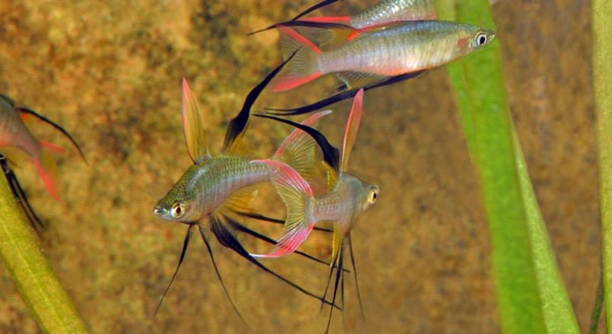
Adding driftwood to an aquarium can enhance its natural beauty and provide hiding spots for fish. For owners of threadfin rainbowfish, introducing new elements must be done carefully to avoid stressing these sensitive, active swimmers.
To safely add driftwood without upsetting threadfin rainbowfish, it is important to select naturally smooth pieces that are properly cured. Rinse and soak the wood before placing it in the tank to prevent sudden changes in water chemistry or floating hazards.
Proper preparation and placement of driftwood ensure a stable environment. Following these steps allows your rainbowfish to explore safely and maintain their usual behavior.
Choosing the Right Driftwood
Selecting driftwood for an aquarium requires careful consideration of size, texture, and type. Threadfin rainbowfish are active swimmers, so sharp edges or unstable pieces can injure them or disrupt their movement. Natural, smooth driftwood is the safest choice. Hardwoods like Malaysian driftwood or mopani wood are ideal because they are dense, sink easily, and release fewer tannins. Avoid soft or decayed wood that can break apart in the tank. Before placing the wood in your aquarium, always rinse it thoroughly and soak it for several days. Soaking helps remove excess tannins, preventing sudden changes in water color or chemistry, which can stress your fish. It also allows the wood to become waterlogged and sink naturally. Observing how the wood reacts in water beforehand ensures it will remain stable once placed. Proper selection and preparation will protect your rainbowfish while enhancing the tank’s visual appeal.
Choosing the right driftwood keeps the aquarium safe and visually appealing while supporting the natural behavior of rainbowfish.
Carefully selected driftwood not only prevents injuries but also creates shaded areas for your fish. Smooth, stable pieces improve swimming conditions and encourage natural exploration, enriching their habitat without causing unnecessary stress.
Proper Placement in the Aquarium
Place driftwood in areas that do not block swimming paths or limit open space.
Driftwood should be positioned in corners or along tank edges to leave the center open for active movement. Avoid stacking pieces too high, as this can topple and disturb the fish.
When arranging driftwood, consider the flow of water and the areas your rainbowfish frequent most. Keeping swim paths clear reduces stress and allows them to move freely. Anchoring larger pieces with aquarium-safe rocks can prevent shifting during cleaning or feeding. Smaller wood pieces can be arranged to create hiding spots without crowding the tank. It is also important to monitor water conditions after adding wood, as it may slightly alter pH or hardness. Regular observation ensures your fish adapt comfortably and continue their normal behaviors. Proper placement improves the aesthetic appeal of the tank while maintaining a safe, stress-free environment for your threadfin rainbowfish.
Monitoring Water Conditions
Adding driftwood can slightly change water chemistry, affecting pH and hardness. Regular testing ensures your threadfin rainbowfish remain comfortable.
Even properly soaked driftwood can release tannins over time, which may lower pH and soften water. Monitoring weekly allows you to notice small changes before they stress your fish. Use a reliable test kit for pH, hardness, and general water quality. Adjustments can be made with buffers or partial water changes to maintain a stable environment. Observing your rainbowfish’s behavior alongside chemical tests is also important, as changes in activity or appetite can signal discomfort. Maintaining balanced conditions ensures the driftwood enhances the tank without compromising fish health.
Keeping water stable involves consistent monitoring, especially during the first few weeks. Changes in coloration, clarity, or smell indicate a need for immediate adjustments.
Introducing Driftwood Gradually
Start with one small piece before adding more to observe how fish react.
Adding driftwood gradually helps threadfin rainbowfish adjust to new objects without sudden stress. Place a single piece in the tank and observe swimming patterns, feeding behavior, and interaction with the wood over several days. Notice if the fish hide more than usual or appear restless, which can indicate discomfort. Gradual introduction prevents overcrowding and allows you to test water chemistry effects from tannins released. Once the fish show normal activity and feeding, additional pieces can be incorporated carefully. This method ensures a safe, comfortable environment while enhancing the tank naturally.
Introduce each new piece slowly, monitoring fish behavior and water quality. Adjust placement or quantity based on your observations to maintain stability and comfort.
Cleaning and Maintenance
Driftwood can accumulate algae and debris, which may affect water quality. Regular cleaning helps maintain a healthy environment for threadfin rainbowfish.
Use a soft brush or cloth to gently remove buildup. Avoid harsh chemicals that could harm fish. Rinsing the wood in tank water during maintenance prevents sudden changes in water chemistry.
Observing Fish Behavior
Watch how threadfin rainbowfish interact with the driftwood. Changes in swimming, hiding, or feeding may indicate stress or discomfort.
Monitoring behavior is essential after adding new elements. Healthy fish will explore the driftwood and continue normal feeding patterns. If signs of stress appear, adjust placement or remove the wood temporarily to restore comfort and stability in the tank.
Long-Term Care
Check driftwood periodically for softness or decay. Replace or reposition pieces as needed to maintain safety.
Driftwood longevity ensures a stable, visually appealing habitat. Regular observation and care protect your rainbowfish from injury and maintain consistent water conditions.
FAQ
How do I know if my driftwood is safe for threadfin rainbowfish?
Safe driftwood should be dense, smooth, and free of sharp edges. Hardwoods like Malaysian driftwood or mopani wood are ideal. Always rinse and soak pieces before adding them to the tank to remove dirt, debris, and excess tannins. Avoid soft, decaying, or brittle wood. Observe how the fish interact with the wood after placement. If they appear stressed or avoid certain areas, it may be necessary to adjust or replace the driftwood. Choosing properly cured wood reduces the risk of injury and sudden changes in water chemistry.
Can driftwood affect water chemistry in my tank?
Yes, driftwood can release tannins, which may lower pH and soften the water. The effect is usually mild if the wood is properly soaked beforehand. Testing water regularly for pH, hardness, and general quality is important. If significant changes occur, partial water changes or buffering solutions can help maintain stability. Monitoring your rainbowfish’s behavior also indicates if water conditions are comfortable. Sudden changes in appetite, activity, or coloration can signal stress caused by altered water chemistry. Proper preparation and regular checks prevent these issues.
How should I introduce driftwood to avoid stressing my fish?
Introduce driftwood gradually, starting with a single small piece. Observe how the fish respond over several days before adding more. Place wood in corners or along tank edges to keep swimming paths open. Avoid stacking pieces too high or overcrowding the tank. Gradual introduction allows the fish to adjust and ensures they remain active and comfortable. Watching for changes in swimming or feeding patterns helps determine if adjustments are needed. Gradual placement reduces stress while enhancing the tank’s natural environment.
How do I clean driftwood without harming the fish?
Use a soft brush or cloth to remove algae and debris gently. Avoid soap or chemical cleaners. Rinse the wood in tank water during routine maintenance to prevent sudden shifts in water chemistry. Small accumulations can be removed during partial water changes. If driftwood becomes too dirty or starts to decay, remove it temporarily or replace it. Consistent cleaning ensures the driftwood remains safe and the water stays healthy, keeping your threadfin rainbowfish active and stress-free.
What should I do if my fish appear stressed around new driftwood?
First, check water parameters to ensure pH, hardness, and temperature remain stable. Observe how the fish interact with the driftwood and consider repositioning or removing pieces that may block swim paths or cause hiding. Introduce new wood more slowly and monitor their reactions closely. Stress signs include erratic swimming, hiding excessively, or refusing food. Adjusting placement and ensuring the tank is not overcrowded helps restore comfort. Maintaining a stable environment is key to keeping threadfin rainbowfish healthy when adding new decorations.
Can driftwood provide benefits beyond aesthetics?
Yes, driftwood creates natural hiding spots, reduces stress, and encourages exploration. It can simulate natural habitats, helping fish feel secure and exhibit normal behaviors. Algae may grow on its surface, providing supplemental grazing opportunities for some species. Properly prepared wood can enhance the overall ecosystem by supporting beneficial bacteria. It also softens water slightly, which can mimic conditions similar to their natural environment. Carefully selected and maintained driftwood provides both functional and visual benefits to a rainbowfish aquarium.
How often should I check on driftwood and tank conditions?
Monitor water parameters weekly, especially after adding new driftwood. Observe fish behavior daily to notice early signs of stress or discomfort. Clean driftwood as needed, usually every few weeks, depending on algae growth and debris accumulation. Regular checks prevent water chemistry shifts and help maintain a safe environment. Early attention to issues avoids long-term stress for your rainbowfish. Consistent observation ensures driftwood enhances the tank without compromising fish health or stability.
Is soaking driftwood always necessary?
Soaking is highly recommended to remove tannins and ensure the wood sinks naturally. It reduces the risk of floating and sudden water discoloration. Soaking for several days or even weeks, depending on size, ensures stability. This step prevents abrupt changes in water chemistry that could stress threadfin rainbowfish. Rinse wood periodically during soaking to remove loose debris. Properly soaked driftwood integrates smoothly into the aquarium, supporting a comfortable habitat while maintaining water quality.
Can I use multiple types of driftwood together?
Yes, but ensure all pieces are compatible in size, hardness, and chemical impact. Avoid overcrowding the tank, which can restrict swimming space. Introduce new pieces gradually and monitor fish behavior and water chemistry. Combining different types of wood can create visual interest while providing multiple hiding spots. Balance aesthetics with functionality to maintain a safe environment. Proper selection and careful placement allow threadfin rainbowfish to enjoy varied textures and structures without stress.
What are signs that driftwood needs replacing?
Softness, cracking, or excessive decay indicates it may no longer be safe. Foul odors or rapid discoloration are additional warning signs. Remove or replace pieces that degrade to prevent water contamination and injuries. Maintaining stable, intact driftwood ensures safety, consistent water quality, and a visually appealing tank for your threadfin rainbowfish.
How do I anchor larger driftwood pieces?
Use aquarium-safe rocks or silicone to stabilize heavier pieces. This prevents tipping, which could injure fish or disturb substrate. Ensure anchors do not obstruct swimming areas or create sharp edges. Secure placement provides a stable environment while allowing fish to explore naturally. Properly anchored driftwood reduces risk and supports safe, stress-free interaction.
Can driftwood encourage natural behaviors in rainbowfish?
Yes, it creates shelter, territories, and areas for exploration. Rainbowfish often use shaded areas to rest or hide temporarily. Driftwood placement can promote schooling, foraging, and interaction without overcrowding. Supporting these natural behaviors helps reduce stress and keeps fish active, healthy, and engaged in their environment.
Final Thoughts
Adding driftwood to an aquarium can improve its appearance and provide natural hiding spots for threadfin rainbowfish. Smooth, dense wood helps prevent injuries and maintains a safe swimming environment. Careful selection is important because not all wood types are suitable for aquariums. Hardwood varieties like Malaysian driftwood or mopani are preferred because they sink easily and release fewer tannins. Soaking the wood before adding it to the tank removes loose debris and reduces the risk of sudden changes in water chemistry. Rinsing and observing the wood in water beforehand also ensures it is stable and safe for your fish. By choosing the right type and preparing it properly, you can create a visually appealing aquarium that does not stress your rainbowfish.
Proper placement of driftwood is equally important. Large pieces should be positioned along tank edges or in corners to leave open swimming areas. Avoid stacking pieces too high or crowding the tank, as this can restrict movement and create stress for your fish. Smaller pieces can be arranged to form hiding spots while maintaining clear paths for swimming. Observing your rainbowfish’s behavior after adding driftwood is key. If they appear restless, hide excessively, or avoid certain areas, it may be necessary to adjust placement. Gradually introducing new wood pieces allows your fish to acclimate comfortably and prevents sudden disruption to their environment. Anchoring heavier pieces with aquarium-safe rocks can also prevent shifting during maintenance or feeding, keeping the tank safe and stable over time.
Regular monitoring and maintenance are essential for long-term success. Driftwood can release tannins and affect pH, so testing water parameters regularly helps maintain a stable environment. Cleaning algae or debris from the wood using a soft brush or cloth preserves water quality and prevents decay. Observing your rainbowfish for changes in behavior, appetite, or coloration provides additional insight into their comfort levels. Gradual adjustments and consistent care help ensure that driftwood enhances the tank without causing stress. When prepared, placed, and maintained correctly, driftwood provides both functional and aesthetic benefits. It supports natural behaviors, creates shaded areas for resting, and contributes to an overall healthy, engaging environment for threadfin rainbowfish.

Hello,
If you enjoy the content that we create, please consider saying a "Thank You!" by leaving a tip.
Every little bit helps us continue crafting quality advice that supports the health, happiness, and well-being of pets around the world, for pets of all shapes, sizes, and species.
We really appreciate the kindness and support that you show us!