
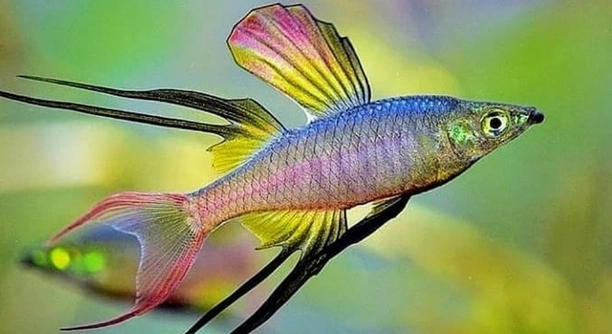
Threadfin Rainbowfish are lively and colorful fish that often capture attention in a home aquarium. Their playful movements and interactions with objects in the tank can be both entertaining and surprising for observers. Watching them reveals small, engaging behaviors.
Threadfin Rainbowfish interact with various objects in their environment, including plants, floating decorations, bubbles, small pebbles, artificial ornaments, feeding rings, and mirror-like surfaces. These interactions demonstrate natural curiosity, physical activity, and environmental engagement that support overall well-being.
Observing how they explore each object offers insight into their habits and personality, making it enjoyable to learn about their daily activities.
Floating Decorations
Threadfin Rainbowfish are naturally drawn to floating decorations in the tank. They often swim around them, nudge them gently, or even push them slightly with their noses. These interactions are a form of play, helping them stay active and curious. Floating objects also create areas of interest that break the monotony of the tank, giving the fish mental stimulation. Over time, they may develop favorite decorations and return to them consistently. These interactions can be observed throughout the day, especially during feeding times, as fish often explore their environment before or after meals. Providing lightweight floating ornaments ensures the fish can engage without risk of injury, and it allows aquarists to see small but noticeable behaviors. Some floating items also create minor water movement, which the fish often enjoy swimming through. Their playful nudges can even shift lightweight decorations, demonstrating both curiosity and physical activity in the tank environment.
Floating decorations keep fish active and provide a subtle way to enrich their environment without complex setups.
Watching them interact with floating objects reveals patterns in behavior. They might circle, bump, or hover near items, showing preferences and comfort. Observing these behaviors regularly helps maintain tank engagement and encourages a more lively and dynamic aquarium, where each fish expresses small, unique interactions with its surroundings. Understanding these subtle interactions can guide the choice of decorations and placement, ensuring the tank environment supports both activity and well-being. Over time, these small moments of engagement contribute to the fish’s overall health and mental stimulation, allowing aquarists to notice individual differences and personality traits within a group. Careful observation also highlights how environmental changes affect behavior, helping maintain a balanced, interesting, and safe habitat.
Mirror-Like Surfaces
Threadfin Rainbowfish respond strongly to reflective surfaces, often approaching them with interest. They may swim close, linger, or perform small displays near the reflection, reacting as though another fish is present.
Mirrors in the tank provide mental stimulation and a safe way to observe natural social behaviors, as the fish cannot harm their reflection.
Introducing reflective surfaces encourages movement and playful interaction while allowing the fish to practice territorial or social behaviors. These surfaces can help reduce boredom in smaller tanks by providing a visual challenge. Fish often spend several minutes investigating, circling, or positioning themselves at different angles, which also encourages muscle activity. Over time, the frequency and style of interaction may vary between individuals, offering insight into each fish’s personality. Observing these interactions can help aquarists understand social tendencies and preferred locations in the tank. Care must be taken not to leave mirrors indefinitely, as continuous exposure may cause stress. Using mirrors periodically enhances stimulation while keeping the tank environment balanced and engaging for the fish, supporting both mental and physical well-being.
Small Pebbles
Small pebbles in the tank catch the attention of Threadfin Rainbowfish. They often swim around them, occasionally picking them up or nudging them while exploring the bottom area. These interactions help maintain natural curiosity and movement throughout the aquarium.
Pebbles provide a tactile element for the fish. Threadfin Rainbowfish frequently investigate these objects, pushing or circling them with their mouths. The activity encourages bottom-level exploration and keeps the fish active. Over time, some fish may develop preferences for certain areas with specific pebbles, returning often to inspect or rearrange them. This behavior mimics natural foraging and stimulates mental engagement, contributing to overall well-being.
These small stones also help create varied textures in the tank. The fish may swim closely over clusters or individual pebbles, demonstrating subtle, playful behaviors. The consistent interaction encourages muscle use, improves swimming coordination, and adds visual interest for anyone observing the tank. Pebbles also act as anchors for certain plants or decorations, enhancing the tank’s structure while giving the fish objects to explore regularly.
Live Plants
Live plants provide shelter, surfaces to explore, and areas for hiding, which Threadfin Rainbowfish frequently interact with while swimming.
Fish often swim through, around, or under plant leaves, testing flexibility and observing changes in their environment. These behaviors promote exploration, encourage activity, and offer comfort by simulating natural habitats.
Different plant types elicit varied responses. Some fish prefer tall, dense plants for hiding, while others swim along shorter, delicate stems. They may nip gently at leaves or weave between stems, using the plants to mark territory or find interesting areas. Plants also affect water flow and light patterns, creating dynamic spaces that attract attention. Watching how fish respond to moving or swaying foliage highlights individual curiosity and preference. Plant-rich tanks support mental stimulation, exercise, and social interactions, making the environment more engaging while maintaining the overall health and natural instincts of the fish.
Artificial Ornaments
Artificial ornaments create areas for exploration and gentle interaction. Threadfin Rainbowfish often swim around them, investigate openings, or nudge surfaces, which provides both curiosity and light exercise.
Different shapes and textures attract attention. Fish may prefer hollow or textured ornaments, using them to explore or hide briefly, adding stimulation to their environment.
Feeding Rings
Feeding rings help keep food contained while encouraging natural foraging behavior. Fish circle, push, or pick at pellets inside the ring, engaging in both mental and physical activity.
Bubble Streams
Bubble streams provide visual and tactile stimulation. Fish often swim through rising bubbles, chasing or weaving around them. This interaction encourages continuous movement, coordination, and engagement with their environment.
Light Reflections
Light reflections on the tank surface attract the fish’s attention. Threadfin Rainbowfish often follow moving light patterns, swimming along reflections, which encourages activity and maintains alertness throughout the day.
FAQ
How do I know if my Threadfin Rainbowfish is playing or stressed?
Playful behaviors include gentle nudging, circling objects, chasing bubbles, or exploring plants and ornaments. Stressed fish may hide constantly, gasp at the surface, or ignore environmental stimuli. Observing patterns over time helps differentiate normal curiosity from stress reactions. Consistent interaction with tank objects generally indicates comfort and engagement rather than distress.
Can all objects in the tank be safe for Threadfin Rainbowfish to play with?
Not all objects are safe. Smooth, lightweight decorations, pebbles, live or artificial plants, and feeding rings are suitable. Sharp, heavy, or easily breakable items can injure fish. Avoid objects that can trap fins or create strong currents that overwhelm the fish. Always monitor new additions for initial reactions.
How often should I change or move decorations to keep my fish engaged?
Moderate changes every few weeks help maintain curiosity without causing stress. Moving a few objects or adding new lightweight ornaments encourages exploration and playful behavior. Sudden, frequent rearrangements may confuse the fish. Observing reactions to small changes ensures they remain stimulated safely.
Are bubble streams and air stones necessary for play?
Bubble streams are not essential but encourage natural swimming patterns and gentle interaction. Fish often weave through rising bubbles, improving coordination and activity levels. They also add visual interest and can mimic water currents found in natural habitats, enriching the environment without harming the fish.
Can mirrors or reflective surfaces harm my fish?
Mirrors can safely stimulate movement if used in moderation. Continuous exposure may cause stress or aggressive behavior, as the fish may perceive its reflection as a rival. Limit mirror use to short periods to encourage interaction without long-term anxiety. Observing behavior during exposure helps determine safe duration.
Do Threadfin Rainbowfish prefer live plants over artificial ones?
Both types have value. Live plants provide natural hiding spots, filtration benefits, and subtle movement. Artificial plants offer consistent structure and shapes for exploration without maintenance. Many fish interact with both, using live plants for cover and artificial ones for tactile exploration or playful nudges.
Is it normal for Threadfin Rainbowfish to play with food?
Yes, fish often push or circle pellets in feeding rings or along the substrate. This mimics natural foraging behavior and encourages both physical activity and mental stimulation. Observing how they manipulate food can provide insight into individual personality traits and preferred feeding spots.
How can I tell which objects my fish enjoy most?
Observation over days or weeks reveals preferences. Fish may return repeatedly to certain pebbles, decorations, or plant areas. They might linger longer around bubbles or reflective surfaces. Tracking patterns helps in optimizing tank layout to promote healthy engagement and prevent boredom.
Do these play behaviors impact health?
Yes, playful exploration supports mental and physical well-being. Swimming through bubbles, interacting with plants, or nudging objects improves muscle tone, coordination, and curiosity. Encouraging safe, stimulating activities reduces stress, promotes natural behavior, and helps maintain overall vitality in a home aquarium.
Should I rotate toys or decorations regularly?
Rotating objects occasionally is beneficial. It keeps the tank environment dynamic and encourages renewed interest. Introducing subtle changes like moving a plant or adding a lightweight ornament can stimulate activity. Avoid frequent, drastic rearrangements to prevent stress or disorientation among the fish.
Can these interactions help with social behavior in groups?
Yes, objects and stimuli like plants, ornaments, and mirrors can influence social dynamics. Fish often display cooperative or competitive behavior around favored spots. Watching interactions provides insight into hierarchy, compatibility, and comfort levels within the tank, aiding in better tank management.
What is the best way to introduce new objects to the tank?
Introduce items gradually and monitor reactions. Rinse decorations thoroughly before placing them in the tank. Start with one new object at a time to observe curiosity or avoidance. Avoid overcrowding, as excessive items can overwhelm fish and reduce overall engagement rather than enhancing it.
How long do fish usually interact with objects each day?
Interaction periods vary by fish and environment. Some may engage consistently during active periods, while others are more sporadic. Play often peaks before feeding or during daylight activity. Ensuring a mix of stimulation across the tank encourages regular exploration without fatigue or stress.
Are there signs that an object is not suitable?
Yes, signs include avoidance, fin damage, entrapment, or aggression near the item. Fish may also appear stressed, hiding constantly or avoiding parts of the tank. Removing or replacing problematic objects ensures safety and maintains a healthy environment while allowing playful behaviors to continue.
How important is observation in maintaining a stimulating environment?
Observation is critical. Monitoring how fish interact with each element informs future placement, rotation, and selection of tank objects. It allows adjustments to support natural behaviors, mental engagement, and overall well-being. Daily attention helps maintain a dynamic and safe environment.
Can these playful behaviors reduce aggression among fish?
Yes, providing multiple objects and areas for exploration can divert attention, reducing competition. Bubble streams, plants, and ornaments create distinct zones, allowing fish to interact individually or in small groups. This can minimize conflicts, promoting a calmer, more balanced tank environment.
What role does water quality play in play behavior?
Water quality directly affects activity. Poor conditions can lead to lethargy, hiding, or stress, reducing interaction with objects. Maintaining temperature, pH, and cleanliness ensures fish remain energetic and curious, enhancing the frequency and quality of playful behaviors.
Do younger fish play more than adults?
Younger fish often exhibit higher activity and exploration levels. Adults may engage less frequently but still interact with key items or favorite areas. Age affects energy and curiosity, but providing a stimulating environment benefits all stages, supporting physical health and engagement.
Are there specific times of day when fish play more?
Play often peaks during active daylight periods. Fish may explore, chase bubbles, or swim near reflections before feeding times. Observation helps identify natural activity rhythms, which can guide feeding schedules and placement of objects to encourage consistent engagement.
Can observing these behaviors improve overall tank management?
Yes, understanding preferences and play patterns helps optimize decoration placement, feeding routines, and environmental enrichment. Regular observation allows timely adjustments, ensuring both mental stimulation and physical health, while creating a lively, balanced, and engaging tank environment for all fish.
Final Thoughts
Threadfin Rainbowfish are lively, curious, and engaging fish that respond to their environment in subtle and interesting ways. Observing their interactions with objects in the tank can reveal aspects of their personality and preferences. Small details, such as nudging pebbles, circling plants, or following bubbles, are all expressions of natural behavior. Each fish may develop individual patterns, returning to certain areas or objects more than others. These activities are not merely entertaining; they indicate comfort, curiosity, and mental stimulation. By providing a varied and safe environment, aquarists can encourage these behaviors and help the fish maintain healthy activity levels. Watching their subtle movements and choices over time offers a deeper understanding of their needs and preferences, allowing the tank to be arranged thoughtfully to support both physical and mental well-being.
Careful consideration of tank decorations and environmental elements is essential. Lightweight ornaments, plants, pebbles, bubble streams, and reflective surfaces all serve purposes beyond aesthetics. Each item can encourage exploration, playful interaction, or social behavior, contributing to overall tank dynamics. Moderation and observation are key. Introducing new objects gradually allows fish to adapt without stress, while occasional rearrangements or additions help maintain curiosity and engagement. Avoiding sharp or heavy items prevents injuries, and rotating objects periodically ensures the environment remains stimulating without overwhelming the fish. Balanced use of mirrors or reflective surfaces provides mental enrichment but must be limited to prevent stress or aggression. Attention to these details supports a well-rounded environment, allowing Threadfin Rainbowfish to express natural instincts safely and consistently.
Ultimately, the goal is to create a tank that promotes activity, exploration, and comfort for Threadfin Rainbowfish. Observing their behavior provides insights into preferences, social interactions, and responses to different objects. Encouraging gentle play and exploration benefits both mental and physical health while allowing the fish to develop natural habits. A thoughtfully arranged tank with varied objects supports consistent engagement and reduces boredom. Understanding how fish interact with floating decorations, plants, pebbles, bubble streams, and reflective surfaces helps aquarists maintain an environment that nurtures curiosity and vitality. By paying attention to these behaviors, the aquarium becomes a dynamic and balanced space where Threadfin Rainbowfish can thrive, demonstrating both personality and natural playfulness.

Hello,
If you enjoy the content that we create, please consider saying a "Thank You!" by leaving a tip.
Every little bit helps us continue crafting quality advice that supports the health, happiness, and well-being of pets around the world, for pets of all shapes, sizes, and species.
We really appreciate the kindness and support that you show us!