
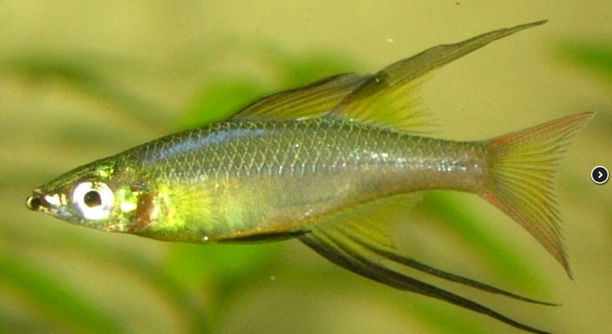
Do you ever notice your Threadfin Rainbowfish suddenly staying motionless in the tank, leaving you unsure if it is resting or unwell? Observing these sudden still moments can be concerning for any fish keeper who values their pets’ wellbeing.
Threadfin Rainbowfish may become still due to stress, water quality fluctuations, or illness. Poor oxygen levels, sudden temperature changes, and internal infections can cause lethargy, making it crucial to monitor the tank environment and maintain consistent care routines.
Recognizing these signs early allows you to take the proper steps to support your rainbowfish’s health and prevent minor issues from turning serious.
Common Environmental Causes
Threadfin Rainbowfish are very sensitive to their surroundings. Sudden changes in water temperature can make them stop moving, as their bodies struggle to adjust. Poor water quality, including high ammonia or nitrite levels, can also stress the fish and cause stillness. Even minor fluctuations in pH can lead to lethargy. Tank overcrowding increases competition for oxygen and space, further affecting their behavior. Proper filtration, regular water changes, and monitoring temperature and pH are essential for keeping them active. Lighting can play a role too; too bright or inconsistent lighting may make them seek still corners. Sudden loud noises or vibrations can trigger freezing behavior as a defensive response. Maintaining a stable environment prevents unnecessary stress and encourages natural swimming patterns. Observing the fish daily allows you to notice subtle changes early, giving you the chance to act before conditions worsen. Feeding routines also matter; inconsistent schedules can make them hesitant or still.
Proper care and observation reduce the likelihood of sudden inactivity and support overall fish health.
Adjusting tank conditions, including temperature, filtration, and lighting, can restore normal behavior and help rainbowfish feel secure and comfortable.
Health-Related Factors
Illness can make Threadfin Rainbowfish become still, signaling that something is wrong. Symptoms like faded colors, clamped fins, or rapid breathing often accompany this behavior, showing the need for attention.
Bacterial, fungal, or parasitic infections are common among rainbowfish, especially if water quality is poor. Internal parasites may make them lethargic and reduce appetite, while external infections can cause stress and immobility. Early detection is key. Quarantining affected fish helps prevent spreading disease to others in the tank. Nutrition also influences health; deficiencies weaken their immune system, making infections more likely. Observing behavior, appetite, and physical changes daily helps catch problems early. Treatments vary depending on the condition, ranging from medicated foods to water treatments and careful monitoring. Maintaining cleanliness, stable water parameters, and a balanced diet reduces the chances of disease. By acting promptly when signs of illness appear, you can improve survival rates and overall well-being, keeping your rainbowfish active and vibrant.
Stress and Behavior
Stress can make Threadfin Rainbowfish suddenly become still. Overcrowding, aggressive tankmates, and frequent disturbances in the tank can trigger this reaction.
When fish feel threatened, they may freeze to avoid attention. Moving decorations, sudden noises, or frequent handling can increase stress. Even minor changes in water flow or lighting can cause hesitation and stillness. Maintaining a calm environment and consistent routines helps them feel secure. Observing how fish react to changes lets you adjust their surroundings before stress becomes severe. Reducing stress improves overall health, encourages activity, and supports natural behavior patterns.
Stress also affects appetite and immunity. Fish under constant stress may eat less and become more vulnerable to infections. Ensuring plenty of hiding spots, stable water conditions, and gentle interaction reduces stress and helps rainbowfish regain normal swimming patterns over time. Keeping the tank predictable and calm allows them to thrive and prevents repeated episodes of sudden stillness.
Feeding and Nutrition
Poor nutrition can contribute to sudden inactivity in Threadfin Rainbowfish. Irregular feeding or low-quality food affects energy levels and overall health.
A balanced diet with high-quality flakes, pellets, and occasional live or frozen foods ensures proper nutrition. Overfeeding can lead to poor water quality and digestive issues, while underfeeding reduces energy, causing stillness. Feeding smaller portions multiple times a day helps maintain activity. Observing how fish respond to food provides insight into their health and energy. Supplementing with vitamins supports immune function.
Feeding routines also influence behavior patterns. Fish that are consistently fed at the same times learn to expect food and remain active during those periods. Proper nutrition supports growth, coloration, and natural swimming behavior. Adjusting diet based on observation can restore energy levels and reduce stress-related immobility. Combining a varied diet with stable water conditions ensures that Threadfin Rainbowfish stay healthy, alert, and lively.
Tank Size and Space
Threadfin Rainbowfish need enough space to swim freely. Small or overcrowded tanks can make them stop moving as they struggle to find room.
Providing adequate space reduces stress and supports natural activity. Each fish should have sufficient water volume to prevent lethargy and allow comfortable swimming.
Water Temperature Consistency
Sudden shifts in water temperature can cause stillness. Rainbowfish prefer stable, moderate temperatures, and abrupt changes disrupt their comfort and activity.
Maintaining a consistent temperature with a reliable heater or thermometer helps prevent sudden inactivity. Gradual adjustments are essential when changes are necessary.
Interaction and Observation
Threadfin Rainbowfish respond to frequent disturbances or tank vibrations. Minimizing sudden interactions keeps them moving normally.
FAQ
Why is my Threadfin Rainbowfish suddenly staying still?
Sudden stillness in Threadfin Rainbowfish usually signals stress, illness, or environmental changes. Temperature swings, poor water quality, or overcrowding often lead to temporary inactivity. Observing your fish carefully can help identify the trigger and allow you to correct the issue before it worsens.
How can I tell if my fish is sick or just resting?
Signs of illness include faded colors, clamped fins, rapid breathing, or loss of appetite. Resting fish may remain still for short periods but appear otherwise healthy and active afterward. Daily observation is key to spotting abnormal behavior early.
What water conditions are ideal for Threadfin Rainbowfish?
They thrive in clean, well-filtered water with a stable temperature between 24–28°C (75–82°F) and a pH of 6.5–7.5. Regular water changes and consistent monitoring of ammonia, nitrites, and nitrates are essential to keep them active and healthy.
Can stress cause sudden stillness in rainbowfish?
Yes. Stress from overcrowding, aggressive tankmates, loud noises, or sudden changes in lighting and water flow can make rainbowfish freeze. Providing hiding spots, stable water conditions, and gentle tank maintenance reduces stress and encourages normal swimming behavior.
How often should I feed my Threadfin Rainbowfish?
Feeding smaller portions two to three times a day is ideal. A balanced diet with high-quality flakes, pellets, and occasional live or frozen foods maintains energy levels. Overfeeding or underfeeding can impact their activity and overall health.
Do tank decorations affect their movement?
Yes. Overcrowded decorations or abrupt changes in tank layout can cause temporary stillness. Fish need open swimming space along with hiding areas to feel secure. Maintaining a consistent layout helps them stay active.
When should I consider quarantining a fish?
Quarantine is necessary if a fish shows signs of illness or has been exposed to new tankmates. Isolating sick fish prevents disease from spreading and allows for targeted treatment, ensuring the rest of the tank remains healthy.
Is sudden stillness reversible?
Often, yes. Correcting water parameters, reducing stress, and addressing illness or dietary issues typically restore normal activity. Consistent care and observation are crucial to ensure the fish returns to regular swimming patterns without recurring episodes.
What role does tank size play in their activity?
A small or overcrowded tank can limit swimming space, increasing stress and inactivity. Providing adequate water volume per fish allows them to swim freely and reduces competition for resources, promoting healthy movement and behavior.
Can I prevent sudden stillness in rainbowfish?
Prevention focuses on maintaining stable water conditions, balanced nutrition, adequate space, and minimal stress. Regular observation, careful monitoring of tank parameters, and gradual environmental changes ensure rainbowfish remain active and healthy consistently.
How long should I observe before taking action?
If a fish remains still for more than a few hours or shows additional signs of distress, it’s important to act promptly. Early intervention can prevent serious health problems and restore normal behavior efficiently.
Are certain tankmates better for rainbowfish activity?
Peaceful, similarly sized fish are ideal. Aggressive or overly active species may stress rainbowfish, leading to stillness. Choosing compatible tankmates ensures a calm environment and supports natural swimming patterns.
Can water temperature fluctuations cause long-term inactivity?
Yes. Frequent or extreme changes can disrupt metabolism and stress the fish. Using a reliable heater, thermometer, and gradual adjustments prevents long-term lethargy and supports overall health.
Do rainbowfish need hiding spots if they stop moving often?
Providing hiding spots helps them feel secure, especially if they are stressed or ill. Plants, rocks, or decorations allow them to rest safely without feeling exposed. A balanced combination of open space and shelter supports normal activity.
How important is daily observation?
Daily checks let you notice subtle changes in behavior, coloration, or appetite. Early detection of stress, illness, or environmental issues ensures timely action and prevents prolonged inactivity or serious health problems.
Can diet improve their energy levels?
Yes. A varied diet with proper nutrients supports immune function and activity. High-quality food, occasional live or frozen treats, and consistent feeding schedules keep rainbowfish energetic and reduce sudden still periods.
What should I do if all conditions seem fine but the fish is still inactive?
Sometimes fish may experience temporary lethargy due to minor stress or molting cycles. Monitor closely for a day or two. If inactivity persists or other symptoms appear, consult a veterinarian or aquarium specialist for advice.
How do I know if my interventions are working?
Signs of improvement include regular swimming, normal appetite, bright coloration, and relaxed behavior. Gradual changes in activity indicate that water conditions, diet, or stress reduction measures are effective.
Is it normal for rainbowfish to stop moving at night?
Yes. Rainbowfish often rest at night. This inactivity is natural and differs from stillness caused by stress, illness, or poor water conditions. Observing behavior during daytime provides a clearer picture of health and activity.
How can I create a calm environment to prevent stillness?
Minimize loud noises, avoid sudden movements near the tank, maintain consistent lighting, and provide hiding areas. Keeping tank maintenance gentle and predictable reduces stress and encourages rainbowfish to remain active consistently.
How long does it take for a stressed rainbowfish to return to normal?
Recovery time varies depending on the cause. Minor stress may resolve within hours to a day, while illness or severe environmental issues can take several days to weeks. Consistent care and monitoring speed up recovery.
What equipment is essential to prevent sudden inactivity?
A reliable heater, thermometer, and filtration system are essential. These tools maintain stable water conditions, which are critical to preventing stress, disease, and inactivity in rainbowfish. Regular maintenance ensures they operate effectively.
Can sudden stillness indicate aging in rainbowfish?
Older fish may move less naturally, but sudden prolonged inactivity is usually due to stress or illness rather than age alone. Observing overall health and behavior helps distinguish between natural slowing and a problem requiring attention.
How do I balance tank cleaning with avoiding stress?
Clean the tank regularly but gently. Avoid disturbing decorations and fish too abruptly. Partial water changes and careful handling maintain cleanliness while minimizing stress-induced stillness in rainbowfish.
Are some rainbowfish more sensitive than others?
Yes. Individual temperament, previous experiences, and health history affect sensitivity. More timid or delicate fish may freeze more readily under minor stress, while confident individuals tolerate changes better. Tailoring care to each fish improves overall activity.
What is the best approach if multiple causes seem present?
Address each factor systematically. Check water quality, diet, tankmates, and temperature. Treat potential illness while minimizing stress and improving environment. Observing responses to interventions ensures the fish returns to regular activity safely.
Can observation logs help with sudden stillness?
Yes. Recording behavior, feeding, water parameters, and environmental changes helps identify patterns. Logs allow tracking progress, detecting early warning signs, and adjusting care to prevent repeated inactivity.
How do I know if I need professional advice?
Seek help if inactivity persists despite proper care, especially if symptoms like clamped fins, faded color, or labored breathing appear. A veterinarian or aquarium specialist can provide accurate diagnosis and treatment guidance.
How does lighting affect their activity?
Consistent, moderate lighting supports natural behavior. Too bright, dim, or fluctuating light can stress rainbowfish, causing them to freeze. Maintaining a predictable light cycle encourages swimming and normal routines.
Are there behavioral cues I should watch for?
Look for unusual swimming patterns, hiding more than usual, or changes in appetite and coloration. These cues often indicate stress, illness, or environmental issues contributing to stillness.
Can water flow impact activity?
Yes. Too strong a current can tire fish, while stagnant water reduces oxygen availability. Balancing flow ensures comfort, encourages swimming, and prevents sudden inactivity.
How do I handle a fish that remains still during feeding?
Gently observe without forcing interaction. If inactivity continues, check water quality, diet, and stress factors. Temporary rest is normal, but prolonged stillness indicates intervention is needed.
What role does tank maintenance play in preventing stillness?
Regular cleaning, water changes, and monitoring help prevent stress and disease. Maintaining stable, clean conditions ensures rainbowfish remain active and healthy.
How can I ensure long-term activity in my rainbowfish?
Combine proper nutrition, stable water conditions, adequate space, minimal stress, and compatible tankmates. Consistent observation and prompt intervention keep Threadfin Rainbowfish energetic and prevent sudden still periods.
Is occasional stillness always a concern?
Not always. Short periods of inactivity can be normal, especially during rest or minor adjustments. Persistent or prolonged stillness accompanied by other symptoms requires attention to avoid health issues.
How do seasonal changes affect activity?
Temperature fluctuations and light changes can influence metabolism and behavior. Maintaining stable indoor tank conditions mitigates seasonal effects and supports consistent activity.
Can enrichment improve their swimming behavior?
Yes. Plants, hiding spots, and gentle water currents encourage exploration and natural movement, reducing boredom and sudden stillness caused by stress or monotony.
Should I change feeding schedules if fish remain still?
Adjusting timing or portion size can help stimulate activity. Consistent schedules prevent lethargy, maintain energy levels, and support normal swimming patterns.
How do I balance multiple rainbowfish in one tank?
Provide sufficient space, monitor interactions, and ensure compatible species. Reducing competition for resources prevents stress-induced stillness and promotes healthy activity for all fish.
Can frequent observation itself cause stress?
Minimal, calm observation is fine. Excessive tapping or sudden movements can stress rainbowfish. Approach the tank gently to monitor behavior without causing additional stillness.
Are water additives or medications safe for prevention?
Only use when necessary and according to instructions. Preventive measures focus on proper water quality, diet, and care routines rather than unnecessary chemicals.
How do I know if inactivity is temporary?
Observe for gradual return of swimming, normal appetite, and relaxed behavior. Temporary inactivity due to minor stress resolves with stable conditions, while prolonged stillness signals intervention is needed.
Can changes in tankmates trigger stillness?
Yes. Aggressive or new fish may intimidate rainbowfish. Ensuring peaceful tankmates and adequate space helps them remain active and reduces fear-related freezing.
What is the most common reason for sudden stillness?
Stress from environmental changes, water quality issues, or illness is the most frequent cause. Addressing these factors promptly restores normal activity.
How do I prevent repeated episodes of stillness?
Maintain stable water conditions, balanced nutrition, sufficient space, compatible tankmates, and gentle tank maintenance. Consistency and observation prevent stress and inactivity.
Is it normal for fish to stay still after being moved?
Yes. Moving tanks or rearranging decorations can temporarily cause stillness. Providing familiar surroundings and gradual changes helps them adapt quickly.
What monitoring tools are helpful?
Thermometers, water test kits, and timers for lighting and feeding help maintain stability. These tools ensure conditions remain ideal, preventing stress-induced stillness.
Can stress combine with illness to cause inactivity?
Yes. Stress weakens immunity, making fish more susceptible to disease. Addressing both environmental and health factors is necessary for full recovery.
How long should I wait before changing tank conditions?
Gradual adjustments are safest. Rapid changes in temperature, water flow, or lighting can worsen stillness. Small, incremental changes allow fish to adapt comfortably.
Do all Threadfin Rainbowfish react the same way to stress?
Individual temperament matters. Some freeze quickly, while others may hide or become restless. Observing each fish helps tailor care to prevent inactivity.
How important is oxygenation in preventing stillness?
Adequate oxygen supports energy and activity. Overcrowding, poor flow, or high temperatures reduce oxygen, causing lethargy. Proper aeration ensures consistent movement and overall health.
Can temporary inactivity be beneficial?
Short periods of rest allow recovery and reduce fatigue. Normal resting behavior differs from concerning stillness caused by stress, disease, or poor conditions.
What role does water hardness play?
Threadfin Rainbowfish prefer soft to moderately hard water. Extreme hardness or sudden changes can stress them, contributing to stillness. Monitoring and maintaining appropriate hardness prevents unnecessary inactivity.
Are there visual signs to track improvement?
Brightening colors, active swimming, normal feeding, and relaxed fins indicate recovery. Observing these signs helps confirm interventions are effective.
How does pH stability affect activity?
Fluctuating pH stresses rainbowfish, leading to stillness. Maintaining a stable, moderate pH supports normal swimming and overall health.
Can seasonal tank lighting changes affect them?
Yes. Consistent light cycles prevent stress and maintain regular activity. Sudden shifts can trigger temporary stillness, so predictable lighting is important.
Is it normal for rainbowfish to stay still after feeding?
Occasionally, yes. They may rest briefly after eating. Prolonged inactivity or other symptoms suggest underlying issues requiring attention.
How do I know when to intervene during inactivity?
If stillness persists beyond typical rest periods or is accompanied by signs of stress, illness, or poor water quality, action is needed to prevent worsening health.
Can changing the water source help?
Using properly conditioned water with stable temperature and parameters helps. Sudden or untreated water changes can cause stress and increase inactivity.
Are smaller fish more prone to freezing?
Yes. Smaller, more timid rainbowfish often react to stress by freezing. Ensuring a calm, spacious environment reduces this behavior.
Do seasonal diet adjustments affect activity?
Minor adjustments to match seasonal metabolic changes can help maintain energy and activity, but overall balanced nutrition is more critical than seasonal changes.
Is observation more effective than guessing causes?
Yes. Careful monitoring identifies specific triggers, allowing targeted interventions. Guessing may overlook critical factors affecting activity.
Can enrichment prevent boredom-related stillness?
Providing plants, decorations, and moderate water flow encourages exploration and swimming, reducing inactivity caused by monotony or stress.
How do I track subtle behavior changes?
Note swimming patterns, color, feeding, and fin posture. Logs over time help identify early signs of stress or illness, guiding timely action.
Are all water treatments safe for rainbowfish?
Only treatments approved for freshwater tropical fish and used as directed are safe. Avoid overuse, which can harm fish or worsen inactivity.
Do temperature and pH interact to affect activity?
Yes. Both influence metabolism and stress levels. Maintaining stability in both ensures consistent swimming and prevents sudden stillness.
Can social behavior affect activity?
Yes. Threadfin Rainbowfish are social; isolation or incompatible tankmates can increase stress and inactivity. Grouping compatible fish encourages movement and natural behavior.
Is sudden stillness always alarming?
Not always, but persistent, unusual inactivity combined with other symptoms indicates a problem. Early recognition prevents escalation and supports recovery.
Can small water changes improve energy?
Partial, regular water changes refresh oxygen levels and remove waste, improving activity and reducing lethargy caused by poor water quality.
How can I reduce handling stress?
Minimize contact, move slowly when necessary, and avoid tapping the glass. Gentle interaction prevents stress-related freezing and supports normal swimming patterns.
Are live plants helpful for activity?
Yes. They provide hiding spots, oxygenation, and exploration opportunities, encouraging natural movement and reducing stress-related stillness.
Can acclimation affect sudden stillness?
Proper acclimation to new tanks or water conditions reduces shock and temporary inactivity. Gradual adjustment supports health and activity.
Is there a link between water clarity and activity?
Clear, clean water promotes visibility and reduces stress. Murky or dirty water can cause hesitation and stillness, affecting normal swimming behavior.
How do I know if inactivity is permanent?
Persistent stillness with poor appetite, color loss, or labored breathing often indicates serious illness or irreversible stress. Immediate intervention is necessary to assess recovery potential.
Does age affect stillness patterns?
Older fish may naturally slow down, but sudden prolonged inactivity is usually linked to stress, environmental issues, or illness rather than age alone.
Can supplements boost energy?
Vitamins and high-quality food support metabolism and immune function, improving activity. Balanced nutrition prevents lethargy caused by deficiencies or stress.
Is water circulation important?
Yes. Proper flow maintains oxygen, distributes heat, and encourages swimming. Inadequate circulation can lead to lethargy and stillness.
Can seasonal stress cause inactivity?
Yes. Temperature and light fluctuations can temporarily stress rainbowfish. Maintaining stable tank conditions minimizes this effect and supports consistent activity.
Do rainbowfish sleep?
Yes. Short periods of rest at night are normal. Unlike stress-induced stillness, sleep is brief and part of their natural cycle.
How do I know if inactivity is improving?
Watch for normal swimming, feeding, coloration, and relaxed fins. Gradual improvement indicates successful interventions and restored health.
Can routine affect activity?
Yes. Consistent feeding, cleaning, and interaction schedules reduce stress and encourage regular swimming behavior.
Are neon or colorful rainbowfish more sensitive?
Some brightly colored individuals may react more to stress. Observation and gentle care help maintain activity without causing freezing episodes.
What is the best combination of factors for active fish?
Stable water, balanced diet, adequate space, compatible tankmates, gentle observation, and enrichment ensure Threadfin Rainbowfish remain lively and reduce sudden stillness.
How can I prevent inactivity during tank maintenance?
Work calmly, avoid sudden movements, and provide hiding spots. Gentle partial water changes maintain cleanliness without causing stress-induced stillness.
Can stress be cumulative?
Yes. Multiple minor stressors can combine to trigger freezing. Reducing all potential stress factors ensures consistent activity.
Are fish more active at certain times of day?
They are generally more active during daylight hours. Sudden inactivity outside normal resting periods may indicate an issue requiring attention.
How important is consistency in feeding and environment?
Consistency is critical. Predictable routines and stable conditions reduce stress, support energy levels, and prevent sudden periods of inactivity.
Do rainbowfish need companions?
Yes. They are social and more active with compatible tankmates. Isolation can increase stress and stillness.
Can enrichment prevent stress-related freezing?
Yes. Plants, hiding spaces, and gentle water currents encourage exploration, reduce boredom, and minimize stress-related inactivity.
How can I tell if a fish is permanently ill?
Persistent stillness, faded color, labored breathing, or refusal to eat over several days indicates serious illness requiring professional assessment.
Is water hardness critical for activity?
Moderate hardness supports metabolism and swimming behavior. Extreme or fluctuating hardness can stress fish, causing stillness.
Can minor water parameter changes cause stillness?
Yes. Even small shifts in temperature
Threadfin Rainbowfish are sensitive creatures that respond quickly to changes in their environment, diet, and overall care. Sudden stillness is often a signal that something in their surroundings or health needs attention. Maintaining stable water conditions, including temperature, pH, and cleanliness, is one of the most important steps in keeping these fish active. Proper filtration and regular water changes ensure the tank remains safe and comfortable, reducing the risk of stress or illness. Overcrowding should be avoided, and each fish should have enough space to swim freely without feeling threatened. Providing gentle water flow and a consistent light cycle also helps maintain natural behavior, allowing rainbowfish to feel secure and confident in their habitat. Even small adjustments, such as maintaining predictable feeding routines or minimizing sudden noises near the tank, can make a significant difference in preventing inactivity. Paying close attention to subtle changes in behavior and color allows for early intervention, which is crucial for addressing potential issues before they become serious problems.
Nutrition is another key factor that directly affects activity levels. A balanced diet with high-quality flakes or pellets, supplemented with occasional live or frozen foods, ensures rainbowfish have the energy they need to swim and interact normally. Overfeeding can create waste buildup and reduce water quality, which in turn stresses the fish and may cause periods of stillness. Underfeeding, on the other hand, leads to low energy levels and increases susceptibility to illness. Consistency in feeding schedules encourages regular activity and helps rainbowfish establish a predictable daily routine. Monitoring their response to different types of food and adjusting portions as needed helps maintain both health and behavior. Vitamins and supplements can support their immune system, especially if signs of stress or lethargy appear. Observing their appetite and behavior after feeding provides insight into their overall well-being and indicates whether adjustments to diet or care are necessary. Proper nutrition, combined with a clean and stable environment, forms the foundation of maintaining vibrant, energetic, and healthy rainbowfish.
Behavioral factors, including stress and interactions with tankmates, also play a role in periods of inactivity. Stress can come from aggressive fish, sudden changes in the tank, or disturbances such as vibrations or loud noises. Providing hiding spots, plants, or decorations gives rainbowfish places to retreat when feeling threatened, allowing them to regain comfort without becoming completely inactive. Social dynamics should be considered when selecting tankmates, as peaceful and similarly sized fish encourage natural activity without competition or fear. Observation is key—watching for unusual stillness, changes in color, or clamped fins can help identify stress or health issues early. Intervening promptly by correcting water parameters, adjusting diet, or reducing stressors allows rainbowfish to return to normal swimming behavior. Combining stable conditions, proper nutrition, and careful attention to their environment ensures these fish remain active, healthy, and vibrant, minimizing episodes of sudden stillness and supporting their long-term well-being.

Hello,
If you enjoy the content that we create, please consider saying a "Thank You!" by leaving a tip.
Every little bit helps us continue crafting quality advice that supports the health, happiness, and well-being of pets around the world, for pets of all shapes, sizes, and species.
We really appreciate the kindness and support that you show us!