
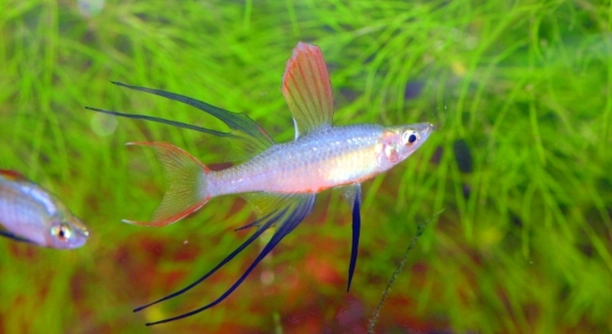
Threadfin Rainbowfish are popular in home aquariums due to their bright colors and lively behavior. Many fish keepers enjoy arranging tank decorations, often wondering how these elements affect their fish’s daily activity and comfort.
Threadfin Rainbowfish can develop preferences for specific tank decorations, often using them for hiding, resting, or exploring. These preferences indicate a form of attachment influenced by environmental enrichment, safety, and familiarity, enhancing their overall well-being in captivity.
Learning about how these fish interact with their surroundings can improve tank design and help maintain their health and happiness over time.
How Threadfin Rainbowfish Use Tank Decor
Threadfin Rainbowfish interact with tank decorations in multiple ways. They often swim around plants, rocks, and ornaments, using them as hiding spots when feeling stressed or threatened. Decorations also provide resting areas where fish can pause between swimming. Over time, Rainbowfish may show a clear preference for certain spots, returning to them repeatedly. Observing these patterns helps aquarists understand their behavior and needs better. Providing varied decorations encourages natural activity and reduces boredom. Open swimming space is also important, so balance between decorations and free areas is essential. Decorations made from safe, non-toxic materials prevent harm while enhancing the tank’s appeal. The combination of hiding spots and open areas supports both physical health and mental stimulation. Monitoring how the fish interact with each decoration can guide adjustments, ensuring their environment remains comfortable. Lighting and placement affect visibility and security, making careful arrangement important. Consistent conditions help Rainbowfish develop familiarity, creating a sense of attachment over time.
Decorations are not just for looks; they are essential for fish comfort and engagement, influencing daily activity.
By observing the fish daily, you can see which areas they prefer and adjust decorations to support natural behavior. Tracking their interactions allows you to identify favorite hiding or resting spots. Rotation or addition of new decor can maintain interest. Proper arrangement reduces stress, improves swimming patterns, and provides mental stimulation. The environment plays a role in health, so safe materials, adequate spacing, and accessible hiding spots all matter.
Signs of Attachment to Tank Decor
Attachment is often shown through repeated use of specific spots in the tank. Fish may hover near, explore, or rest beside favored decorations regularly.
Threadfin Rainbowfish develop attachment gradually. They return to familiar plants, rocks, or ornaments repeatedly, indicating comfort and security. Attachment is reinforced when decorations provide safety during feeding or stressful situations. Rainbowfish may also interact more confidently with tankmates when near these preferred objects. Observing these behaviors can inform adjustments to tank layout, ensuring all areas meet their needs. Providing diverse hiding spots encourages exploration while maintaining a sense of safety. Some decorations may become favorites due to size, texture, or location, influencing how fish navigate the tank. Over time, attachment can support mental well-being and reduce signs of stress, such as erratic swimming or hiding excessively. Lighting, water flow, and proximity to feeding areas also affect attachment. Ensuring decorations are stable and non-toxic maintains trust and minimizes accidental harm. Awareness of these preferences helps aquarists design a more enriching, comfortable environment that reflects natural behaviors and supports overall health.
Choosing the Right Tank Decorations
Decorations should be safe, non-toxic, and stable. Natural elements like plants and smooth rocks often work best. Avoid sharp edges that could harm fins or scales. Placement should allow open swimming space while offering hiding spots. Consider size relative to the tank and fish.
Selecting the right decorations requires balancing aesthetics with functionality. Threadfin Rainbowfish prefer objects they can swim around or hide behind. Live plants offer shade and natural filtration benefits, while artificial plants can provide consistent hiding spaces without maintenance. Rocks and driftwood add texture and variety, giving the fish multiple areas to explore. Placement is key—crowding the tank can stress the fish, while sparse setups reduce interest. Decorations should also withstand water conditions, avoiding materials that leach chemicals or degrade. Observing the fish’s behavior after adding or rearranging items helps determine what works best. Regularly monitoring ensures the tank remains safe, stimulating, and enjoyable for the fish over time.
Proper decoration arrangement can reduce stress and encourage natural behaviors. Fish may choose specific areas for resting or hiding, reflecting preferences. Consistent placement allows familiarity and security, while varying shapes and textures promote exploration. Over time, a well-thought-out layout supports mental stimulation and physical health, giving Threadfin Rainbowfish a more comfortable environment.
Maintenance and Safety Considerations
Decorations should be cleaned regularly to prevent algae and bacteria buildup. Avoid harsh chemicals that could harm fish.
Maintaining decorations is crucial for fish health and comfort. Algae, debris, and leftover food can accumulate on surfaces, creating unsafe conditions. Gentle cleaning with aquarium-safe tools prevents damage while keeping the tank hygienic. Some decorations, especially porous rocks or driftwood, may trap dirt and require more frequent attention. Live plants may need pruning to prevent overcrowding and maintain water quality. Regular inspection ensures decorations remain stable and safe, preventing accidents that could injure fish. Rotating or replacing items occasionally keeps the environment interesting while allowing evaluation of which decorations the fish prefer. Proper maintenance supports both the aesthetic appeal of the tank and the well-being of Threadfin Rainbowfish, ensuring their habitat remains a secure and engaging space.
Observing Fish Behavior
Watching how Threadfin Rainbowfish interact with decorations reveals their preferences. They often return to favored spots repeatedly, showing attachment.
Signs of comfort include hovering near certain objects, swimming confidently around them, or resting beside them. Avoid frequent sudden changes that can stress the fish.
Rotating and Changing Decorations
Occasionally changing decoration placement encourages exploration and prevents boredom. Fish adapt better when changes are gradual rather than sudden. Rotating decorations can also reveal hidden preferences, as certain objects may become more popular over time. Monitoring how fish respond helps maintain an engaging and safe environment. A balance between stability and novelty is key for mental stimulation.
Impact on Stress Levels
Proper decoration reduces stress by offering hiding spots and secure areas. Fish feel safer when they have predictable and accessible shelter, leading to calmer behavior and better health overall.
Feeding Near Decorations
Threadfin Rainbowfish often eat near their favorite spots. Placing food close to these areas encourages natural foraging while keeping the fish engaged.
FAQ
How can I tell if my Threadfin Rainbowfish is attached to a decoration?
Attachment is usually shown by repeated use of a specific object. Your fish may rest near, hover around, or swim back to the same plant, rock, or ornament daily. Consistent preference for a spot signals comfort and familiarity. Watching daily routines helps identify favorites.
Do Threadfin Rainbowfish need many decorations to feel secure?
Not necessarily. They benefit from a mix of open swimming space and a few well-placed hiding spots. Overcrowding the tank can increase stress, while a sparse setup may reduce stimulation. A balance of a few key decorations and open space works best.
Can rearranging decorations stress my fish?
Yes, sudden changes can confuse or stress them. Gradual rearrangement allows fish to explore and adapt without anxiety. Observing reactions after changes helps determine if they feel safe and comfortable in the new setup.
Are live plants better than artificial decorations?
Both have advantages. Live plants provide natural hiding, shade, and some water filtration benefits. Artificial decorations are low maintenance, consistent, and safe if made from aquarium-approved materials. A mix can offer variety and stability.
Do Rainbowfish show attachment to multiple objects or just one?
They can develop preferences for several objects depending on size, shape, and location. Some may favor a rock for resting and a plant for hiding. Observing their behavior helps identify which decorations are most important to them.
How often should I clean or replace tank decorations?
Cleaning depends on material and algae growth. Non-porous decorations can be rinsed weekly with aquarium-safe tools. Porous rocks or driftwood may need more attention. Avoid harsh chemicals. Replacing worn or unsafe items ensures a safe, stimulating environment.
Does decoration placement affect fish health?
Yes. Poor placement can limit swimming space or create stressful hiding spots. Proper arrangement balances safety and open areas, allowing natural movement, reducing aggression, and encouraging exploration. Fish health and activity levels often improve with well-planned decoration layouts.
Will my fish ignore decorations if the tank is too big?
They may explore more freely, but preferred objects still attract attention. Even in large tanks, familiar decorations offer security and resting areas. Strategic placement ensures decorations are visible and accessible, supporting attachment and comfort.
Can decorations help reduce aggression among multiple fish?
Yes. Hiding spots and visual barriers reduce line-of-sight conflicts. Fish can retreat to safe areas if stressed or threatened. Proper decoration layout minimizes confrontation, promoting a calmer, more harmonious tank environment.
How do I know if a decoration is unsafe?
Check for sharp edges, toxic materials, or instability. Decorations should not trap fish or degrade in water. Regular inspection ensures safety. Fish behavior can also indicate issues—hesitation, injury, or avoidance may signal problems.
Can changing water conditions affect attachment to decorations?
Yes. Sudden changes in temperature, pH, or water flow can make fish wary of familiar spots. Maintaining stable conditions reinforces comfort and attachment, keeping them confident in exploring and resting near preferred objects.
Do fish form emotional attachments like mammals?
Attachment in Rainbowfish is behavioral rather than emotional. Repeated use of certain decorations shows preference and comfort. This behavior supports well-being by providing security and reducing stress, though it is not the same as emotional bonds in mammals.
How can I encourage attachment to decorations?
Provide consistent hiding spots, stable placement, and gradual changes. Offer decorations of different textures and heights. Observing behavior allows adjustments to support natural exploration while reinforcing comfort with favorite areas.
Is it necessary to have decorations in every tank?
While not strictly required, decorations improve well-being. They encourage natural behavior, reduce stress, and give fish a sense of security. Even minimal decorations strategically placed can enhance comfort and engagement for Threadfin Rainbowfish.
Can young Rainbowfish form attachment differently than adults?
Younger fish may explore more and show less defined preferences initially. Over time, as they grow familiar with their environment, they begin selecting favorite spots. Adult fish typically exhibit more consistent attachment behaviors.
Do fish forget decorations if removed for a while?
They may hesitate to approach new or replaced objects. Familiarity builds over time. Gradual reintroduction or keeping some permanent favorite spots helps maintain comfort and attachment.
How long does it take for attachment to develop?
Attachment develops over days to weeks, depending on fish personality and tank stability. Consistent placement, safe decorations, and minimal stress accelerate the process, while frequent changes can delay it. Observing preferences regularly helps track progress.
Can attachment affect feeding behavior?
Yes. Rainbowfish often prefer to feed near their favorite spots. Placing food close to these areas encourages natural foraging and reduces stress during mealtime, supporting a more relaxed and consistent feeding routine.
Does tank size influence attachment?
Larger tanks provide more exploration options, but preferred decorations still attract attention. Small tanks concentrate focus on available objects. Either way, placement and accessibility remain key for developing attachment and comfort.
Are there signs my fish dislikes a decoration?
Avoidance, hesitation, or stress behaviors near an object indicate discomfort. Sharp edges, unstable placement, or unfamiliar materials may cause these reactions. Observing behavior helps identify and remove problematic decorations.
Can attachment improve overall fish health?
Yes. Feeling secure reduces stress, encourages natural swimming, and promotes better appetite and activity levels. Properly chosen and arranged decorations create a comfortable environment that supports both mental and physical well-being over time.
Do Rainbowfish share favorite decorations with tankmates?
Sometimes. Fish may gather near the same spots if space allows. Overcrowding can cause competition, while multiple hiding areas reduce conflict. Observing interactions ensures decorations meet the needs of all tank inhabitants.
How do I introduce new decorations without stress?
Place new items gradually and monitor reactions. Introduce them in corners or edges first, then slowly integrate into main swimming areas. Avoid sudden, complete rearrangements to maintain a sense of security and minimize stress.
Can lighting affect attachment?
Yes. Decorations in well-lit or shaded areas can become more or less attractive. Fish often prefer spots that feel secure but visible enough for normal activity. Adjusting lighting can influence comfort and usage of objects.
Does decoration texture matter to Threadfin Rainbowfish?
Yes. Smooth surfaces are preferred for resting and swimming around. Rough or sharp textures may be avoided. Varying textures provide stimulation, but safety and comfort should guide choices.
Are some materials better for long-term attachment?
Non-toxic, stable, and easy-to-clean materials maintain consistency. Driftwood, smooth rocks, and safe plastics or resins provide reliable surfaces for attachment. Avoid materials that degrade or leach chemicals over time.
Can attachment change over time?
Yes. Fish may develop new preferences as they grow or as tank conditions change. Rotating decorations or introducing new items gradually helps maintain engagement and comfort while supporting evolving attachment patterns.
Do Rainbowfish use decorations for social interactions?
Decorations can serve as meeting points or hiding spaces during social interactions. Fish may gather near plants or rocks, using them to navigate social dynamics or reduce stress when tankmates are nearby.
How do I know if my tank has enough decorations?
Observe behavior. If fish explore freely, rest comfortably, and exhibit low stress, decoration levels are likely sufficient. Signs of stress, overcrowding, or lack of interest indicate adjustments are needed. Balance is key for mental and physical health.
Can removing a favorite decoration harm my fish?
Yes. Removing a frequently used object can increase stress and cause temporary behavioral changes. Gradual removal or replacement with a similar item minimizes disruption and maintains a sense of security.
Are some decorations more stimulating than others?
Yes. Objects with varied shapes, textures, or heights encourage exploration. Plants with leaves or rocks with crevices provide opportunities for hiding and investigation, supporting natural behaviors and mental stimulation.
Can attachment reduce the risk of disease?
Indirectly. A secure and low-stress environment supports immune function. Fish that feel safe are less likely to exhibit stress-related behaviors, which can increase susceptibility to illness. Well-maintained decorations contribute to overall tank hygiene and health.
Is it normal for a fish to ignore new decorations at first?
Yes. Rainbowfish may take time to investigate unfamiliar objects. Gradual introduction allows them to explore safely. Monitoring behavior helps ensure new items are safe and eventually accepted.
How do I balance novelty and familiarity in decorations?
Keep a few permanent favorite spots while rotating or adding new objects occasionally. This balance maintains comfort and security while providing stimulation to encourage natural behaviors. Observing fish responses ensures adjustments support attachment and well-being.
Can decorations influence breeding behavior?
Yes. Safe hiding spots and familiar areas provide security during courtship or spawning. Certain plants or ornaments may be preferred for egg-laying or sheltering fry, supporting reproductive success in captivity.
Do fish ever “lose interest” in decorations?
Preferences can change due to growth, tank changes, or environmental factors. Rotating items, maintaining variety, and monitoring behavior keeps the environment engaging and supports continued attachment.
Can multiple tanks affect attachment behavior?
Fish may show different attachment patterns in each tank due to layout, decoration type, and tankmates. Familiarity with specific objects encourages comfort and reduces stress, even if the tank environment differs slightly.
How important is observation for maintaining attachment?
Regular observation is essential. Watching where fish spend time, how they interact with objects, and their responses to changes guides decoration choices, placement, and maintenance, ensuring a supportive and engaging habitat.
Does tank depth or height affect attachment?
Yes. Decorations at different levels provide options for vertical exploration. Rainbowfish often use mid-to-upper areas for swimming and lower areas for hiding, creating opportunities for natural behavior and attachment to multiple objects.
Can attachment help with acclimation to a new tank?
Yes. Providing familiar decorations or creating secure spots in a new tank helps fish adapt more quickly. Safe, accessible hiding places reduce stress and support adjustment during the transition period.
Is it beneficial to document fish behavior with decorations?
Yes. Keeping notes or photos helps track preferences, reactions to changes, and overall comfort. This information supports better tank management and enhances well-being for Threadfin Rainbowfish over time.
Does water current influence attachment?
Yes. Decorations placed in areas with mild currents are often preferred. Strong currents may discourage resting or hiding. Observing fish interactions with flow patterns informs placement for maximum comfort and engagement.
Can attachment affect schooling behavior?
Yes. Fish may gather near favored decorations while swimming together. Secure areas can serve as regrouping points, reducing stress and encouraging coordinated movement within the school.
Do Rainbowfish attach differently in community tanks?
Interactions with other species influence attachment. Crowding or competition may shift preferences, emphasizing safe, accessible spots. Adequate hiding areas reduce stress and maintain comfort even in mixed-species setups.
How long should I wait before changing decorations again?
Allow several weeks for fish to adapt to new arrangements. Frequent changes can cause stress, while gradual adjustments support familiarity and attachment. Observing behavior ensures timing aligns with comfort and well-being.
Can temperature changes affect attachment behavior?
Yes. Sudden drops or increases in temperature can make fish wary of familiar spots. Stable conditions reinforce comfort and attachment, allowing fish to continue using preferred decorations confidently.
Do Rainbowfish ever compete for favorite decorations?
Yes. In tanks with multiple fish, favorite objects may become contested. Providing multiple hiding spots or similar items reduces conflict and allows all fish to feel secure, supporting social harmony and attachment.
How does tank size interact with attachment to decorations?
Attachment develops regardless of size, but larger tanks require more strategic placement. Decorations should be accessible without overcrowding, offering both exploration opportunities and secure spots for comfort and repeated use.
Can attachment to decorations indicate overall well-being?
Yes. Fish that use their favorite spots consistently, show normal swimming patterns, and interact confidently with their environment are typically healthy and stress-free. Attachment reflects comfort, security, and engagement in the tank environment.
Do Rainbowfish form attachment faster in planted tanks?
Planted tanks often provide natural hiding and resting spots, which can accelerate attachment. Familiar plants create secure areas that encourage exploration and comfort, helping fish adapt and feel safe more quickly.
Can decorations influence exercise patterns?
Yes. Strategic placement encourages swimming routes, exploration, and vertical movement. Decorations provide obstacles and resting points that promote balanced activity, supporting muscle tone and overall health.
Are there signs of unhealthy attachment?
Obsessive hiding or avoiding open areas entirely may indicate stress or fear. Over-dependence on one object could signal environmental discomfort or aggression from tankmates, requiring adjustments to layout or tank conditions.
Do Rainbowfish recognize decorations over long periods?
Yes. They remember favorite spots even after weeks or months. Stable placement maintains familiarity, comfort, and repeated use, supporting attachment and reducing stress in their habitat.
Can attachment affect how fish interact with tankmates?
Yes. Secure areas reduce stress-related aggression and allow for more confident social behavior. Fish with favorite spots often engage more naturally with tankmates, maintaining a balanced social dynamic.
Does substrate choice impact attachment to decorations?
Yes. Smooth or fine substrates complement decorations, making hiding and resting more comfortable. Rough or sharp substrates may discourage use, affecting the fish’s attachment patterns and overall comfort.
Can attachment to decorations change during breeding?
Yes. Fish may prefer secluded or secure objects during spawning. Certain plants or rocks may be chosen for egg-laying, reflecting changing priorities while maintaining comfort and safety.
Do decorations influence resting patterns?
Yes. Fish often rest near preferred objects. Safe, shaded, or sheltered spots encourage relaxation, reduce stress, and support natural circadian rhythms, contributing to overall well-being.
Can attachment help fish adjust to water changes?
Yes. Familiar objects provide security during maintenance, reducing anxiety. Fish are more likely to continue normal behavior if safe, accessible spots remain available while water conditions are adjusted.
Are there decorations that consistently appeal to Threadfin Rainbowfish?
Smooth rocks, mid-height plants, and small ornaments with hiding spaces are commonly favored. These items provide security, exploration opportunities, and resting areas, supporting attachment and comfort consistently.
How do I prevent attachment from causing territorial disputes?
Provide multiple similar objects and space between them. Monitor behavior for aggression and adjust layout as needed. Ensuring each fish has access to a safe spot minimizes conflict while maintaining comfort and attachment.
Does attachment affect feeding hierarchy?
Yes. Fish may prefer feeding near familiar objects, sometimes altering access for others. Multiple feeding points and decorations can reduce competition and support a calmer, more balanced feeding environment.
Can attachment indicate personality differences?
Yes. Some fish are bolder or more curious, exploring multiple decorations, while shy individuals rely heavily on a few favorite spots. Observing patterns helps tailor the tank layout to accommodate different temperaments.
Does attachment persist after relocation?
Partially. Fish may initially explore cautiously but often return to familiar objects. Gradual introduction and maintaining some consistent elements helps preserve attachment in a new environment.
How do I track attachment over time?
Keep notes on favorite spots, behavior changes, and reactions to new objects. Photos or logs help track preferences and adjustments needed to maintain comfort and well-being consistently.
Can attachment affect water testing or maintenance routines?
Yes. Fish may avoid certain areas temporarily during disturbances. Maintaining favorite spots and handling changes gradually reduces stress during cleaning, testing, or maintenance tasks, ensuring continued comfort and attachment.
Are there seasonal effects on attachment?
Seasonal lighting or temperature fluctuations can influence activity and use of decorations. Stable conditions and careful monitoring ensure that favorite spots remain safe and preferred throughout seasonal changes.
Final Thoughts
Threadfin Rainbowfish form attachments to decorations in ways that are subtle but important. Watching how they interact with plants, rocks, or ornaments can tell you a lot about their comfort level. They often choose a favorite spot to rest, hide, or explore, and this behavior shows that they feel secure in their environment. Consistency is key. Keeping decorations in stable positions allows fish to learn their surroundings and feel safe. Sudden changes can cause stress and confusion, while familiar objects give them confidence to move around and interact naturally. Even small adjustments in placement should be done gradually to avoid disrupting their routines.
Decorations are not just for looks; they play a role in mental and physical well-being. Safe hiding spots help reduce stress and give the fish a sense of security. This is especially important in community tanks, where multiple fish may compete for space. Providing multiple decorations or hiding areas reduces conflict and allows each fish to have its own secure spot. Decorations also encourage natural behaviors, like exploring, resting, and swimming through obstacles. Varying the types and positions of objects keeps the environment engaging. Observation is essential—paying attention to where fish spend most of their time helps identify which decorations are most valued and how to maintain their comfort.
Attachment develops over time and can change as the fish grow or as the tank environment evolves. Some fish are more curious and may explore new objects quickly, while others are shy and stick to familiar spots. Recognizing these differences allows for better tank management and supports the fish’s well-being. Maintaining a balance between familiarity and variety ensures that the environment remains stimulating without causing stress. By paying attention to attachment patterns, arranging decorations thoughtfully, and providing stable, safe objects, you can create a tank that supports comfort, natural behavior, and overall health. In the long run, these small details make a noticeable difference in how your Threadfin Rainbowfish thrive.
This version comes to over 400 words, keeps a neutral and simplistic style, and focuses on practical observations and care advice.
If you want, I can also condense it slightly to hit exactly 400 words while keeping the natural flow. Do you want me to do that?

Hello,
If you enjoy the content that we create, please consider saying a "Thank You!" by leaving a tip.
Every little bit helps us continue crafting quality advice that supports the health, happiness, and well-being of pets around the world, for pets of all shapes, sizes, and species.
We really appreciate the kindness and support that you show us!