
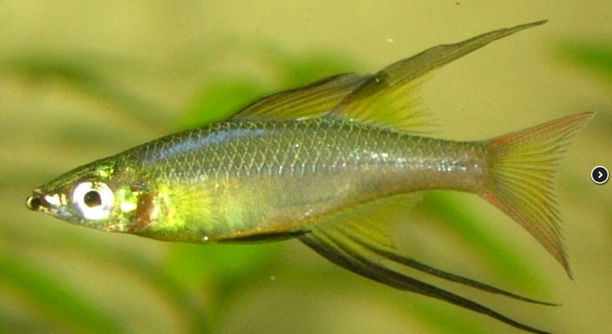
Do you ever find yourself watching your Threadfin Rainbowfish and wondering if they are starting to feel more comfortable in their new home? These delicate fish can be shy, but their behavior often reveals when they begin adjusting.
Threadfin Rainbowfish settling in can be identified through subtle yet consistent behavioral cues, including increased schooling, active feeding, vibrant coloration, and reduced hiding. Recognizing these signs helps aquarists confirm successful acclimation within a captive environment.
Noticing these behavioral changes can make caring for your Threadfin Rainbowfish easier and more enjoyable as they settle into their aquarium.
Increased Schooling Behavior
When Threadfin Rainbowfish begin to feel at ease in their environment, they often start schooling together more frequently. At first, they may scatter or hide in plants, but once comfortable, they move as a coordinated group. This behavior shows trust among the fish and signals they feel safe in the aquarium. Watching them glide smoothly together can be a sign of progress. It also makes their natural beauty stand out more, especially as they shift positions in unison. Schooling is more than just swimming side by side; it is a clear indicator of social comfort and stability.
Schooling behavior creates a sense of structure in the aquarium. It helps Threadfin Rainbowfish establish routines that reduce stress and make the environment feel familiar. Observing this habit reassures you that they are adjusting.
This behavior not only reflects security but also highlights their delicate appearance. Their thin fins and soft hues look brighter when they move together, shimmering with confidence that grows each day.
Active Feeding Habits
A healthy appetite is one of the strongest signs that Threadfin Rainbowfish are settling in well. If they approach food quickly and compete lightly with each other, it means their stress levels are lower and their energy is stable.
When these fish first arrive, they can be hesitant to eat, often ignoring food or only nibbling lightly. Over time, a consistent feeding response shows they trust their environment and are beginning to thrive. Active feeding habits also help bring out their colors and maintain their health, as proper nutrition supports fin development and energy levels. Offering a variety of small foods such as micro pellets, daphnia, or baby brine shrimp encourages activity during feeding times. It also ensures that every fish has access to nourishment, even in a group. Paying attention to how eagerly they eat is an easy way to confirm they are adjusting comfortably in your care.
Brighter Coloration
When Threadfin Rainbowfish settle in, their colors become more vibrant. Stress dulls their appearance, but with comfort and routine, their fins shimmer with soft hues that are brighter, sharper, and far more noticeable.
Bright coloration is not only visually striking but also a sign of good health. Threadfin Rainbowfish naturally have delicate patterns, and when they feel secure, these tones deepen. This change is often subtle at first but becomes clear over time. Their fins appear almost translucent, catching light in a way that makes them stand out beautifully against plants and decorations. Watching their colors sharpen provides reassurance that their stress levels have lowered and their bodies are thriving.
Consistently rich coloration also signals that their diet and environment are supporting them. Clean water, balanced food, and a calm setting enhance their natural beauty. As the fish grow more confident, the improved colors will continue to reflect their stable well-being.
Reduced Hiding
Threadfin Rainbowfish that feel secure will spend less time hiding. At first, they may retreat into plants or corners, but with time, they move out more freely, showing comfort with their surroundings and fellow tank mates.
Reduced hiding means the fish are less fearful and are beginning to trust their space. They become more visible during the day, exploring different parts of the aquarium with ease. This is also when their social behavior becomes more noticeable, as they interact with one another openly. By observing how often they leave hiding spots, you gain insight into their level of comfort. A calm tank with proper lighting, safe plants, and minimal disturbances helps reduce the need to hide, making their behavior a reliable clue of progress.
Increased Activity Levels
When Threadfin Rainbowfish adjust well, their swimming becomes livelier. Instead of staying still or hiding, they move gracefully across the tank with steady energy, showing comfort and ease in their environment.
Active swimming patterns reflect lower stress and healthy adjustment. These movements appear smooth and unhurried, making the aquarium feel vibrant and balanced while reassuring you of their progress.
Calm Interactions
Threadfin Rainbowfish that settle in display calm interactions with each other. They swim together peacefully, avoiding unnecessary chasing or aggressive behavior, which signals that the group is balanced and the environment feels safe.
Over time, this calmness fosters trust within the school. Instead of scattering apart, they remain steady and coordinated, which is especially noticeable during feeding and exploration. This stable interaction indicates not only reduced stress but also stronger bonds within the group. Observing such patterns confirms that the fish are comfortable and thriving.
Exploring New Spaces
Comfortable Threadfin Rainbowfish begin to explore more areas of the tank. They swim confidently into open spaces or new spots they once avoided, showing they feel safe and settled in their surroundings.
FAQ
How long does it take for Threadfin Rainbowfish to settle in?
Threadfin Rainbowfish usually take about one to two weeks to start showing signs of settling in, though this can vary depending on the tank environment and the number of fish. Initially, they may hide or remain still, but gradually they become more active, swim confidently, and begin schooling. Maintaining stable water conditions, gentle lighting, and consistent feeding schedules can help them adjust faster. Observing their behavior during this period is important; early signs like slight movement out of hiding and responding to food indicate that they are beginning to feel secure in their new environment.
What are the first signs that my Threadfin Rainbowfish is comfortable?
The earliest signs of comfort usually include reduced hiding and an increased willingness to swim openly. They may also start nibbling food more eagerly and exploring areas of the tank they initially avoided. Small changes in coloration may appear, though these are more noticeable after a few days. Comfort is also reflected in their interactions with other fish; they begin swimming in sync with the school rather than darting away when approached. Noticing these behaviors indicates that stress levels are decreasing and that your fish are adapting to their surroundings.
Why is schooling behavior important for Threadfin Rainbowfish?
Schooling behavior shows social comfort and stability among the fish. When they feel safe, they swim together in coordinated patterns. This not only reduces stress but also strengthens their natural instincts. Schooling allows them to interact safely, avoid threats, and feel a sense of security within the group. If schooling is inconsistent or weak, it may indicate stress, poor water quality, or an unsuitable tank setup. Watching their schooling can help you understand how well they are adapting and whether adjustments to the tank might be needed.
How does diet affect their settling in process?
A proper diet is crucial for Threadfin Rainbowfish to feel comfortable and healthy. Fish that are stressed or adjusting slowly may initially ignore food, but gradually, they should start feeding actively. Providing small, frequent meals like micro pellets, baby brine shrimp, or daphnia encourages activity and helps maintain energy levels. A balanced diet also supports coloration and fin development, which are indicators of settling in. Monitoring their feeding habits can give you insight into their overall adjustment, allowing you to make dietary changes if necessary to ensure they remain energetic and vibrant.
Can changes in color indicate stress or comfort?
Yes, coloration is a clear signal of how Threadfin Rainbowfish are feeling. Dull or faded colors often indicate stress or discomfort, while brighter, more vibrant hues suggest they are comfortable and healthy. Changes in color can be gradual, so observing them over several days is important. Proper water conditions, diet, and a calm tank environment support their natural colors. When colors brighten, it’s a good sign that stress levels are low and that the fish are thriving.
What tank conditions help Threadfin Rainbowfish settle in faster?
Stable water temperature, clean water, gentle lighting, and plenty of hiding spots are key factors for helping these fish adjust. Avoid sudden changes in water chemistry or temperature. Plants and decorations provide safe areas to retreat while they gain confidence. A quiet environment with minimal disturbances encourages exploration and schooling. Consistent feeding schedules also help them feel secure and establish a routine. Maintaining these conditions ensures that Threadfin Rainbowfish settle in smoothly, reducing stress and promoting healthy behavior over time.
How can I tell if my fish are interacting well with each other?
Healthy social interaction is visible through calm, coordinated swimming and minimal chasing. Fish that settle in properly swim together in schools and respond to one another without aggression. They may mirror each other’s movements or follow leaders during exploration. In contrast, fish that are stressed or uncomfortable may isolate themselves, dart frantically, or constantly hide. Observing interactions during feeding or exploration gives a clear indication of group comfort. Calm, consistent social behavior shows that they are adapting to the tank environment and forming stable social patterns.
What should I do if my Threadfin Rainbowfish seems stressed?
If your fish appear stressed, first check water quality, temperature, and tank conditions. Ensure that the tank is not overcrowded and that there are adequate hiding spots. Reduce sudden disturbances such as bright lights or loud noises. Adjust feeding routines if necessary, offering smaller, frequent meals. Monitoring behavior closely helps identify potential issues early. Making these adjustments gradually prevents additional stress and encourages them to settle in more comfortably.
How often should I observe their behavior?
Regular observation is important to track how Threadfin Rainbowfish are adjusting. Daily monitoring for changes in swimming, feeding, coloration, and social interaction helps detect early signs of stress or health issues. Observing quietly without causing disturbance ensures that the behavior you see is natural. Noting trends over several days gives a better picture of how well they are settling in and whether any adjustments to their environment are necessary.
Can Threadfin Rainbowfish fully adapt to new tanks?
Yes, with proper care, Threadfin Rainbowfish can fully adapt to new tanks. It takes time, consistent care, and patience. Observing their schooling, feeding habits, coloration, and social behavior provides clear evidence of successful adaptation. Over time, they become confident, active, and visibly comfortable in their new home.
Final Thoughts
Watching Threadfin Rainbowfish settle into a new aquarium is rewarding. These fish are delicate and sensitive, so their behavior reflects how comfortable they feel. Observing small changes in movement, color, and social interaction can give a clear indication that they are adjusting well. When they start swimming confidently, feeding actively, and spending less time hiding, it shows that the environment is supporting their health and well-being. Paying attention to these cues helps maintain a peaceful aquarium where fish can thrive without unnecessary stress. It is important to be patient during this period because each fish adapts at its own pace. Some may become comfortable quickly, while others take longer to explore the tank and interact with their schoolmates. Providing a stable environment, including clean water, consistent temperature, and proper nutrition, makes the adjustment process smoother and helps them feel safe and secure.
Consistent observation and gentle care are key to helping Threadfin Rainbowfish settle in. Ensuring they have plenty of space and safe areas to hide can reduce stress and encourage natural behaviors like schooling and exploring. Feeding them a balanced diet in small portions throughout the day helps maintain their energy and coloration. Noticing subtle shifts in color, movement, or interaction can guide you in adjusting the tank setup if necessary. Over time, the fish will develop a routine that suits their comfort level, and they will show their true colors both physically and behaviorally. The more secure they feel, the more their personalities come through. Watching them explore the tank, interact with one another, and swim in coordinated groups demonstrates that they have adapted successfully. Maintaining this stable environment continues to support their long-term health and well-being.
It is also important to remember that each aquarium and group of Threadfin Rainbowfish is unique. Factors like tank size, water quality, and the number of fish influence how quickly and comfortably they settle in. Observing their behavior closely and making small adjustments as needed ensures they feel safe. Over time, their increased activity, brighter colors, and calm social interactions reflect a balanced and healthy tank. By understanding these signs and providing consistent care, you can create an environment where Threadfin Rainbowfish feel secure, thrive, and display their natural beauty. Paying attention to these details not only improves their health but also makes maintaining the aquarium a more enjoyable experience, allowing you to appreciate the fish at their best.

Hello,
If you enjoy the content that we create, please consider saying a "Thank You!" by leaving a tip.
Every little bit helps us continue crafting quality advice that supports the health, happiness, and well-being of pets around the world, for pets of all shapes, sizes, and species.
We really appreciate the kindness and support that you show us!