
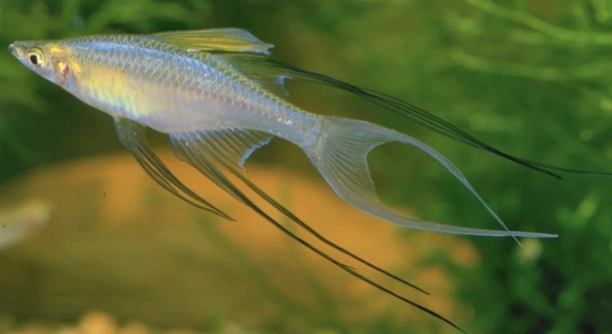
Do you ever notice your Threadfin Rainbowfish hovering near the tank walls or shaking gently in place? These small, vibrant fish can display such behaviors for a variety of reasons, often related to their health or environment.
Threadfin Rainbowfish may hover and shake due to stress, water quality issues, or early signs of illness. Adjusting water parameters, ensuring proper diet, and observing social interactions can help identify and resolve the underlying cause effectively.
Understanding why these behaviors occur can improve your fish’s well-being and create a calmer, healthier aquarium environment.
Common Causes of Hovering and Shaking
Threadfin Rainbowfish often hover or shake due to changes in their environment or internal discomfort. Sudden temperature shifts, poor water quality, or imbalanced pH levels can create stress, which makes them more prone to unusual behaviors. Overcrowding in the tank may also trigger this behavior, as fish feel threatened or lack space to swim freely. Additionally, improper diet or nutritional deficiencies can affect their energy levels, causing trembling or erratic movement. Even minor injuries or parasites may lead to shaking, as the fish attempt to relieve irritation or discomfort. Observing interactions between tank mates can reveal whether aggression or bullying is contributing to stress. By monitoring these factors closely, owners can identify patterns and address issues promptly, ensuring the fish remain healthy. Regular water testing, proper feeding, and sufficient tank space are essential steps in maintaining an environment where Threadfin Rainbowfish can thrive without exhibiting constant hovering or shaking.
Regular water testing and stable tank conditions often prevent most behavioral issues in Threadfin Rainbowfish.
Keeping the tank clean, feeding high-quality food, and observing fish behavior daily can prevent problems. Consistency and careful monitoring help maintain their health.
Stress-Related Behaviors
Stress is a significant factor that causes Threadfin Rainbowfish to hover and shake.
Environmental stressors, such as loud noises, sudden movements near the tank, or aggressive tank mates, can trigger shaking. Fish also respond to poor water circulation or low oxygen levels. Stress weakens their immune system, making them more susceptible to illness. Maintaining calm, stable conditions reduces stress and encourages natural swimming behavior. Providing plants, hiding spots, and a balanced community helps fish feel secure. Even subtle changes in lighting or feeding routines can influence their comfort. Observing daily behavior and reacting promptly to changes supports their overall well-being. Stress-related behaviors often signal deeper issues, so addressing them early ensures healthier, more active fish. By understanding triggers, owners can create a stable, comfortable environment, preventing repeated episodes of hovering or trembling. Regular maintenance and careful observation are key to reducing stress and keeping Threadfin Rainbowfish thriving in a home aquarium.
Water Quality Issues
Poor water quality can directly cause Threadfin Rainbowfish to hover and shake. High ammonia, nitrite, or nitrate levels, as well as improper pH, create stress and discomfort for the fish. Regular water testing is essential.
Maintaining stable water conditions is crucial for healthy Rainbowfish. Frequent partial water changes, proper filtration, and avoiding overfeeding help prevent toxic buildup. Sudden changes in water temperature or chemistry can trigger shaking or erratic swimming. Monitoring parameters like pH, hardness, and temperature ensures the environment remains suitable. Even minor fluctuations can cause stress responses, so consistent care is important. Clean tanks with balanced water chemistry support normal behavior and overall vitality.
Observing water clarity, odor, and fish behavior daily helps detect problems early. Addressing issues promptly minimizes stress and reduces the risk of disease. Keeping the tank environment stable allows Threadfin Rainbowfish to swim freely without hovering or trembling.
Disease and Parasites
Illness or parasites are common reasons Rainbowfish may hover or shake. Symptoms often include clamped fins, lethargy, or visible spots. Early detection is important.
Treating affected fish requires careful observation and correct medication. Quarantining new or sick fish prevents disease spread. Parasites like ich or gill flukes irritate the skin and gills, causing shaking. Fungal or bacterial infections can also affect behavior. A balanced diet, clean water, and stress reduction improve recovery. Identifying the type of disease ensures effective treatment and prevents long-term health issues.
Regularly inspecting fish for abnormal behavior or physical changes allows timely intervention. Maintaining proper tank hygiene and monitoring interactions among fish reduce the risk of outbreaks, keeping the community healthy and active. Preventive care, including quarantining new fish, supports long-term aquarium stability.
Overcrowding and Tank Size
Overcrowding can make Threadfin Rainbowfish hover and shake as they struggle for space. Insufficient swimming areas increase stress and trigger erratic movements.
Providing enough room for each fish reduces tension. Proper tank size and careful planning of stocking levels help fish move freely and interact safely without constant stress.
Diet and Nutrition
A poor diet can cause shaking and hovering. Threadfin Rainbowfish need a balanced diet of high-quality flakes, pellets, and occasional live or frozen foods. Lack of proper nutrients weakens them, making them more susceptible to stress and disease. Feeding small, frequent meals helps maintain energy levels and overall health.
Temperature Fluctuations
Sudden changes in water temperature can trigger hovering or trembling. Maintaining a consistent, appropriate temperature prevents stress and keeps fish active and healthy.
FAQ
Why is my Threadfin Rainbowfish hovering at the top of the tank?
Hovering near the surface often indicates low oxygen levels or stress. Ensure proper aeration, avoid overcrowding, and maintain clean water. Consistent water parameters and adequate space help fish feel secure and swim naturally.
Why does my Rainbowfish shake while swimming?
Shaking can result from stress, parasites, or illness. Monitor water quality, check for visible spots or unusual marks, and adjust diet if needed. Early detection and treatment prevent more serious health problems and restore normal behavior.
Can poor water quality cause hovering or trembling?
Yes. High ammonia, nitrite, or nitrate levels and sudden pH changes make Rainbowfish stressed and uncomfortable. Regular testing, partial water changes, and proper filtration maintain a stable, healthy environment.
Could tank size be affecting my fish?
Insufficient space can make Threadfin Rainbowfish hover or shake due to stress. Larger tanks with proper swimming areas and hiding spots reduce tension and encourage natural behavior. Overcrowding should be avoided to prevent constant stress.
Does diet influence shaking or hovering?
Absolutely. Nutritional deficiencies weaken fish and increase susceptibility to stress or illness. A varied diet of quality flakes, pellets, and live or frozen foods ensures proper growth, energy, and overall health. Feeding small, frequent portions helps maintain stability.
Are temperature fluctuations harmful?
Sudden changes in water temperature can stress Rainbowfish, causing trembling or hovering. Maintaining a stable, suitable temperature within their range is essential for consistent behavior and overall health. Use a reliable heater and monitor water conditions regularly.
Can stress from tank mates cause these behaviors?
Yes. Aggressive or overly active fish can intimidate Threadfin Rainbowfish, causing shaking or hovering. Observing interactions and separating incompatible species helps reduce stress and allows all fish to coexist peacefully.
How can I prevent disease-related shaking?
Maintaining clean water, a proper diet, and stable conditions lowers disease risk. Quarantining new fish, observing for early symptoms, and treating infections promptly protect the entire tank. Early action ensures faster recovery and healthier behavior.
Is it normal for young fish to hover or shake?
Juvenile Rainbowfish may hover or shake occasionally while adapting to a new tank or environment. As long as water conditions are stable and they are feeding properly, behavior usually normalizes as they grow and gain confidence.
When should I consult a professional?
If hovering or shaking persists despite stable water conditions, proper diet, and reduced stress, professional advice is recommended. A vet or experienced aquarist can help diagnose illness, parasites, or other hidden issues affecting your fish’s health.
Can environmental enrichment help reduce hovering?
Yes. Plants, rocks, and hiding spots provide security and reduce stress. A well-decorated tank allows Threadfin Rainbowfish to explore safely, promoting natural swimming patterns and reducing erratic hovering or shaking.
How often should I monitor my fish for abnormal behavior?
Daily observation is ideal. Noting changes in swimming patterns, appetite, or appearance helps catch problems early. Regular checks combined with proper maintenance ensure long-term health and a stable, comfortable environment for your Rainbowfish.
Are there signs that hovering or shaking is serious?
Persistent hovering, clamped fins, lethargy, or visible spots indicate a serious issue. Immediate attention to water quality, diet, and potential diseases is critical. Quick intervention can prevent worsening health and support full recovery.
Can stress from handling cause these behaviors?
Handling or sudden tank changes can startle Rainbowfish, leading to shaking or hovering temporarily. Limiting handling and moving fish carefully reduces stress and helps maintain normal swimming patterns.
Does light intensity affect behavior?
Excessive or sudden changes in lighting can stress Threadfin Rainbowfish. Gradual light adjustments and consistent photoperiods help maintain calm behavior, encouraging natural activity and reducing hovering or trembling.
Is it normal for a single fish to hover while others swim normally?
Yes. Individual fish may respond differently to stress or minor environmental changes. Monitoring water quality, diet, and interactions ensures this behavior isn’t a sign of illness. Most often, the fish will resume normal activity with proper care.
Can a new tank setup trigger hovering or shaking?
Transitioning to a new tank often stresses Rainbowfish. Stability in water parameters, gentle acclimation, and providing hiding spots help them adjust, minimizing shaking or hovering as they become comfortable in their new environment.
Does overfeeding cause abnormal swimming behaviors?
Overfeeding can reduce water quality, leading to stress and shaking. Feeding measured amounts and removing uneaten food prevents water contamination, supporting healthy behavior and a stable, active community in the tank.
Can breeding behavior cause hovering or shaking?
Yes. During breeding, male Threadfin Rainbowfish may hover or shake slightly while displaying to females. This is normal, temporary, and usually does not indicate a health problem as long as other conditions are stable.
Are there preventive measures to avoid shaking and hovering?
Maintaining clean water, stable temperature, proper diet, adequate space, and compatible tank mates are key. Daily observation and regular maintenance reduce stress, prevent disease, and support natural, healthy behavior in Threadfin Rainbowfish.
How long does it take for fish to recover once conditions improve?
Recovery time varies depending on stress or illness severity. Most fish show improvement within days of stable water, proper nutrition, and reduced stress. Persistent issues should be addressed with targeted treatment and professional guidance.
Can adding aeration reduce hovering?
Yes. Proper aeration increases oxygen levels, reducing stress and encouraging natural swimming. Air stones, filters, or gentle water movement help maintain a comfortable environment for Threadfin Rainbowfish.
Are there common misconceptions about shaking in Rainbowfish?
Some assume all shaking indicates disease, but minor trembling can result from temporary stress, temperature changes, or environmental adjustments. Observing context and frequency helps differentiate between normal behavior and a health concern.
Does tank location affect fish behavior?
Yes. Tanks near heavy foot traffic, loud sounds, or direct sunlight can stress fish, causing shaking or hovering. Choosing a quiet, stable location helps maintain calm behavior and consistent swimming patterns.
Can floating plants help reduce stress?
Floating plants provide shade and hiding areas, giving Rainbowfish a sense of security. This reduces stress, limits hovering near the surface, and supports calmer, more natural behavior.
What signs indicate improvement after intervention?
Active swimming, normal feeding, bright coloration, and reduced hovering or shaking indicate that adjustments in water quality, diet, or environment are effective. Consistent care helps maintain this positive change.
Is it normal for fish to hover at night?
Occasional hovering at night can be normal as fish rest. Persistent activity or shaking during resting periods may indicate stress, poor water quality, or illness, requiring further observation and adjustment.
Can water additives help reduce stress?
Some additives stabilize pH or add electrolytes, helping stressed Rainbowfish. They are useful during sudden changes but should not replace proper maintenance, diet, and tank care.
How important is quarantine for new fish?
Quarantining new additions prevents disease introduction, protects current fish, and allows observation for early symptoms. A 2–4 week quarantine is standard practice for healthy, stress-free integration into the main tank.
Are there signs that hovering is temporary?
Temporary hovering often resolves once fish acclimate, water quality improves, or minor stressors are removed. Brief episodes accompanied by normal feeding and interaction usually do not indicate long-term issues.
Does tank decoration affect shaking behavior?
Yes. Sparse or overly crowded tanks can stress Rainbowfish. Providing balanced décor with swimming space and hiding spots reduces anxiety, encouraging natural movement and minimizing shaking.
Can shaking indicate reproductive readiness?
Mature males may shake slightly while displaying during courtship. This behavior is normal, usually brief, and not associated with illness, provided environmental conditions are stable.
How does water hardness affect behavior?
Inappropriate hardness can stress Threadfin Rainbowfish, leading to hovering or trembling. Maintaining moderate hardness within species-specific ranges supports healthy physiological function and reduces stress-related behaviors.
Is constant monitoring necessary?
Yes. Regular observation helps detect early signs of stress, disease, or environmental issues. Daily checks combined with proper tank care prevent persistent hovering or shaking and maintain overall fish health.
Can temperature fluctuations at night cause trembling?
Yes. Even small nighttime drops in water temperature can stress Rainbowfish. Using a reliable heater and monitoring temperature ensures stability and reduces nighttime hovering or shaking.
Does water flow impact behavior?
Improper water flow can stress fish. Too strong or too weak currents may cause shaking or hovering. Balanced circulation supports natural swimming patterns and overall comfort.
Can overcrowding trigger disease?
Yes. Overcrowded tanks increase stress, weaken immunity, and facilitate disease spread. Maintaining proper stocking levels reduces risk and encourages normal behavior.
How do I know if my fish is stressed or sick?
Signs include constant hovering, shaking, clamped fins, lethargy, loss of appetite, and unusual marks. Prompt evaluation and action improve recovery and prevent long-term problems.
Are all hovering behaviors bad?
No. Some hovering is normal during rest, breeding, or acclimation. Persistent or frequent hovering alongside other stress indicators requires attention.
Does consistent feeding help reduce shaking?
Yes. Regular, balanced meals prevent nutritional stress, support energy levels, and reduce erratic movements caused by weakness or deficiencies.
Can tank mates calm a stressed Rainbowfish?
Compatible species in appropriate numbers provide social stability, reducing stress. Aggressive or incompatible fish increase hovering and shaking. Proper planning ensures peaceful interactions.
Are there environmental signals that cause temporary shaking?
Sudden lights, noises, or vibrations can startle Rainbowfish briefly. These episodes are usually short-lived if the environment remains stable afterward.
How do I create a stable environment?
Maintain clean water, proper temperature, adequate space, compatible tank mates, balanced diet, and consistent lighting. Observing daily behavior and making timely adjustments ensures stability.
Can seasonal changes affect behavior?
Yes. Seasonal temperature shifts or changes in room lighting can influence activity, causing brief hovering or shaking. Maintaining consistent tank conditions minimizes impact.
Does water surface agitation help?
Mild surface movement increases oxygenation, helping reduce stress. Excessive agitation may worsen shaking. Proper balance supports comfort and healthy behavior.
Can shaking indicate early illness before visible signs?
Yes. Minor trembling may appear before other symptoms like spots or clamped fins. Monitoring early behavior allows faster intervention and better recovery outcomes.
Are certain tank decorations better for reducing stress?
Plants, caves, and shaded areas give Threadfin Rainbowfish security. These features reduce anxiety, encourage natural movement, and limit hovering near exposed areas.
How do I know if a fish is adjusting to a new tank?
Temporary hovering, slight shaking, and cautious movement often occur. If water quality is stable and feeding is normal, fish usually adjust within a few days.
Can shaking indicate weakness?
Yes. Nutritional deficiencies, illness, or poor water conditions can cause trembling. Correcting diet, environment, and stressors helps restore strength.
Is it normal for older fish to shake more?
Older fish may exhibit occasional trembling due to reduced energy or minor health issues. Maintaining proper care minimizes stress and promotes comfort in aging Rainbowfish.
How often should I test water parameters?
Weekly testing is recommended for ammonia, nitrite, nitrate, pH, and temperature. Frequent checks prevent stress-related behaviors and ensure a safe environment.
Does feeding live food reduce hovering?
Live food stimulates natural hunting behavior, increasing activity and reducing stress. This helps prevent constant hovering or trembling caused by boredom or inactivity.
Are there signs that environmental changes are effective?
Increased activity, reduced hovering, improved coloration, and normal feeding indicate positive response to adjustments in water quality, tank setup, or diet.
How long can stress-related behaviors last?
Minor stress usually resolves within days. Persistent shaking or hovering signals ongoing issues that require intervention with water, diet, or tank adjustments.
Does light color or intensity matter?
Harsh lighting can stress fish. Soft, consistent lighting with gradual transitions promotes calm behavior and reduces erratic movements.
Can adding hiding spots prevent hovering?
Yes. Caves, plants, and shaded areas provide security, encouraging natural swimming patterns and reducing hovering near exposed areas.
Is it normal for fish to hover after feeding?
Occasional hovering after meals is normal as fish digest. Persistent hovering or shaking alongside other stress signs requires attention.
Can introducing new fish trigger shaking in existing Rainbowfish?
Yes. New arrivals may cause stress due to social hierarchy changes. Quarantining new fish and gradual introductions reduce tension and help maintain calm behavior.
Does water hardness and pH adjustment help?
Yes. Maintaining species-specific hardness and stable pH prevents stress, supporting healthy activity and reducing shaking or hovering behaviors.
Can a sudden drop in oxygen cause shaking?
Yes. Low oxygen levels trigger trembling and surface hovering. Increasing aeration and ensuring proper water flow restores comfort and normal activity.
Are all signs of hovering indicative of disease?
Not always. Stress, environment, or minor adjustments can cause temporary hovering. Persistent or accompanied by other symptoms requires attention.
Can seasonal lighting adjustments help?
Gradual changes in lighting intensity and duration mimic natural cycles, reducing stress and encouraging normal swimming behavior.
Does shaking ever indicate reproductive stress?
Yes. During breeding, slight trembling can occur. This behavior is normal if environmental conditions are stable.
Are floating plants helpful during stress periods?
Yes. They provide shade and hiding areas, making fish feel secure and reducing excessive hovering or shaking.
Can overstocking cause persistent hovering?
Yes. Too many fish in a tank create stress, limit space, and encourage erratic movements. Proper stocking levels prevent repeated issues.
How long should I monitor after intervention?
Observe daily for at least a week. Consistent improvement in activity, feeding, and coloration indicates effective adjustments.
Can shaking be linked to metabolic stress?
Yes. Poor diet or rapid environmental changes can increase metabolic stress, causing trembling. Correcting nutrition and maintaining stability alleviates symptoms.
Do aggressive species in the tank worsen shaking?
Yes. Aggression increases stress, triggers hiding, and causes shaking. Separating incompatible species improves overall behavior.
Is quarantining new fish always necessary?
Yes. It prevents disease introduction, allows observation for early signs of illness, and protects the existing community from stress and health issues.
Can tank layout influence behavior?
Yes. Balanced decorations with open swimming areas and hiding spots reduce anxiety, encouraging natural swimming patterns and minimizing erratic hovering.
Does feeding frequency affect hovering?
Regular, small meals maintain energy levels, reduce stress, and prevent shaking caused by weakness or hunger.
Can water conditioners help?
Certain conditioners stabilize pH or detoxify chemicals, reducing stress temporarily. They support healthy behavior but do not replace proper tank maintenance.
Is it normal for a fish to hover near plants?
Yes. Plants provide security, especially for stressed or new fish. Temporary hovering near foliage is common and usually harmless.
Can subtle vibrations trigger shaking?
Yes. Foot traffic, loud sounds, or appliance vibrations can startle Rainbowfish. These are usually brief if conditions are otherwise stable.
Are frequent tank rearrangements harmful?
Yes. Moving decorations or changing layout frequently stresses fish, causing shaking or hovering. Consistency in tank setup supports calm, natural behavior.
How important is acclimation to new water?
Gradual acclimation prevents shock from sudden changes in temperature, pH, or hardness, reducing stress-related behaviors such as hovering or trembling.
Can stress cause long-term behavioral changes?
Persistent stress can alter swimming patterns, feeding habits, and social interactions. Maintaining stable conditions and proper care prevents lasting effects.
Do all Rainbowfish react the same to stress?
No. Individual fish may vary in sensitivity. Observing each fish ensures early detection of issues and appropriate care.
How does tank cleaning frequency affect behavior?
Regular cleaning maintains water quality, reduces toxins, and prevents stress. Infrequent maintenance increases disease risk and encourages shaking or hovering.
Are there behavioral signs that indicate improvement after stress reduction?
Active swimming, normal feeding, relaxed fins, and bright coloration show that environmental adjustments or interventions are effective.
Can excessive light reflection cause hovering?
Yes. Bright reflections or glare can stress fish. Adjusting lighting and using subdued backgrounds reduce anxiety and stabilize behavior.
Do all shaking behaviors indicate illness?
No. Minor trembling may result from temporary stress, temperature changes, or acclimation. Persistent or severe shaking alongside other symptoms requires attention.
Can adding driftwood help reduce stress?
Yes. Driftwood provides shaded areas and hiding spots, promoting calm behavior and reducing hovering or trembling caused by exposure.
How do I know if a behavior is temporary or persistent?
Short-term episodes often resolve within days, while repeated or prolonged hovering and shaking signal ongoing issues needing intervention.
Can water flow adjustments improve behavior?
Yes. Moderate, consistent flow prevents stress from stagnant or overly turbulent water, supporting healthy swimming and reducing shaking.
Does social hierarchy affect hovering?
Yes. Dominant fish can stress submissive Rainbowfish, causing them to hover or hide. Observing interactions and adjusting stocking prevents chronic stress.
Can floating cover help during daytime stress?
Yes. Floating plants provide shade, shelter, and security, reducing anxiety and minimizing hovering or trembling in exposed areas.
Is it normal for fish to shake after tank maintenance?
Yes. Temporary stress from water changes or handling may cause brief shaking. Ensuring stable conditions afterward allows quick recovery.
Can introducing live plants improve behavior?
Yes. Live plants enhance water quality, provide hiding spots, and promote natural activity, reducing stress-induced hovering or trembling.
Does diet variety matter for reducing stress?
Yes. A varied diet ensures proper nutrition, energy, and resilience, preventing weakness-related shaking and supporting overall health.
Are there signs that stress has fully resolved?
Normal swimming, active feeding, relaxed fins, and bright coloration indicate that fish have recovered from stress or environmental issues.
How long should I observe daily?
Even 10–15 minutes of focused observation helps detect early signs of stress, illness, or environmental issues, supporting prompt action and healthier fish.
Can tank lighting cycles affect shaking?
Yes. Consistent light schedules reduce stress, promote normal behavior, and prevent erratic movements caused by sudden light changes.
Are there preventive strategies for new tank setups?
Gradual acclimation, proper cycling, hiding spots, compatible stocking, and stable parameters minimize stress, reducing hovering or shaking as fish adjust.
Does water chemistry stabilization reduce trembling?
Yes. Maintaining consistent pH, hardness, and temperature reduces stress-induced shaking and encourages natural, calm swimming patterns.
Can air stone placement influence behavior?
Yes. Properly positioned air stones improve oxygenation and water movement without creating strong currents that
Threadfin Rainbowfish are sensitive creatures, and their behaviors can often indicate the state of their environment or health. Hovering near the surface, shaking, or trembling may seem alarming at first, but these actions are usually a response to stress, poor water conditions, or minor discomfort. Understanding the possible reasons behind these behaviors helps create a safer, more stable home for your fish. By monitoring their movements regularly and observing subtle changes, you can identify early signs of stress or illness before they become more serious. Paying attention to water quality, temperature, tank size, and diet forms the foundation for maintaining their well-being. Even small adjustments, like adding plants or rearranging decorations for hiding spots, can make a significant difference in reducing stress and encouraging normal swimming patterns.
Maintaining a proper diet and clean water is key to supporting their overall health. Threadfin Rainbowfish require balanced nutrition that includes high-quality flakes or pellets and occasional live or frozen foods. Overfeeding or underfeeding can lead to nutrient deficiencies, affecting energy levels and making fish more prone to stress or disease. Regular water testing for ammonia, nitrite, nitrate, pH, and hardness is equally important. Even small fluctuations in water parameters can trigger hovering or shaking. Partial water changes, proper filtration, and aeration help maintain a stable environment. Observing tank mates’ behavior is also critical, as aggression or overcrowding can increase stress and cause unusual movements. By combining proper feeding, clean water, and compatible tank arrangements, owners can prevent many of the common issues that lead to hovering and shaking.
Consistency in tank care and observation ensures that Threadfin Rainbowfish remain healthy and active over time. Stress or minor illness can usually be managed effectively if addressed early. Regularly checking for behavioral changes, such as constant hovering, shaking, clamped fins, or lethargy, allows for prompt intervention. Providing hiding spots, maintaining stable lighting, and minimizing sudden disturbances in the room all contribute to a calm and secure environment. While occasional hovering or trembling can be normal during acclimation or minor stress, persistent or frequent behavior signals that adjustments are necessary. With careful attention to diet, water quality, and tank setup, Threadfin Rainbowfish can thrive, exhibiting natural, active swimming patterns and vibrant coloration. These steps not only improve their immediate well-being but also support long-term health and longevity in the aquarium.

Hello,
If you enjoy the content that we create, please consider saying a "Thank You!" by leaving a tip.
Every little bit helps us continue crafting quality advice that supports the health, happiness, and well-being of pets around the world, for pets of all shapes, sizes, and species.
We really appreciate the kindness and support that you show us!