
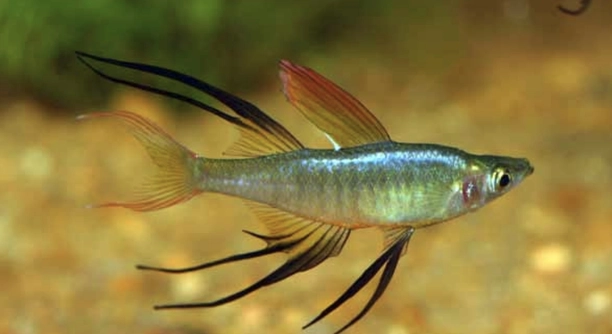
Do you ever find yourself adjusting your aquarium only to see your threadfin struggling? Keeping their environment stable can feel challenging, especially when water flow directly affects their activity and overall health in subtle ways.
Proper water flow adjustments are critical for threadfin health. Optimizing current strength, direction, and circulation ensures effective oxygenation, reduces stress, prevents debris accumulation, and promotes natural swimming behaviors, ultimately supporting growth, immunity, and long-term wellbeing in freshwater habitats.
Understanding how water movement impacts threadfin behavior and physiology can make a significant difference. The following guidance will help ensure your fish thrive in a healthy, well-managed environment.
Adjusting Current Strength
Threadfin are sensitive to the strength of water currents in their tank. Strong currents can tire them quickly and cause stress, while weak currents may allow waste and uneaten food to settle, affecting water quality. Observing their swimming patterns helps determine the ideal flow. A moderate, consistent current allows them to exercise naturally without overexertion. Adjusting pump settings or repositioning powerheads can control speed and direction. Consider adding gentle turbulence in some areas to prevent stagnant spots. Testing different flow rates over several days ensures the environment supports both activity and rest. Tank decorations, like rocks or plants, also influence local current, providing areas of calm and shelter. Monitoring oxygen levels alongside flow adjustments guarantees the water remains healthy. Small, incremental changes are more effective than drastic shifts, allowing the fish to acclimate. Consistent maintenance, such as cleaning filters and adjusting flow based on tank size, further ensures stability. Paying attention to both observation and equipment performance maximizes threadfin wellbeing.
Moderate currents enhance swimming and prevent debris buildup while avoiding stress. Observing fish behavior ensures adjustments match their needs accurately.
Balanced current not only supports natural swimming but also promotes efficient oxygen distribution. It minimizes energy loss, prevents fatigue, and encourages feeding activity. Areas of gentle flow offer resting spots, making the habitat dynamic yet comfortable. Proper adjustment improves immunity and overall vitality.
Positioning of Powerheads
Powerheads should be positioned to create uniform flow without overwhelming threadfin. Incorrect placement can lead to strong jets that cause fatigue or dead zones where water becomes stagnant.
Proper placement allows water to circulate efficiently, moving waste toward filtration. Avoid pointing jets directly at resting areas. Using multiple low-powered units can create gentle flow rather than a single strong current. Placement near the tank’s corners or behind decorations diffuses force. Observing the fish’s response is key; they should swim naturally without constantly fighting the current. Adjusting direction over time helps maintain consistent water movement throughout the tank. Rotating or slightly angling powerheads can create beneficial turbulence, preventing algae buildup and promoting oxygen distribution. Combining placement with appropriate current strength ensures all areas are well-oxygenated. This setup reduces stress, encourages natural behaviors, and maintains cleaner water. Regular monitoring allows for fine-tuning, helping the fish adapt comfortably to changes. Strategic positioning integrates both functionality and the fish’s preference for gentle, manageable flow.
Correct powerhead placement ensures circulation, prevents fatigue, and maintains water quality. Observing fish reactions is essential for effective adjustment.
Creating Resting Zones
Providing calm areas in the tank is essential for threadfin to recover from swimming against currents. These zones reduce stress, allow natural resting, and improve overall health, giving the fish space to relax without constantly battling water movement.
Resting zones can be created using plants, rocks, or decorations that break the current and form sheltered pockets. Positioning these areas away from strong jets ensures the fish have safe spots to rest. Threadfin naturally seek calmer water to conserve energy, and maintaining multiple zones encourages natural behavior. Observing their preferences helps determine the best layout and ensures the environment remains comfortable for all tank inhabitants.
Calm zones also improve feeding efficiency. Fish in these areas can access food without being swept away by currents. Gradually introducing structures allows threadfin to adapt to new hiding spots and reduces stress. Maintaining these zones alongside flowing areas ensures the tank balances activity and rest, promoting long-term health and stability.
Adjusting Flow Direction
Flow direction impacts how threadfin swim and interact with their environment. Water should circulate evenly to prevent stagnant spots while avoiding jets directly against resting areas, ensuring consistent oxygenation and comfort for the fish.
Angling pumps or powerheads diagonally across the tank promotes natural swimming patterns. Flow should gently move waste toward filtration, reducing buildup in corners. Observing how threadfin navigate currents helps refine positioning, making adjustments based on behavior. Combining multiple low-powered jets rather than a single strong stream distributes flow evenly, preventing fatigue. Maintaining steady direction and avoiding abrupt changes supports acclimation and minimizes stress, while allowing the fish to explore freely.
Proper flow direction encourages healthy swimming, efficient oxygen distribution, and reduces energy loss. Strategic adjustments promote a dynamic yet comfortable habitat, helping threadfin maintain activity, rest, and overall vitality throughout the tank.
Varying Flow Intensity
Changing flow intensity throughout the tank keeps threadfin active without exhausting them. Alternating stronger and gentler currents helps maintain energy levels and stimulates natural swimming patterns, contributing to overall health.
Varying flow also prevents waste buildup in certain areas. Gentle zones allow rest, while stronger currents encourage exercise. This balance supports both physical fitness and stress reduction.
Seasonal Flow Adjustments
Seasonal changes can affect water temperature and oxygen levels, making it important to adjust flow accordingly. Slight increases in circulation during warmer months help maintain oxygen saturation and water quality. Monitoring fish behavior ensures the changes do not cause fatigue or stress.
Using Flow-Reducing Structures
Installing rocks, plants, or other decorations to reduce water flow creates calmer zones for threadfin to rest. These structures break strong currents and offer safe spaces within the tank, improving comfort and encouraging natural behavior.
FAQ
How strong should the water flow be for threadfin?
The water flow should be moderate, allowing threadfin to swim naturally without constant struggle. Too strong a current can cause fatigue and stress, while too weak may allow waste to settle. Observing their swimming behavior helps determine the appropriate speed. Adjust pumps or powerheads gradually, testing over several days to find the right balance. Proper flow maintains oxygen levels, encourages feeding, and supports natural activity, ensuring long-term health. Using multiple low-powered units often works better than one strong current, distributing flow evenly across the tank.
Where should I place powerheads in the tank?
Powerheads should be positioned to create consistent circulation without targeting resting areas directly. Placing them near corners or behind decorations diffuses strong currents while maintaining adequate oxygenation. Multiple low-powered units help prevent dead zones and encourage natural swimming patterns. Watching the fish’s behavior indicates if placement is effective, allowing adjustments as needed. Angling powerheads diagonally or slightly rotating them can reduce stress and ensure water movement reaches all areas. Proper placement supports waste movement toward filtration, keeps the tank cleaner, and balances activity with calm zones for rest.
Do threadfin need resting zones?
Yes, calm areas are essential. Threadfin naturally seek spots with gentle flow to rest and conserve energy. Resting zones reduce stress, improve feeding efficiency, and allow the fish to recover from swimming against currents. Creating these zones with plants, rocks, or decorations breaks the current and forms sheltered pockets. Multiple zones provide choice, encouraging natural behavior. Observing which areas the fish prefer can help optimize placement. Combining flowing and calm areas ensures activity and rest coexist, promoting overall vitality. Proper design keeps the habitat dynamic yet comfortable.
How often should I adjust the flow?
Adjustments should be gradual and based on observation rather than a fixed schedule. Minor changes can be made if fish show signs of stress or stagnation occurs. Seasonal variations, temperature changes, or tank expansion may require adjustments to maintain consistent oxygenation and swimming comfort. Monitoring behavior daily helps identify the need for changes. Avoid sudden shifts that can overwhelm the fish. Regular maintenance, including filter cleaning and equipment checks, supports stable flow and ensures that the adjustments produce intended results, keeping threadfin healthy and active.
Can decorations affect water flow?
Yes, decorations significantly influence current patterns. Rocks, plants, and artificial structures can create calm zones or turbulence depending on placement. Arranging them strategically allows gentle resting areas while guiding water toward filtration. Observing fish response to decorations helps refine layout for comfort and efficient flow. Proper design prevents dead zones, reduces stress, and encourages natural swimming behavior. Using a mix of open swimming areas and sheltered spots creates balance, promoting physical activity, feeding, and energy conservation. Regularly checking and repositioning decorations ensures the tank remains effective for threadfin health.
What signs indicate flow is too strong or weak?
Strong flow can cause threadfin to struggle, constantly fight the current, or appear fatigued. Weak flow may lead to debris accumulation, stagnant areas, and reduced swimming activity. Signs include fish avoiding certain areas, unusual resting behavior, or changes in appetite. Monitoring their movement and overall behavior helps determine if adjustments are necessary. Observing oxygen levels and water clarity alongside fish behavior ensures flow matches their needs. Correcting either issue supports natural activity, stress reduction, and long-term wellbeing. Gradual changes allow the fish to acclimate comfortably.
Are multiple powerheads better than one strong one?
Yes, multiple low-powered units distribute flow evenly and prevent dead zones. They allow gentle currents for resting and moderate areas for activity, reducing fatigue. Observing fish behavior ensures placement and strength meet the tank’s needs. Multiple units also provide redundancy; if one fails, the tank still maintains circulation. Proper arrangement supports natural swimming patterns, oxygen distribution, and waste movement toward filtration. Using several powerheads allows fine-tuning of flow intensity and direction without overwhelming the fish, creating a balanced environment that promotes health, vitality, and long-term comfort.
Does adjusting flow affect feeding?
Flow can influence how threadfin access food. Strong currents may carry pellets away, making feeding inefficient, while gentle zones allow comfortable feeding. Positioning food in calmer areas ensures the fish can eat without overexertion. Flow also helps distribute nutrients when using suspended foods. Observing feeding behavior and adjusting current accordingly supports both nutrition and activity. Balancing currents between feeding and resting zones allows threadfin to maintain energy levels while promoting natural swimming. Gradual tweaks ensure feeding remains effective, minimizing stress and supporting overall growth, health, and vitality.
How do seasonal changes impact water flow needs?
Water temperature and oxygen levels fluctuate seasonally, requiring minor adjustments to flow. Warmer months may need slightly increased circulation to maintain oxygen saturation, while cooler months may allow gentler currents. Observing fish behavior ensures these changes do not cause stress or fatigue. Seasonal adjustments combined with resting zones and proper powerhead placement maintain a comfortable habitat year-round. Monitoring equipment and water quality alongside seasonal changes ensures threadfin remain active, healthy, and stress-free. Gradual adjustments allow adaptation and sustain optimal swimming and feeding patterns throughout the year.
Can flow adjustments prevent disease?
Yes, proper circulation reduces waste accumulation, prevents stagnant areas, and promotes oxygenation, all of which lower the risk of disease. Fish in well-oxygenated, dynamic environments maintain stronger immune systems. Combining flow adjustments with filtration and regular cleaning ensures a stable, healthy habitat. Observing behavior helps detect early signs of stress or illness, allowing timely interventions. Adequate flow also encourages natural swimming, feeding, and resting behaviors, supporting overall vitality. Maintaining this balance is a proactive approach to long-term health, reducing susceptibility to common freshwater fish ailments while promoting a thriving aquarium environment.
Final Thoughts
Maintaining the health of threadfin requires consistent attention to their aquatic environment, particularly water flow. Adjustments in current strength, direction, and circulation directly affect their ability to swim, rest, and feed comfortably. Observing the fish regularly provides insight into whether the flow is suitable. When threadfin swim with ease and display normal feeding patterns, it indicates that the environment supports their needs. Conversely, signs of fatigue, avoidance of certain areas, or stress-related behaviors suggest that changes may be necessary. Small, gradual adjustments are often more effective than drastic changes, as they allow the fish to acclimate and minimize stress. Using multiple low-powered pumps or powerheads can distribute flow evenly, reduce dead zones, and create a balance between active swimming areas and calm resting zones. Incorporating decorations like plants or rocks not only enhances the tank visually but also helps break currents, providing areas for the fish to rest and recover. Proper planning and observation make these adjustments more precise and impactful.
Flow management is not just about keeping the water moving; it also plays a vital role in overall water quality. Well-circulated water ensures oxygen is evenly distributed throughout the tank, supporting respiration and overall vitality. It also helps transport waste toward filters, preventing debris accumulation in corners or near the substrate. Stagnant areas can reduce water quality and increase stress for the fish, making them more susceptible to disease. Regular maintenance, including checking flow patterns, cleaning filters, and adjusting equipment, ensures that the water remains healthy and consistent. Seasonal variations may require additional attention to maintain optimal conditions, as changes in temperature can influence oxygen levels and fish activity. Paying attention to these details allows for a more stable environment, reducing stress on the fish and supporting their immune system. A properly managed flow system contributes to long-term health, growth, and wellbeing.
Overall, successful threadfin care relies on a balance between flow, resting zones, and observation. Adjusting water currents thoughtfully enhances natural behaviors, supports feeding efficiency, and reduces stress, while calm areas allow for recovery and energy conservation. Strategic placement of powerheads and decorations, combined with gradual adjustments, ensures that both active and resting areas coexist harmoniously within the tank. Monitoring the fish’s behavior, maintaining equipment, and responding to seasonal changes creates a comfortable and stable habitat. By understanding the importance of flow and its influence on daily activity, caretakers can provide an environment that promotes both health and vitality. Consistency in these practices encourages natural behavior patterns, helps prevent fatigue, and reduces the risk of water quality issues or disease. Focusing on these aspects ensures threadfin thrive, allowing them to grow, swim, and feed efficiently while maintaining a balanced and comfortable home in their aquatic environment.

Hello,
If you enjoy the content that we create, please consider saying a "Thank You!" by leaving a tip.
Every little bit helps us continue crafting quality advice that supports the health, happiness, and well-being of pets around the world, for pets of all shapes, sizes, and species.
We really appreciate the kindness and support that you show us!