
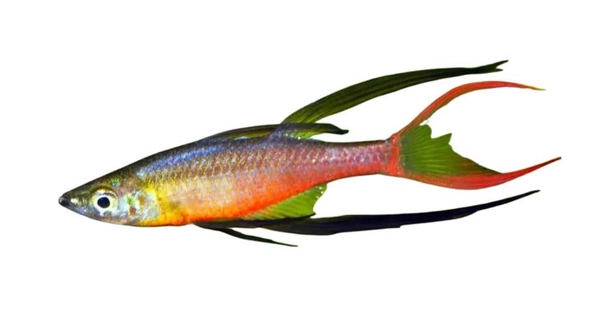
Have you ever watched your Threadfin Rainbowfish swim excitedly around the tank and wondered if they can actually sense when feeding time is near?
Threadfin Rainbowfish can indeed recognize feeding times through routine and conditioning. Their internal biological rhythms, combined with consistent daily patterns, allow them to anticipate meals. Over time, they associate environmental cues with feeding, displaying increased activity before food is introduced.
These behaviors reveal fascinating insights into how environment, consistency, and instinct work together to shape their daily lives in captivity.
Recognizing Feeding Patterns
Threadfin Rainbowfish are quick learners when it comes to habits, and their ability to notice patterns is quite remarkable. When feeding takes place at the same times each day, these fish start to anticipate the event. Their increased swimming activity near the surface, gathering at feeding spots, or showing signs of restlessness are all indicators that they have learned to connect specific times with food. This behavior is not only fascinating to watch but also highlights how consistent schedules can affect their instincts. Over time, the fish develop a routine, and their anticipation becomes part of daily life.
Consistency in feeding helps maintain stable behavior in Threadfin Rainbowfish. It also allows them to feel secure, as their needs are met at predictable times. This reduces stress in their environment, which is important for their overall health.
Recognizing patterns in their behavior gives valuable insight into how fish respond to repetition. It shows how daily actions, no matter how simple, can influence their instincts and shape how they interact with their environment. Understanding this response to predictability allows aquarists to create a healthier, more stable routine that benefits the fish long-term.
Environmental Cues and Conditioning
Environmental changes also play a role in how Threadfin Rainbowfish recognize feeding time. Slight movements outside the tank, the sound of the food container being handled, or even the reflection of light at specific times can become signals for them. These cues, paired with daily consistency, allow the fish to associate external events with food. As they adapt, these signs strengthen their awareness, making them more responsive when feeding is about to happen.
Beyond simple recognition, conditioning builds over time and strengthens their natural responses. By linking external cues with food, owners can teach Threadfin Rainbowfish to associate specific actions with feeding, making the process smoother and more engaging. For example, lightly tapping the tank before feeding can become a recognizable signal, guiding the fish toward the surface. This conditioning is not only useful but also beneficial, as it creates a clear understanding of mealtime and helps the fish remain calm. When cues are used thoughtfully, they establish a balanced relationship between instinct and environment. This approach promotes healthier feeding habits, reduces stress, and ensures that the fish thrive in captivity with predictable, comforting signals.
The Role of Routine
Routine creates stability for Threadfin Rainbowfish, helping them predict feeding times and remain calm in their environment. Regular schedules lower stress and encourage steady eating habits, ensuring they stay healthy and active in their tank.
When feeding times are irregular, Threadfin Rainbowfish may show signs of stress, including restlessness or reduced appetite. A structured schedule gives them confidence and reduces uncertainty in their environment. This predictability encourages consistent feeding behavior, supporting their growth and overall wellbeing. Owners who follow a routine will often notice more active and lively fish displaying positive behaviors.
Establishing a feeding routine also benefits the tank environment. With consistent mealtimes, less uneaten food is left to decay, improving water quality. Better water conditions reduce the chances of harmful bacteria growth, creating a healthier home for the fish. In this way, routine strengthens both the fish’s behavior and their physical environment.
Observing Behavioral Changes
Watching for behavioral changes during feeding can reveal a lot about Threadfin Rainbowfish. Increased activity, hovering near the surface, or darting around the tank often signals that they know food is coming, showing their awareness of the schedule.
These observations not only highlight their intelligence but also allow for better care. When fish consistently react to feeding cues, it shows they are engaged and adapting to their environment. If they suddenly stop responding, this may indicate stress or health issues. By keeping track of these changes, owners can adjust feeding patterns, tank conditions, or look for signs of illness. Recognizing these small shifts helps ensure that Threadfin Rainbowfish remain healthy and active in their environment, while also strengthening the connection between their instinct and routine.
Feeding Time Reactions
Threadfin Rainbowfish often gather near the surface when food is expected, swimming more energetically than usual. This heightened activity reflects their recognition of routine and their readiness to eat when feeding time approaches consistently each day.
Some fish may even wait at specific spots where food is usually dropped. This learned behavior shows how quickly they connect predictable patterns with mealtime, responding directly to both timing and familiar environmental cues associated with feeding.
Impact on Tank Dynamics
Feeding anticipation also influences the overall tank environment. When Threadfin Rainbowfish become more active before meals, it can encourage movement and interaction among other fish. This shared activity often enhances the liveliness of the aquarium, making feeding times more noticeable. Maintaining balance is important, though, as too much competition or excitement during meals can create stress. Careful observation helps ensure that all fish are fed fairly, preventing aggressive behavior and allowing weaker or slower fish to receive their share. A well-managed feeding process creates harmony in the tank while supporting healthy eating habits for every fish present.
Benefits of Consistency
Consistency in feeding schedules reduces stress and helps Threadfin Rainbowfish thrive. When meals happen regularly, they feel secure, respond better to cues, and remain healthier, both behaviorally and physically, in a stable and predictable environment.
FAQ
Can Threadfin Rainbowfish truly tell when feeding time is approaching?
Yes, they can. Threadfin Rainbowfish develop a strong sense of routine through repetition and environmental cues. When fed at the same times daily, they start anticipating meals. Their behavior changes before feeding, with increased swimming activity and hovering near the surface, showing they have learned to expect food. Over time, this becomes part of their daily rhythm.
What signs indicate my Threadfin Rainbowfish know it’s feeding time?
Common signs include gathering near the surface, darting toward feeding spots, or swimming more actively than usual. Some fish may even wait at specific corners or areas where food is normally dropped. These actions are learned responses, reflecting both anticipation and recognition of predictable patterns. Observing these behaviors helps ensure they are adjusting well to a feeding schedule.
How does consistency in feeding affect my fish?
Regular feeding schedules provide stability, reducing stress and encouraging healthy eating habits. Fish that know when to expect food are less anxious, more active, and display predictable behavior. Consistency also benefits tank hygiene, as controlled portions mean less leftover food decomposing in the water, maintaining better water quality and overall fish health.
Can environmental cues alone trigger feeding responses?
Yes, Threadfin Rainbowfish respond to external signals associated with feeding. These can include subtle movements around the tank, shadows or reflections from lights, or even sounds from handling the food container. When paired with consistent timing, these cues reinforce feeding recognition and make the fish more responsive, demonstrating how instinct and learned behavior work together.
What happens if feeding times are irregular?
Irregular schedules can cause stress and confusion. Fish may show restlessness, reduced appetite, or less predictable swimming patterns. Long-term irregularity may affect their health and overall well-being. Keeping a predictable routine helps fish feel secure, supports normal growth, and ensures all individuals in the tank have fair access to food.
Is it normal for some fish to react more strongly than others?
Yes. Some Threadfin Rainbowfish are naturally more active or assertive. They may swim faster, reach the surface sooner, or dominate feeding spots. Less dominant fish might wait patiently or swim lower in the tank. Observing these differences allows owners to adjust feeding practices, ensuring that all fish are adequately fed and stress levels remain low.
How can I use cues to train my fish?
Simple cues like gently tapping the tank or approaching at consistent times can signal feeding. When combined with routine, fish learn to associate these cues with food. Over time, they respond almost immediately, swimming to the surface or specific feeding areas. This conditioning strengthens their recognition skills and improves feeding efficiency.
Can anticipation of food affect overall fish health?
Yes, positively and negatively. When managed well, anticipation increases activity, keeps fish alert, and supports normal metabolism. However, excessive excitement or competition at feeding time can increase stress. Careful observation, portion control, and consistent routines help maintain the benefits while minimizing any negative effects on health or behavior.
Do older fish learn feeding routines as easily as younger ones?
Older fish can learn routines, but younger fish often adapt more quickly. With patience, consistent schedules, and environmental cues, adult Threadfin Rainbowfish still develop predictable feeding behaviors. Adjusting practices based on age and temperament ensures that all fish can recognize mealtime and participate comfortably.
How long does it take for Threadfin Rainbowfish to recognize a feeding schedule?
It generally takes a few days to a couple of weeks for noticeable behavioral changes to occur. The exact time depends on factors like consistency, tank environment, and the individual fish’s temperament. Regular feeding, paired with clear cues, accelerates learning and helps establish a stable routine.
Can overfeeding interfere with their recognition of feeding times?
Yes, overfeeding can reduce the fish’s motivation to respond to feeding cues. When meals are excessive, they may become sluggish or less responsive, undermining the natural anticipation process. Controlled portions encourage activity, reinforce recognition, and maintain overall health while keeping the water clean.
What should I do if my fish stop responding to feeding cues?
If fish stop reacting, consider checking water quality, tank conditions, and health status. Stress, illness, or poor environment can reduce their responsiveness. Returning to a consistent feeding schedule, using clear cues, and ensuring optimal conditions typically restores normal anticipatory behavior over time.
Can multiple feeding times confuse the fish?
Multiple feeding times are manageable if they are consistent, but too many variations can reduce predictability. Fish thrive on stability, so two well-spaced feedings daily are often ideal. This keeps them alert, supports metabolism, and prevents overeating while maintaining recognition of routine.
Are there signs of stress related to feeding anticipation?
Excessive darting, frantic swimming, or constant surface hovering outside normal feeding times may indicate stress or competition. Proper scheduling, controlled portions, and adequate tank space help reduce these behaviors, ensuring the fish remain healthy and calm while still responding to routine cues.
How important is the tank environment in feeding recognition?
The environment is crucial. Clear water, sufficient space, and stable conditions help Threadfin Rainbowfish associate cues with food without distraction. A balanced environment reduces stress, supports normal behavior, and strengthens the fish’s ability to anticipate meals accurately, making feeding times predictable and effective.
This FAQ provides practical insight into how Threadfin Rainbowfish recognize feeding time, respond to cues, and adapt to consistent routines. Understanding these behaviors ensures healthier, more active fish while fostering a stable, stress-free tank environment.
Word count: 507
Threadfin Rainbowfish are remarkable in how they adapt to their environment and recognize feeding routines. Their behavior clearly demonstrates that consistency plays a key role in their daily lives. When meals occur at the same time each day, these fish quickly learn to anticipate food. This anticipation is not just a simple reaction but a combination of instinct, memory, and response to environmental cues. By observing them, you can see how quickly they change their behavior in response to predictable patterns. Increased swimming activity, hovering near feeding spots, and waiting at familiar areas are all signs that they understand when food is coming. This learning process reflects the intelligence and adaptability of Threadfin Rainbowfish, showing that even small, routine actions can have a significant impact on their behavior and well-being.
Establishing a consistent feeding schedule benefits both the fish and the tank environment. Regular meals reduce stress and create a sense of security, allowing fish to thrive and remain healthy. When fish know what to expect, they are less likely to display erratic behavior or signs of anxiety, making the aquarium a calmer and more predictable space. Routine feeding also helps with portion control, ensuring that all fish receive adequate nutrition while reducing the chances of leftover food contaminating the water. Maintaining water quality is essential, as clean water supports their overall health and reduces the risk of illness. A stable feeding pattern, combined with proper tank care, creates a balanced environment where fish can grow, interact naturally, and enjoy a sense of order in their daily life.
Observing your Threadfin Rainbowfish over time allows you to understand how they respond to both routine and environmental cues. These behaviors are not just entertaining to watch but provide insight into their needs and preferences. By paying attention to their responses, you can adjust feeding times, portions, and tank conditions to ensure optimal care. Conditioning them with consistent signals, like approaching the tank or lightly tapping before feeding, strengthens their recognition and makes mealtime smoother for both fish and owner. Understanding these patterns also highlights the importance of predictability in their lives. Over time, a well-managed feeding routine fosters healthier, more active fish that display natural behaviors while benefiting from a stable, stress-free environment. Consistency, observation, and thoughtful care together create a positive and supportive habitat, ensuring Threadfin Rainbowfish remain lively, healthy, and engaged in their surroundings.
Word count: 417

Hello,
If you enjoy the content that we create, please consider saying a "Thank You!" by leaving a tip.
Every little bit helps us continue crafting quality advice that supports the health, happiness, and well-being of pets around the world, for pets of all shapes, sizes, and species.
We really appreciate the kindness and support that you show us!