
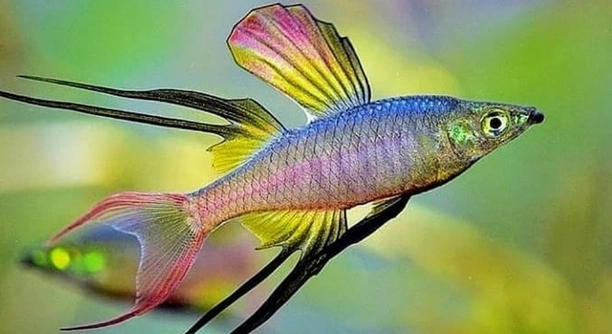
Threadfin rainbowfish are small, colorful fish often admired in home aquariums. Many hobbyists notice them hovering near the water’s surface, moving gracefully and seemingly without purpose throughout the tank. Their behavior can be both intriguing and charming.
Threadfin rainbowfish typically hover near the surface due to a combination of oxygen availability and feeding habits. Surface waters contain higher dissolved oxygen levels, and these fish naturally feed on insects and small particles that accumulate at the top of the water column.
Observing this behavior closely can reveal much about their health and natural instincts. Understanding why they stay near the surface improves care and their overall well-being.
Understanding Their Surface Behavior
Threadfin rainbowfish often gather near the water’s surface, and this behavior is usually linked to environmental conditions in the tank. They are naturally adapted to shallow streams and rivers where oxygen levels fluctuate. In an aquarium, they instinctively seek areas with higher oxygen content. Observing them can indicate how well your tank is aerated. Their small size allows them to move quickly, and they tend to explore surface waters where food often accumulates. Over time, they develop routines, returning to favored spots, especially if they sense feeding time approaching. Their bright colors reflect well near the top, making them more noticeable. Stress, temperature, and water quality also influence how frequently they hover near the surface. Maintaining a balanced environment keeps them active and healthy. Even minor changes in lighting or water flow can shift their swimming patterns. Paying attention to these behaviors can help you monitor their comfort and overall well-being in the aquarium.
Surface behavior is a natural response to both feeding patterns and oxygen levels in their environment.
Watching closely helps identify subtle changes in their activity, which may signal adjustments needed in tank care, feeding, or aeration.
Feeding Habits and Surface Position
Threadfin rainbowfish primarily feed near the top of the water, making surface hovering a normal behavior.
They are omnivorous, favoring small insects, larvae, and floating flakes. In the tank, they quickly learn where food appears and may remain near the surface in anticipation. Feeding at the top allows them to avoid competition with bottom-dwelling species. Over time, they may develop preferred spots where they consistently hover, showing both intelligence and adaptability. Ensuring a varied diet of flakes, frozen foods, and occasional live feed keeps them healthy. Observing how eagerly they approach the surface can also indicate appetite and overall health. Tank maintenance, including regular water changes, helps sustain oxygen levels at the top, supporting their natural feeding behavior. By providing consistent feeding routines and maintaining optimal water quality, you support both their physical health and natural instincts. These small adjustments create a stable environment where threadfin rainbowfish thrive, encouraging more active and vivid displays near the surface, which adds beauty and life to the aquarium.
Tank Environment and Oxygen Levels
Threadfin rainbowfish hover near the surface when oxygen levels in the tank are lower. Proper aeration helps them stay comfortable and active.
Water movement and filtration affect oxygen distribution. Areas near the surface usually have higher oxygen, attracting these fish. Poor aeration can stress them, making frequent surface visits more common. Adding air stones or adjusting filter output improves circulation and oxygenation. Temperature also influences oxygen availability, as warmer water holds less oxygen. Monitoring these factors ensures your fish remain healthy. A stable, well-oxygenated environment reduces surface-hovering behavior caused by stress or discomfort, keeping them active throughout the tank. Observing their patterns helps identify potential issues early.
Adjusting tank plants and decorations can further improve water flow and oxygen levels.
Regular observation of how they interact with their surroundings helps identify areas that may need more aeration or adjustment. Placing floating plants strategically can calm water movement, creating natural oxygen-rich zones. Combining proper filtration, aeration, and thoughtful tank layout supports their natural behavior and overall health. These small changes reduce stress, encourage active swimming throughout the tank, and maintain vibrant colors. The balance of oxygen, temperature, and structure ensures threadfin rainbowfish thrive, staying healthy and displaying natural surface-hovering behavior for feeding and exploration.
Light and Temperature Effects
Lighting and water temperature influence surface activity in threadfin rainbowfish. Brighter or warmer water encourages more frequent hovering near the top.
These fish are sensitive to changes in temperature, which directly affects their metabolism and oxygen requirements. Warmer water increases activity, making them swim more near the surface. Too much light can make them seek shaded areas, while insufficient light may reduce activity and feeding efficiency. Maintaining a stable temperature range between 24–28°C supports natural swimming and feeding patterns. Adjusting lighting duration and intensity helps mimic natural conditions. Temperature consistency reduces stress and prevents erratic surface behavior, ensuring healthier, more predictable activity in the tank. Proper light and temperature balance encourages natural behaviors.
Providing floating plants or light diffusers can soften direct lighting while allowing oxygen exchange near the surface. Maintaining consistent water temperature prevents sudden stress responses. Combining these elements with proper tank aeration and feeding routines ensures threadfin rainbowfish remain active, healthy, and display natural surface-hugging behaviors. Carefully observing how light and temperature changes affect their movement helps optimize conditions. Over time, you’ll notice steadier patterns, vibrant colors, and improved overall health. These adjustments contribute to a harmonious tank environment where the fish thrive and show their natural instincts.
Feeding Frequency and Surface Activity
Threadfin rainbowfish often hover near the surface when anticipating food. Regular feeding schedules help them know when and where to look for meals.
Uneaten food floating at the top keeps them interested in surface areas. Adjusting portion sizes prevents leftover waste, maintaining water quality while supporting natural feeding behavior.
Tank Companions Influence
The presence of other fish affects surface-hovering behavior. Aggressive or larger species can push threadfin rainbowfish upward, keeping them near the surface for safety. They often adjust their swimming patterns based on the activity and temperament of tank mates. Providing compatible companions reduces stress and encourages natural movement throughout the tank, promoting healthier interactions.
Water Quality and Cleanliness
Maintaining clean, balanced water is crucial. High ammonia, nitrite, or nitrate levels force fish to stay near the surface where oxygen is higher. Regular water changes and monitoring ensure a safe environment.
FAQ
Why do threadfin rainbowfish hover near the surface all the time?
They hover near the surface mainly because oxygen levels are higher there, and it is easier to access food. In some cases, frequent surface hovering can indicate stress caused by poor water quality, temperature fluctuations, or aggressive tank mates. Monitoring their behavior helps determine if adjustments are needed.
Is surface-hovering a sign of illness?
Not always. While occasional hovering is normal, constant presence at the top can indicate issues such as low oxygen, high ammonia, or illness. Observing other behaviors like loss of appetite, discoloration, or erratic swimming can help identify health concerns early. Proper water testing and maintenance are key.
How can I reduce surface-hovering caused by oxygen deficiency?
Improving aeration helps. Air stones, filters with strong water flow, and removing overcrowding all increase dissolved oxygen levels. Adding floating plants can also support surface oxygen while providing shaded resting areas. Consistent monitoring ensures your fish remain active throughout the tank.
Does feeding frequency affect surface activity?
Yes. Threadfin rainbowfish quickly learn when and where food appears. Irregular feeding can make them hover anxiously at the top, anticipating meals. Offering small, frequent feedings keeps them calm, supports healthy growth, and maintains consistent activity throughout the tank.
Can tank companions influence surface-hovering behavior?
Absolutely. Aggressive or larger tank mates often push threadfin rainbowfish upward for safety. Choosing peaceful, compatible species reduces stress, allowing fish to move freely at different levels of the tank. Observation is essential to ensure social harmony and healthy interactions.
How does water temperature affect surface behavior?
Warmer water increases metabolism, making fish more active and likely to hover near the surface. Sudden temperature changes cause stress, which may lead to excessive surface activity. Maintaining a stable temperature range of 24–28°C supports natural swimming patterns and healthy oxygen exchange.
Do lighting conditions influence their position in the tank?
Yes. Bright or direct light encourages them to seek shaded areas or hover in cooler surface zones. Insufficient light can reduce activity, while too much can stress the fish. Adjusting lighting intensity and using floating plants can create a natural balance and comfortable environment.
Are floating plants helpful for surface-hovering fish?
Floating plants provide shaded areas, support oxygen exchange, and reduce stress. They can prevent overexposure to light and offer a sense of security. Carefully positioning these plants maintains surface access for feeding while creating natural resting zones that enhance the tank environment.
Can poor water quality increase surface activity?
High ammonia, nitrite, or nitrate levels force fish to the surface where oxygen is higher. Regular water testing, partial water changes, and proper filtration keep the environment safe, encouraging natural swimming patterns and reducing stress-related surface hovering.
How do I know if surface-hovering is normal or a problem?
Normal surface activity is occasional and linked to feeding or exploration. Persistent hovering, paired with changes in color, appetite, or swimming patterns, may indicate oxygen deficiency, illness, or stress. Consistent observation and proper tank maintenance are essential for keeping threadfin rainbowfish healthy and active.
Can diet affect surface behavior?
Yes. A balanced diet including flakes, frozen foods, and occasional live feed encourages natural feeding behavior at the surface without causing excessive hovering. Overfeeding or poor-quality food can reduce water quality, indirectly increasing surface activity due to stress.
What tank adjustments help keep them healthy?
Maintaining proper aeration, temperature, and lighting, along with regular water testing, creates a stable environment. Compatible tank mates and thoughtful feeding routines reduce stress. Combining these elements supports healthy swimming patterns, vibrant colors, and natural surface-hovering behavior without compromising overall well-being.
This FAQ covers the most common reasons and solutions for threadfin rainbowfish hovering near the surface. By addressing environmental, dietary, and social factors, their behavior can be managed naturally and effectively.
Threadfin rainbowfish are captivating little fish, and their tendency to hover near the surface often draws attention in any aquarium. This behavior is natural and usually reflects their instincts and needs. Surface-hovering can indicate areas of higher oxygen, easier access to food, or just a comfortable swimming zone. Observing them closely allows you to understand their patterns and ensure their environment meets their basic requirements. Even small adjustments in water quality, temperature, or feeding schedules can make a noticeable difference in their comfort and activity. Over time, paying attention to these behaviors helps maintain a tank that supports both health and natural instincts.
Maintaining proper water conditions is key to supporting threadfin rainbowfish. Clean, well-aerated water reduces stress and encourages more balanced swimming behavior throughout the tank. Monitoring oxygen levels, ammonia, nitrite, and nitrate concentrations helps prevent the fish from relying solely on the surface. Temperature stability also plays a significant role, as sudden fluctuations can increase surface activity due to stress or higher oxygen demand. Feeding routines influence behavior too. Regular, consistent meals encourage natural surface activity without causing anxiety or overexcitement. The addition of floating plants can provide shaded areas and oxygen-rich zones, further supporting the fish’s well-being. Each factor works together to create a healthier, more balanced tank.
Social interactions and tank layout also affect surface-hovering patterns. Aggressive or larger fish may push threadfin rainbowfish upward, while compatible tank mates allow free movement at different levels. Proper placement of decorations, hiding spots, and plants can create zones of safety and comfort, reducing stress-related behaviors. Observing their behavior regularly helps identify when adjustments are needed, whether in aeration, feeding, or companion species. Understanding the reasons behind surface-hovering allows for informed decisions that improve the overall environment. By addressing these factors, you support the health, activity, and natural instincts of threadfin rainbowfish, creating a tank that is both visually appealing and nurturing for the fish.

Hello,
If you enjoy the content that we create, please consider saying a "Thank You!" by leaving a tip.
Every little bit helps us continue crafting quality advice that supports the health, happiness, and well-being of pets around the world, for pets of all shapes, sizes, and species.
We really appreciate the kindness and support that you show us!