
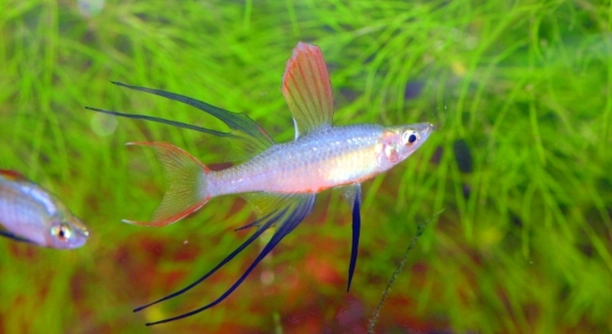
Have you ever noticed how threadfins move together in harmony, gliding through the water as if following an invisible rhythm? Their graceful coordination often raises curiosity about how group size affects their sense of security and comfort underwater.
Threadfins feel safer in larger groups because schooling behavior reduces individual exposure to predators. When gathered in greater numbers, each fish benefits from collective vigilance, improved communication, and reduced likelihood of being targeted. This natural defense mechanism strengthens their chances of survival.
Observing how group dynamics shape their comfort reveals more about their fascinating underwater world and the role safety plays in their social patterns.
The Importance of Group Size for Threadfins
In the open sea, threadfins rely heavily on group living for protection and balance. Larger schools offer better safety by confusing predators through synchronized movements. Each fish becomes harder to target when surrounded by many others. This behavior is a natural defense that benefits their survival. Apart from protection, being part of a large group helps them locate food more efficiently and maintain steady swimming patterns. These benefits make schooling essential, especially for smaller or younger threadfins that are more vulnerable. Scientists have observed that larger groups often stay calmer and react faster to threats, showing how coordination enhances safety. Even in aquariums, threadfins display less stress when kept in groups rather than alone. Their peaceful behavior in numbers reflects a natural instinct deeply rooted in their biology and environment, ensuring they thrive better when surrounded by their own kind.
When separated from their group, threadfins show visible discomfort and heightened alertness. Their behavior becomes erratic, proving that isolation disrupts their natural rhythm and sense of safety.
The relationship between group size and behavior highlights how social interaction is vital for their wellbeing. It also emphasizes the importance of replicating natural schooling conditions in controlled environments, ensuring these elegant fish remain healthy, balanced, and stress-free in captivity.
How Threadfins Communicate and Stay Connected
Threadfins depend on body movements, vibrations, and subtle visual cues to maintain coordination within their groups. This communication allows them to swim in near-perfect synchronization, responding instantly to shifts in direction or changes in water flow.
Their communication methods are not only about coordination but also about trust. Each fish watches and mirrors the actions of others, forming a delicate network of signals. Researchers have found that when one fish senses danger, it can alert the rest within seconds, causing the entire school to shift direction almost simultaneously. This fast response comes from constant observation and movement awareness. In large groups, this system becomes even stronger, creating a unified defense against predators. Threadfins rely on these signals daily, and without them, they lose their rhythm and sense of protection. Their ability to stay connected reflects how communication shapes survival, showing how much their safety depends on the strength of their group connection.
Environmental Factors That Influence Group Behavior
Water conditions strongly affect how threadfins form and maintain their groups. Factors like temperature, salinity, and light levels influence their ability to stay close together and move as one unit in their natural habitat.
When water temperatures drop or fluctuate too quickly, threadfins tend to disperse and lose synchronization. Stable conditions help them stay coordinated and calm. Similarly, clear water enhances visibility, allowing them to follow each other more easily. High turbidity can disrupt this communication, making them anxious and more vulnerable. Salinity levels also play a part; when the balance shifts, it affects their energy and focus, leading to weaker group cohesion. Maintaining consistent environmental conditions supports healthy schooling behavior and reduces unnecessary stress. Aquariums and research environments should mimic their natural surroundings to help these fish retain their instinctive social patterns effectively.
Pollution and sudden changes in water quality can have lasting effects on their social patterns. Contaminants can damage sensory organs, making it harder for them to detect movement and stay aligned. Over time, this can lead to isolation or smaller, less coordinated groups. In natural waters, this increases their risk of predation. Understanding these environmental influences helps explain how crucial clean, stable habitats are for preserving their natural schooling instincts.
The Role of Predators in Shaping Threadfin Groups
Predators play a major role in determining how threadfins form their schools and react within them. The constant presence of danger influences their grouping size, movement speed, and how closely they stay together.
When predators are near, threadfins instinctively tighten their formations, moving as one to appear larger and more intimidating. This defensive behavior confuses attackers and reduces the chance of any single fish being caught. Studies have shown that threadfins in predator-rich areas maintain stronger group cohesion than those in safer zones. Their ability to sense and respond quickly to threats shows how predator pressure shapes their survival strategies. In captivity, when no threats exist, this instinct still appears, though in milder forms. It’s an ingrained behavior that highlights how deeply survival instincts are embedded in their group dynamics, keeping them connected and alert even in calm waters.
How Group Movement Improves Survival
Coordinated movement helps threadfins react quickly to changing conditions and avoid predators effectively. Their synchronized swimming confuses attackers and strengthens their defense by creating the illusion of a single, larger creature in motion.
This coordination also allows them to travel longer distances safely, ensuring better access to food and suitable habitats. Efficient movement helps conserve energy, keeping them healthier and more balanced in their natural environment.
Energy Conservation Within Large Schools
Threadfins benefit from reduced drag when swimming in large groups. The positioning of each fish allows water to flow smoothly around the school, lowering resistance and saving energy. This efficiency lets them cover greater distances without exhaustion while maintaining steady movement. By conserving energy, threadfins can dedicate more resources to growth, reproduction, and recovery. It’s a vital advantage that enhances their long-term survival. Observations show that those in larger schools live longer and remain more active than isolated individuals, proving the physical and social strength of group living.
Social Stability Among Threadfins
Threadfins in larger groups display more consistent behaviors, reduced stress, and a stronger sense of stability. Their synchronized routines and constant social contact provide reassurance, helping maintain balance and reducing conflict within the school.
FAQ
Do threadfins always live in groups?
Threadfins naturally prefer living in groups, especially in open waters where protection is limited. Their schooling behavior provides safety, improves feeding efficiency, and enhances communication. While they can survive alone in controlled environments, isolation causes noticeable stress. In the wild, they rarely swim completely alone unless separated by predators, currents, or human interference. Even juveniles start forming small groups shortly after birth, gradually joining larger schools as they mature. This group-living habit is deeply ingrained in their instincts, ensuring they maintain safety and stability throughout their lives.
Why do threadfins feel safer in large groups?
Large groups confuse predators through synchronized movements, making it harder for them to single out a target. This “safety in numbers” approach reduces individual risk and allows quicker response to danger. Threadfins also rely on collective vigilance; one fish detecting a threat triggers an immediate reaction across the school. This communication helps prevent attacks and ensures survival. The more fish present, the stronger and faster these responses become. This unity gives them confidence, allowing the group to move calmly even when potential threats are nearby.
Can threadfins recognize each other within the group?
While threadfins don’t recognize each other individually like mammals might, they rely on body patterns, movement styles, and subtle signals to stay connected. Their coordination comes from constant visual and sensory awareness rather than personal recognition. Each fish reacts instinctively to nearby movements, maintaining harmony within the group. This awareness allows them to form seamless patterns without colliding or losing formation. Their ability to move in perfect unison shows an impressive level of communication and environmental sensitivity, even without personal bonds or memory-based recognition.
How do environmental changes affect their schooling behavior?
Threadfins are sensitive to changes in temperature, salinity, and light. Sudden fluctuations can cause disorganization or stress, leading to looser formations or even temporary separation. Clear, stable water allows better communication through sight and vibration. When conditions worsen, like in murky or polluted environments, their movements become less coordinated. This loss of structure increases vulnerability to predators. Maintaining balanced conditions helps threadfins preserve their natural behavior and overall health, especially in aquariums or controlled habitats where water stability can be closely managed.
Do predators directly influence how threadfins behave?
Predators strongly shape the way threadfins move, react, and form their schools. When danger is near, threadfins group tightly and change direction rapidly to confuse attackers. In areas with frequent predator activity, they tend to live in larger, more compact schools for constant protection. This defensive behavior remains active even when predators are absent, showing how survival instincts stay ingrained. Over time, these instincts ensure that group formations remain consistent, even across generations, helping threadfins adapt to different levels of risk in their environment.
Can threadfins communicate through sound?
Threadfins mostly rely on visual and physical signals, but some species use low-frequency vibrations to alert others to changes in their surroundings. These vibrations travel through water quickly, allowing instant group responses. While not vocal in the traditional sense, this communication is effective and essential for maintaining group unity. It helps them stay synchronized during feeding, migration, and predator avoidance. Scientists continue studying these subtle signals to better understand how fish communicate without traditional sound or visual cues.
Do smaller threadfin groups face more risks?
Yes, smaller groups are more vulnerable to predators because they lack the same level of confusion and defense as larger schools. With fewer individuals, the chance of being targeted increases. They also have less access to shared vigilance and coordinated escape responses. Smaller groups may tire faster and react slower, which affects survival. In contrast, large groups distribute the workload evenly, allowing each fish to conserve energy and maintain awareness. This makes size a key factor in how well threadfins can protect themselves and thrive.
Are threadfins suitable for aquariums?
Threadfins can adapt to aquariums if their environment is properly maintained and they are kept in small schools. They should never be isolated, as it causes stress and weakens their natural instincts. Clean water, gentle currents, and enough swimming space are essential. When placed with other calm species, threadfins show peaceful and social behavior. Their movement patterns remain coordinated even in smaller spaces, reflecting their natural schooling habits. Providing proper conditions and company helps them live longer and maintain their graceful, synchronized swimming.
Do threadfins compete within their groups?
Competition within threadfin schools is minimal. They usually maintain harmony by balancing movement and feeding opportunities. While minor tension may occur during feeding, their coordinated behavior prevents serious conflict. Group cooperation takes priority, as safety depends on collective balance. This calm coexistence helps the group remain united and efficient. Even when resources are limited, their instinct to stay together outweighs the urge to compete, ensuring survival through mutual cooperation rather than rivalry.
How do threadfins benefit from social interaction?
Social interaction strengthens their sense of security, coordination, and overall health. Constant movement with others helps them stay alert and confident. It reduces stress levels, promotes steady feeding habits, and maintains a natural rhythm. Without social contact, threadfins become restless and lose synchronization, often showing signs of distress. Group living supports their physical and emotional balance, making it an essential part of their wellbeing both in the wild and in captivity. Through togetherness, threadfins truly find their safety, energy, and calm.
Final Thoughts
Threadfins are graceful, social fish that depend on their group connections for comfort, safety, and survival. Their ability to move together in synchronized patterns reflects an instinct deeply rooted in nature. Every shift in direction or adjustment in formation serves a purpose, often protecting them from predators or helping them reach food sources more efficiently. Living in large groups gives them both confidence and calmness, reducing the pressure of individual survival. They rely on each other to maintain order, creating a balance that benefits every member of the school. This collective behavior is not just a reaction to danger but a reflection of how unity strengthens their daily lives. In a sense, their movements tell a quiet story of cooperation, awareness, and resilience that allows them to thrive even in uncertain environments.
The connection between group size and behavior reveals much about how delicate aquatic life can be. When threadfins are surrounded by their kind, they express their natural tendencies without fear or hesitation. However, isolation or unstable environmental conditions disrupt this balance, making them anxious and less responsive. In nature, predators shape their behavior, but so do water quality, temperature, and space. Each factor plays a role in how these fish interact and how well they can maintain synchronization. Even the smallest change in light or current can alter their movement, showing how sensitive and adaptive they truly are. For researchers and caretakers, this sensitivity is a reminder that maintaining balance in their habitat is vital. Recreating natural schooling conditions in aquariums helps keep them healthy and allows their instincts to remain active, preserving their natural beauty and behavior.
Understanding threadfins and their preference for large groups gives us a deeper appreciation of the balance that exists in aquatic life. Their movements are not random but organized acts of survival shaped by millions of years of adaptation. Every formation, every turn, and every pause has meaning and purpose. It teaches an important lesson about the strength of unity and the comfort found in connection. Whether in the vast ocean or a well-maintained aquarium, threadfins reflect the harmony that comes from living and moving together. Their safety depends on their trust in one another, proving that cooperation is not just a choice but a way of life. Observing them reminds us that even the smallest creatures rely on shared rhythm and mutual support to find peace and stability in their surroundings.

Hello,
If you enjoy the content that we create, please consider saying a "Thank You!" by leaving a tip.
Every little bit helps us continue crafting quality advice that supports the health, happiness, and well-being of pets around the world, for pets of all shapes, sizes, and species.
We really appreciate the kindness and support that you show us!