
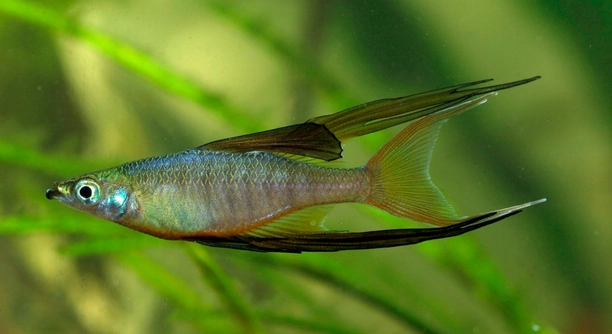
Do you ever notice your threadfin swimming erratically or hiding more than usual in your tank? Many aquarists experience this confusion, often unaware that subtle aspects of tank design can drastically affect their fish’s behavior and comfort.
Threadfin behavior is frequently influenced by tank layout flaws that disrupt natural swimming patterns and territorial instincts. Common issues include improper hiding spaces, unbalanced water flow, insufficient open areas, and awkward placement of decor that interferes with movement and social interactions.
Recognizing these layout mistakes will help improve your threadfin’s environment and promote healthier, more natural behavior in your aquarium.
Overcrowded Tanks
Keeping too many fish in a single tank can significantly impact threadfin behavior. When the space is limited, threadfins may become stressed, exhibit erratic swimming, or hide more than usual. Overcrowding reduces swimming room, making it harder for fish to establish territories and interact naturally. This can lead to increased aggression, competition for food, and difficulty maintaining water quality. Fish that are normally active may become lethargic, while more timid individuals may retreat to corners. Stress from overcrowding can also weaken the immune system, making fish more susceptible to disease. Observing fish regularly can reveal early signs of stress. Adjusting the number of fish or upgrading to a larger tank often resolves these issues, creating a more balanced environment that allows threadfins to swim freely and behave naturally. Proper planning and monitoring of fish density are key to maintaining a healthy tank and reducing stress-related behaviors.
Overcrowding also limits oxygen levels and increases waste, which further stresses threadfins and impacts overall health.
Ensuring your tank has appropriate space for the number of threadfins allows them to swim without obstruction. Adding open swimming areas and careful arrangement of decorations can improve their comfort, reduce hiding, and encourage natural behaviors. Monitoring stocking levels and water quality helps maintain a healthy environment for all inhabitants.
Poorly Placed Hiding Spots
Threadfins need places to hide, but poorly placed shelters can confuse them. If hiding spots block swimming paths or are too cramped, fish may avoid them entirely or become stressed.
Hiding spaces should be strategically placed to offer security without obstructing movement.
Choosing locations for caves, plants, and other shelters requires balance. Avoid placing them in the center of open swimming areas or too close together. Vertical placement is also important, as threadfins often explore different water levels. Natural-looking arrangements with gaps between objects allow them to navigate freely while still feeling secure. Rotating or rearranging decorations occasionally can help maintain engagement and reduce territorial disputes. Properly planned hiding spots support normal activity, reduce stress, and improve overall well-being, ensuring that your threadfins feel safe and confident in their environment.
Uneven Water Flow
Uneven water flow can confuse threadfins and disrupt their swimming patterns. Strong currents in some areas and still zones in others make it difficult for fish to move naturally or settle comfortably.
Threadfins are sensitive to water movement. If currents are too strong near decorations or hiding spots, they may avoid these areas entirely, reducing activity and causing stress. Conversely, stagnant areas can accumulate debris, affecting water quality and encouraging fish to congregate in limited spots. Adjusting filter output, adding flow deflectors, or rearranging plants and rocks can help create a more uniform current. Balanced water movement supports natural swimming and ensures all areas of the tank remain clean and inviting for your fish.
Consistent and gentle water flow helps threadfins feel secure. Observing their swimming patterns and making adjustments encourages exploration and reduces stress, promoting healthier behavior and overall tank harmony.
Incorrect Lighting
Lighting that is too bright or inconsistent can unsettle threadfins, causing them to hide or become overly active at unusual times. Proper lighting should mimic natural day-night cycles to maintain normal behavior.
Threadfins rely on predictable light patterns to regulate activity and feeding. Harsh lighting can make them skittish, while dim or inconsistent light may confuse their natural rhythms. Using timers ensures consistency, and adjusting intensity allows areas of shade or cover for retreat. Natural daylight exposure or full-spectrum aquarium lights help maintain circadian rhythms. Adequate lighting also encourages plants to grow, contributing to hiding spaces and open areas. Observing fish responses to light adjustments can guide proper setup.
Gradual changes in lighting intensity prevent sudden stress. Providing shaded zones and consistent cycles supports normal swimming and feeding behavior, helping threadfins feel secure and active in the tank.
Sharp or Awkward Decorations
Sharp or awkwardly placed decorations can injure threadfins or block their swimming paths. Fish may avoid certain areas, leading to uneven use of the tank.
Smooth, rounded decorations that allow open movement encourage natural swimming and reduce stress. Strategic placement prevents collisions and creates safe zones.
Unequal Temperature Zones
Temperature differences within the tank can confuse threadfins. Fish may cluster in warmer areas or avoid cooler zones, affecting activity levels and feeding behavior.
Maintaining a stable, uniform temperature throughout the tank is essential. Using a reliable heater, thermometer, and regular monitoring helps prevent stress and supports consistent, healthy behavior among all inhabitants.
Excessive Substrate Depth
Substrate that is too deep can disrupt threadfin behavior. Deep gravel or sand may bury hiding spots or create unstable surfaces.
Shallow, evenly distributed substrate provides secure footing and allows threadfins to explore freely without stress or injury.
FAQ
Why do my threadfins hide all the time?
Threadfins often hide when they feel stressed or insecure. Common reasons include overcrowding, improper tank layout, or poor placement of decorations. Ensuring enough open swimming space, balanced water flow, and accessible hiding spots helps them feel safe. Observing their behavior and adjusting the environment can reduce excessive hiding.
How can I tell if tank layout is affecting their behavior?
Signs include erratic swimming, clustering in specific areas, avoiding certain decorations, or reduced activity. Consistent observation of patterns over time reveals if certain sections are uncomfortable. Adjusting furniture, plants, and water flow can help identify and correct problem zones.
Can water flow really confuse threadfins?
Yes. Threadfins are sensitive to currents. Strong or uneven flow may prevent them from swimming naturally or using hiding spots. Stagnant zones can cause them to crowd areas, increasing stress. Balancing water movement with deflectors or repositioning filters encourages uniform swimming conditions.
Does lighting impact threadfin behavior?
Lighting plays a major role in regulating activity and feeding cycles. Harsh or inconsistent light can cause skittishness or hiding. Using full-spectrum lights with timers to simulate natural day-night cycles helps maintain predictable routines and reduces stress. Shaded areas also provide security.
What is the ideal number of threadfins per tank?
Tank size and fish size determine appropriate stocking levels. Overcrowding stresses fish, while too few may reduce social interaction. A general rule is to allow ample swimming space per fish, maintain open areas, and monitor behavior to ensure harmony.
How should hiding spots be arranged?
Hiding spots should be easily accessible but not block swimming paths. Provide gaps between shelters, place them at varying heights, and occasionally rearrange to prevent territorial disputes. This balance encourages exploration, natural behavior, and reduces stress-related hiding.
Can substrate affect their comfort?
Yes. Deep or uneven substrate can restrict movement and bury decor. Shallow, stable substrate allows threadfins to move freely and access hiding areas safely. Consider sand or fine gravel to prevent injury and maintain a natural environment.
Why do my threadfins seem inactive at times?
Inactivity can result from stress, temperature fluctuations, uneven water flow, or poor tank layout. Monitoring tank conditions, ensuring stable temperature, and providing open swimming areas help maintain regular activity. Observing patterns helps identify causes and guide adjustments.
How can I prevent aggression among threadfins?
Aggression often comes from overcrowding, lack of hiding spots, or uneven territory. Provide ample space, distribute shelters strategically, and maintain consistent water conditions. Properly arranged tanks reduce conflicts and promote calmer interactions.
What are early signs of stress in threadfins?
Stress indicators include hiding frequently, clamped fins, erratic swimming, reduced feeding, or lethargy. Regular observation and prompt adjustments in layout, water quality, and lighting prevent long-term health issues and ensure a comfortable environment.
How often should I adjust tank layout?
Frequent changes can stress fish, but occasional rearrangements of hiding spots or flow adjustments can stimulate exploration. Monitor responses carefully, making gradual changes to maintain comfort while improving tank usability.
Is water temperature consistency important?
Absolutely. Threadfins prefer stable temperatures. Fluctuations can disrupt swimming and feeding behavior. Using a reliable heater, thermometer, and monitoring daily ensures uniform conditions, supporting normal activity and overall health.
How do I balance open space and decorations?
Open areas allow free swimming, while decorations provide security and stimulation. Avoid overcrowding with decor and maintain pathways for exploration. Strategic placement of plants, rocks, and shelters creates a harmonious environment where threadfins feel safe and active.
Can tank size alone solve behavioral issues?
Larger tanks help but aren’t the sole solution. Proper layout, balanced flow, adequate hiding spots, and stable water conditions are equally important. A well-planned tank ensures threadfins can swim naturally, feel secure, and display normal behaviors.
What is the best way to monitor tank impact on behavior?
Observe daily patterns, swimming routes, use of hiding spots, and feeding behavior. Keep notes on changes after adjustments in layout, lighting, or flow. Consistent monitoring helps identify problem areas and supports a healthier, stress-free environment.
Final Thoughts
Understanding threadfin behavior starts with careful observation of your tank setup. Even small layout flaws can have significant effects on how your fish swim, hide, or interact with one another. Many common issues, such as overcrowding, uneven water flow, or poorly placed decorations, can cause stress that might not be immediately obvious. By paying close attention to your threadfins’ activity patterns, you can identify areas of concern and take practical steps to improve their environment. Creating open swimming spaces while providing accessible hiding spots helps fish feel secure and encourages natural behaviors, reducing stress-related problems over time. Consistency in tank conditions, such as temperature and lighting, also plays a key role in supporting healthy activity and feeding routines.
A well-planned tank layout balances comfort, stimulation, and safety. Avoiding sharp decorations, maintaining shallow and even substrate, and providing hiding spots at varying heights can prevent injuries and allow threadfins to move freely. Lighting should be gentle and follow a predictable day-night cycle, giving fish a sense of security. Water flow should be consistent, with no excessively strong currents in hiding areas and no stagnant zones that could accumulate debris. Every adjustment, from the placement of a rock to the positioning of a plant, can influence how your threadfins navigate their environment. Small, thoughtful changes often produce noticeable improvements in behavior, and regular monitoring ensures the tank remains comfortable and stress-free.
Taking the time to address layout flaws benefits not only threadfins but the overall health of the aquarium. Reduced stress lowers the risk of disease, encourages natural activity, and improves feeding efficiency. Fish that feel secure are more likely to explore their environment, interact appropriately, and display natural social behavior. Careful observation, combined with intentional adjustments, creates a harmonious tank that supports both well-being and aesthetic appeal. Over time, a properly arranged tank helps threadfins thrive and allows you to enjoy watching their natural behaviors unfold. A balanced and thoughtfully designed environment is essential for maintaining healthy, active, and confident threadfins.

Hello,
If you enjoy the content that we create, please consider saying a "Thank You!" by leaving a tip.
Every little bit helps us continue crafting quality advice that supports the health, happiness, and well-being of pets around the world, for pets of all shapes, sizes, and species.
We really appreciate the kindness and support that you show us!