
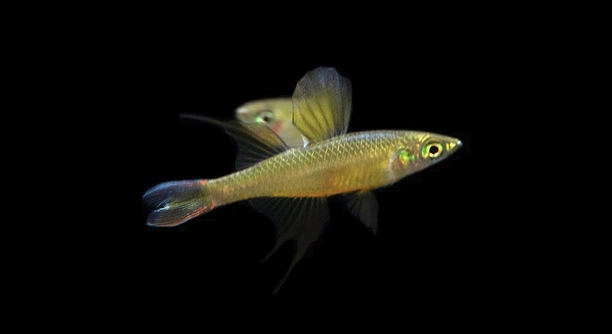
Threadfin Rainbowfish are popular in home aquariums for their bright colors and active nature. Many fish keepers notice changes in their behavior after water changes, which can seem sudden and puzzling at first glance.
Threadfin Rainbowfish behavior often changes after water changes due to shifts in water chemistry, temperature, and stress levels. These environmental alterations can affect swimming patterns, feeding habits, and social interactions, reflecting the species’ sensitivity to even minor water fluctuations.
Observing these changes closely helps fish keepers create a more stable environment and support the well-being of their Rainbowfish in the long term.
Understanding Water Chemistry Changes
Water chemistry plays a big role in Threadfin Rainbowfish behavior. Even small changes in pH, hardness, or ammonia levels can cause noticeable stress. I remember the first time I did a partial water change and noticed my Rainbowfish hiding more than usual. They swam slower, stayed near the bottom, and seemed less interested in food. These reactions are common because Rainbowfish are sensitive to shifts in their environment. When the water composition suddenly changes, their bodies need to adjust, which can take several hours to a few days. During this adjustment period, behavior changes like darting, hiding, or even mild aggression can appear. Testing your water before and after a change can help monitor these shifts. Adding water slowly and making sure it matches the tank’s temperature and chemistry reduces stress. Observing your fish closely helps identify patterns in behavior and ensures a smoother adaptation to water changes.
Minor water changes can cause temporary stress and mild behavior shifts in Rainbowfish.
Maintaining consistent water chemistry prevents drastic behavioral responses. Slowly adding treated water, checking pH, and monitoring temperature ensures the fish adjust naturally. Keeping water stable reduces hiding, sluggish swimming, and feeding reluctance. Over time, Rainbowfish regain normal activity and social interactions when their environment remains consistent and predictable.
Temperature and Acclimation
Even small differences in temperature between new and existing water affect Rainbowfish. Sudden changes can make them lethargic or overly active.
When I first noticed unusual swimming patterns in my Threadfin Rainbowfish, I realized the water change involved slightly cooler water. Temperature affects metabolism, so even a one or two-degree shift can change energy levels and appetite. Acclimating fish slowly with drip methods or gradual mixing helps minimize these effects. Rainbowfish may cluster together or hover near the surface while adjusting. Over the next day or two, their normal swimming and feeding behavior usually returns once the temperature stabilizes. Consistent heating, careful monitoring, and patience during water changes reduce stress. Temperature consistency also supports immune function, reducing susceptibility to disease. Paying attention to these details makes daily maintenance less stressful for both fish and keeper, allowing Rainbowfish to thrive in a more natural and predictable environment. Regular observation after changes is key to understanding how individual fish react.
Stress and Social Behavior
Rainbowfish often show stress after water changes, especially in groups. Aggression or hiding can appear suddenly. I’ve seen my fish cluster tightly in corners or chase each other more than usual, signaling they are unsettled.
Stress from environmental changes can disrupt normal social patterns. Threadfin Rainbowfish are naturally active and interactive, but after water changes, some may avoid others or become more territorial. Stress can reduce feeding and increase erratic swimming. In my experience, providing plants or hiding spots helps them feel safer. It’s important to monitor interactions closely, because prolonged stress can affect health and growth. Adjusting the frequency and method of water changes can reduce these behavioral shifts.
Over time, fish adjust to new water conditions, but repeated sudden changes prolong stress. I noticed that my Rainbowfish returned to normal swimming patterns and feeding habits when water was added slowly and in small portions. Consistent routines, gradual acclimation, and minimizing disturbances help maintain stable behavior. Observation is key to ensuring their well-being after each change, allowing natural social interactions to resume.
Feeding Patterns and Appetite
Water changes can immediately influence feeding. Rainbowfish may ignore food or eat less after water is replaced, which is normal.
When I observed my Rainbowfish during a water change, some swam near the surface cautiously while others hid at the bottom. Appetite can fluctuate because fish sense differences in water composition, temperature, and even minor stress signals. Feeding smaller amounts for the first few hours or offering familiar foods helps maintain nutrition. Over time, fish usually return to normal eating habits once they acclimate. Regular monitoring ensures no fish is left undernourished or stressed.
The timing and method of water changes affect how Rainbowfish approach feeding. If changes are abrupt, fish may become cautious, nibbling only occasionally or refusing food for several hours. Gradually mixing new water with tank water reduces this effect. I found that splitting daily feeding into smaller portions immediately after water changes encourages consistent intake. Observing which fish eat and which hesitate allows for adjustments, ensuring all individuals receive adequate nutrition. Patience and attention are crucial, as repeated stress can affect long-term growth and energy levels. Maintaining stable routines supports both appetite and overall well-being, keeping Rainbowfish healthy and active.
Acclimation Techniques
Slow acclimation helps Rainbowfish adjust to water changes with minimal stress. I usually mix new water gradually over an hour, allowing fish to adapt naturally.
Using drip lines or pouring small amounts at intervals prevents sudden shifts in chemistry or temperature. Fish remain active and less anxious.
Observation and Monitoring
Watching behavior after water changes is crucial. I note hiding, darting, or unusual swimming. Regular observation lets me detect stress early. Adjustments like slower water additions or extra hiding spots improve comfort. Tracking patterns over time shows how Rainbowfish respond to changes, helping maintain a stable environment.
Tank Environment Stability
Consistent conditions reduce behavior changes. Sudden shifts in temperature, pH, or flow can trigger stress responses in Rainbowfish. Maintaining steady water parameters supports normal activity and feeding, helping fish stay healthy and interactive.
Water Change Frequency
Frequent large water changes can cause repeated stress. I’ve learned that smaller, more regular changes keep water clean without shocking the fish, reducing behavioral disturbances and supporting long-term well-being.
FAQ
Why do my Threadfin Rainbowfish hide after a water change?
Hiding is a natural response to stress. Rainbowfish are sensitive to sudden changes in water chemistry, temperature, or even water flow. I’ve noticed my fish often seek shelter among plants or decorations immediately after a partial change. They need time to feel safe again. Providing extra hiding spots can help them adjust more comfortably and reduce aggressive interactions among tankmates. Observing them for several hours after the change usually shows gradual reappearance and resumption of normal swimming.
How long does it take for Rainbowfish to adjust after water changes?
Adjustment time varies depending on the size of the change and water conditions. Small partial water changes may only cause brief stress lasting a few hours, while larger changes can take a day or two. In my experience, fish regain normal feeding and swimming behavior once the water chemistry and temperature stabilize. Monitoring closely and making gradual changes helps speed up acclimation.
Can water temperature differences affect behavior?
Yes. Rainbowfish are particularly sensitive to temperature shifts. Even a one or two-degree difference can alter activity levels, appetite, and social interactions. I learned to measure new water and match it closely to the tank’s temperature. Using a heater or acclimating water slowly reduces stress. Fish usually normalize behavior once the temperature stabilizes.
Why does my Rainbowfish refuse food after a water change?
Refusing food is often linked to stress. After a change, fish may feel unsettled and cautious. I’ve found feeding smaller portions or offering familiar food helps them start eating sooner. Appetite usually returns within a few hours to a day. Keeping water stable during changes prevents prolonged feeding disruptions.
Are aggressive behaviors normal after water changes?
Yes, mild aggression is common. Rainbowfish may chase or nip at tankmates when stressed. I’ve noticed temporary aggression often subsides within a day. Ensuring plenty of space, hiding spots, and slower water changes reduces tension. Observation is important to prevent prolonged conflicts or injuries.
How can I minimize stress during water changes?
Gradual water replacement, temperature matching, and maintaining consistent pH and hardness all reduce stress. I usually add water slowly, using a drip method or small increments. Providing hiding spots and observing fish behavior helps identify if they need extra time to adjust. Consistency in routine is key.
Do Rainbowfish always recover after stress from water changes?
Most do, as long as stress is mild and water parameters remain stable. I’ve seen fish return to normal swimming, feeding, and social behavior within a day or two. Severe or repeated stress can affect health, so maintaining consistent water quality and gradual changes is essential.
Should I test water before and after every change?
Yes, testing ensures stability. I check pH, ammonia, nitrite, and temperature to prevent sudden shifts. Knowing your water conditions helps plan changes and prevents unnecessary stress, keeping Rainbowfish active and healthy.
Can sudden water changes cause long-term health issues?
Repeated or extreme changes can lead to weakened immunity, slower growth, and susceptibility to disease. I make sure changes are gradual and consistent. Monitoring behavior and water quality helps prevent long-term problems and keeps Rainbowfish thriving in the tank.
Is it normal for fish to swim differently after a change?
Yes, unusual swimming patterns like hovering near the surface, darting, or staying at the bottom are temporary signs of stress. I’ve observed my fish resume normal swimming within hours as water stabilizes. Patience and careful observation are essential to understanding their adjustment.
How often should I perform water changes?
Frequent small changes are better than rare large ones. I usually do partial changes weekly, around 20–30% of the tank. This keeps water clean without shocking the fish, helping maintain stable behavior and consistent feeding patterns.
Are there signs that indicate a problem beyond normal stress?
Yes. Prolonged hiding, refusal to eat, severe aggression, or unusual discoloration can signal illness or poor water quality. I always monitor for these signs and test water parameters immediately. Prompt action ensures Rainbowfish health and prevents long-term issues.
Do plants or decorations help during water changes?
Absolutely. Hiding spots reduce stress and give Rainbowfish confidence to explore after a change. I’ve noticed fish return to normal activity faster when plants or caves are available. These additions also help reduce aggression and create a more stable, comfortable environment.
Can overfeeding affect behavior after water changes?
Yes, overfeeding combined with water changes can increase waste and ammonia, stressing fish further. I feed small portions and remove uneaten food promptly. This keeps water cleaner and reduces behavioral disturbances, allowing Rainbowfish to maintain normal routines.
Should I acclimate new fish the same way as after water changes?
Yes, new fish are equally sensitive to changes in water chemistry and temperature. I use slow acclimation methods to prevent stress and aggression. The same principles apply: gradual introduction, temperature matching, and providing hiding spots help all fish adjust smoothly.
Final Thoughts
Taking care of Threadfin Rainbowfish requires attention to small details, especially when it comes to water changes. These fish are naturally sensitive to shifts in water chemistry, temperature, and environment. Even minor adjustments can cause changes in behavior such as hiding, reduced appetite, or altered swimming patterns. Over the years, I’ve learned that observing these reactions closely is one of the best ways to understand your fish’s needs. By paying attention to how they respond, it becomes easier to make adjustments that reduce stress and help them stay healthy. Consistency in water conditions is just as important as feeding and tank maintenance, and maintaining a stable routine can prevent most behavioral problems.
Water changes are necessary to keep the tank clean and safe, but the method and frequency matter. Large, sudden changes often cause more stress than gradual, partial changes. I usually replace 20–30% of the tank water weekly, making sure the new water matches temperature, pH, and hardness as closely as possible. Gradual addition using a drip line or pouring slowly reduces shock to the fish. Hiding spots, plants, or decorations help fish feel secure during this process, and they often return to normal behavior faster when these elements are available. Consistently monitoring water quality through testing ensures that any unexpected shifts are addressed quickly, keeping the Rainbowfish environment stable and predictable.
Behavior changes in Rainbowfish are often temporary if proper care is taken. After water changes, fish may swim differently, eat less, or become slightly aggressive, but these reactions usually normalize within hours or a few days. Patience and observation are key. I have noticed that the more consistent the care routine, the faster the fish adapt and resume normal activity. Feeding smaller portions, offering familiar foods, and maintaining a predictable environment all support this process. Understanding that Rainbowfish are sensitive to their surroundings allows you to anticipate changes and prevent prolonged stress. Maintaining stable water parameters, practicing gradual acclimation, and providing a secure environment not only supports their health but also allows their natural behavior and bright colors to shine. Following these steps ensures a thriving aquarium and a calm, active community of Threadfin Rainbowfish.

Hello,
If you enjoy the content that we create, please consider saying a "Thank You!" by leaving a tip.
Every little bit helps us continue crafting quality advice that supports the health, happiness, and well-being of pets around the world, for pets of all shapes, sizes, and species.
We really appreciate the kindness and support that you show us!