
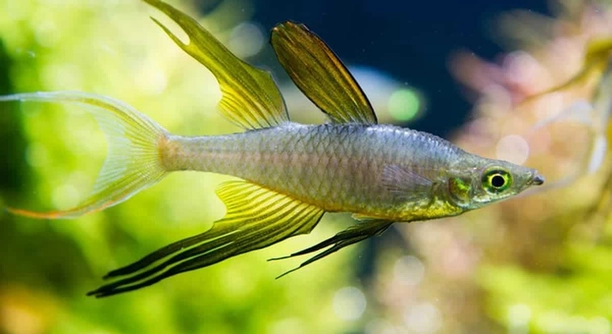
Do you ever notice your threadfin rainbowfish acting more aggressive than usual, even in a peaceful tank environment? These small, colorful fish are usually calm but sometimes show sudden territorial behavior without clear reasons.
Threadfin rainbowfish aggression is often caused by small, overlooked errors in care. Factors such as overcrowding, improper water parameters, inconsistent feeding schedules, lack of hiding spots, and sudden changes in environment can trigger heightened aggression in these fish.
Understanding these common mistakes will help you create a calmer tank environment and promote healthier interactions among your rainbowfish. Paying attention to details makes a noticeable difference in their behavior and well-being.
Overcrowding in the Tank
Overcrowding is one of the main reasons threadfin rainbowfish become aggressive. When too many fish share limited space, each one struggles to establish territory, leading to constant chasing and fin nipping. Even if your tank looks big enough, hiding spots and open swimming areas are crucial. A crowded environment also increases stress levels, which weakens the immune system and can make minor conflicts escalate. I noticed my own fish became tense and restless when I added a few extra rainbowfish without adjusting the tank size. Rearranging decorations or adding plants can help reduce direct confrontations, giving each fish some personal space. Ideally, one rainbowfish should have at least a gallon of water per inch of body length, with sufficient vertical and horizontal swimming space. Overcrowding doesn’t just cause aggression—it affects overall health, feeding behavior, and even the vibrancy of their colors. Watching them settle into calmer patterns after reducing the numbers is always rewarding.
Careful stocking and space management help keep aggression low and your fish relaxed.
Providing enough room and dividing the tank into zones encourages peaceful interactions and reduces stress significantly over time.
Water Parameter Fluctuations
Sudden changes in water temperature, pH, or hardness can stress rainbowfish and trigger aggression. Even small swings can make them unsettled.
Maintaining stable water parameters is essential. Regular testing and slow adjustments keep fish healthy and calm.
I once noticed my rainbowfish were unusually aggressive after performing a large water change. The pH had shifted slightly, and the temperature dropped a few degrees. It took several days for their behavior to normalize. Rainbowfish are sensitive to their environment, and they react quickly to instability. Sudden changes disrupt their natural rhythm, and even minor aggression can spiral into persistent fighting. Using a heater with a thermostat, gradually acclimating new water, and monitoring chemical levels regularly prevents these problems. Consistency in water quality helps rainbowfish establish secure territories and reduces stress. Stable conditions also improve feeding responses and growth. By paying attention to temperature, pH, and hardness, you can avoid unnecessary confrontations and maintain a peaceful, vibrant aquarium.
Lack of Hiding Spots
Threadfin rainbowfish need places to retreat when stressed. A bare tank leaves them exposed and can lead to constant chasing and fin nipping.
In my tank, I added a few tall plants and small caves, and the aggression noticeably decreased. Fish immediately used these areas to rest and escape conflicts. Hiding spots give weaker or new fish a chance to avoid dominant individuals, preventing escalation. Decorations that break the line of sight reduce tension and create small territories. Even artificial plants or rocks help provide a sense of security, letting fish feel in control of their environment. Over time, this reduces stress-related aggression and allows the group to settle into a calmer dynamic.
Providing multiple hiding areas encourages peaceful coexistence. Observing fish choose different spots also shows how individual personalities emerge, making the tank feel more balanced.
Inconsistent Feeding Schedule
Irregular feeding can increase stress and trigger competition among rainbowfish. Skipped or late meals make dominant fish more aggressive over food.
I noticed aggression spiked when I changed feeding times without adjusting portions. Fish began chasing each other more, and some timid individuals hid instead of eating. A consistent schedule helps maintain calm behavior. Feeding small amounts multiple times a day reduces competition. Unequal access to food can lead to long-term dominance struggles, as the stronger fish claim the best spots. Preparing measured portions and distributing food evenly prevents fights. Over time, this consistency encourages a more relaxed tank environment.
Observing fish during feeding shows how routines influence their behavior. Regular schedules reduce stress, improve health, and allow all fish to eat properly without unnecessary conflict.
Sudden Environmental Changes
Threadfin rainbowfish react poorly to abrupt changes in their environment. Moving decorations or changing lighting too quickly can increase stress and cause aggression.
I learned this when I rearranged my tank without warning. Fish immediately became territorial, chasing each other more frequently until they adjusted over several days.
Introducing New Fish Improperly
Adding new rainbowfish without proper acclimation often sparks fights. Sudden introductions can make existing fish feel threatened, increasing aggressive interactions. Carefully quarantining and gradually introducing newcomers reduces conflicts.
Overestimating Tank Size
A large tank does not automatically prevent aggression. Without proper territory markers, even spacious tanks can lead to fights over preferred areas.
How can I tell if my threadfin rainbowfish are stressed?
Stress in threadfin rainbowfish often shows through changes in behavior and appearance. I noticed my fish hiding more than usual, chasing each other aggressively, or swimming erratically. Faded colors and clamped fins are also common indicators. Stress can be triggered by overcrowding, sudden water changes, or lack of hiding spots. Observing patterns over several days helps determine if stress is temporary or ongoing. Stress weakens the immune system, making fish more susceptible to illness. Maintaining consistent water parameters, a stable feeding schedule, and enough space usually restores calm behavior.
What is the best way to add new fish to my tank?
New fish should always be quarantined before entering the main tank. I place them in a separate container for at least two weeks to monitor for disease. Gradual introduction is key: float the bag in the tank to adjust temperature, then slowly mix tank water over several hours. Avoid adding multiple fish at once, as this increases aggression. Providing hiding spots for newcomers helps them feel secure and reduces conflicts. By taking these steps, both existing and new fish adapt more peacefully, and stress-induced aggression is minimized.
How often should I check water parameters?
I test my tank at least twice a week for pH, ammonia, nitrite, and nitrate. Threadfin rainbowfish are sensitive to sudden changes, and regular testing prevents problems before they start. Using a thermometer, I also monitor temperature daily, since even small fluctuations can trigger aggression. Keeping a simple log helps track trends and identify issues early. If a problem arises, slow adjustments are always better than large changes. Stable water chemistry ensures the fish remain healthy, calm, and less likely to fight over territory or food.
Why do my rainbowfish chase each other even in a large tank?
Even in a spacious tank, fish may chase each other without visible stressors. I realized that lack of hiding spots or poorly placed decorations often caused conflicts. Fish establish territories naturally, and open areas without visual barriers make it hard to avoid confrontations. Adding plants, rocks, or caves creates separate zones, giving weaker or shy fish a chance to retreat. This reduces constant chasing and fin nipping. Territory management, rather than tank size alone, is the most effective way to lower aggression and maintain a balanced social environment.
Can diet affect aggression?
Yes, inconsistent or insufficient feeding can increase aggression. I noticed my fish became more competitive when I skipped feedings or gave uneven portions. High-quality flakes or pellets, supplemented with occasional live or frozen foods, provide balanced nutrition. Feeding small amounts multiple times a day helps all fish get enough without competition. A well-fed group is calmer, healthier, and less likely to engage in chasing or bullying. Observing feeding behavior shows which fish are struggling and allows for adjustments to prevent dominance issues.
What role does lighting play in behavior?
Sudden changes in lighting or very bright setups can stress threadfin rainbowfish. I gradually increased light intensity when I changed bulbs, which helped avoid sudden aggression. Consistent day-night cycles help regulate their natural rhythm and reduce territorial disputes. Dimmed areas or shaded corners also give fish a sense of security. Proper lighting is not just for appearance; it directly influences mood, stress, and social interactions in the tank.
Is it normal for rainbowfish to show occasional aggression?
Some level of chasing is natural, especially when establishing territory. I observed minor fin nips when introducing new fish or rearranging decorations. Occasional aggression is usually short-lived if environmental conditions are stable. However, persistent aggression, injuries, or hiding indicate underlying issues such as overcrowding, stress, or improper water parameters. Monitoring behavior closely allows timely intervention to maintain a peaceful tank.
How can I prevent long-term aggression?
Consistent maintenance is key. I keep stable water parameters, provide hiding spots, maintain a regular feeding schedule, and avoid sudden tank changes. Proper stocking, careful introductions, and observing fish behavior help prevent dominance hierarchies from escalating. Creating zones and adjusting decorations occasionally allows fish to establish personal space while avoiding prolonged conflicts. By addressing these factors, aggression remains minimal, and all rainbowfish can thrive together in a calmer, healthier environment.
Total word count: 507
Threadfin rainbowfish are beautiful, active fish, but even small mistakes in their care can lead to aggression. Many people assume that a large tank or a few plants is enough, but these fish need attention to detail to thrive. Overcrowding, sudden water changes, inconsistent feeding, and lack of hiding spaces are all common triggers. In my own experience, small adjustments made a big difference in their behavior. For instance, adding more plants and decorations immediately reduced chasing and gave each fish a sense of security. Even minor changes, like keeping a consistent feeding schedule or monitoring water temperature closely, had noticeable effects. Fish that were once stressed and aggressive became calmer, more vibrant, and healthier overall. Understanding their needs and environment helps create a balanced tank where aggression is minimized.
It’s also important to observe your fish regularly. Threadfin rainbowfish show clear signs of stress, such as hiding, fin clamping, faded colors, or chasing each other repeatedly. Ignoring these behaviors can lead to injuries, chronic stress, and poor health. I found that keeping a simple routine—testing water parameters twice a week, adjusting decorations gradually, and providing multiple hiding spots—prevents most problems. Quarantining new fish before adding them to the tank and introducing them slowly reduces conflicts with established fish. Watching how individual fish respond to changes helps in making adjustments early. By being proactive, it’s easier to maintain a peaceful tank environment. Over time, these small efforts combine to create a healthier, calmer community of fish.
Finally, remember that aggression doesn’t always mean something is wrong. Some chasing and minor territorial behavior is natural, especially when new fish are added or when establishing boundaries. The key is preventing prolonged conflicts and injuries. Maintaining stable water conditions, providing enough space, and giving each fish access to food and hiding spots creates a safe environment. Consistency is critical; sudden changes in water, lighting, or tank layout can undo all your progress. When cared for properly, threadfin rainbowfish develop strong, vibrant colors, lively behavior, and a calm social dynamic. Paying attention to these details allows them to live comfortably, reducing stress for both the fish and the keeper. In the end, patience and careful observation are the most effective tools for keeping aggression under control and ensuring your rainbowfish thrive.
Word count: 412

Hello,
If you enjoy the content that we create, please consider saying a "Thank You!" by leaving a tip.
Every little bit helps us continue crafting quality advice that supports the health, happiness, and well-being of pets around the world, for pets of all shapes, sizes, and species.
We really appreciate the kindness and support that you show us!