
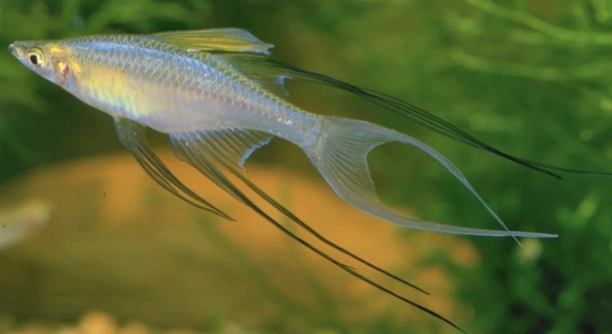
Have you ever watched threadfins gliding through the water and wondered about their nighttime habits? These sleek fish move gracefully in schools, yet their behavior when darkness falls remains quietly fascinating to observe.
Threadfins exhibit flexible sleeping behavior, often spreading out or forming loose groups depending on environmental factors such as water depth, current, and predator presence. This adaptive strategy helps balance safety with comfort during rest periods.
Learning about their nighttime arrangements can reveal surprising insights into their survival strategies and social patterns in the wild.
Why Threadfins Choose Where to Sleep
Threadfins often decide where to rest based on safety and comfort. In shallow waters, they might gather loosely in small groups near structures or plants, which offer protection from predators. In open water, they tend to spread out, reducing the chance that a predator can target multiple fish at once. Environmental factors like temperature and current also influence their positions. For example, slower currents allow threadfins to conserve energy while staying alert. Observing these patterns shows that threadfins are highly adaptable. Even though they are social fish, their survival instincts can outweigh the benefits of clustering together. Seasonal changes play a role too, as fish may move to slightly different areas at night depending on food availability during the day. These behaviors indicate that sleeping arrangements are a mix of social preference and practical necessity. Overall, their choices help ensure safety while minimizing energy expenditure.
Threadfins spread out at night primarily to avoid drawing attention. This behavior reduces risk from predators and balances rest with vigilance.
Sleeping strategies also affect their interactions during the day. Fish that sleep closer together often show more synchronized feeding patterns. Observing these behaviors can help us understand their ecological role and social structure better. It’s fascinating to see how even small changes in environment can shift their patterns.
How Environment Shapes Their Nighttime Behavior
Nighttime behavior in threadfins is strongly shaped by surroundings. Water depth, currents, and available cover influence whether they gather or disperse.
Predators play a major role in these decisions. Areas with more hiding spots, like reefs or vegetation, encourage fish to stay closer together, forming loose clusters. In open water, the threat of attack encourages them to spread out and maintain spacing. Temperature also matters—slightly warmer areas allow them to conserve energy, while cooler currents may prompt more movement. Even the availability of food during the day can influence where threadfins choose to rest, as they aim to stay near feeding areas without exposing themselves to risk. Observing these patterns helps explain why they may sleep differently in different locations or seasons. Their behavior reflects a balance between energy conservation, social interaction, and safety. By paying attention to these factors, we can better understand the complexity of their nighttime habits and the subtle ways the environment guides their choices.
Nighttime Grouping Patterns
Threadfins sometimes sleep in small groups, especially near reefs or vegetation, but these groups are loosely organized and change depending on the environment. Safety and energy conservation guide their choices more than strict social habits.
These loose groups help threadfins watch for predators while conserving energy. Fish at the edges of the group are usually more alert, while those in the center rest with less tension. Movement within the group is subtle, as fish adjust positions based on currents or nearby threats. Even within a single night, the arrangement can shift slightly as conditions change. Observing these patterns reveals how adaptable threadfins are and how they balance rest with safety in natural settings.
Grouping also affects how threadfins interact during the day. Fish that sleep closer together may form temporary feeding associations or move in sync when avoiding predators. This subtle coordination shows that even flexible sleeping habits contribute to social organization and survival strategies.
Individual Sleeping Choices
Some threadfins prefer sleeping alone in open water, especially in areas with fewer hiding spots. This choice reduces the risk of group detection by predators and allows more personal space for movement.
Sleeping alone allows threadfins to react quickly if a predator approaches. Without nearby fish, they can dart freely in any direction, which is vital in open water environments. Their positioning is often strategic, staying near subtle cover like sand ridges or shallow depressions. Even solitary fish remain alert, using slight body movements to maintain balance and orientation. Over time, these individual choices show how environmental pressures shape behavior, and how threadfins can adapt whether in groups or alone.
Individual sleeping habits can also influence growth and health. Fish that consistently sleep in quieter areas may expend less energy during the night, supporting better feeding efficiency the next day. This behavior shows that even seemingly simple decisions, like where to rest, play a role in long-term survival and overall well-being.
Influence of Water Currents
Threadfins adjust their sleeping spots based on water currents. Strong currents push them toward sheltered areas, while calmer waters allow more freedom to spread out.
Currents also affect energy use at night. Fish resting in slow water conserve more energy, whereas those in faster currents must stay active just to maintain position, influencing where they choose to sleep.
Seasonal Changes in Behavior
Threadfins may alter their nighttime habits depending on the season. Warmer months often see more grouping in shallow waters, while cooler months encourage solitary resting in deeper areas. Seasonal food availability also guides these choices, ensuring safety without compromising access to necessary nutrition.
Predation Risk
Areas with high predator activity cause threadfins to spread out more at night, increasing individual survival chances and reducing the likelihood of multiple attacks simultaneously.
FAQ
Do threadfins always sleep in groups?
No, threadfins do not always sleep in groups. Their sleeping arrangement depends on environmental factors such as water depth, predator presence, and currents. In areas with good cover, they may form loose clusters, while in open water, they often spread out to avoid attracting attention from predators.
Why do some threadfins sleep alone?
Threadfins that sleep alone usually do so in open water or areas with fewer hiding spots. Sleeping alone reduces the chance of a predator spotting a cluster of fish. It also allows the fish more freedom to move quickly if threatened, which is essential for survival.
Does temperature affect where threadfins sleep?
Yes, temperature plays a role. Threadfins prefer slightly warmer areas where they can conserve energy during rest. Cooler currents may push them to move or find sheltered spots, impacting whether they sleep alone or in groups.
How do currents influence their nighttime behavior?
Water currents are a major factor in sleeping patterns. Strong currents force fish toward sheltered areas, while calm waters allow them to spread out. Fish in faster currents must maintain position, which increases energy use, whereas those in slow currents can rest more efficiently.
Do threadfins change their sleeping habits seasonally?
Yes, seasonal changes influence sleeping behavior. Warmer months often encourage group sleeping in shallow areas, while cooler months may lead to solitary resting in deeper waters. Changes in food availability also guide their resting spots to balance safety and nutrition.
Are younger threadfins more likely to sleep in groups?
Younger fish are often seen in looser clusters for protection. Staying near others helps them reduce risk from predators, while older or larger fish may have the strength and experience to sleep more alone.
Does sleeping in a group affect feeding behavior?
Yes, sleeping close to others can lead to more synchronized feeding during the day. Fish that rest together often move and feed in coordination, which can increase their efficiency while foraging. Solitary fish may feed more independently but still maintain awareness of nearby threats.
How long do threadfins typically sleep at night?
Threadfins do not have a strict sleep schedule like mammals. Their rest period depends on factors like light, predator presence, and water conditions. They tend to stay relatively still at night, conserving energy while remaining alert to potential dangers.
Do predators directly impact threadfins’ sleeping patterns?
Absolutely. Areas with high predator activity make threadfins more likely to spread out to reduce the risk of multiple attacks. They also choose locations with cover when possible, demonstrating a careful balance between rest and vigilance.
Can environmental changes force threadfins to alter their habits?
Yes, any significant change in habitat, such as water temperature shifts, pollution, or new predator presence, can change how threadfins sleep. They are highly adaptable, adjusting their positions and groupings to maximize safety and energy efficiency.
Do threadfins communicate while sleeping?
Threadfins do not communicate vocally while sleeping, but subtle body movements and positioning within groups can help maintain awareness of nearby fish. These small adjustments ensure they remain responsive to predators or changes in the environment.
Are all threadfin species’ nighttime habits the same?
No, sleeping behavior can vary among threadfin species. Factors like habitat, size, and predator pressures influence whether a species tends to sleep in groups or individually. Observing different species shows how flexible these patterns can be.
Does sleeping location affect long-term survival?
Yes, choosing a safe and energy-efficient sleeping spot impacts growth, feeding success, and survival. Fish that consistently rest in secure areas with minimal energy expenditure are better prepared for daytime activity and avoiding predators.
Can threadfins return to the same sleeping spots nightly?
Some threadfins may show site fidelity, returning to familiar spots that offer safety and optimal conditions. However, this depends on environmental stability, predator patterns, and available food. Flexible behavior allows them to adapt if conditions change.
How can observing threadfins at night help researchers?
Studying nighttime behavior provides insight into predator-prey interactions, social structures, and energy conservation strategies. Understanding these habits helps ecologists predict how environmental changes may affect populations and ecosystem dynamics.
Do threadfins exhibit any protective behaviors while sleeping?
Yes, even while resting, threadfins remain alert. Edge fish in groups are more vigilant, and solitary fish often position themselves near subtle cover. These behaviors reduce predation risk and ensure the fish can respond quickly to threats.
How does group size influence safety?
Larger groups may offer some protection, as more eyes can detect predators, but too large a cluster can attract attention. Smaller, flexible groupings balance safety with energy conservation, showing the nuanced strategies threadfins use at night.
Are there differences in sleeping behavior between male and female threadfins?
Generally, sleeping patterns are similar across genders, but larger or more dominant males may sleep slightly more independently, while smaller females or juveniles prefer proximity to others for protection. Behavioral flexibility is key for all individuals.
Can human activity affect threadfins’ nighttime behavior?
Yes, noise, lights, and water disturbances can cause threadfins to alter resting positions, move to deeper or quieter areas, or spread out more than usual. Minimizing such disruptions helps maintain natural behaviors and overall health of the population.
Do threadfins ever change their behavior during the night?
Yes, their arrangements can shift slightly due to currents, predator movement, or subtle environmental changes. These small adjustments allow them to balance energy conservation with safety, showing adaptability even during rest periods.
Is there a typical pattern for threadfins in captivity?
In captivity, threadfins may sleep in looser groups or individually depending on tank size and hiding options. While some behaviors mirror wild patterns, limited space and artificial conditions can influence their natural resting arrangements.
How can nighttime behavior indicate fish health?
Abnormal sleeping patterns, like excessive restlessness or isolation, may signal stress, illness, or unsuitable environmental conditions. Monitoring nighttime behavior provides valuable insight into well-being and can guide care or habitat adjustments.
Does age influence sleeping arrangements?
Yes, younger threadfins usually seek group protection, while older or larger fish may rest alone more comfortably. Experience, strength, and awareness all contribute to these choices, reflecting survival instincts that develop with age.
Are there any benefits to spreading out at night?
Spreading out reduces predator risk and allows for easier movement if threatened. It also helps individual fish conserve energy without crowding and maintains spacing for comfort and safety, demonstrating the practical advantages of solitary rest.
Do threadfins have preferred sleeping depths?
Preferred depths vary by species and environment. Many favor slightly deeper areas at night to reduce predation, while some shallow-water species utilize structures or vegetation. Depth choice balances safety, temperature, and energy efficiency.
How quickly can threadfins respond to threats at night?
Threadfins remain alert even while resting. Solitary fish can dart freely, and edge fish in groups often react first. This quick responsiveness is crucial for avoiding nocturnal predators and ensuring survival.
Can observing sleep patterns predict feeding behavior?
Yes, fish that sleep in groups often feed more synchronously, while solitary fish may forage independently. These patterns help researchers understand social structures and energy strategies in their natural environment.
Do threadfins ever adjust positions during the night?
Small adjustments are common. Fish may shift slightly due to currents, predator movement, or the positions of nearby fish. These subtle movements ensure safety and maintain comfort throughout the night.
Does nighttime activity influence daytime behavior?
Yes, how threadfins rest affects energy levels, vigilance, and feeding efficiency during the day. Proper rest supports survival, showing that sleep arrangements play an important role in overall health and behavior.
Are some habitats more suitable for group sleeping?
Areas with cover, vegetation, or reefs encourage group rest by providing protection and reducing risk. Open or featureless environments favor more dispersed sleeping patterns to minimize detection by predators.
How much do environmental changes impact flexibility in behavior?
Threadfins are highly adaptable. They shift group size, sleeping location, and spacing in response to currents, predators, temperature, or food availability. This flexibility ensures survival in varied conditions and demonstrates the importance of environmental awareness.
Do threadfins ever return to the same resting spots?
Some individuals may show site loyalty when conditions are favorable. Returning to known safe spots reduces energy spent searching for shelter and ensures familiarity with nearby threats or predators.
Are there differences between species in sleeping arrangements?
Yes, behavior varies by species. Some prefer tight groups, others solitary rest. Differences depend on habitat, predator pressure, and social tendencies, reflecting the range of adaptations across the threadfin family.
How important is safety compared to social behavior at night?
Safety is generally the priority. While threadfins are social, predator presence, currents, and environmental factors often outweigh the benefits of close grouping. Balancing safety with occasional social interactions allows them to rest effectively.
Can changes in light levels affect their sleeping?
Yes, moonlight or artificial light can alter rest patterns. Brighter nights may cause fish to spread out more, while darker conditions encourage tighter clustering in safe areas. Light impacts their perception of risk and influences energy conservation strategies.
Do threadfins exhibit any coordinated behavior while resting?
Coordination is subtle. Fish adjust positions relative to neighbors and may shift slightly in response to currents or predator movement. This low-level synchronization helps maintain safety without requiring tight clustering.
Does size influence sleeping choices?
Yes, larger fish often sleep more independently, while smaller ones benefit from staying near others. Size impacts confidence, vulnerability, and ability to respond quickly, shaping sleeping strategies.
How consistent are individual habits?
Individual habits are flexible but show patterns. Fish may alternate between group and solitary rest depending on environmental conditions, predator activity, and personal experience, reflecting adaptability in their behavior.
Do threadfins show signs of stress while sleeping?
Yes, restlessness, frequent movement, or unusual spacing can indicate stress. Monitoring these behaviors helps assess environmental suitability and overall health, providing important clues about fish welfare.
Are there observable differences between day and night behavior?
Daytime activity focuses on feeding, social interactions, and predator avoidance. Nighttime is more about rest, energy conservation, and subtle vigilance. Observing both periods provides a fuller picture of their behavioral ecology.
Can humans influence where threadfins sleep?
Human activity such as boating, lights, or water pollution can cause fish to move or adjust spacing. Minimizing disturbances helps maintain natural resting behaviors and overall health.
Do threadfins prefer certain structures for resting?
Yes, reefs, vegetation, and sand depressions provide cover and reduce risk. These features allow loose grouping or solitary rest, depending on predator presence and personal preference.
How long do threadfins stay in one spot at night?
They generally remain in one area for hours, making small adjustments as needed. Stability in location helps conserve energy while staying alert to environmental changes.
Does social rank affect sleeping arrangements?
Dominant or larger fish may sleep more independently, while smaller fish cluster for protection. Social hierarchy subtly influences positioning but does not override safety needs.
Are there differences in behavior between captive and wild threadfins?
Captive fish may show similar patterns but are influenced by tank size, hiding options, and light conditions. Limited space can change spacing and group size compared to natural settings.
Do threadfins communicate during rest?
Communication is mostly through positioning and subtle movement rather than vocalization. Adjustments ensure awareness of neighbors and quick response to threats.
Are threadfins more alert at night than during the day?
They are alert in different ways. Daytime vigilance focuses on feeding and social cues, while nighttime awareness prioritizes predator detection and quick escape, reflecting adaptive strategies for survival.
How does energy conservation influence resting behavior?
Energy conservation is key. Fish select areas and spacing that minimize unnecessary movement, allowing them to save energy for daytime feeding and predator avoidance.
Do threadfins sleep deeper or shallower in water?
Depth choice varies by species and conditions. Slightly deeper areas reduce predation, while shallow spots with cover offer protection. Depth balances safety, temperature, and energy efficiency.
Can observing sleep behavior help in conservation efforts?
Yes, understanding patterns informs habitat protection, predator management, and environmental impact assessments. Nighttime habits reveal critical needs for safety and energy conservation, aiding effective conservation strategies.
Do threadfins show individual personality in sleep habits?
Yes, some fish prefer solitude while others cluster more often. Individual tendencies influence spacing, position, and responsiveness, showing diversity in resting behavior across a population.
How do they react to sudden disturbances at night?
Threadfins react quickly, either darting individually or adjusting group positions. Even subtle disturbances prompt movement, demonstrating a balance between rest and vigilance for survival.
Is night resting influenced by day activity?
Yes, fish that exert more energy during the day may seek sheltered or calm areas at night. Resting behavior reflects daytime activity and energy needs, showing a clear link between the two periods.
Do threadfins ever sleep in mid-water?
Some species may rest in mid-water when cover is limited, relying on spacing and alertness to reduce predation risk. This demonstrates flexibility in adapting to available habitat.
Can sleep behavior indicate environmental health?
Abnormal patterns like frequent movement or unusual spacing may signal stress, poor water quality, or predator imbalance, providing insight into ecosystem conditions.
How important is cover versus spacing for safety?
Both matter. Cover reduces visibility to predators, while spacing prevents multiple attacks at once. Threadfins balance these factors depending on habitat and predator presence, optimizing survival strategies.
Do threadfins sleep more in groups when food is scarce?
Sometimes. Grouping may increase vigilance and safety, but limited resources can also lead to more dispersed sleeping to reduce competition. Choices reflect a balance of safety and energy needs.
How flexible are their sleeping strategies?
Highly flexible. Threadfins adjust group size, spacing, depth, and location depending on environmental changes, predator activity, and personal needs, showing remarkable adaptability for survival.
Do seasonal predators affect their arrangements?
Yes, predator activity shifts with seasons, causing fish to alter grouping, spacing, and location. Threadfins respond dynamically, balancing safety with energy conservation throughout the year.
Are there patterns in how they wake up?
Fish gradually become active before feeding, adjusting spacing and position to prepare for movement. This transition is subtle but ensures readiness for the day’s challenges.
Can social behavior override safety concerns at night?
Rarely. Safety generally outweighs social preferences, but subtle grouping may occur if the environment is secure. Fish prioritize survival while maintaining occasional social interactions.
Do threadfins ever huddle tightly at night?
Tightly clustered huddling is uncommon. Loose groupings are preferred, allowing quick escape and movement while still offering some protection in sheltered areas.
Are their night behaviors predictable?
Patterns are generally consistent but flexible. Environmental conditions, predator presence, and individual traits all influence behavior, making night habits adaptable rather than fixed.
Do threadfins rest more during full moon nights?
Light levels can influence movement. Brighter nights may lead to more dispersed resting to avoid detection, while darker nights encourage clustering in safe areas.
Does group composition affect sleep safety?
Yes, mixed sizes and ages balance vigilance and protection. Larger fish may act as sentinels, while smaller fish benefit from proximity, showing coordinated survival strategies.
Can environmental enrichment in captivity mimic wild behavior?
Providing hiding spots, varying water flow, and structured environments encourages natural resting arrangements, promoting healthier sleep patterns and overall well-being.
Do threadfins respond to sounds at night?
Yes, sudden noises may trigger movement or repositioning. Alertness to auditory cues is part of their adaptive survival strategy during rest.
Are some threadfins more adventurous in sleeping choices?
Individual variation exists. Some fish prefer exposed areas, while others consistently seek cover. These tendencies reflect personality, experience, and confidence levels.
Does night resting affect reproductive behavior?
Indirectly. Energy conserved during rest supports mating and spawning activities during the day, showing the importance of sleep for overall reproductive success.
Do environmental pressures shape long-term habits?
Yes, consistent predation risk, currents, or temperature patterns guide the development of habitual sleeping strategies, shaping behavior across an individual’s life.
How do threadfins maintain orientation while resting?
They use subtle fin movements and body positioning to stay balanced and aware of currents or nearby fish, ensuring readiness to respond to threats.
Can group sleeping lead to competition?
Rarely, but minor spacing adjustments may occur to reduce crowding. Threadfins prioritize safety and comfort over strict social order, keeping competition minimal.
Do predators ever influence daytime social behavior through nighttime habits?
Yes, fish that adjust spacing or group size at night often carry over cautious behavior into daytime feeding and movement, reflecting the impact of nocturnal risk on overall behavior.
Are threadfins more flexible than other fish in sleep patterns?
Generally, yes. Their ability to adapt group size, location, and spacing to environmental changes shows notable flexibility compared to less socially or environmentally responsive species.
Do night sleeping habits affect growth?
Yes, energy saved during rest supports feeding efficiency and growth. Safe and restful nights contribute to overall health and long-term survival.
How quickly do they resume activity after disturbance?
Responses are fast. Fish may dart individually or adjust group spacing within seconds, showing heightened awareness and survival instincts.
Can observing sleep help in species identification?
Behavioral patterns, including sleeping arrangements, depth preference, and group tendencies, can aid in distinguishing threadfin species, complementing physical characteristics for accurate identification.
Do threadfins ever share sleeping spots with other fish species?
Occasionally, they may rest near non-predatory species in shared habitats. This can provide added safety without direct competition, showing flexibility in choosing resting locations.
How do moon phases affect sleeping behavior?
Brighter nights may increase spacing to avoid predators, while darker nights encourage clustering in sheltered areas. Moonlight subtly guides positioning and alertness.
Are juvenile threadfins more cautious at night?
Yes, younger fish rely on groups and cover for safety, demonstrating that experience and size influence nocturnal vigilance and positioning strategies.
Do human-made lights disrupt natural sleep?
Artificial lighting can cause fish to spread out or move to deeper areas, affecting energy conservation and increasing perceived predation risk, highlighting the sensitivity of their nighttime behavior to environmental changes.
Can predators cause permanent changes in sleeping patterns?
Long-term predator presence may lead to more cautious behavior, favoring solitary resting or different locations. Adaptations reflect survival-driven flexibility in response to ongoing threats.
Are there any signs of preferred resting spots among populations?
Yes, certain sheltered areas or features often attract multiple individuals consistently, indicating habitat preference based on safety, comfort, and energy conservation needs.
**Do threadf
Threadfins have a remarkable ability to adapt their nighttime habits depending on their surroundings. Their sleeping behavior is influenced by a variety of factors, including water currents, predator presence, temperature, and the availability of shelter. Some threadfins prefer to rest in loose groups near reefs, vegetation, or shallow areas where cover is available, while others spread out in open water to reduce the chance of attracting attention. Even within groups, the arrangement is flexible, with fish adjusting their positions according to environmental conditions. These decisions show that threadfins are not simply passive animals during the night; instead, they actively balance the need for rest with the need for safety and energy conservation. Understanding their patterns offers insight into how fish respond to challenges in their natural habitats, and highlights the subtle ways they maintain survival while sleeping.
Individual preferences play a significant role in threadfins’ nighttime behavior as well. Younger or smaller fish often rely on group settings for protection, while older or larger individuals may rest alone in safer areas. Solitary sleeping allows more freedom of movement and a faster response to predators, which can be crucial in open water environments. The choice of depth also matters, as slightly deeper waters can offer protection from nocturnal predators, while shallower spots with cover provide shelter and security. Temperature fluctuations influence these choices too, as threadfins tend to seek areas that allow them to conserve energy while resting. By observing these subtle differences, it becomes clear that threadfins are highly responsive to environmental pressures, and that their resting habits are a combination of instinct, learned behavior, and practical survival strategies.
The flexibility in their nighttime behavior demonstrates a careful balance between safety, energy management, and social interaction. Grouping and spacing are not fixed rules but strategies that change based on current conditions, predator activity, and individual needs. Even slight movements during the night can indicate awareness and responsiveness, ensuring they can quickly react to threats. This adaptability is essential for survival and highlights the complexity of fish behavior that might otherwise go unnoticed. By paying attention to how threadfins sleep and rest, we gain a better appreciation for their resilience and intelligence. Their habits remind us that even during periods of apparent inactivity, fish are actively negotiating their environment, making choices that support their survival, growth, and long-term well-being. Observing threadfins at night provides valuable insights into ecological interactions and emphasizes the importance of preserving habitats that allow them to follow these natural behaviors without unnecessary disturbance.
Word count: 408

Hello,
If you enjoy the content that we create, please consider saying a "Thank You!" by leaving a tip.
Every little bit helps us continue crafting quality advice that supports the health, happiness, and well-being of pets around the world, for pets of all shapes, sizes, and species.
We really appreciate the kindness and support that you show us!