
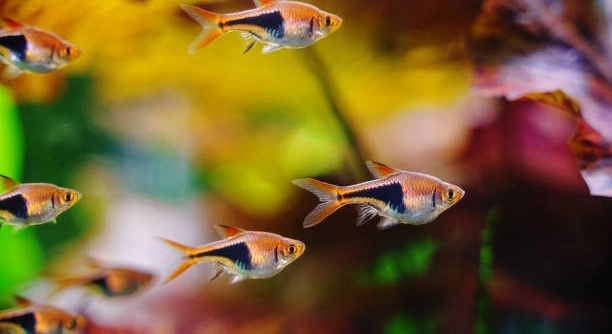
Rasboras are small freshwater fish often kept in home aquariums. These active swimmers are known for their social behavior and unique interactions within their environment. Observing them can reveal surprising patterns in what they choose to follow.
Rasboras may follow a variety of things, including currents, other fish, reflections, moving objects, light sources, food particles, and even their own shadows. These behaviors are linked to their instincts for safety, feeding, and social interaction.
Understanding what influences rasbora behavior helps improve aquarium care and creates a more engaging environment for these fish. This article explores seven unusual things rasboras might follow in their daily life.
Following Water Currents
Rasboras often swim along water currents in their tank. These currents mimic their natural environment, helping them feel safe and comfortable. When water moves, it carries scents and food particles that rasboras are naturally drawn to. Following currents also helps them conserve energy by swimming with the flow rather than against it. In a well-maintained aquarium, currents come from filters or air pumps, which create gentle movement. Rasboras use this to stay alert for potential food or threats. Watching them follow currents can show how closely they respond to their environment. It also indicates the water is circulating properly, which benefits all tank inhabitants by distributing oxygen and nutrients evenly. A lack of movement might make the fish less active and more prone to stress. Ensuring a balanced current is important for their health and behavior.
Strong water flow can encourage rasboras to swim actively and stay healthy.
Water currents guide rasboras naturally, simulating their habitat and supporting feeding and safety instincts. Maintaining proper water movement enhances tank health and encourages natural fish behavior.
Following Other Fish
Rasboras are social creatures that like to stay in groups. Following other fish is part of their schooling behavior, which helps protect them from predators. When one fish moves, others follow closely, creating synchronized swimming patterns. This behavior also helps them find food more easily. In community tanks, rasboras may follow fish of similar size or behavior. They tend to avoid aggressive or much larger species, sticking with calm tank mates. Following each other reduces stress by providing a sense of security. It also strengthens their social bonds, important for their well-being. If isolated, rasboras might become shy or stressed. A group of at least six is recommended to keep them comfortable and active. Observing their coordinated movements is a clear sign of a healthy, balanced aquarium environment.
Schooling provides safety and social comfort for rasboras.
Rasboras’ tendency to follow other fish supports their natural schooling instincts, enhancing their safety and social interaction within the tank. Keeping them in groups is essential for their well-being.
Following Reflections
Rasboras often follow their reflections on aquarium glass or decorations. This happens because the fish mistake the reflections for other tank mates or rivals.
Reflections can confuse rasboras, making them think another fish is nearby. They may swim toward the glass or hover near a shiny surface, trying to interact. This behavior is more common in tanks with bright lighting or clear, smooth glass. While usually harmless, excessive chasing of reflections may cause stress. Reducing bright lights or adding plants and textured surfaces can help minimize this behavior. Reflections can also encourage activity, keeping the fish engaged.
Occasionally, reflections provide mental stimulation, but too much can lead to tiredness. Careful tank setup helps manage this natural reaction while maintaining a calm environment.
Following Light Sources
Rasboras sometimes follow light moving across the tank or changes in brightness. They respond to light as it signals feeding time or changes in their surroundings.
Light attracts rasboras because it mimics natural cues like daylight shifts or movement on the water’s surface. This helps them stay alert and aware of possible food or danger. Moving light spots can cause the fish to swim after them, which also provides exercise and mental engagement. Sudden changes in light may startle them, so gradual adjustments are better. Providing a natural light cycle helps maintain their health and behavior. Light also affects their coloration, making them more vibrant and easier to observe. Proper lighting creates a healthy balance between stimulation and rest in the tank.
Following Moving Objects
Rasboras are naturally curious and will follow small moving objects in their tank. This can include floating plants, air bubbles, or even a finger tapping gently on the glass.
These movements catch their attention because they resemble prey or changes in their environment. Following these objects helps keep them active and engaged.
Following Food Particles
Rasboras have a strong instinct to follow and chase tiny food particles drifting in the water. This behavior is linked to their feeding habits in the wild.
They search carefully for these particles, often swimming quickly to catch them before others do. This activity encourages natural foraging and keeps them mentally sharp. Feeding with small floating or sinking foods can stimulate this natural behavior and support their overall health.
Following Shadows
Shadows cast over the tank often attract rasboras. They may follow the dark shapes as part of their alertness to potential threats or movements above the water.
This behavior is a natural response to changes in light and movement, helping them stay aware of their surroundings.
Why do rasboras follow moving objects in the tank?
Rasboras follow moving objects because their natural instincts drive them to notice changes in their environment. Moving objects, such as bubbles, plants, or even a hand near the glass, can resemble prey or signals of activity. This behavior keeps them alert and engaged, helping to simulate their natural surroundings where movement often means food or danger. Following moving objects also encourages exercise and mental stimulation, which are important for their overall health and happiness in captivity.
Can following reflections harm rasboras?
Generally, following reflections is not harmful, but it can cause stress if it happens too often or for long periods. When rasboras chase their reflections, they may become tired or frustrated because they cannot interact with what they see. This repeated behavior can lead to exhaustion or even minor injuries if they bump against glass or decorations. To reduce this, adjust lighting or add plants and textured surfaces that break up reflections, providing a calmer environment that limits unnecessary chasing.
Is it normal for rasboras to follow their shadows?
Yes, it is a normal behavior. Shadows can trigger an alert response in rasboras because, in the wild, shadows often signal the presence of predators or other creatures above. Following shadows helps them stay vigilant and aware of possible threats. This behavior shows their natural survival instincts remain strong even in a home aquarium. Keeping the tank’s light balanced and avoiding sudden, harsh shadows can reduce stress caused by this sensitivity.
Why do rasboras prefer to follow other fish?
Rasboras are schooling fish and find safety in numbers. Following other fish helps them feel secure by reducing the chance of being singled out by predators. This behavior also supports social bonding and coordinated movement, which are important for their mental health. In community tanks, they tend to follow calm, similarly sized fish. Keeping them in groups of six or more is essential to maintain this natural schooling behavior and reduce stress.
How does light affect rasbora behavior?
Light influences rasboras by signaling time of day and environmental changes. They are drawn to light sources and can follow moving light spots, which mimic natural sunlight reflections on water. Proper lighting helps regulate their activity levels, feeding times, and even color vibrancy. However, sudden changes in brightness may startle them, so gradual light transitions are better. Maintaining a natural light cycle supports their health and keeps their behavior balanced.
What should I do if my rasboras are constantly chasing reflections or shadows?
If chasing becomes excessive, it’s important to adjust the aquarium setup. Reduce bright lighting or change the position of light sources to limit reflections and shadows. Adding plants or textured decorations can break up shiny surfaces and provide hiding spots. Make sure the tank environment feels safe and calm, which helps reduce stress. Regular observation and small changes can improve their comfort and prevent harmful behaviors caused by confusion or overstimulation.
Do rasboras follow food particles differently than other objects?
Yes, following food particles is tied directly to their feeding instincts. Rasboras actively search for small drifting food particles, swimming quickly to catch them before others do. This natural foraging behavior encourages physical activity and mental sharpness. Unlike following reflections or shadows, chasing food is a positive behavior that supports their health. Offering appropriately sized floating or sinking foods encourages this natural habit and makes feeding time more engaging.
Can following currents be controlled or adjusted?
Yes, water flow can be managed to suit rasboras’ comfort. Currents mimic their natural habitat and help with feeding and safety instincts. However, too strong a current may stress them or make swimming difficult. Adjusting filter flow or air pump settings creates gentle currents that encourage natural movement without overwhelming the fish. Observing how rasboras respond to different water speeds helps find the right balance for their tank environment.
Rasboras show many interesting behaviors, especially when they follow different things in their environment. These small fish are naturally curious and social, which leads them to react to currents, other fish, reflections, light, food particles, moving objects, and shadows. Each of these things plays a role in their daily life and survival instincts. Understanding why rasboras follow these cues helps us create better living spaces for them. It also lets us appreciate how sensitive and active these fish are, even in a home aquarium setting.
Watching rasboras follow currents or other fish can be a simple way to check their health and comfort. When they swim together in schools or move with the water flow, it shows they are relaxed and behaving naturally. On the other hand, if they seem stressed by reflections or shadows, adjusting the tank’s lighting or decorations can make a big difference. Providing a stable environment with balanced light, good water movement, and plenty of places to hide helps keep rasboras calm and happy. This attention to detail supports their well-being and encourages positive behaviors.
Overall, paying attention to what rasboras follow is a useful way to understand their needs. Their behavior is closely linked to instincts that help them find food, stay safe, and connect with others. By recognizing these patterns, fish owners can improve tank conditions and enjoy watching the fish’s lively and sometimes surprising reactions. Taking care of rasboras means more than just feeding and cleaning; it means creating an environment where their natural behaviors are respected and supported.

Hello,
If you enjoy the content that we create, please consider saying a "Thank You!" by leaving a tip.
Every little bit helps us continue crafting quality advice that supports the health, happiness, and well-being of pets around the world, for pets of all shapes, sizes, and species.
We really appreciate the kindness and support that you show us!