
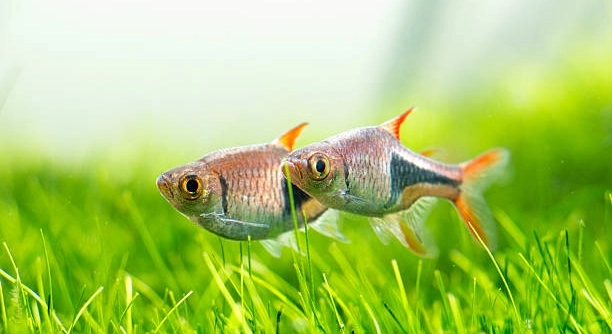
Many aquarium enthusiasts enjoy keeping Rasbora fish due to their peaceful nature and striking colors. Choosing the right tank size and shape plays a crucial role in their well-being. Understanding their preferences can improve their health and happiness.
Rasboras prefer longer tanks because these tanks provide more horizontal swimming space, which better suits their natural behavior. Longer tanks allow for more stable water conditions and create an environment that mimics their natural habitat, reducing stress and promoting activity.
Knowing why longer tanks benefit Rasboras helps create an ideal environment for these fish. The following points explain their preferences and how to meet their needs effectively.
More Swimming Space Means Happier Rasboras
Rasboras are active swimmers who naturally explore horizontally through slow-moving streams and rivers. A longer tank mimics this environment, giving them plenty of room to swim freely without constantly turning or feeling cramped. This additional space helps reduce stress, which is important because stressed fish can become more prone to illness. When they have space to swim side to side, Rasboras can express natural behaviors such as schooling and exploring, which improves their overall well-being. The width and depth of the tank do not provide the same benefit because Rasboras prefer open horizontal space. Keeping them in a short, tall tank restricts their movement and may lead to boredom or frustration. Therefore, investing in a longer aquarium creates a more comfortable habitat for Rasboras to thrive.
Providing adequate swimming space is key for healthy, active Rasboras that display natural behaviors.
Long tanks allow Rasboras to swim in straight lines and form dynamic schools, enhancing their social interaction and physical health.
Stability in Water Conditions Supports Health
Longer tanks tend to have more stable water parameters, which benefit Rasboras greatly. Stability means less fluctuation in temperature, pH, and other water chemistry factors. This is because larger water volumes resist quick changes better than smaller tanks. Rasboras are sensitive to sudden shifts, which can cause stress and lower immunity. The extended surface area of a long tank also improves gas exchange, ensuring oxygen levels remain consistent. Moreover, it is easier to set up proper filtration and circulation in a longer tank, promoting cleaner water. Cleaner water lowers the risk of disease and helps Rasboras maintain vibrant colors and active behavior. Overall, the consistent environment provided by a longer tank supports long-term health and reduces the chances of sudden health problems.
Maintaining stable water conditions is essential for Rasboras to stay healthy and stress-free. Longer tanks help create this stability by holding more water and allowing better filtration. The consistent environment prevents rapid changes in temperature and chemistry that could harm these delicate fish. Because of this, longer tanks are recommended for keeping Rasboras in optimal health. Additionally, the layout of a long tank makes it easier to place plants and decorations in ways that support natural behaviors without overcrowding. This careful setup contributes to both the fish’s physical health and their comfort, ensuring they live a longer and happier life in captivity.
Better Schooling Behavior
Rasboras are schooling fish that swim together in groups. A longer tank gives them enough room to form natural schools and move as a unit, which is important for their social well-being.
When Rasboras swim in proper schools, they feel safer and less stressed. A cramped tank disrupts their ability to school naturally, leading to fragmented groups and increased anxiety. Longer tanks allow these fish to keep close but still have enough space to swim in coordinated patterns. This improves their confidence and reduces hiding behavior. In a longer environment, the school can spread out horizontally, showing off their vibrant colors and active movement. The presence of a full, healthy school also makes the tank more visually appealing and lively.
Creating space for schooling supports natural behavior and helps maintain a healthy group dynamic. It also encourages interaction between fish, reducing aggression and promoting peace within the tank.
Enhanced Plant and Decoration Layouts
Longer tanks provide more horizontal space to arrange plants and decorations naturally, which supports Rasboras’ preferences for hiding and exploring. This space allows for more thoughtful aquascaping without overcrowding.
The extended length offers room for a variety of plants and decorations that create hiding spots and swimming pathways. Rasboras enjoy darting between plants and swimming through open areas, which a long tank can accommodate better than a short one. With more horizontal space, you can separate dense plant areas from open water zones, balancing shelter and swim space. This arrangement reduces territorial disputes and encourages active swimming. It also allows for easier maintenance and cleaning since plants and decorations can be spaced without crowding the filter or surface. Overall, a longer tank helps create a balanced, healthy habitat that reflects the fish’s natural environment.
Easier Maintenance and Cleaning
Longer tanks are easier to maintain because water changes and cleaning can be done without disturbing the fish too much. The larger surface area allows better access to plants and decorations.
With more space, it’s simpler to reach all parts of the tank during cleaning. This reduces stress for Rasboras and helps keep the environment healthy. Maintenance becomes less frequent as water quality stays more stable.
Reduced Aggression Among Tank Mates
Rasboras in longer tanks tend to show less aggression. The extra swimming space lowers territorial disputes and gives fish room to avoid conflict. A longer tank reduces stress and promotes a peaceful community.
Better Oxygen Exchange
Longer tanks improve oxygen exchange due to a larger surface area. This ensures that Rasboras receive enough oxygen to stay active and healthy. Proper oxygen levels are essential for their metabolism and overall well-being.
FAQ
Why do Rasboras need more horizontal space compared to vertical space?
Rasboras are natural swimmers that prefer moving side to side rather than up and down. Their bodies and swimming habits are adapted to gliding through slow-flowing streams horizontally. A longer tank better mimics their natural environment, allowing them to swim comfortably and avoid stress caused by cramped conditions. Vertical swimming space is less important because they rarely swim near the water surface or tank bottom vertically for long distances.
Can Rasboras live in tall, narrow tanks if the length is limited?
While Rasboras can survive in tall tanks, these are not ideal. Limited horizontal space forces them to make frequent turns, which can increase stress and reduce natural schooling behavior. Tall tanks may also restrict how well they display natural swimming patterns. Over time, this can affect their health and behavior. Longer tanks support their needs better and encourage more active and natural movement.
How does a longer tank improve water quality for Rasboras?
A longer tank usually holds more water volume, which helps stabilize water parameters such as temperature, pH, and ammonia levels. Larger water volumes change more slowly, giving filtration systems a better chance to maintain clean and stable water. Stable water conditions reduce stress on Rasboras and lower the risk of disease, keeping them healthier over the long term.
Is a longer tank always better for all Rasbora species?
Most Rasbora species benefit from longer tanks, especially those that swim actively in schools. However, some species with different habits might tolerate other tank shapes. It’s important to research the specific needs of your Rasbora species before setting up a tank. Still, in general, longer tanks provide more benefits for swimming space, schooling, and water stability.
How many Rasboras can I keep in a longer tank?
Stocking depends on tank size, but longer tanks typically allow for larger schools, which Rasboras prefer. A good rule is one inch of fish per gallon of water, but schooling fish like Rasboras do better in groups of six or more to feel secure. A longer tank can comfortably hold more fish without overcrowding, supporting healthier social behavior.
What are the ideal dimensions for a tank housing Rasboras?
An ideal Rasbora tank focuses on length rather than height. A minimum length of 30 inches is recommended for small schools, with at least 12 inches of width and 12 to 18 inches of height. This setup provides enough horizontal swimming space while maintaining manageable tank volume for care.
Can decorations in a longer tank affect Rasboras’ swimming space?
Yes, decorations can reduce swimming space if placed too densely. In longer tanks, it’s easier to balance open swimming areas with hiding spots using plants and decor. Avoid overcrowding so Rasboras have room to school and explore. Thoughtful aquascaping supports natural behaviors and reduces stress.
Do longer tanks require different equipment for Rasboras?
Equipment like filters and heaters may need to be sized appropriately for longer tanks, but the type remains the same. A longer tank usually benefits from efficient filtration to maintain water quality and gentle water flow, which matches Rasboras’ preference for slow-moving water. Lighting and heating should be evenly distributed along the tank length.
Are longer tanks more expensive to maintain?
Longer tanks often hold more water, which can increase costs for water conditioners, electricity, and maintenance supplies. However, the health benefits for Rasboras and the reduced risk of stress-related illnesses can offset these costs. Proper care and regular maintenance also help keep expenses reasonable.
What is the best way to introduce Rasboras to a longer tank?
When adding Rasboras to a longer tank, acclimate them slowly to reduce stress. Use a drip acclimation method or float the bag in the tank water before release. Introducing the whole school at once encourages natural schooling behavior. Make sure the tank is fully cycled with stable water conditions before adding fish.
How does a longer tank influence Rasbora breeding?
A longer tank provides more space for males to display and establish territories, which supports breeding behavior. It also offers ample hiding spots for fry when plants and decorations are arranged properly. The stable environment of a longer tank encourages healthy breeding conditions and higher fry survival rates.
What plants work best in a longer Rasbora tank?
Plants that grow horizontally or create low to mid-level cover are ideal for longer tanks. Examples include Java fern, Anubias, and Cryptocoryne species. These plants allow open swimming areas while providing shelter. Floating plants can also help diffuse light and create a natural habitat without blocking swimming paths.
Can longer tanks help reduce aggression in mixed-species setups?
Yes, longer tanks offer more space for different species to establish territories or avoid each other. This reduces stress and aggression compared to cramped tanks. Rasboras generally get along with many peaceful fish, and the extra room in longer tanks helps maintain a peaceful community environment.
Choosing the right tank size and shape is essential for keeping Rasboras healthy and comfortable. Longer tanks provide more horizontal space, which suits the natural swimming behavior of these fish. This extra space allows Rasboras to swim freely, form proper schools, and reduce stress. When fish can move comfortably, they are less likely to develop health problems and show natural, active behavior. A cramped tank, even if tall, does not offer the same benefits and can negatively affect their well-being.
Water stability is another important factor supported by longer tanks. Larger water volumes help maintain steady temperatures, pH, and other water parameters, which is crucial for sensitive fish like Rasboras. Stable water conditions reduce the risk of disease and improve overall health. Additionally, longer tanks usually allow for better placement of filters and plants, which can help create a cleaner, balanced environment. With the right setup, these tanks can meet the needs of Rasboras more effectively than smaller or taller tanks.
Taking care of Rasboras means understanding their natural habits and providing an environment that supports those behaviors. Longer tanks create a habitat closer to their natural streams, allowing for healthy schooling, easy swimming, and stress reduction. While longer tanks might require more space and maintenance effort, the benefits to the fish’s health and happiness make it worthwhile. Keeping Rasboras in a longer tank helps ensure they live a longer, more active life, which is rewarding for anyone who cares for them.

Hello,
If you enjoy the content that we create, please consider saying a "Thank You!" by leaving a tip.
Every little bit helps us continue crafting quality advice that supports the health, happiness, and well-being of pets around the world, for pets of all shapes, sizes, and species.
We really appreciate the kindness and support that you show us!