
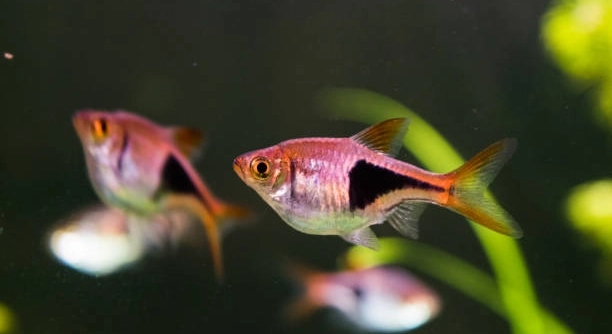
Rasboras are small, peaceful fish often kept in home aquariums. Sometimes, they flare their gills briefly, catching the attention of many fish keepers. This simple behavior can have several explanations related to their environment and health.
Rasboras may flare their gills briefly due to normal respiration adjustments, mild irritation, or as a response to changes in water quality or temperature. This gill movement helps regulate oxygen intake and remove small particles or irritants from their gill surfaces.
Understanding why rasboras exhibit this behavior helps maintain a healthy aquarium. It also guides fish owners in recognizing when gill flaring is harmless or when it signals a problem needing attention.
Common Reasons for Rasbora Gill Flaring
Rasboras flare their gills mainly to help with breathing and to protect themselves from minor irritants. When the water conditions change suddenly, like a shift in temperature or oxygen levels, they adjust their gill movements to get more air. Sometimes, tiny particles or debris in the water cause brief irritation, prompting the fish to flare their gills as a cleaning reflex. It is also normal for them to do this during moments of mild stress, such as when they are startled or during feeding times. In a well-maintained aquarium, brief gill flaring happens occasionally and is not a sign of serious trouble. However, if it becomes frequent or prolonged, it could mean the water quality needs attention or the fish may be unwell. Monitoring their environment and keeping the water clean helps keep rasboras comfortable and healthy.
Gill flaring is often temporary and linked to normal responses in their environment. Regular water checks help prevent stress.
By watching for patterns in their gill movements, you can detect changes in tank conditions early. For example, poor filtration or overcrowding can increase gill flaring due to lower oxygen levels. Making sure the tank is well-aerated and maintaining consistent water parameters reduces unnecessary stress. Avoid sudden temperature swings by acclimating fish properly during water changes. Additionally, some medications or tank chemicals may irritate gills, so always use treatments as directed. Understanding these triggers helps ensure your rasboras stay calm and healthy. Paying attention to small signs like gill flaring can improve their overall wellbeing and lifespan.
When Gill Flaring Signals a Problem
If your rasbora flares its gills often and shows other signs like gasping at the surface or lethargy, it could indicate an issue.
Gill flaring combined with abnormal behavior often points to poor water quality or illness.
In such cases, testing the water for ammonia, nitrites, and nitrates is important. High toxin levels irritate the gills and affect breathing. Disease or parasites may also cause frequent gill flaring. Look for other symptoms like discoloration, rapid breathing, or clamped fins. Prompt action is necessary to prevent serious health problems. Improving filtration, performing partial water changes, and isolating affected fish can help control the situation. Consulting a veterinarian or aquarium specialist for diagnosis and treatment advice is recommended. Early response improves chances of recovery and keeps your tank healthy for all its inhabitants.
Environmental Factors Affecting Gill Flaring
Changes in water temperature or oxygen levels often cause rasboras to flare their gills. Sudden drops or rises in temperature stress the fish, making them work harder to breathe.
Low oxygen levels are common in overcrowded or poorly aerated tanks. Rasboras respond by increasing gill movement to absorb more oxygen. Poor water circulation or stagnant areas also reduce oxygen availability. Maintaining stable water temperature and proper aeration helps minimize stress and gill flaring. Regular water testing and partial water changes improve oxygen content and keep the environment balanced for your fish.
Besides oxygen and temperature, chemical imbalances such as ammonia or nitrite spikes can irritate gills. Even slight changes in pH can make gill tissues sensitive, causing more frequent flaring. Proper filtration and avoiding overfeeding prevent these harmful buildups. Regular monitoring ensures that your tank stays within safe parameters. Taking these steps creates a more comfortable habitat, reducing the need for rasboras to flare their gills as a coping mechanism.
Stress and Its Impact on Gill Flaring
Stress in rasboras can come from many sources, including tank mates, handling, or sudden changes.
Stress weakens their immune system and causes behaviors like increased gill flaring.
Aggressive tank mates or overcrowding make rasboras feel threatened, triggering gill flare responses. Frequent movement or tapping on the glass also startles them, increasing stress. Proper tank setup with plenty of hiding spots and peaceful companions reduces stress levels. Avoid sudden water changes and introduce new fish slowly. A calm environment lets rasboras breathe easier and stay healthier, with less need to flare their gills frequently. Taking simple steps to reduce stress benefits both their behavior and overall wellbeing.
Signs to Watch for Alongside Gill Flaring
Other behaviors can indicate if gill flaring is a concern. Look for rapid breathing, lethargy, or loss of appetite.
Clamped fins or unusual swimming patterns also suggest stress or illness. These signs combined with frequent gill flaring deserve immediate attention.
How to Improve Water Quality
Keeping water clean is key to reducing gill flaring in rasboras. Regular partial water changes remove toxins and refresh oxygen levels. Using a good filter helps maintain clear, balanced water. Avoid overfeeding to prevent excess waste buildup. Testing water parameters weekly can catch issues early. Ensuring proper aeration and stable temperature supports healthy gill function. Small changes like adding live plants improve oxygen and reduce stress. Consistent maintenance is essential to keep rasboras comfortable and reduce unnecessary gill flaring caused by poor water conditions.
When to Seek Professional Help
If gill flaring persists despite good care, consulting an expert is wise. A veterinarian or aquarium specialist can diagnose underlying health issues and suggest treatments.
FAQ
Why do rasboras flare their gills only briefly?
Brief gill flaring is often a natural response to slight changes in the tank environment. It helps them adjust breathing, clear small particles, or react to minor irritants. If it happens occasionally and the fish behaves normally, it’s usually nothing to worry about.
Can gill flaring mean my rasbora is sick?
Yes, frequent or prolonged gill flaring combined with other signs like rapid breathing, lethargy, or loss of appetite may indicate illness or poor water quality. In such cases, checking water parameters and observing for additional symptoms is important.
How often should I test my aquarium water?
Testing once a week is a good practice for maintaining stable water conditions. Frequent testing helps catch harmful spikes in ammonia, nitrites, or nitrates early before they stress your fish.
Is gill flaring linked to oxygen levels in the tank?
Definitely. Low oxygen causes rasboras to flare their gills more as they try to get extra oxygen. Good aeration, regular water changes, and avoiding overcrowding help maintain healthy oxygen levels.
What can I do if I notice constant gill flaring?
First, test water quality and correct any issues like high ammonia or nitrites. Improve aeration and reduce stress factors, such as aggressive tank mates or sudden environmental changes. If the problem persists, consider consulting an expert.
Does tank size affect gill flaring?
Yes. Overcrowded or small tanks reduce oxygen availability and increase stress, which can lead to more frequent gill flaring. Providing enough space and proper filtration is important for rasbora health.
Can feeding habits cause gill irritation?
Overfeeding leads to waste buildup and poor water quality, which irritates gills. Feeding only what the fish can eat in a few minutes and cleaning uneaten food helps maintain water quality and reduces irritation.
Are there specific tank plants that help with oxygen levels?
Live plants like Java fern, Anubias, and hornwort improve oxygen and water quality. They absorb nitrates and release oxygen, creating a healthier environment that can reduce gill flaring caused by poor water conditions.
Is it normal for rasboras to flare gills during feeding?
Yes, slight gill flaring during feeding is common due to increased activity and movement. As long as it’s brief and the fish returns to normal behavior, it’s not a cause for concern.
How do I introduce new fish without causing gill flaring?
Acclimate new fish slowly by floating their bag in the tank to equalize temperature, then gradually mix tank water with their water. Sudden changes cause stress and gill flaring, so patience helps reduce this reaction.
Can water hardness or pH levels cause gill flaring?
Extreme pH or hardness levels can irritate gills and cause flaring. Keeping water within rasbora’s preferred range (pH 6.0–7.5, soft to moderate hardness) helps maintain healthy gill function.
What medications might affect gill health?
Some treatments can irritate gills, especially if overdosed. Always follow instructions carefully, and use medications designed for freshwater fish. Rinsing the tank or doing water changes after treatment helps reduce residue buildup.
How do parasites cause gill flaring?
Parasites can attach to gills, causing irritation, damage, and inflammation. This results in frequent gill flaring and labored breathing. Treating the tank promptly and isolating infected fish can control parasite spread.
Can lighting affect gill flaring?
Bright or flickering lights may stress rasboras, leading to increased gill flaring. Providing a calm, consistent light schedule and shaded areas helps fish feel secure and reduces stress-related behaviors.
Is gill flaring a sign of oxygen toxicity?
Oxygen toxicity is rare in home aquariums but can happen with excessive aeration. It usually causes other symptoms like gasping or erratic swimming. Proper balance of oxygen levels is key, so avoid over-aerating the tank.
How long does it take for rasboras to stop flaring their gills after stress?
Recovery time varies depending on the stress cause. With improved water quality and a calm environment, gill flaring usually decreases within hours to a few days. Persistent flaring needs further investigation.
What role does water flow play in gill health?
Good water flow ensures oxygen reaches all areas of the tank and removes waste. Poor flow can create stagnant spots, causing low oxygen and gill irritation. Adjusting filters or adding air stones improves flow and fish comfort.
Can breeding behavior cause gill flaring?
During breeding, rasboras may flare gills slightly due to increased activity and excitement. This behavior is usually short-lived and part of their natural reproductive process.
Should I isolate a rasbora that is frequently flaring its gills?
Isolating a stressed or sick fish can help reduce infection risk and allow focused treatment. Use a quarantine tank if possible, but ensure it has similar water conditions to avoid additional stress.
How does temperature fluctuation specifically affect gill flaring?
Sudden temperature changes affect metabolism and oxygen demand, causing rasboras to flare gills to meet increased needs. Maintaining a stable temperature between 72–78°F (22–26°C) reduces this problem.
Are there any behavioral signs that predict increased gill flaring?
Signs like restlessness, hiding, or gasping at the surface often precede frequent gill flaring. Recognizing these early helps address environmental or health issues before they worsen.
Rasboras are generally peaceful and hardy fish, but their gill flaring behavior can sometimes raise concerns. Understanding why they flare their gills briefly helps keep their care simple and effective. Often, brief gill flaring is a normal part of how these fish breathe and respond to small changes in their environment. It is their way to adjust oxygen intake or clear minor irritants from their gills. When this behavior happens occasionally and without other signs of distress, it usually does not indicate any serious problem.
Maintaining good water quality and a stable environment is the key to minimizing excessive gill flaring. Regular water testing, proper filtration, and partial water changes keep harmful toxins and waste at low levels. Avoiding overcrowding and providing sufficient aeration ensures that oxygen levels stay adequate for all the fish in the tank. Stress from aggressive tank mates, sudden changes, or poor tank conditions can also increase gill flaring, so it is important to create a calm and safe space for rasboras. Keeping an eye on other behaviors like appetite, swimming, and coloration will help identify if the gill flaring is related to a health issue.
If gill flaring becomes frequent or is accompanied by other symptoms such as rapid breathing, lethargy, or clamped fins, it is important to take action. Testing water parameters, improving tank conditions, and isolating any affected fish can help control the problem. In some cases, professional advice from a veterinarian or aquarium specialist may be needed to diagnose and treat infections or parasites. Overall, understanding the causes of gill flaring and responding appropriately helps ensure rasboras live healthy and comfortable lives in home aquariums. With consistent care and attention, this small behavior can be managed without stress for both the fish and their caretakers.

Hello,
If you enjoy the content that we create, please consider saying a "Thank You!" by leaving a tip.
Every little bit helps us continue crafting quality advice that supports the health, happiness, and well-being of pets around the world, for pets of all shapes, sizes, and species.
We really appreciate the kindness and support that you show us!