
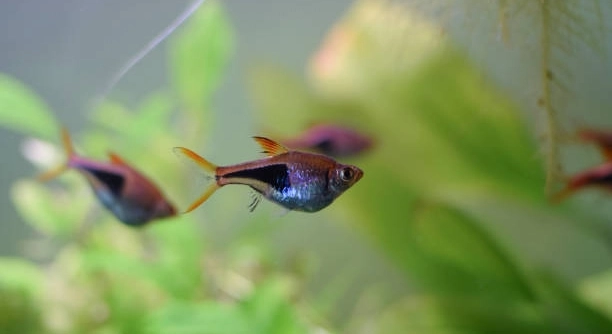
Curious and nervous rasboras are small, vibrant fish often kept in home aquariums. Though similar in appearance, they display distinct behaviors that can affect how they interact with their environment and other fish. Recognizing these differences helps create a better tank atmosphere.
The key differences between curious and nervous rasboras lie in their activity levels, response to stimuli, and social interactions. Curious rasboras actively explore and investigate, while nervous ones tend to be more skittish, hiding or freezing when disturbed. These subtle traits influence their care and compatibility.
Understanding these behavior patterns allows aquarium owners to better meet the needs of their fish. This knowledge improves fish welfare and enhances the enjoyment of watching their unique personalities unfold.
Physical Appearance Differences
Curious and nervous rasboras share a similar body shape and color patterns, but subtle physical differences can help identify them. Curious rasboras usually have brighter and more defined markings, showing a confident stance in the aquarium. Nervous rasboras often appear slightly paler, with less intense colors, likely reflecting their timid nature. Their fins can also differ; curious rasboras tend to hold their fins more openly, while nervous ones keep them closer to the body. These small visual cues can guide fishkeepers in recognizing each type. Observing these details early on helps in adjusting tank conditions and social setups to suit their specific behaviors. This awareness supports healthier fish and reduces stress in the aquarium environment.
In comparison, nervous rasboras might seem less vibrant and more reserved in their movement, signaling a different approach to their surroundings.
Noticing these physical distinctions is important for managing their care, as subtle changes in color and posture often reflect how comfortable the fish feel in their habitat. Attentive observation improves overall tank harmony.
Behavioral Traits
Curious rasboras actively investigate new objects or changes in their environment. They swim boldly around the tank, showing interest in plants, decorations, or food sources. This behavior helps them adapt quickly and engage with their surroundings. In contrast, nervous rasboras are cautious and reactive. They may freeze or dart away at sudden movements or noises. These fish prefer hiding spots and often stay close to the tank’s bottom or dense plants to feel secure. Recognizing these patterns supports better tank design and social grouping to reduce stress for nervous individuals.
Their differing reactions to stimuli shape how they live and interact daily.
Managing behavior involves providing varied hiding places for nervous rasboras while allowing curious ones space to explore freely. A balanced environment respects both temperaments, reducing conflict and promoting well-being. Careful observation of activity levels and responses helps in creating a tank that meets each fish’s needs. Adjustments to lighting, tank mates, and feeding routines can further support their natural behaviors. These measures ensure a calmer, healthier aquarium community.
Social Behavior Patterns
Curious rasboras tend to be more interactive with other fish. They often swim in loose groups and show interest in tank mates. Nervous rasboras prefer tighter schools and keep a lower profile to avoid attention.
Their social styles affect how they fit into community tanks. Curious rasboras often lead exploration or initiate movement, encouraging interaction. Nervous rasboras rely on group safety and are more likely to retreat when disturbed. This difference means curious ones adapt well to mixed species tanks, while nervous types need compatible, non-aggressive companions to feel secure. Understanding these social preferences helps prevent stress and aggression among fish.
Maintaining the right group size is key. Too few nervous rasboras can cause increased anxiety, while curious rasboras benefit from varied tank mates that stimulate their interest. Tank mates that are too bold may overwhelm nervous fish. Observing these dynamics ensures a peaceful environment, supporting healthier social behavior for both types.
Feeding Habits
Curious rasboras approach feeding times eagerly, often being the first to the food. They explore new food types with interest and adapt quickly to changes in diet. Nervous rasboras can be shy during feeding and may wait for others to eat first, showing hesitation around unfamiliar foods.
This difference impacts feeding strategies. Feeding in multiple spots or using sinking pellets can help nervous rasboras access food without competing directly. It’s important to monitor food intake to avoid underfeeding shy fish. Offering a varied diet helps both types maintain good health.
Careful feeding routines create balance, reducing stress at mealtimes. Providing safe feeding zones and regular schedules supports the distinct habits of both curious and nervous rasboras. This approach ensures they receive proper nutrition and thrive in the aquarium environment.
Tank Environment Preferences
Curious rasboras thrive in tanks with open spaces and plenty of places to explore. They enjoy plants, rocks, and decorations that invite investigation.
Nervous rasboras need dense vegetation and hiding spots to feel safe. They prefer shaded areas where they can retreat quickly when startled.
Response to Stress
Nervous rasboras react strongly to sudden changes, often hiding or freezing for long periods. They are sensitive to loud noises and abrupt water condition shifts, which can cause prolonged stress.
Curious rasboras handle mild disturbances better, showing quicker recovery and returning to normal activity sooner. Their exploratory nature helps them adapt faster in a changing environment.
Movement Patterns
Curious rasboras swim confidently and actively, often leading the group. They move throughout the tank, showing interest in new objects and changes.
Nervous rasboras tend to stay close to the bottom or plants, moving cautiously and avoiding open spaces. This behavior helps them feel protected from threats.
FAQ
How can I tell if my rasbora is curious or nervous?
Observing their behavior is the best way to tell them apart. Curious rasboras actively explore their environment and swim openly. Nervous rasboras tend to hide, stay still, or dart away quickly when disturbed. Watching how they react to changes and new objects provides clear clues.
Are nervous rasboras harder to care for than curious ones?
Nervous rasboras require more attention to tank conditions and environment. They need plenty of hiding spots and stable water parameters to reduce stress. Curious rasboras adapt more easily to changes but still benefit from a well-maintained tank. Both need consistent care, but nervous types are more sensitive to stress.
Can curious and nervous rasboras live together peacefully?
Yes, they can coexist if their environment meets both needs. Providing dense plants and hiding spaces helps nervous rasboras feel safe, while open swimming areas satisfy curious ones. Avoid aggressive or overly active tank mates that could increase stress for nervous fish.
What is the best tank setup for both types?
A balanced tank has a mix of open swimming space and dense vegetation. Use smooth rocks, plants, and decorations to create hiding places without overcrowding. Stable water temperature, good filtration, and regular maintenance keep the environment healthy for all rasboras.
How often should I feed my rasboras?
Feed small amounts two to three times daily. This prevents overfeeding and keeps water clean. Use a mix of flakes, pellets, and live or frozen foods. Feeding multiple locations helps shy, nervous rasboras access food without competition.
Do nervous rasboras need special care during tank changes?
Yes, nervous rasboras are more sensitive to water changes and sudden movements. Perform partial water changes slowly and avoid abrupt shifts in temperature or chemistry. Minimizing disturbances during maintenance reduces stress for them.
Are there specific tank mates that work well with these rasboras?
Peaceful, small fish that share similar temperaments work best. Avoid large or aggressive species that can intimidate nervous rasboras. Good companions include small tetras, peaceful catfish, and snails, which help maintain a calm environment.
How do I encourage curious rasboras to explore more?
Introduce new decorations or plants gradually to stimulate curiosity. Feeding in different spots and gentle water movement can encourage exploration. Avoid sudden changes, which may stress nervous tank mates.
Why do nervous rasboras hide so often?
Hiding is a natural defense mechanism for nervous rasboras. It helps them feel secure when they detect potential threats. Providing ample cover reduces this behavior by creating a safe environment, allowing them to become more comfortable over time.
Can stress affect the health of rasboras?
Yes, stress can weaken the immune system and increase susceptibility to disease. Nervous rasboras are particularly prone to stress-related problems. Keeping water quality high and minimizing sudden changes supports their health and longevity.
Is it normal for curious rasboras to be more active at certain times?
Yes, curious rasboras often show bursts of activity during feeding or when exploring. They may be more energetic during daylight hours. This is typical behavior reflecting their natural tendencies.
What signs indicate my rasbora is stressed?
Look for hiding, loss of color, clamped fins, rapid breathing, or refusal to eat. Nervous rasboras may freeze or dart erratically. These signs suggest adjustments are needed in tank conditions or social dynamics to reduce stress.
Can nervous rasboras become more curious over time?
With patience and a stable environment, some nervous rasboras may become less shy. Regular, gentle interaction and consistent care encourage confidence. However, their natural temperament usually remains more cautious than curious types.
How large should the group of rasboras be?
Both curious and nervous rasboras do best in groups of six or more. Larger groups help nervous rasboras feel secure and reduce aggression. Keeping an appropriate group size promotes natural schooling behavior and overall well-being.
Do rasboras require special lighting conditions?
Moderate lighting with shaded areas suits both types. Nervous rasboras prefer dimmer zones to hide and feel safe. Avoid overly bright lights that may stress them. Plants and decorations help diffuse lighting and create a comfortable environment.
What water parameters are ideal for curious and nervous rasboras?
Maintain temperature between 74°F and 80°F, pH around 6.5 to 7.5, and soft to moderately hard water. Stable conditions prevent stress and promote healthy behavior. Frequent testing and proper filtration keep water quality optimal for all rasboras.
Final Thoughts
Curious and nervous rasboras may look very similar, but their behavior and needs are quite different. Understanding these differences helps ensure both types can live comfortably in the same aquarium or separate setups. Curious rasboras are active and outgoing, often exploring their surroundings and interacting with other fish. Nervous rasboras are more cautious, relying on hiding places and stable environments to feel safe. Recognizing these traits early allows for better care and a more peaceful tank.
Both types of rasboras require careful attention to their environment, diet, and social groupings. Providing a tank with a mix of open swimming areas and dense plants creates a balanced space where both curious and nervous fish can thrive. Feeding routines should consider their different behaviors to make sure all fish get enough food without stress. Tank mates should be peaceful and compatible to avoid frightening nervous rasboras or overwhelming curious ones. Stable water conditions and gentle maintenance are also essential to reduce stress and promote health.
Taking the time to observe your rasboras closely will pay off. Small changes in their color, movement, or appetite can indicate how comfortable they are in the tank. Making adjustments based on these observations helps prevent health issues and encourages natural behavior. Whether you care for curious or nervous rasboras, meeting their unique needs supports a happier, healthier aquarium. Attention to detail and patience create an environment where both types can show their true personalities and enrich your aquarium experience.

Hello,
If you enjoy the content that we create, please consider saying a "Thank You!" by leaving a tip.
Every little bit helps us continue crafting quality advice that supports the health, happiness, and well-being of pets around the world, for pets of all shapes, sizes, and species.
We really appreciate the kindness and support that you show us!