
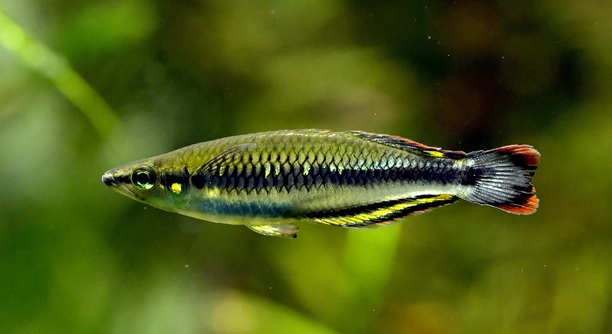
Have you ever wondered why your rainbowfish suddenly seem less eager to explore their tank, moving more slowly and staying near familiar spots, even when everything around them appears the same as usual each day.
Rainbowfish often stop exploring when exposed to environmental stressors that disrupt their natural behavior. Poor water quality, sudden changes in temperature, limited space, or the absence of enrichment can reduce activity levels, causing them to retreat to familiar areas and rest quietly.
As you learn more about these subtle shifts, you can support your rainbowfish with simple changes that encourage healthier movement.
Understanding Changes in Rainbowfish Behavior
Changes in how rainbowfish explore can feel subtle at first, and I have noticed how easy it is to overlook small signs when life gets busy. When these fish slow down, it often reflects something in their surroundings that needs attention. They depend on stable conditions to stay active, so even minor shifts can influence how they behave. When the water becomes cloudy or the filter starts working less effectively, their confidence fades. I have seen how a tank that once felt lively can seem quieter when stress builds. Moving to a new home, adding new fish, or changing decor too often can also make them withdraw. These fish respond strongly to lighting, space, and noise around the tank, and when something feels off, they tend to settle into safer corners. Understanding these details helps you notice early signs and adjust conditions before the behavior becomes more concerning, for them.
Small changes in maintenance can bring quick improvements, and I have seen how rainbowfish respond once the tank feels calm again. Clean water, steady lighting, and gentle surroundings help them regain their usual interest in moving around and exploring new areas without hesitation, as their stress slowly fades each day.
Paying attention to their comfort helps you understand them better over time. I have learned that rainbowfish rely on simple stability, and when they feel protected, they move with more confidence. Give them enough room to swim freely, avoid frequent rearranging, and keep their environment predictable. Watching their behavior improve can be reassuring, especially when you start noticing brighter colors and smoother movements. These small signs show that they trust their space again. When you stay consistent, their energy returns, and the tank becomes active in a gentle, natural way that feels satisfying to see each day at home too.
Helping Your Rainbowfish Feel Secure
Rainbowfish thrive when their environment feels steady, so giving them a stable routine can make a big difference. I notice they become more confident when the water stays clean, the lighting stays soft, and the tank remains peaceful without constant interruptions around their living space each day in my experience.
Creating a supportive space for rainbowfish starts with maintaining clear water and predictable conditions. I have found that routine care helps them relax, and it keeps their movements smooth and steady. Test the water often, clean the filter on time, and make sure the temperature stays consistent. Avoid overcrowding the tank, since too many fish can limit movement and create tension. When they have enough room, their natural curiosity returns gradually, and they begin to explore areas they once avoided. Soft lighting also helps reduce stress, especially during feeding or cleaning. I try to keep loud noises away from the tank, since sudden sounds can startle them and interrupt their rhythm. Live plants or gentle hiding spots can provide comfort without making the space feel cramped. When everything works together, the tank becomes a calm place where rainbowfish feel secure. Their brighter colors, steady swimming, and relaxed behavior show that they trust their environment again, and it feels rewarding to see them thrive. I enjoy watching them settle into a balanced state as the tank stabilizes, and it feels comforting to know that steady care helps maintain their natural patterns while supporting calm behavior that lasts through each day gently
Identifying Stress Signs Early
Rainbowfish often show small hints when something is bothering them, and noticing these signs early can make care much easier. I rely on observing their posture, color, and swimming patterns, because these changes usually appear before more serious issues begin.
Subtle color fading is often the first thing I notice, especially when stress begins to build slowly. Their movements may become stiff or hesitant, and they might avoid areas they once explored confidently. When I see them hiding behind plants more than usual, it usually means something in the tank feels uncomfortable to them. Reduced appetite can also be an early signal, even if the water looks normal. When these signs appear together, I pause and check everything, from water quality to lighting and temperature. I have learned that reacting sooner makes recovery easier and prevents the stress from lingering.
Other behaviors can appear if the stress continues, and these signs should not be ignored. Erratic swimming, sudden darting, or spending too much time near the surface often means the conditions are affecting them more strongly. I check for overcrowding, since limited space can make them feel pressured and unsettled. Too much noise or movement around the tank can also trigger these reactions. When I address these issues quickly, their confidence gradually returns, and they resume their normal activity. Watching these improvements reminds me how sensitive they are to their surroundings.
Adjusting Tank Conditions Consistently
A steady tank routine supports their comfort, so I focus on keeping everything predictable. Light shifts, water changes, and feeding times can influence behavior, and I try to keep each part of their care stable to avoid unnecessary stress building in their daily environment.
Maintaining this stability starts with regular water testing and gentle cleaning. I avoid large changes at once, since sudden shifts in temperature or pH can unsettle them. Instead, I make smaller adjustments that help the tank stay balanced. I also choose lighting that remains soft rather than bright, because harsh lights tend to make rainbowfish uneasy. When decorating their space, I add plants slowly, giving them time to adjust without overwhelming them. I limit sudden noises and activity near the tank, because even small interruptions can disrupt their sense of safety. Feeding them at consistent times helps create a rhythm they trust. With these steady habits, their movement becomes smoother, their colors brighten naturally, and the tank feels calm again.
Creating a Calm Environment
A peaceful setting helps rainbowfish feel safe enough to explore again. I try to limit loud sounds, sudden movements, and bright lights around the tank. These simple adjustments make the space feel steadier, allowing them to move with less hesitation and more natural confidence.
Soft lighting and gentle surroundings also help reduce tension. I keep the tank in a quiet spot, away from busy areas of the home. When the environment stays calm, their swimming becomes smoother, and they begin returning to the open parts of the tank without showing signs of discomfort.
Encouraging Natural Activity
Supporting their movement starts with giving them space. I make sure they have enough room to swim freely, because crowded setups limit their confidence. Adding live plants helps create paths and hiding spots, letting them explore without feeling exposed. Balanced feeding also keeps their energy steady, encouraging gentle activity without overwhelming them. When each part of the tank supports their comfort, they slowly regain the curiosity they once showed, and their behavior becomes more relaxed and steady.
Knowing When to Seek Extra Help
Some behavior changes need more attention, especially when improvements do not appear after adjusting their care. I watch for signs that persist too long, since this can mean something deeper is affecting them. Getting guidance can make a difference and helps protect their long-term comfort.
FAQ
Why do rainbowfish suddenly stop exploring even when the tank looks fine?
Rainbowfish can appear calm on the surface while still feeling stressed underneath. I have noticed that even small shifts in water quality or lighting can influence their activity. They may stop exploring when ammonia rises slightly, when the filter slows down, or when the temperature drifts a bit from their usual range. These tiny changes might not look serious, but rainbowfish respond strongly to anything that affects their comfort. Even noise around the tank or frequent movements in the room can make them stay near safer areas. When these factors are corrected, their behavior usually becomes more active again.
Can limited space make rainbowfish less active?
Yes, limited space can reduce their willingness to explore. When the tank feels cramped, rainbowfish tend to stick to areas they already trust. I try to give them enough room to swim in groups, because they feel more secure when they can move without bumping into decorations or other fish. A larger tank or a better layout often helps them regain confidence. Adding plants along the sides instead of the center can also open up swimming paths. When they have enough space, their movements feel smoother, and they return to their usual patterns.
How does lighting affect their behavior?
Lighting has a strong effect on how rainbowfish behave. If the light is too bright or changes too often, they may feel exposed or overwhelmed. I prefer soft lighting that stays stable throughout the day, since it helps them feel safe enough to explore. Sudden flashes or strong lights can make them hide. Keeping a gentle rhythm prevents stress from building. When the lighting stays soft and steady, rainbowfish tend to show more natural colors and move more confidently.
Why do rainbowfish hide behind plants for long periods?
Hiding is often a sign that they feel unsure about something around them. I usually check the water first, because even slight imbalances can make them seek shelter. Overcrowding can also push them into hiding spots. Sometimes they hide when new fish are added, or when the environment feels too busy. I try to give them plants that offer comfort without blocking their space. Once the tank feels calmer, they start spending more time in the open again.
Is reduced appetite linked to their lack of activity?
Reduced appetite often appears at the same time as lowered activity. Rainbowfish may ignore food if they feel stressed or uncomfortable. I watch for this because it can signal a deeper issue, even if everything looks normal. When their surroundings improve, their appetite usually returns. Keeping feeding times consistent also helps them feel steady. If reduced eating lasts too long, I check every part of the tank to make sure nothing is out of balance.
When should I consider seeking help for my rainbowfish?
If their behavior does not improve after adjusting water quality, lighting, noise levels, and tank layout, it may be time to look for extra guidance. I pay attention to patterns that last longer than usual, such as constant hiding, color fading that does not improve, or unsteady movements. These signs can mean something more serious is affecting them. Reaching out for advice can help you understand what might be happening and prevent conditions from worsening. It also gives you peace of mind, especially when you want to keep their environment safe and stable.
Final Thoughts
Caring for rainbowfish becomes easier when you understand how closely their behavior is tied to their surroundings. These fish react to even the smallest changes, and I have learned how important it is to pay attention to the quiet signals they show. When their movements slow or they stop exploring areas they once enjoyed, it usually means something in their environment is affecting their comfort. By watching their patterns over time, you can recognize what feels normal for them and what seems unusual. This makes it simpler to respond early and prevent their stress from growing. Keeping their space steady, gentle, and predictable helps them feel safe, and they rely on that sense of calm more than many people realize. Stability gives them the confidence they need to move freely, interact with one another, and show their natural colors. When you focus on consistency and small details, their behavior often becomes smoother and more relaxed.
It can feel reassuring to know that most of the changes rainbowfish need are simple adjustments rather than major corrections. Clean water, soft lighting, and quiet surroundings already create a strong foundation for their well being. I have found that even minor improvements can make them more active again, especially when these changes are made slowly and with care. Routine maintenance builds trust in their environment, and it reduces the chances of stress taking hold. When you give them space to swim comfortably and keep their tank layout uncluttered, they feel more willing to explore. Adding plants and gentle hiding spots provides comfort without limiting movement. When their needs are met in a steady way, they begin showing brighter colors, forming smoother patterns, and moving with more confidence. These small signs of improvement can feel rewarding, especially when you know your consistency played a part in helping them feel secure.
Rainbowfish thrive when their world stays calm, and your attention makes a difference in helping them maintain that sense of stability. When you stay aware of their signals, respond thoughtfully to changes, and keep their surroundings predictable, their natural behavior shines through. These fish are sensitive, but they are also resilient when given the right care. Over time, you may notice how their personalities become clearer, how they respond to gentle patterns in their environment, and how each part of their routine shapes their comfort. Supporting them does not require anything complicated. It simply relies on steady habits, patient observation, and a calm space that lets them feel safe enough to be themselves. By keeping these ideas in mind, you help create an environment where rainbowfish can live comfortably, move freely, and remain active in a way that reflects their natural rhythm every day.

Hello,
If you enjoy the content that we create, please consider saying a "Thank You!" by leaving a tip.
Every little bit helps us continue crafting quality advice that supports the health, happiness, and well-being of pets around the world, for pets of all shapes, sizes, and species.
We really appreciate the kindness and support that you show us!