
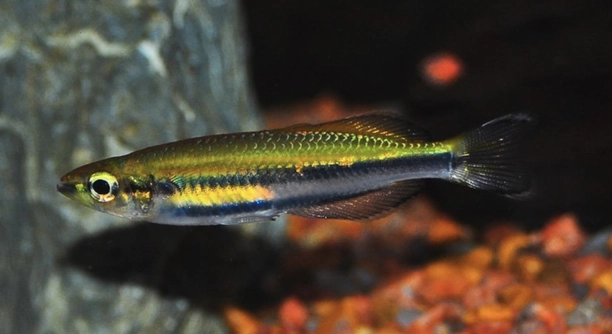
Many fish owners enjoy watching their aquatic pets swim gracefully, yet often overlook subtle signs of stress or discomfort that affect their overall mood. Small changes in their environment can make a noticeable difference in daily behavior and well-being.
Improving fish mood can be achieved through specific tank upgrades that enhance their environment. These include adding hiding spots, increasing swimming space, optimizing water quality, providing varied lighting, incorporating natural decorations, maintaining stable temperatures, and introducing enrichment elements that stimulate activity.
Enhancing your aquarium environment can create a healthier and more engaging habitat for your fish, encouraging natural behaviors and a more peaceful atmosphere.
Add Hiding Spots
Fish feel safer when they have places to hide. Rocks, caves, and plants give them shelter from bright lights or more aggressive tank mates. These spaces reduce stress and encourage natural behavior, such as exploring or resting quietly. Even small additions can make the tank feel more secure. Hiding spots also help shy fish gain confidence over time. Plants, both real and artificial, provide a dual benefit—they offer a place to hide and improve the tank’s visual appeal. Decorations should be arranged so fish can swim freely while still having access to cover. Avoid overcrowding, as too many items can limit movement. Observing your fish’s behavior after adding new spots can show whether they feel more comfortable. Each species has different needs, so consider the natural habitat of your fish when choosing shelters. Providing consistent, safe spaces will improve their mood and overall activity.
Providing hiding spots reduces stress and allows fish to feel more secure and confident in their tank environment.
Even small changes, like adding a few caves or plants, can lead to noticeable improvements in fish behavior. Over time, these enhancements promote more natural swimming patterns, less aggression, and greater overall well-being. Consistency is key, so maintain these spots and ensure they are clean, safe, and suited to the size and type of fish you have.
Optimize Water Quality
Poor water conditions can negatively affect fish mood and health. Maintaining proper filtration and performing regular water changes keeps the tank clean and balanced. Fish are sensitive to ammonia, nitrites, and pH changes, which can cause stress or illness. Using a reliable water test kit helps monitor levels consistently. Proper circulation ensures oxygen reaches all areas, supporting active behavior. Temperature stability is equally important, as sudden changes can shock fish and disrupt natural activity. Introducing live plants also contributes to better water quality by absorbing nitrates and producing oxygen. Cleaning the substrate regularly removes leftover food and waste, further improving the environment. Each adjustment, no matter how small, contributes to a more stable and comfortable habitat. By focusing on these elements, your fish will feel safer, more relaxed, and display healthier behavior patterns.
Maintaining water quality ensures a stable, stress-free environment, improving fish activity, appetite, and general well-being.
Increase Swimming Space
Giving fish more room to swim encourages natural activity and reduces stress from overcrowding. Spacious tanks allow fish to explore, exercise, and interact without feeling trapped, improving overall mood and vitality.
A larger tank or rearranged decorations can create open areas that let fish move freely. When space is limited, fish may become lethargic or display aggression. Removing unnecessary items or choosing compact decorations helps maximize swimming areas. Different species have different swimming needs; long-bodied fish need horizontal space, while taller species may prefer vertical depth. Observing how your fish use the space can guide further adjustments. Regularly assessing the tank layout ensures they continue to have room for exercise, exploration, and natural behaviors.
Open swimming areas also allow fish to establish territories and interact more naturally. A well-planned tank layout can reduce stress, prevent conflicts, and encourage active, healthy behavior. Continuous monitoring ensures adjustments meet changing needs as fish grow or their group changes. Providing space is a simple yet highly effective way to improve fish mood and overall tank harmony.
Introduce Varied Lighting
Varied lighting can simulate natural day and night cycles, reducing stress and promoting regular behavior patterns. Bright lights can encourage activity, while dim periods offer rest.
Using adjustable lights or timers helps maintain consistency. Different color spectrums may enhance plant growth or highlight fish colors. Sudden changes can startle fish, so gradual transitions are best. Observing fish response ensures lighting supports comfort and activity levels.
Lighting that mimics natural cycles helps regulate fish behavior, feeding patterns, and sleep. Overly harsh or constant light can increase stress, while subtle variation improves mood. Incorporating both bright and shaded areas allows fish to choose comfort zones, encouraging exploration without pressure. Adjusting intensity, timing, and placement creates a balanced environment that supports physical and mental well-being, fostering calmer, more active, and visually vibrant fish.
Incorporate Natural Decorations
Natural decorations like driftwood, rocks, and live plants provide hiding spots and visual interest. They mimic the fish’s natural habitat, helping reduce stress and encourage exploration.
These items also create boundaries that allow fish to establish territories. A mix of textures and shapes improves stimulation, making the tank environment more engaging.
Maintain Stable Temperatures
Consistent water temperature is crucial for fish comfort. Sudden changes can cause stress, illness, or erratic behavior. Monitoring heaters and thermometers ensures stable conditions.
Fish thrive when temperatures match their natural environment. Adjusting gradually during seasonal changes helps maintain equilibrium. Stable temperatures promote active swimming, proper digestion, and overall well-being, enhancing fish mood consistently.
Provide Enrichment Elements
Adding toys, floating objects, or feeding puzzles keeps fish mentally stimulated. Enrichment prevents boredom, encourages natural behaviors, and reduces stress.
Introducing new textures, shapes, or objects periodically maintains curiosity. Observing fish interactions with these items helps determine which enrichments are most effective and engaging.
FAQ
How do hiding spots improve fish mood?
Hiding spots reduce stress by giving fish places to retreat when they feel threatened or need rest. Fish use these areas to feel safe, which encourages natural behavior. Rocks, caves, and plants can all serve as hiding spots, helping shy or territorial species gain confidence and maintain calmer interactions.
Can tank size affect fish behavior?
Yes, a tank that is too small can limit movement, increase aggression, and cause stress. Fish need adequate space to swim freely and establish territories. Rearranging decorations or upgrading to a larger tank creates open areas that allow for exploration, exercise, and healthier interactions among fish.
What role does water quality play in fish mood?
Clean, stable water is essential for fish health and mood. Ammonia, nitrites, and pH fluctuations can stress fish, making them lethargic or prone to disease. Regular testing, proper filtration, and scheduled water changes maintain a balanced environment, encouraging active behavior and reducing stress.
How does lighting affect fish behavior?
Lighting influences activity patterns, feeding, and overall comfort. Bright lights stimulate activity, while dimmer periods allow rest. Using timers and gradual transitions helps replicate natural day and night cycles. Different light spectrums can highlight fish colors and support plant growth, creating a healthier and more engaging environment.
Why are natural decorations important?
Driftwood, live plants, and rocks mimic a fish’s natural habitat. They provide hiding places, reduce stress, and create boundaries for territories. Natural decorations also encourage exploration and activity. A well-arranged mix of shapes and textures offers mental stimulation, making the tank environment more engaging and enriching for fish.
How do stable temperatures influence fish health?
Fish are sensitive to sudden temperature changes, which can cause stress, illness, or erratic behavior. Maintaining a consistent temperature matching their natural environment helps digestion, swimming, and social behavior. Gradual adjustments during seasonal changes keep fish comfortable and support long-term well-being.
What are enrichment elements and why are they needed?
Enrichment elements are objects or activities that stimulate fish mentally and physically. Floating toys, feeding puzzles, or textured surfaces encourage natural behaviors like foraging and exploration. Regularly introducing new items prevents boredom, reduces stress, and improves mood. Observing how fish interact with these elements helps identify what works best.
How often should I rearrange the tank?
Rearranging the tank occasionally provides stimulation and keeps fish engaged. Small changes like moving plants, rocks, or decorations create new paths and hiding spots without causing stress. Avoid frequent drastic changes, as fish need time to adapt. Balanced adjustments promote curiosity and active swimming behaviors.
Do all fish species need the same upgrades?
No, each species has unique needs. Some require more swimming space, others need dense vegetation or caves. Understanding the natural habitat and behavior of your fish ensures that upgrades are appropriate, enhancing comfort, reducing stress, and promoting healthier, happier fish.
Can enrichment improve fish social interactions?
Yes, enrichment encourages fish to explore, establish territories, and interact naturally. Providing diverse hiding spots, swimming areas, and objects reduces aggression and stress, promoting cooperative or peaceful behaviors. Active and engaged fish are generally healthier and display more natural social behaviors in their tank.
How can I tell if an upgrade is working?
Observe changes in behavior, appetite, and activity. Fish that explore more, swim confidently, or display normal feeding patterns indicate a positive response. Reduced hiding, less aggression, and calmer movement suggest that upgrades are improving mood and overall well-being.
Are live plants better than artificial ones?
Live plants offer additional benefits like oxygen production and nitrate absorption, improving water quality. Artificial plants provide shelter and decoration without the need for maintenance. A combination can work well, providing both enrichment and practical benefits while keeping fish comfortable and engaged.
What is the most effective way to improve fish mood quickly?
Focus on basic environmental factors first: water quality, stable temperature, and adequate space. Adding hiding spots, natural decorations, and enrichment elements enhances comfort. Gradual changes, rather than sudden shifts, allow fish to adapt and show improved behavior over time, leading to calmer, more active, and happier fish.
How can I prevent stress when upgrading the tank?
Introduce new items slowly, monitor water quality, and avoid sudden changes in temperature or lighting. Observing fish reactions helps ensure they adjust well. Consistent care and gradual improvements make upgrades effective without causing additional stress, supporting long-term well-being and a balanced tank environment.
Can feeding practices influence fish mood?
Yes, varied diets and feeding enrichment improve mental stimulation and overall mood. Using feeding puzzles or scattering food encourages natural foraging behavior. Regular, balanced meals support energy, reduce stress, and prevent aggression, contributing to happier and healthier fish.
How often should I check the tank after upgrades?
Frequent observation during the first few weeks after any upgrade is essential. Watch swimming patterns, interactions, and feeding behavior. Adjust as needed to ensure that the new additions benefit fish comfort and engagement, allowing them to adapt safely and remain stress-free.
Do small fish need the same attention as larger species?
Yes, all fish require proper water quality, space, temperature, and enrichment. While the specifics may vary, neglecting small fish can cause stress, illness, or poor behavior. Ensuring appropriate care for every size and species maintains mood, health, and a thriving tank environment.
How do I balance aesthetics with fish comfort?
Choose decorations that provide hiding spots, swimming space, and enrichment while complementing the tank visually. Avoid overcrowding, ensure open areas, and maintain clean water. Prioritizing fish well-being over appearance ensures a functional, healthy, and attractive environment that supports mood and behavior naturally.
What signs indicate ongoing stress despite upgrades?
Persistent hiding, lethargy, loss of appetite, or aggression may indicate that the environment is still stressful. Check water quality, temperature, tank size, and social dynamics. Adjustments or additional enrichment may be needed to create a balanced and comfortable space for all fish.
Final Thoughts
Creating a healthy and comfortable environment for fish is essential for their overall well-being. Simple upgrades like adding hiding spots, increasing swimming space, and introducing natural decorations can have a noticeable impact on fish behavior. Fish that feel safe and stimulated are more likely to display natural behaviors, explore their tank confidently, and interact positively with tank mates. Even small changes, such as rearranging decorations or adding a few plants, can reduce stress and encourage activity. Over time, these improvements contribute to a more peaceful and balanced aquarium. Observing fish carefully after each change allows you to see which upgrades are most effective and helps ensure that their needs are being met consistently.
Water quality and stable temperature are also critical factors that influence fish mood. Clean, well-maintained water reduces stress and prevents disease, while a consistent temperature ensures that fish remain comfortable and active. Filtration, regular water changes, and proper monitoring of water parameters help maintain a balanced environment. Lighting and enrichment elements further enhance the tank by mimicking natural conditions and providing mental stimulation. Using adjustable lighting and introducing objects like floating toys or feeding puzzles encourage natural behaviors and curiosity, keeping fish engaged. When combined, these elements create a harmonious and healthy space that promotes both physical and emotional well-being. Paying attention to each detail demonstrates care and commitment to maintaining a supportive environment for your fish.
Fish thrive in environments that provide stability, stimulation, and safety. Upgrades that focus on these aspects can improve mood, reduce stress, and support natural behaviors. Consistent care and observation are essential, as each species has unique needs that must be considered. By investing time in creating an appropriate habitat, fish can live healthier, more active, and more content lives. Enhancing the tank through thoughtful upgrades not only benefits the fish but also creates a more enjoyable and visually appealing aquarium. Overall, small adjustments can have significant effects, making the tank a space where fish feel secure, engaged, and comfortable on a daily basis.

Hello,
If you enjoy the content that we create, please consider saying a "Thank You!" by leaving a tip.
Every little bit helps us continue crafting quality advice that supports the health, happiness, and well-being of pets around the world, for pets of all shapes, sizes, and species.
We really appreciate the kindness and support that you show us!