
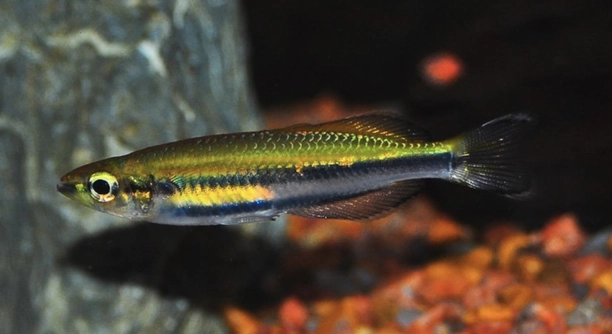
Rainbowfish are small, vibrant freshwater fish that brighten up any aquarium. Their playful swimming and curious nature make them a favorite among hobbyists. However, their natural curiosity can sometimes lead them to mistake objects for food in the tank.
Rainbowfish may mistake small floating debris, plant matter, or brightly colored objects for food due to their instinctive feeding behavior. They are attracted to movement and appearance, which can lead to nibbling on non-edible items, affecting their health and water quality.
Identifying common objects that rainbowfish confuse with food can help maintain a safe and healthy aquarium environment for them. Awareness of these items ensures proper care and prevents accidental ingestion.
Air Bubbles
Air bubbles rising from filters or aeration devices often catch the attention of rainbowfish. They mistake these moving bubbles for small prey or floating particles and may chase or nibble at them repeatedly. While harmless, this behavior can indicate the fish’s natural curiosity and instinct to explore anything moving in their environment. I’ve noticed my rainbowfish spend several minutes following a stream of bubbles, sometimes ignoring food. This reaction is normal, but excessive attention to bubbles can reduce feeding efficiency. Keeping bubbles steady and not overly turbulent ensures the fish can distinguish between actual food and harmless water movement. Watching their behavior around these bubbles helps me gauge their energy and alertness, offering insight into overall tank health. Adjusting aeration and observing responses can make feeding more effective and reduce unnecessary stress for the fish, keeping the tank peaceful.
Air bubbles are mostly harmless but can distract rainbowfish from proper feeding routines.
Consistent observation of bubble activity helps maintain an organized feeding schedule. Adjusting filter flow prevents excessive stress while still providing oxygenation. When bubbles are controlled, rainbowfish focus more on flakes or pellets instead of chasing constant streams, reducing accidental overexertion. Clear water and steady bubbles also highlight other tank changes, like floating plant matter or debris. Over time, this balance supports natural feeding behavior, improving digestion and energy levels. Simple adjustments to aeration can create a calmer environment, letting rainbowfish thrive without unnecessary distractions. Proper placement of air stones and filters ensures adequate oxygenation while minimizing movement that might confuse the fish. A stable setup allows better interaction with actual food, encouraging healthier growth and consistent activity patterns. Observing how fish respond to bubble size and speed can guide future tank setup decisions and maintain a balanced aquatic habitat.
Small Insects
Occasionally, tiny insects fall into the aquarium and attract rainbowfish. They see the insects as natural prey and eagerly snap at them.
While insects provide protein, they should be monitored to avoid contamination or overfeeding.
Introducing live insects requires caution. Not all insects are safe, and some may carry bacteria or pesticides. Offering controlled quantities can supplement nutrition but should not replace the regular diet. Observing which types of insects the fish prefer helps guide safer feeding practices. I often notice that rainbowfish favor moving insects, reflecting their natural hunting instincts. Over time, these interactions improve their agility and alertness, but care is essential to maintain water cleanliness. Removing uneaten insects prevents decay and maintains tank hygiene. Using insect feeders or ensuring insects are sourced from safe environments minimizes health risks while allowing the fish to enjoy a protein boost. Monitoring feeding responses allows adjustment in portion sizes, preventing excess and keeping the fish energetic.
Tiny Food Particles
Even small leftover flakes or pellet crumbs can attract rainbowfish between meals. They will pick at these pieces constantly, treating them like regular food. Uneaten particles can accumulate, affecting water quality and encouraging bacterial growth if not removed promptly.
Regular feeding and careful portion control reduce leftover particles. I often notice that my rainbowfish focus more on scattered crumbs than on fresh food, highlighting the importance of monitoring portions. Vacuuming the tank and removing uneaten pieces keeps the environment clean. Observing how much the fish consume at each feeding helps adjust amounts, preventing overfeeding. Proper portioning ensures the fish get necessary nutrition while maintaining tank cleanliness and water quality.
Leftover food particles, though small, can disrupt the tank ecosystem. Consistent cleaning prevents water issues.
Keeping track of leftover crumbs improves overall tank health. Removing debris and monitoring feeding habits helps rainbowfish maintain balanced diets. Scattered food can be tempting, but consistent feeding schedules and portion control reduce reliance on these particles. Over time, the fish learn to recognize their proper food, leading to healthier digestion and energy levels. Maintaining a clean substrate and removing leftovers also prevents algae growth and harmful bacteria. Observing their eating patterns allows for better adjustments in portion size, ensuring each fish receives sufficient nutrition without compromising tank cleanliness or water clarity.
Small Floating Debris
Floating debris from plants or decorations can attract rainbowfish, as they instinctively investigate moving objects. They often nibble on harmless fragments, mistaking them for food.
Monitoring debris ensures fish do not consume excessive non-food items.
Keeping the tank free from excess particles is important for both water quality and fish health. I notice my rainbowfish frequently chase floating bits, which sometimes distracts them from feeding. Regular surface skimming and removing small debris reduce these interactions and maintain a healthy environment. Observing how fish react to different floating objects provides insight into their feeding habits and curiosity levels. Controlled removal prevents accidental ingestion and minimizes potential digestive issues. Maintaining a balanced environment ensures that the fish remain active, focused on proper nutrition, and less stressed by non-food items.
Tiny Floating Seeds
Seeds that fall into the aquarium often catch the attention of rainbowfish. They peck at these small objects, mistaking them for food.
Even though seeds are not harmful in small amounts, they can cloud the water or decompose if left uneaten.
Shiny Objects
Rainbowfish are drawn to shiny or reflective objects in the tank, such as small decorations or metallic fragments. Their natural curiosity and attraction to light cause them to investigate and nibble. I’ve noticed my fish spend extra time around bright beads or tiny reflective stones, often ignoring prepared food until the objects are moved. While harmless, repeated nibbling on such items can distract from proper feeding and may lead to occasional accidental ingestion of non-food materials. Arranging decorations carefully and observing their behavior ensures the fish remain focused on their diet while still enjoying exploration.
Soap Residue
Soap or cleaning residues on tank equipment can be mistaken for food if not rinsed properly. Even trace amounts can irritate fish and affect water quality.
FAQ
What should I do if my rainbowfish keeps pecking at non-food items?
It is normal for rainbowfish to investigate everything in their tank. Observing their behavior and ensuring they have a balanced diet is important. Removing excess debris, uneaten food, and small floating objects reduces distractions and accidental ingestion. I often notice that when the tank is clean and feeding is consistent, the fish focus more on their actual food.
Can eating small gravel pieces harm rainbowfish?
Occasionally, small gravel ingestion may not cause immediate harm, but repeated consumption can lead to digestive blockages or stress. Using appropriately sized substrate and vacuuming excess pieces minimizes risk. Adjusting feeding routines also reduces the likelihood of them mistaking gravel for food. Watching their pecking habits helps identify any problems early.
Are tiny insects safe for rainbowfish?
Small insects can provide extra protein, but only certain types are safe. Avoid insects from outdoors that may carry pesticides or bacteria. Controlled introduction of live insects or commercially sourced insects is safer. I’ve observed my rainbowfish eagerly pursue moving insects, which boosts their activity and mimics natural feeding behavior. Always remove uneaten insects to prevent decay and water contamination.
Why do rainbowfish nibble at air bubbles?
Bubbles from filters or aeration devices move in ways that mimic small prey. Rainbowfish may chase or nibble at them due to instinct, which is harmless. Maintaining steady, moderate aeration prevents excessive distraction and stress. I notice that when the bubbles are steady and gentle, the fish return to normal feeding more quickly.
How do leftover food particles affect rainbowfish?
Uneaten flakes or pellets can attract constant pecking and disturb water quality. Regular portion control and timely removal of leftovers prevent overfeeding and reduce bacterial growth. Monitoring how much the fish eat at each feeding helps adjust portions. My experience shows that a clean tank with controlled feeding leads to healthier digestion and more active fish.
What can I do about shiny or reflective objects in the tank?
Rainbowfish are naturally curious and attracted to bright or reflective objects. This may distract them from proper feeding. Arranging decorations carefully and removing small shiny fragments keeps the focus on food. Observing their interactions with decorations helps maintain balance, allowing exploration without risking accidental ingestion.
Is soap residue dangerous for rainbowfish?
Even trace amounts of soap or cleaning agents can irritate rainbowfish and harm water quality. Thorough rinsing of equipment and decorations is essential. I always double-check that nothing has soap residue before placing it back in the tank. Clean, safe items prevent stress, maintain water clarity, and ensure the fish remain healthy.
How often should I clean the tank to prevent accidental ingestion?
Frequent maintenance is key. Skimming the surface, vacuuming the substrate, and removing uneaten food at least once a week keeps the tank safe. Regular cleaning minimizes exposure to non-food objects, reduces stress, and supports proper feeding behavior. My rainbowfish are noticeably more active and healthier in a well-maintained environment.
Can floating plant debris be harmful?
Small amounts are mostly harmless, but too much debris can cloud water and encourage bacteria. Skimming the surface regularly keeps debris in check. Observing how rainbowfish interact with floating plant matter allows adjustments to feeding and cleaning routines, maintaining a balanced, safe tank.
Do rainbowfish need specific food to reduce accidental nibbling?
A balanced diet with high-quality flakes or pellets helps reduce the tendency to nibble on non-food items. Proper nutrition keeps the fish satisfied and focused on their meals. I make sure feeding schedules are consistent, and the fish quickly learn what is edible, reducing accidental ingestion and improving overall health.
Rainbowfish are naturally curious and energetic fish that explore their surroundings constantly. This curiosity often leads them to investigate and nibble on objects that resemble food. Floating plant debris, tiny gravel pieces, small insects, air bubbles, and even shiny decorations can catch their attention. While most of these items are harmless in small amounts, repeated ingestion or overexposure may create stress or digestive issues. Maintaining a clean and organized tank is essential for their well-being. Regularly skimming the water surface, vacuuming the substrate, and removing uneaten food or plant material helps reduce distractions and accidental ingestion. Observing how rainbowfish interact with their environment can provide valuable insight into their feeding habits and overall health. Over time, consistent monitoring and care allow them to distinguish between edible food and non-food items, ensuring they remain healthy and active in the aquarium.
Providing a balanced diet is another key factor in preventing accidental nibbling on non-food objects. High-quality flakes, pellets, or controlled amounts of live or frozen insects provide the nutrients rainbowfish need. When they are well-fed, they are less likely to peck at gravel, floating debris, or other items that could harm them. Portion control also helps maintain water quality by reducing leftover food that can decay and create bacterial growth. I have found that keeping a regular feeding schedule and monitoring how much the fish consume at each meal makes a significant difference in their focus on proper food. Additionally, ensuring that objects in the tank, such as decorations and equipment, are safe and free of residues like soap or chemicals further supports a healthy environment. These practices help create a tank where rainbowfish can thrive while minimizing risks associated with accidental ingestion.
Finally, small adjustments in tank care and feeding routines can have a noticeable impact on rainbowfish health and behavior. Controlling aeration flow, removing excess debris, arranging decorations carefully, and maintaining clear water all contribute to a safer environment. Watching the fish closely allows for timely interventions if they begin focusing too much on non-food objects. Over time, consistent attention to these details not only reduces stress but also encourages natural, healthy behaviors. I have noticed that when their surroundings are well-managed and they receive proper nutrition, rainbowfish are more active, colorful, and responsive. Creating this balanced environment requires patience and attention but ultimately ensures the long-term health and vitality of the fish. Maintaining a clean, well-fed, and safe tank allows rainbowfish to enjoy their natural instincts without compromising their health or the quality of their aquarium habitat.

Hello,
If you enjoy the content that we create, please consider saying a "Thank You!" by leaving a tip.
Every little bit helps us continue crafting quality advice that supports the health, happiness, and well-being of pets around the world, for pets of all shapes, sizes, and species.
We really appreciate the kindness and support that you show us!