
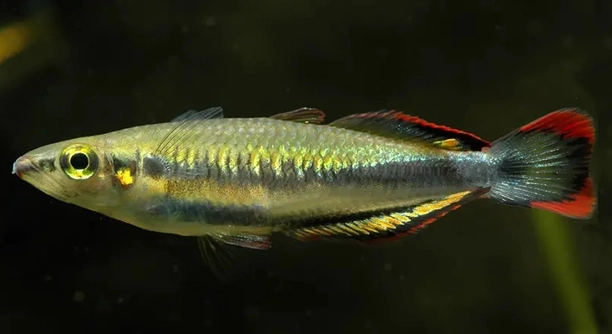
Have you ever searched for the right companions for your Madagascar rainbowfish, wanting a peaceful aquarium that supports calm behavior, balanced interactions, and a comfortable environment where each fish can thrive without stress or conflict?
Selecting suitable tank mates for Madagascar rainbowfish involves choosing peaceful, similarly sized species that match their active swimming style. These compatible companions help maintain stability, reduce territorial behavior, and support a harmonious environment that promotes long term health and safety.
This guide shares compatible options that enhance stability in your tank, offering support for creating a calm and dependable environment.
Boesemani Rainbowfish
Boesemani rainbowfish work well with Madagascar rainbowfish because they share a similar pace and calm nature. Their steady movements support a balanced atmosphere that allows your tank to feel orderly and active without creating tension. Keeping them together helps spread activity evenly across the aquarium, making the environment feel less crowded. These fish appreciate open swimming areas, and pairing them creates a smooth flow that benefits both species. Their matching temperaments reduce aggressive behavior, letting your Madagascar rainbowfish stay relaxed throughout the day. With consistent water care and space that supports free swimming, both species settle easily. Their colors stand out even more when grouped, adding gentle contrast without overwhelming the tank. This pairing is ideal when you want stability mixed with light activity. Careful feeding, clean water, and steady routines keep this combination thriving, offering an easy option that fits well in a peaceful aquarium for first time keepers.
Keeping Boesemani rainbowfish with Madagascar rainbowfish supports calm interactions and steady movement in your tank. Their similar pace and gentle behavior help prevent stress, allowing both species to stay active without overwhelming one another. This pairing strengthens balance while keeping the aquarium environment stable and dependable for long term comfort.
Boesemani rainbowfish adapt well to shared environments, which makes them a practical choice when planning a peaceful tank with Madagascar rainbowfish. Their similar needs simplify maintenance, helping you keep routines manageable without constant adjustments. They thrive in clean water, steady temperatures, and open swimming spaces that allow smooth movement. Both species respond positively to stable conditions, making it easier to prevent tension during feeding or active periods. When introduced carefully, they settle quickly and create an aquarium that feels calm and coordinated. This pairing supports healthy behavior and makes your tank feel more organized while still offering gentle activity daily.
Harlequin Rasboras
Harlequin rasboras match Madagascar rainbowfish well due to their calm nature and steady schooling style. They move lightly through the tank, reducing pressure on more active fish. Their peaceful behavior supports a balanced atmosphere that keeps interactions smooth and prevents unnecessary tension in a shared community setup for added stability.
Harlequin rasboras are dependable tank mates for Madagascar rainbowfish because they swim calmly, stay in tight groups, and avoid disruptive behavior that can create stress. Their gentle movement helps maintain a smooth rhythm in the aquarium, especially when paired with species that rely on consistent patterns to feel safe. These rasboras appreciate stable water conditions, soft lighting, and open areas where they can glide without interruption. Their presence spreads activity evenly across the tank, which helps keep bolder fish from dominating space. When introduced properly, they settle quickly and remain peaceful during feeding, allowing your Madagascar rainbowfish to enjoy a steady environment. Their colors add subtle visual interest without overwhelming brighter species, creating a well balanced setup. Harlequin rasboras also handle community arrangements well, making care routines easier for you. Their predictable behavior supports harmony, helping you maintain an aquarium that feels coordinated and calm. This combination is especially helpful when you want active movement that does not create tension. By providing clean water, regular feeding, and dependable maintenance, you give both species the stability they need to thrive. This pairing becomes a straightforward and effective option that fits comfortably into a peaceful aquarium layout.
Dwarf Neon Rainbowfish
Dwarf neon rainbowfish work well with Madagascar rainbowfish because they move calmly and keep a steady pace that does not overwhelm the tank. Their peaceful behavior helps maintain order, and their compact size prevents crowding, keeping interactions smooth while supporting balanced activity in shared spaces.
Dwarf neon rainbowfish settle quickly when provided clean water, open swimming areas, and steady lighting that supports relaxed behavior. Their calm movements help reduce unnecessary stress, making them a practical addition when you want predictable activity. They respond well to stable temperatures and gentle filtration, which creates the consistency both species prefer. When introduced gradually, they develop steady routines and avoid territorial behavior. This pairing functions smoothly because neither fish dominates or disrupts the other. Their subtle colors blend nicely with Madagascar rainbowfish, adding interest without creating visual clutter. Together, they form a dependable combination that supports balance in a lightly active tank.
Maintaining dwarf neon rainbowfish is simple when you focus on stable water quality and regular feeding that avoids competition. Their cooperative nature makes it easier to manage tank dynamics without frequent adjustments. Both species appreciate areas with open flow, allowing them to swim freely without conflict. Their shared need for predictable conditions makes care routines straightforward, keeping stress levels low. When provided adequate space, they navigate the tank effortlessly, creating a calm environment that benefits all tank mates. This pairing is ideal when you want movement that remains organized, steady, and easy to manage daily.
Cherry Barbs
Cherry barbs support a calm setup by keeping to themselves and avoiding behaviors that create tension. Their gentle swimming style helps distribute activity evenly, giving Madagascar rainbowfish room to move without feeling pressured. This creates a relaxed atmosphere that stays stable throughout daily routines and feeding times.
Cherry barbs thrive alongside Madagascar rainbowfish because their behavior stays predictable and peaceful. They swim in small groups, which helps maintain structure without overwhelming other species. Their modest size prevents crowding, and they rarely compete aggressively for space or food. Clean water, quiet lighting, and plants that offer simple shelter help them stay comfortable. Their subtle red tones add gentle color without clashing with larger species. When conditions stay consistent, they adapt quickly and contribute to a balanced environment. This pairing works well when you want steady movement, low stress, and a dependable community setup that stays manageable with regular maintenance.
Praecox Rainbowfish
Praecox rainbowfish fit well with Madagascar rainbowfish because they stay calm and avoid disruptive behavior. Their steady swimming style keeps the environment balanced, and their compact size helps maintain comfortable spacing in shared areas, allowing both species to move freely without creating unnecessary tension in the tank.
Their peaceful nature makes them easy to manage, especially when water conditions remain stable. They adapt quickly, follow predictable routines, and stay active without overwhelming other fish. This combination helps maintain order, making it easier to support a calm community setup with consistent care and simple feeding practices.
Rummy Nose Tetras
Rummy nose tetras suit Madagascar rainbowfish because they school tightly and move smoothly through the tank, which helps maintain structure and prevents chaos during active periods. Their predictable behavior supports calm interactions, and their gentle temperament reduces territorial issues. They also respond well to clean water, steady lighting, and mild currents that allow coordinated movement. This pairing remains stable when the tank layout offers open areas for swimming and simple shelter where tetras can regroup. Their presence spreads activity evenly, helping your Madagascar rainbowfish stay relaxed without feeling crowded or pressured during feeding or daily movement.
Lemon Tetras
Lemon tetras provide gentle activity that does not disturb Madagascar rainbowfish. Their calm schooling behavior keeps movement orderly, and their bright but subtle coloring adds interest without overwhelming the tank. They settle easily when water conditions stay steady, helping maintain a peaceful and manageable community setup.
FAQ
What tank size works best when keeping Madagascar rainbowfish with tank mates?
A spacious setup is important because it supports smooth movement and reduces stress. A minimum of 55 gallons keeps activity balanced and prevents disputes over space. Larger tanks offer better flow and more room for swimming, which helps every species stay comfortable. Extra space also prevents overcrowding during feeding and active periods.
How many Madagascar rainbowfish should be kept together for stable behavior?
They feel more secure in groups of six or more. A larger group spreads activity evenly and reduces pressure on individual fish. This helps them maintain steady routines, lowers stress, and prevents skittish behavior. A proper group size also keeps them active without creating too much competition.
Are Madagascar rainbowfish aggressive toward smaller species?
They are mostly peaceful, but their active swimming style can intimidate smaller fish if the tank is too crowded. Giving them open areas and avoiding species that hide constantly helps maintain harmony. Proper spacing, steady filtration, and calm tank mates prevent unnecessary tension in shared environments.
What water conditions help Madagascar rainbowfish stay stable with tank mates?
They thrive in clean, well oxygenated water with steady parameters. Warm temperatures, balanced pH, and moderate flow support healthy behavior. Keeping nitrate levels low helps maintain calm interactions. Regular maintenance keeps stress levels minimal and allows all species to coexist comfortably without instability.
Do Madagascar rainbowfish require specific feeding routines when kept with other species?
They benefit from predictable feeding times and a mix of small floating foods. Offering enough food for everyone without overfeeding helps control competition. Spreading food across the tank prevents crowding. This keeps interactions smooth and prevents strong fish from dominating mealtimes.
Can bottom dwellers live safely with Madagascar rainbowfish?
Many bottom dwellers work well, especially calm species that stay out of the way. Since Madagascar rainbowfish occupy higher areas, bottom dwellers can move freely without interference. Proper hiding spots help them feel secure. Keeping the environment clean supports peaceful behavior between levels.
Do bright tank mates stress Madagascar rainbowfish?
They can handle colorful species as long as behavior stays calm. Avoid overly flashy fish that display dominant patterns or rush around the tank. Subtle colors blend more smoothly and reduce visual tension. Balanced lighting also helps keep reactions mild and predictable.
How can you reduce stress when introducing new tank mates?
Slow introductions keep transitions gentle. Floating the bag, using a gradual water mix, and letting new arrivals settle helps prevent shock. Rearranging decorations disrupts territorial patterns. Watching early interactions ensures the group stays relaxed. These small steps help maintain calm behavior.
What should you avoid when selecting tank mates for Madagascar rainbowfish?
Avoid aggressive fish, fin nippers, or species that outcompete them. Also avoid fish that move too quickly or hide constantly, since this creates tension. Choosing peaceful species that enjoy open swimming makes care easier and keeps tank dynamics steady throughout the day.
Is a planted tank helpful for keeping Madagascar rainbowfish with other species?
Plants offer structure and create separate spaces without restricting movement. They soften lighting and keep fish calm. Open sections help active swimmers, and planted corners offer shelter for shy species. Balanced layouts make it easier for all tank mates to navigate without conflict.
Can Madagascar rainbowfish live with shrimp or small invertebrates?
They may chase very small shrimp, especially young ones. Larger shrimp can coexist if there are enough hiding spots. Dense plants and simple shelters increase survival rates. Keeping the tank stable helps reduce curiosity driven chasing, but caution is still important when mixing these species.
What signs show that a tank mate is not suitable?
Stress signs include rapid hiding, fin nipping, chasing, or uneven territory use. When movement becomes chaotic or certain fish avoid open areas, compatibility may be low. Observing early interactions helps you adjust the setup before problems escalate. Stable behavior indicates a good match.
Final Thoughts
Creating a peaceful tank for Madagascar rainbowfish depends on choosing species that support calm behavior, steady movement, and predictable patterns. These fish respond strongly to the environment around them, so selecting tank mates that avoid disruptive actions helps maintain stability. When the tank remains balanced, your Madagascar rainbowfish stay confident, active, and comfortable. Using species that share similar needs shapes a space that feels clear and organized, which reduces stress and prevents rushed swimming. A good mix of compatible species also spreads activity throughout the tank, so no single area becomes crowded. With thoughtful planning, your aquarium becomes a space that supports every fish equally. This approach lets the natural beauty of your Madagascar rainbowfish stand out without conflict or tension affecting their behavior. When the tank feels open and predictable, it becomes easier to maintain a routine that supports long term health and comfort.
A well managed tank also depends on consistency. Clean water, gentle flow, and stable lighting give all species a dependable environment where they can settle into a calm rhythm each day. When your care routine stays steady, your Madagascar rainbowfish respond with relaxed behavior and even coloration. Compatible tank mates contribute positively by following simple routines of their own, using the same open areas without competing aggressively. This balance makes feeding easier, keeps movement controlled, and lowers the chance of territorial behavior. The species mentioned earlier work well together because they focus more on swimming than on claiming space. Their mild nature helps maintain the structure your aquarium needs. When each species behaves predictably, the entire tank feels peaceful, organized, and easy to maintain. Your involvement then becomes focused on gentle upkeep instead of constant problem solving, which keeps care simple and manageable.
The choices you make while planning your community tank play an important role in the long term success of your Madagascar rainbowfish. When you select tank mates that respect space, swim gently, and adapt easily, you build an environment that stays steady and enjoyable to watch. Thoughtful species selection also supports cleaner interactions, easier feeding routines, and fewer adjustments to the tank layout. This calm setting encourages healthy behavior and prevents unnecessary stress that might appear when fish feel pressured. A peaceful aquarium becomes more than just a collection of fish. It becomes a stable space where each species contributes to a smooth atmosphere. With steady care, a predictable schedule, and compatible tank mates, your Madagascar rainbowfish can thrive daily. Their bright presence and graceful movements become more noticeable when they feel at ease, creating a tank that remains pleasing, manageable, and reliable over time.

Hello,
If you enjoy the content that we create, please consider saying a "Thank You!" by leaving a tip.
Every little bit helps us continue crafting quality advice that supports the health, happiness, and well-being of pets around the world, for pets of all shapes, sizes, and species.
We really appreciate the kindness and support that you show us!