
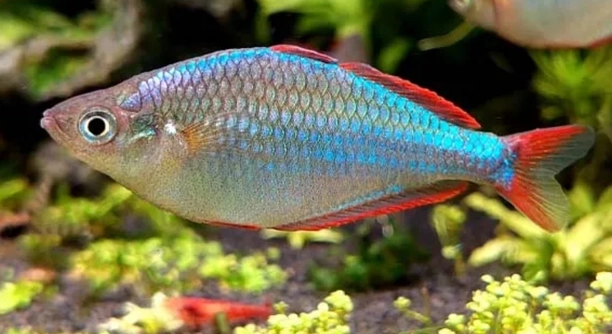
Rainbow fish are known for their vibrant colors and graceful movements in the water. However, sometimes you may notice them swimming in place for extended periods. This behavior can seem unusual but is common for certain species.
The primary reason rainbow fish swim in place is due to their natural behavior patterns and environmental factors. Some species prefer to hover in one spot, especially in areas with strong currents or when they feel secure in their habitat.
This behavior can indicate a healthy fish adjusting to its environment. Understanding these factors can help ensure your rainbow fish stay happy and healthy in their aquatic home.
Why Do Rainbow Fish Swim in Place?
Rainbow fish are often seen swimming in place for extended periods, especially when they are in areas with strong water currents. This behavior is part of their natural tendency to stay in one spot, conserving energy or taking advantage of the environment. Some species are simply more inclined to hover rather than constantly swim.
Their behavior may also be influenced by their surroundings, such as the presence of other fish or specific environmental conditions. If there is food nearby, they may stay in place, awaiting their next meal. Additionally, if they are in a safe area with little disturbance, they might remain stationary as they feel no need to roam.
It’s important to observe their overall health and make sure they are in a stable environment. Excessive stillness could also signal stress, so it’s essential to consider all aspects of the tank’s conditions. A healthy fish will usually move around but may occasionally hover in place when it feels secure and comfortable.
How to Tell If It’s a Problem
If your rainbow fish are constantly swimming in place and not moving at all, it could be a sign of stress or poor water quality. A healthy fish typically stays active and explores its environment.
Make sure the tank is well-maintained and that water parameters, like temperature and pH, are optimal for the species. Lack of movement can also stem from overcrowding or competition for food, which can make the fish feel uncomfortable and lead to less swimming. On the other hand, if the tank conditions are right, your rainbow fish may simply be taking a break. Keep an eye on other signs of distress, such as loss of color or a decrease in appetite.
A quick check on the water quality and tank setup can rule out environmental issues. If all factors are in balance, then the behavior may be completely normal for the species.
Tank Setup and Environment
The setup of your aquarium plays a major role in how rainbow fish behave. Proper water flow, hiding spots, and overall space can either encourage swimming or cause the fish to stay in one area.
If your tank has strong currents, rainbow fish may naturally swim in place to stay steady. They are well adapted to currents in the wild and may feel more comfortable in these conditions. On the other hand, a tank with stagnant water may make the fish feel stressed, leading them to hover in place for safety. Make sure the water is properly circulated to mimic their natural habitat.
Additionally, rainbow fish often enjoy having plants and decorations to hide around. Too few hiding spots can cause them to feel insecure, leading to more stationary behavior. Providing some shelter and areas to explore will help them feel comfortable enough to move around the tank more freely.
Diet and Feeding Habits
Feeding plays an important role in your rainbow fish’s activity levels. They might stay still when food is present, waiting for the right moment to swim to it.
Rainbow fish are known for their active feeding habits, especially when food is scattered throughout the tank. If they are hovering in one spot, they may be waiting for food to come to them. It’s a natural behavior that ensures they conserve energy. This behavior is typical during feeding times or when you’re introducing new food. They may swim in place in anticipation or while they figure out the best way to get to their meal.
If the fish are consistently hovering even outside of feeding times, it may be worth checking the frequency and types of food you provide. Some rainbow fish species prefer live food, which can stimulate more activity. Experiment with different feeding practices to see what encourages more swimming behavior.
Water Quality and Temperature
Water quality is crucial for maintaining the health of rainbow fish. Poor water conditions can lead to stress, causing them to swim in place or become less active.
Make sure to regularly check the temperature, pH levels, and ammonia levels in your tank. Clean water encourages more natural movement and behavior in your fish.
Keeping the tank well-maintained with frequent water changes is essential. Rainbow fish thrive in stable water conditions, so make sure the temperature stays consistent and within the appropriate range for the species.
Social Behavior and Tank Mates
Rainbow fish are generally peaceful but can be influenced by their tank mates. Overcrowding or aggressive companions might make them stay in one spot.
When rainbow fish feel threatened or stressed by other tank members, they tend to reduce movement. Make sure your fish have enough space and aren’t competing too much for resources like food or territory. It’s important to choose peaceful companions for them.
If your rainbow fish is swimming in place due to social pressure, rearranging the tank or separating aggressive fish might help them feel safer.
FAQ
Why do rainbow fish swim in place for long periods?
Rainbow fish may swim in place for several reasons. It could be due to natural behavior, where some species prefer hovering in the current or staying in one spot for safety. If there’s enough space and food in the tank, they may stay still while feeling secure. Additionally, they may do this to conserve energy or because the current in the water is strong enough to keep them in place. It’s not always a sign of stress, but you should check if other factors, like water quality or tank mates, are causing the behavior.
Can rainbow fish swim in place because of stress?
Yes, stress can cause rainbow fish to swim in place or show a decrease in movement. Stress may stem from poor water quality, overcrowding, or the presence of aggressive tank mates. If your rainbow fish is stressed, it might feel the need to stay still to avoid further agitation. You should evaluate your tank’s environment and water conditions to ensure they are comfortable and healthy. Addressing any stress factors quickly can help encourage more natural movement.
How do I know if my rainbow fish is healthy?
Healthy rainbow fish are active, have bright colors, and swim freely throughout the tank. They shouldn’t be swimming in place for long periods unless they’re resting or taking a break. You should also monitor their eating habits. If they are eating regularly and have a shiny, vibrant appearance, they are likely healthy. Any signs of dullness, lethargy, or poor appetite could indicate a health problem or poor water quality. Regularly checking the tank conditions and observing their behavior will give you the best insight into their health.
Is it normal for rainbow fish to swim in place at night?
Yes, it’s normal for rainbow fish to swim in place at night. Many species of fish reduce their activity levels during the nighttime as they prepare to rest. Rainbow fish may hover in one spot while they rest or sleep. If they seem calm and in a secure area, there is likely no cause for concern. Ensure that their nighttime environment is peaceful and free from disturbances that could cause them to feel unsafe.
Can water temperature affect how rainbow fish behave?
Yes, water temperature can significantly affect the behavior of rainbow fish. These fish prefer stable water temperatures that match their natural habitat. If the water is too cold or too warm, they may become stressed and exhibit unusual behavior, such as staying in one spot. It’s essential to maintain the correct temperature range for your specific species. If the temperature fluctuates too much, it can lead to discomfort, which may cause them to swim in place or reduce activity. Check the water regularly and use a reliable heater to keep the temperature consistent.
Do rainbow fish need to swim constantly?
Rainbow fish do not need to swim constantly. They are known to swim actively during the day but will take breaks throughout the day as well. If your rainbow fish is swimming in place for a while, it might just be resting or waiting for food. It’s essential to observe their overall behavior. Constantly swimming without rest could indicate an issue, but short pauses in movement are normal. As long as the fish is eating, displaying vibrant colors, and seems comfortable, stationary behavior might not be a problem.
What can I do if my rainbow fish is swimming in place too much?
If your rainbow fish seems to be swimming in place too much, the first step is to check the water conditions. Poor water quality can cause discomfort and affect movement. Test the water for ammonia, nitrate, and nitrite levels, and make sure the temperature is within the correct range. Also, consider the behavior of other fish in the tank. Aggressive or overly active fish might make your rainbow fish feel threatened, causing it to stay in one spot. Rearranging the tank or removing stressful tank mates may help your fish feel more secure. Lastly, ensure the fish is eating and behaving normally in other aspects.
Should I be concerned if my rainbow fish isn’t moving much?
If your rainbow fish isn’t moving much, it could be a sign of stress, illness, or poor water conditions. Monitor the water quality, as fish that are exposed to high levels of toxins or poor oxygenation may become lethargic. If your fish is eating regularly, has bright colors, and is otherwise behaving normally, it might just be resting. However, if the fish appears to be sluggish, discolored, or not eating, there could be a more serious issue at play. In such cases, a water change, stress reduction, or even consulting a veterinarian may be necessary.
Can I add more fish to the tank if my rainbow fish is swimming in place?
If your rainbow fish is swimming in place due to stress or overcrowding, adding more fish might not be the best solution. Overcrowding can increase stress levels and cause fish to become more stationary. Instead, focus on optimizing the environment and ensuring there’s enough space for the existing fish to swim freely. If you decide to add more fish, do so gradually and ensure that the tank is large enough to accommodate them without causing additional stress.
Do rainbow fish get along with other fish in the tank?
Rainbow fish are generally peaceful and get along with many other species. However, they may become stressed if there are aggressive fish or those that compete for resources. It’s important to choose tank mates carefully. Fish that are calm and non-aggressive, such as other peaceful community species, will allow your rainbow fish to move around freely. If you notice that your rainbow fish is staying in one place more often after adding new tank mates, stress or territorial behavior might be the cause.
Final Thoughts
Rainbow fish swimming in place may seem unusual, but it is often a normal behavior. In many cases, they do this to rest or conserve energy, especially if the water current is strong or if they are feeling secure in their environment. However, if your rainbow fish is staying in one spot for extended periods and showing signs of stress, illness, or lack of activity, there could be an underlying issue. Regularly monitoring your tank’s water quality, temperature, and ensuring there is enough space for your fish to swim freely are all essential steps to prevent potential problems.
It’s important to pay attention to the other tank inhabitants as well. If the tank is overcrowded or there are aggressive fish, your rainbow fish might feel threatened, causing it to swim in place more often. The social environment plays a huge role in the overall well-being of your fish. Ensuring that tank mates are compatible and creating a peaceful space can encourage your rainbow fish to swim more freely. Additionally, adding plants or decorations can provide hiding spots, making the fish feel more secure and comfortable in its environment.
Ultimately, understanding the behavior of your rainbow fish requires attention to detail and patience. Regular water checks, observing your fish’s interactions, and maintaining a stable, stress-free environment will contribute to its overall health. While occasional stationary behavior is natural, any sudden, prolonged changes in activity levels should be investigated. By keeping the tank in top condition and ensuring your fish feel safe, you can create an environment where your rainbow fish is active, healthy, and thriving.

Hello,
If you enjoy the content that we create, please consider saying a "Thank You!" by leaving a tip.
Every little bit helps us continue crafting quality advice that supports the health, happiness, and well-being of pets around the world, for pets of all shapes, sizes, and species.
We really appreciate the kindness and support that you show us!