
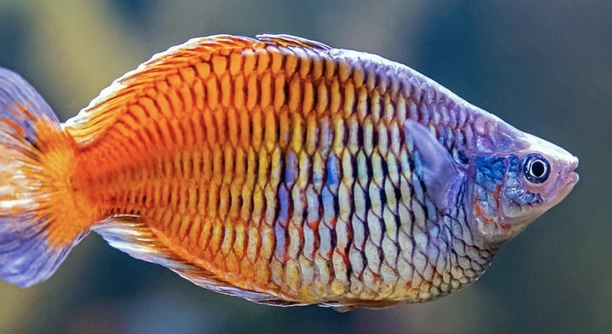
Rainbow fish are known for their bright, colorful scales and peaceful nature. However, their social behavior is something that piques curiosity for many fish owners. Understanding how they interact with each other can provide insight into their territorial habits.
Rainbow fish do compete for territory, particularly during breeding seasons or in environments where space is limited. These fish are known to establish and defend areas within their habitats, often engaging in displays of dominance to protect their space.
Understanding the reasons behind their territorial behavior can help improve the environment for your rainbow fish. Keep reading to learn more about how to manage their space and ensure they thrive in your aquarium.
Rainbow Fish Territory: Why It Happens
Rainbow fish are peaceful creatures, but they do compete for space. In nature, they tend to form schools, where individuals may establish their own territories. This behavior helps them avoid stress and ensures they have the resources they need. When living in an aquarium, rainbow fish may not have the same freedom to swim as they would in the wild, so they adapt by claiming certain areas as their own. Territorial disputes can occur when fish feel crowded or when there’s a lack of hiding spots. During breeding periods, males especially become more territorial, fighting to protect their space and attract mates. This behavior can also become more prominent in smaller tanks, where space is limited.
In some cases, rainbow fish will show signs of aggression to establish dominance over their space. These actions include chasing and nipping at other fish to ward them off.
If you have multiple rainbow fish, understanding this behavior is crucial for creating a healthy, happy environment for them. Providing plenty of plants, hiding spaces, and avoiding overcrowding can help reduce territorial disputes.
How to Minimize Territorial Disputes in Your Aquarium
Providing plenty of space is key to reducing territorial behavior. Overcrowding a tank can stress rainbow fish and increase the chances of conflicts. A larger tank allows each fish to establish their own area and reduces competition for space. The ideal tank size for a group of rainbow fish is at least 30 gallons, depending on the number of fish.
Along with a larger tank, adding decorations and plants can create natural boundaries that help reduce the feeling of competition. When rainbow fish have more hiding spots, they’re less likely to get into conflicts. Rocks, plants, and other decorations allow fish to retreat if they feel threatened. A well-planted tank mimics their natural environment and offers more peace for everyone.
Maintaining good water quality is also important. Poor water conditions can increase stress and encourage territorial behavior. Regular water changes, a good filtration system, and monitoring water parameters like temperature and pH can keep your fish calm and reduce fighting. Healthy fish are less likely to compete aggressively for space.
The Role of Tank Mates in Territorial Behavior
Tank mates can influence how rainbow fish behave. Some species are more peaceful and can coexist easily, while others may increase aggression. Keeping rainbow fish with similarly peaceful species, like tetras or other non-territorial fish, reduces stress. Aggressive fish may make rainbow fish feel threatened, leading to more territorial disputes.
Before adding new tank mates, consider their size, behavior, and temperament. Fish like cichlids, which can be aggressive, are not ideal companions for rainbow fish. On the other hand, small, peaceful fish provide a calmer atmosphere and help prevent territorial issues. Always observe how the tank mates interact and adjust as necessary.
Adding fish that swim in different areas of the tank can also help reduce stress. Rainbow fish generally stay near the middle and top layers of the tank. Adding bottom-dwellers can give fish more space to establish their territories without feeling overcrowded.
Understanding Breeding and Territorial Behavior
Breeding season often triggers stronger territorial behavior. During this time, male rainbow fish become more protective of their space as they try to attract females. They will display more aggression to secure an area for breeding. Males will defend their territories from other males, chasing and even nipping at them.
Providing extra space and hiding spots during breeding season can help reduce aggression. If males feel crowded, they may become more territorial and aggressive. Keeping females in larger numbers can also lessen the chance of males competing too intensely over one female.
When to Separate Aggressive Fish
If territorial behavior becomes too aggressive, separation may be necessary. Fish that constantly chase or nip at others are not displaying healthy social behavior. Aggression can harm other fish, leading to stress or even injury. If one fish becomes too dominant, it’s best to separate it from the others.
Tank Setup for Peaceful Coexistence
Creating a balanced tank setup helps keep territorial behavior at bay. Use plants, rocks, and driftwood to create visual barriers. This gives each fish their own space while still allowing them to interact. Keeping plenty of hiding spots can help fish feel secure and avoid stress.
FAQ
Do rainbow fish need to have a territory?
Yes, rainbow fish are territorial, especially during breeding season. They establish territories to claim space for themselves, reduce stress, and protect resources like food. In the wild, these territories can be quite large, but in aquariums, they adjust based on the tank’s size and the number of fish present. The key to minimizing territorial disputes is ensuring the tank has enough space and hiding spots for each fish to feel secure.
What signs indicate that rainbow fish are fighting over territory?
You’ll notice chasing, nipping, and increased aggression among rainbow fish if they are competing for territory. Fish might display dominant behavior by showing off their colors, posturing, or circling around each other. If you see a fish constantly being chased or attacked, it’s a sign that territorial disputes are occurring. It’s important to observe interactions closely to prevent long-term harm to the fish.
How can I reduce territorial behavior in my rainbow fish tank?
To reduce territorial behavior, provide a larger tank with plenty of hiding spots. Adding plants, rocks, and driftwood creates visual barriers, allowing fish to carve out their own spaces. Avoid overcrowding your tank, as too many fish in a small space can increase aggression. Regularly maintain good water quality to keep your fish healthy and calm. Providing enough space and resources is the best way to minimize territorial conflicts.
Do rainbow fish only become territorial during breeding?
While rainbow fish are most territorial during breeding, they can still exhibit territorial behavior at other times. Males become especially territorial during the breeding season as they try to claim the best spots for attracting mates. However, even outside of breeding, rainbow fish may show some territorial behavior if they feel crowded or stressed. Keeping the tank well-planted and spacious helps to minimize these issues.
Can rainbow fish live together without fighting?
Rainbow fish can live together peacefully if there is enough space in the tank and if there are enough hiding spots to reduce stress. While they may establish territories, they do not typically engage in prolonged fights like some other species. The key is to ensure the tank is large enough for them to spread out, and you should try to keep a balanced number of males and females to avoid excessive competition.
What should I do if my rainbow fish are constantly fighting?
If your rainbow fish are constantly fighting, you should consider separating the aggressors. You can also rearrange the decorations in the tank to break up established territories and reduce territorial behavior. Adding more plants and hiding spots helps fish feel secure and can diffuse aggression. If the issue persists, check the tank’s size and water quality to ensure it’s ideal for your fish. In some cases, reducing the number of males can also help calm things down.
Are there any other species of fish that can live with rainbow fish?
Rainbow fish are generally peaceful and do well with other peaceful species like tetras, guppies, or peaceful barbs. Avoid keeping them with overly aggressive species like cichlids or large predatory fish, as this can cause stress and territorial disputes. Fish that occupy different parts of the tank, such as bottom-dwellers like Corydoras, can also be a good match, as they won’t compete for the same space.
How much space do rainbow fish need to avoid territorial issues?
The size of your tank plays a huge role in reducing territorial conflicts. For a group of rainbow fish, a tank of at least 30 gallons is recommended. A larger tank provides more space for each fish to establish their own territory and reduces stress. If you have a small tank, you may see more aggression as the fish compete for limited space. In addition to tank size, creating a well-planted tank with plenty of hiding spots will also help reduce territorial disputes.
Can rainbow fish become too aggressive?
Rainbow fish can become too aggressive if they are stressed, overcrowded, or if they feel their territory is being threatened. While they are generally peaceful, their behavior can change in response to environmental factors. If aggression is persistent and harming other fish, it’s important to reassess the tank conditions and make adjustments. Separating overly aggressive fish or providing more space and hiding spots can help resolve these issues.
What should I do if my rainbow fish are not eating due to territorial stress?
If your rainbow fish are not eating due to territorial stress, you should first assess the tank’s conditions. Ensure that there are enough hiding spots for each fish to retreat to when they feel threatened. Reducing the number of fish or moving aggressive individuals to a separate tank can also help. Additionally, try feeding them in different areas of the tank to avoid competition for food. Once the stress is reduced, your fish should regain their appetite.
Final Thoughts
Rainbow fish are generally peaceful, but their territorial behavior can be a challenge, especially in confined spaces. When kept in a properly-sized tank with enough hiding spots and plants, rainbow fish usually get along well. However, when their environment doesn’t meet their needs, they may begin to compete for space and resources. During breeding season, this territorial behavior becomes even more noticeable, with males particularly defending their space. Understanding how this behavior works can help aquarium owners prevent stress and ensure the fish thrive.
The key to reducing territorial behavior lies in the tank setup. Providing plenty of space, decorations, and plants will create natural boundaries and hiding spots, which help reduce conflict. It’s also important to avoid overcrowding the tank, as this leads to competition for food and space. Maintaining good water quality will keep your fish healthy, making them less likely to become stressed and territorial. By creating an environment that supports their natural instincts, rainbow fish can coexist peacefully and avoid unnecessary aggression.
If territorial issues persist despite these adjustments, it might be necessary to separate particularly aggressive fish or add more hiding places. It’s important to observe the fish closely and make adjustments as needed. Understanding their needs and behaviors will help ensure that rainbow fish live happily in their aquarium, and you can enjoy their colorful presence without worrying about constant conflicts. Keeping your tank balanced and stress-free is the best way to promote the well-being of your fish, allowing them to display their natural, peaceful behaviors.

Hello,
If you enjoy the content that we create, please consider saying a "Thank You!" by leaving a tip.
Every little bit helps us continue crafting quality advice that supports the health, happiness, and well-being of pets around the world, for pets of all shapes, sizes, and species.
We really appreciate the kindness and support that you show us!