
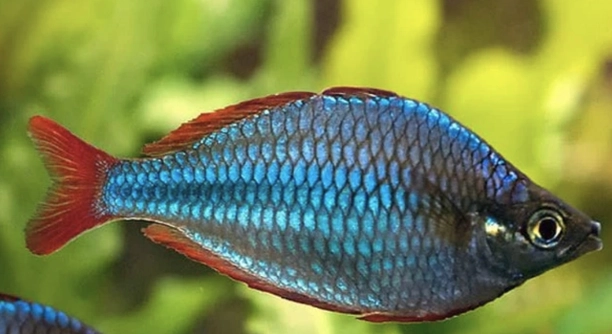
Rainbow fish are vibrant and active creatures, but sometimes they can be shy about exploring their environment. Encouraging them to roam and interact with their habitat can be a rewarding experience for both you and your fish.
To encourage rainbow fish to explore, it’s essential to create an engaging and stimulating environment. Providing proper hiding spots, adding plants and decorations, and adjusting lighting can all encourage your fish to feel safe and curious enough to explore.
By enhancing their environment and offering safe places to explore, you can encourage your rainbow fish to interact more with their surroundings. This approach will not only improve their activity but also their overall well-being.
Create Hiding Spots for Security
Rainbow fish are naturally curious but can be shy when they feel exposed. Providing hiding spots like caves, rocks, or plants can make your fish feel secure and encourage them to explore more. These hiding spots give them a safe space to retreat if they feel threatened, which is essential for their comfort. In addition, fish are more likely to explore their surroundings when they don’t feel constantly on edge.
Hiding spots should be placed throughout the tank, preferably near the areas you want your fish to explore. This encourages them to venture out while still having the option to hide if needed.
It’s also helpful to arrange these spots in a way that creates pathways for the fish to swim through. Rainbow fish enjoy exploring open spaces but are more likely to venture through these hidden paths if they feel safe. Additionally, placing plants around the hideaways will simulate a more natural environment, making the fish feel more comfortable and encouraging exploration.
Add Visual Stimuli
Another way to encourage exploration is by adding visual stimuli to the tank. Brightly colored objects or decorations can capture the fish’s attention, prompting them to swim over and investigate.
Consider placing objects like artificial corals, rocks, or even colorful stones to catch their eye. These additions will naturally attract the fish’s curiosity and help them feel more engaged with their environment. The variety of colors and textures encourages them to explore more areas of the tank and keep them active.
Mixing different textures, such as smooth and rough objects, can also keep the fish interested. Fish are naturally drawn to variety, and creating a dynamic space for them will make their environment feel less predictable and more exciting. Consider rotating decorations or adding new ones periodically to maintain the fish’s interest.
Adjust Lighting to Create a Dynamic Environment
Lighting plays a big role in how your rainbow fish explore. A consistent light cycle that mimics natural daylight can encourage the fish to be more active during the day. Changing the light intensity or adding dim spots can also trigger curiosity and movement.
Consider using a timer to control the lighting cycle, providing a steady day and night rhythm. This will help your fish establish a routine and feel more comfortable exploring. It’s important to avoid sudden, extreme changes in light, as this can stress the fish and discourage activity.
You can also experiment with different types of lighting, such as LED lights with color-changing options, to create an appealing atmosphere. Soft lighting combined with shadows can make the tank environment feel more engaging, encouraging the fish to swim around and explore new areas. Be mindful not to overdo it, as too much light can lead to algae growth, which could affect the water quality.
Use Tank Mates to Encourage Exploration
Tank mates can positively influence your rainbow fish’s behavior. Choosing fish with similar temperaments and sizes can encourage exploration. Active species help create a more lively environment, prompting your rainbow fish to follow their movements and interact more.
When adding new tank mates, always ensure they won’t stress your rainbow fish. Peaceful fish like tetras, small gouramis, or other non-aggressive species can create a balanced atmosphere. The presence of other fish encourages rainbow fish to swim around and explore different areas of the tank.
It’s also a good idea to introduce fish gradually. This way, your rainbow fish can adapt to the presence of new species and feel less threatened. Over time, the fish will become more confident and curious, encouraging them to roam more freely in the tank without fear of aggression.
Maintain Optimal Water Conditions
Good water quality is crucial for encouraging exploration. Fish are more likely to explore when the water is clean, well-oxygenated, and at the right temperature. Regular water changes and checking parameters like pH and ammonia levels are essential for their health and activity.
Ensure the tank has a proper filtration system to keep the water clear and free of toxins. Rainbow fish thrive in stable environments, so avoid sudden shifts in temperature or water chemistry. Using a thermometer and testing kit will help you maintain the ideal conditions for your fish to stay active and engaged.
Healthy water conditions will not only encourage exploration but also prevent stress, which can hinder the fish’s curiosity. Stable water chemistry and oxygenation will allow your rainbow fish to feel more comfortable, prompting them to swim, explore, and interact with their surroundings more often.
Vary Tank Decorations Regularly
Switching up the tank decorations can help keep things fresh and engaging for your fish. Adding new objects or rearranging existing ones provides your rainbow fish with new sights and hiding spots. This change sparks curiosity and encourages them to explore.
Changing decorations also helps prevent the environment from becoming too predictable, keeping the fish active. You don’t have to do major changes, just move plants or rocks around to create new pathways. Over time, the fish will learn to explore these new configurations, providing mental stimulation and physical exercise.
Feed Them in Different Spots
Feeding your fish in different locations of the tank can encourage them to explore new areas. Moving the feeding spot around challenges them to search for their food, naturally encouraging activity. This simple change can promote exploration while also making feeding time more exciting for your fish.
FAQ
How do I know if my rainbow fish is stressed?
Stressed rainbow fish may display erratic swimming patterns, hiding frequently, or showing less interest in exploring their surroundings. They might also lose their vibrant colors or develop faded patches. If your fish are constantly hiding or swimming near the surface, it’s a sign that something in their environment might be causing stress, such as poor water quality or aggressive tank mates. It’s important to observe their behavior closely to identify possible stressors.
Can rainbow fish live with other species?
Rainbow fish can live peacefully with many other species, especially those that are non-aggressive and similar in size. Tetras, peaceful cichlids, and small catfish can make great tank mates. However, avoid housing them with overly aggressive fish, as this could discourage exploration and cause stress. The key is to match their temperament with compatible species.
What should I feed my rainbow fish to encourage activity?
Rainbow fish benefit from a varied diet. A mix of high-quality flakes, pellets, and occasional live or frozen food like brine shrimp or daphnia will keep them active and engaged. Offering a variety of food types simulates a more natural diet and encourages foraging behavior, promoting exploration. Be mindful not to overfeed, as this can lead to water quality issues.
Why do rainbow fish stop exploring?
If your rainbow fish stop exploring, it could be due to stress, poor water conditions, or a lack of environmental stimulation. They might also feel threatened by aggressive tank mates or uncomfortable with their surroundings. Ensure the tank is appropriately decorated with hiding spots, plants, and objects to encourage movement. If water quality is poor or fluctuating, this can also hinder their activity.
How can I encourage my rainbow fish to breed?
To encourage breeding, ensure the water conditions are optimal with stable temperature and clean water. You may also need to increase the level of protein in their diet, as this can trigger breeding behavior. Providing plenty of plants and hiding spots is essential for the fish to feel comfortable during the breeding process. If you have both males and females in the tank, they will often naturally begin their courtship displays, particularly when they feel safe.
Can I keep rainbow fish in a small tank?
While rainbow fish are small, they still require plenty of space to thrive. A tank size of at least 30 gallons is recommended for a small group of rainbow fish, as it allows for proper swimming room and space to explore. A cramped tank can cause stress and limit their ability to engage with their environment. Ensure that the tank has plenty of hiding spots, plants, and swimming areas.
How do I prevent algae in my rainbow fish tank?
To prevent algae, avoid overfeeding and ensure that you are not using too much light. Algae thrives in tanks with excessive light or organic waste, so it’s essential to keep the light cycle between 8 to 10 hours a day. Regular water changes and a good filtration system will also help keep algae growth under control. Adding algae-eating fish or invertebrates, like snails, can assist in managing algae naturally.
How can I tell if my rainbow fish are healthy?
Healthy rainbow fish are active, with vibrant colors, smooth scales, and clear eyes. They should swim with confidence and explore their environment, showing interest in new areas of the tank. If the fish are eating regularly, swimming well, and showing no signs of injury or illness, they are likely in good health. A sudden lack of appetite, sluggish movement, or changes in appearance may indicate illness or poor water quality.
What type of water is best for rainbow fish?
Rainbow fish thrive in soft to moderately hard water with a slightly acidic to neutral pH range (6.5 to 7.5). They are sensitive to dramatic changes in water parameters, so consistency is key. Use a water test kit to regularly monitor pH, hardness, and ammonia levels. If your tap water does not meet these conditions, consider using water conditioners or setting up a filtration system to adjust the water quality.
Why is my rainbow fish not eating?
If your rainbow fish isn’t eating, it could be due to stress, illness, or water quality issues. Make sure the water is clean, and the temperature is stable. Stress from aggressive tank mates or overcrowding can also cause them to lose their appetite. Additionally, check if the food you’re offering is appropriate for their preferences. Sometimes, trying live or frozen food can help spark their interest in eating again.
Do rainbow fish need a lot of space to swim?
Rainbow fish are active swimmers and do better in larger tanks where they have room to roam. A small tank limits their ability to swim freely, which can lead to stress and inactivity. A spacious tank with open swimming areas, hiding spots, and plants will allow them to explore, exercise, and feel secure. At least 30 gallons is recommended for a small group, and larger groups may need more space.
Final Thoughts
Encouraging your rainbow fish to explore their environment is not only beneficial for their health but also for their overall well-being. By providing a variety of hiding spots, different decorations, and a healthy, stable environment, you can stimulate their natural curiosity. Rainbow fish, like many other species, thrive when they feel secure and engaged with their surroundings. With just a few simple adjustments, you can help your fish feel more at home in their tank and encourage them to explore more actively.
Proper water conditions, the right lighting, and compatible tank mates are crucial factors in promoting exploration. Consistent water temperature, clean water, and stable pH levels will reduce stress and encourage your rainbow fish to swim freely. Adding some visual stimuli or rearranging the tank occasionally will keep their environment interesting and dynamic. Active tank mates can also help inspire your rainbow fish to move around and investigate different areas of the tank, creating a lively and interactive environment.
In the end, small changes to the tank setup, along with careful attention to your fish’s needs, can make a big difference in their behavior. Rainbow fish are naturally curious and social creatures, and by offering them a stimulating, secure environment, you’ll ensure they stay active, healthy, and happy. Keeping these factors in mind will help maintain a balanced and enjoyable aquarium that benefits both you and your fish.

Hello,
If you enjoy the content that we create, please consider saying a "Thank You!" by leaving a tip.
Every little bit helps us continue crafting quality advice that supports the health, happiness, and well-being of pets around the world, for pets of all shapes, sizes, and species.
We really appreciate the kindness and support that you show us!