
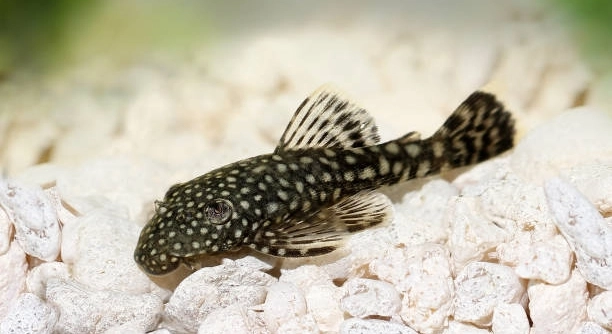
Have you ever introduced new fish into your aquarium but noticed your plecos simply ignoring them? It can be confusing to see these usually active fish staying distant while the tank environment changes.
Plecos may ignore new tankmates due to territorial behavior, stress from environmental changes, or natural nocturnal tendencies. These factors influence their social interactions, causing them to retreat rather than engage with unfamiliar fish in the aquarium.
Understanding these behaviors can improve your tank management and help ensure a peaceful environment for all aquatic inhabitants.
Understanding Pleco Behavior
Plecos are naturally cautious fish. When introduced to a new tank, they often spend time exploring alone before interacting with other fish. Their nocturnal nature means they are more active at night, which can make them seem distant during the day. Stress from a new environment, changes in water quality, or unfamiliar scents can make plecos hide or ignore other tankmates. They also establish territories, and a new fish may appear as an intruder, prompting avoidance rather than confrontation. Over time, most plecos will adjust once they feel secure, especially if the tank has plenty of hiding spots. Providing caves, driftwood, and dense plants helps plecos feel comfortable and reduces stress. It’s important to monitor water parameters carefully, as plecos are sensitive to sudden changes in temperature, pH, and ammonia levels. Gradual introductions, along with patience, can encourage them to interact with new tankmates at their own pace.
Some plecos may never interact closely, but they usually tolerate tankmates peacefully once their environment feels safe.
Even when plecos ignore new fish initially, careful observation can reveal small signs of acceptance. They may swim nearby without conflict or begin exploring shared areas. Offering extra hiding spaces and maintaining stable water conditions encourages calmer behavior. Feeding times can also be used to build indirect interaction, as plecos often associate humans with food. Over weeks, shy plecos may gradually come out more often and show curiosity toward other fish. Understanding their instincts and respecting their pace ensures a harmonious tank without forcing interaction.
Environmental Factors Affecting Social Interaction
Water quality, tank size, and décor influence pleco behavior significantly.
Changes in temperature, pH, or oxygen levels can make plecos reclusive. Overcrowding or a lack of hiding spots increases stress, causing avoidance. Properly arranged caves, driftwood, and plants allow plecos to explore at their own pace.
Plecos rely heavily on a stable environment to feel secure. Sudden shifts in lighting or water conditions may trigger hiding behavior, even if new tankmates are harmless. Tank size matters because plecos are territorial; insufficient space can lead to prolonged avoidance or aggression. Proper filtration and consistent maintenance reduce stress by keeping the water clean and oxygenated. Using soft substrates and avoiding sharp décor also helps plecos feel comfortable. By mimicking natural habitats, you can reduce stress and encourage more natural behavior. Observing pleco responses over time allows owners to identify subtle signs of discomfort and adjust tank conditions accordingly. Patience and careful planning are key to fostering calm interactions between plecos and new tankmates.
Feeding Habits and Tankmate Interaction
Plecos often focus on their food and may ignore other fish during feeding. Their preference for algae, vegetables, or sinking pellets keeps them occupied, reducing social interaction with new tankmates.
Feeding routines strongly influence pleco behavior. If a tankmate competes for food, plecos may retreat or wait until the other fish finish. Offering varied diets, like zucchini, cucumber, or algae wafers, encourages plecos to remain healthy and active. Placing food in different areas allows multiple fish to feed without stress. Over time, plecos may become more willing to explore areas where other fish are present, gradually increasing passive interaction. Consistent feeding schedules also help plecos feel secure, reducing avoidance behavior.
Some plecos take longer to adapt due to individual personality or age. Younger plecos often explore sooner, while older ones can remain cautious. Patience and observation during feeding help identify stress signals or aggression. Using multiple feeding zones and hiding spots encourages natural behavior and reduces tension. By accommodating dietary needs and territorial instincts, plecos can coexist more peacefully with tankmates, even if direct interaction remains limited.
Tank Setup and Hiding Spaces
Adequate hiding spots are essential for plecos to feel safe around new fish. Without them, avoidance behavior increases.
Caves, driftwood, and dense plants give plecos secure areas to retreat when stressed. Open spaces can make plecos feel exposed, leading to prolonged hiding. Proper arrangement ensures they can explore without confrontation. Layering décor at different heights also allows them to occupy vertical or horizontal spaces comfortably. Observing how plecos use these areas can indicate whether they feel secure or remain anxious.
Tank layout impacts interactions long-term. Plecos need territories that reduce overlap with new fish to prevent stress. Overcrowding or insufficient structure forces plecos to compete for space, which increases avoidance or aggression. Providing multiple shelters ensures each fish has its own area. Driftwood also serves as a grazing surface, combining feeding and hiding in one spot. Plants create shaded areas that lower stress, promoting calmer behavior. Adjusting décor gradually allows plecos to adapt without sudden disruptions. A well-structured tank fosters passive coexistence, helping plecos feel confident in exploring shared spaces.
Stress and Water Conditions
Plecos are sensitive to sudden changes in water temperature, pH, and ammonia levels. Stress from poor water conditions can cause them to hide or ignore new tankmates, affecting overall tank harmony.
Maintaining stable water parameters is crucial. Regular testing and careful adjustments prevent unnecessary stress and keep plecos active.
Gradual Introduction Techniques
Introducing new tankmates slowly helps plecos adapt. Using a quarantine tank or divider allows visual contact without direct interaction, easing stress and reducing territorial disputes. Over time, plecos become familiar with the presence of new fish.
Nocturnal Nature
Plecos are primarily nocturnal. Their peak activity occurs at night, making daytime interactions with new fish minimal. Owners may notice limited social behavior until the tank lights dim.
Monitoring Behavior
Closely observing plecos during early days with new tankmates is essential. Signs of stress or aggression indicate the need for adjustments in tank setup or feeding routines.
FAQ
Why does my pleco ignore other fish even after weeks?
Plecos are naturally cautious and territorial. Some individuals take longer to adapt due to personality, age, or past stress. Providing stable water conditions, plenty of hiding spots, and a consistent feeding routine can gradually help them feel secure enough to tolerate or observe new tankmates without fear.
Can plecos ever become social with new tankmates?
Yes, but it depends on their temperament and environment. Most plecos remain passive rather than interactive. Over time, they may swim near other fish without conflict, particularly if the tank is spacious and provides multiple territories. Avoid forcing interaction, as stress can reverse any progress.
Do hiding spots really matter that much?
Absolutely. Hiding spaces give plecos a sense of security. Caves, driftwood, and dense plants reduce stress, which encourages calmer behavior. Without these shelters, plecos may feel exposed and continue avoiding tankmates, even if water conditions and feeding routines are perfect.
Does tank size affect pleco behavior?
Yes. Plecos are territorial and need space to establish their areas. Small or overcrowded tanks increase stress, leading to prolonged avoidance or aggression. Larger tanks with distinct zones and multiple hiding spots allow plecos to coexist with new fish without feeling threatened.
How do feeding habits influence interactions?
Plecos focus on their food and often ignore other fish during feeding. Using sinking pellets, vegetables, or algae wafers in multiple locations reduces competition and stress. Gradually, plecos may start exploring areas around other fish during feeding without showing aggression.
Are plecos more active at night?
Yes, plecos are primarily nocturnal. They tend to be inactive during the day, making it seem like they are ignoring new tankmates. Peak activity occurs at night, which is when they may explore and graze near other fish without conflict.
Can water changes cause plecos to hide?
Sudden changes in water temperature, pH, or quality can stress plecos. Even minor fluctuations may cause them to hide or ignore tankmates. Gradual water adjustments and careful monitoring help plecos feel safe and maintain normal social behavior.
Does introducing a pleco slowly help?
Yes. Gradual introductions, such as using a divider or quarantine tank, allow visual contact without direct interaction. This method reduces stress and allows plecos to adapt to new tankmates at their own pace, promoting long-term peaceful coexistence.
Do older plecos take longer to adjust?
Typically, yes. Younger plecos are usually more exploratory, while older plecos are more cautious and territorial. Patience, stable conditions, and ample hiding spaces are essential to help older plecos feel secure around new tankmates.
How can I tell if my pleco is stressed?
Signs of stress include prolonged hiding, reduced appetite, erratic swimming, or discoloration. Observing behavior during feeding and at night helps determine comfort levels. Adjusting water parameters, tank layout, and providing more hiding spots usually alleviates stress.
Should I worry if my pleco never interacts with others?
Not necessarily. Many plecos are solitary by nature. As long as they are eating well, maintaining color, and exploring their environment at night, their lack of interaction is normal. Ensuring a safe, stable habitat is more important than forced socialization.
Do plecos ever show aggression to new fish?
Occasionally. Territorial disputes can occur, particularly in smaller tanks or if hiding spots are limited. Observing interactions and providing multiple territories usually prevents serious conflicts. Aggression is often brief and decreases once fish adjust to shared spaces.
How long does it take for plecos to adapt?
Adaptation varies widely. Some plecos adjust within a few days, while others may take weeks or months. Individual personality, tank conditions, and the presence of adequate hiding spaces are the main factors that influence this process.
Can tank décor encourage social behavior?
Yes. Arranging caves, plants, and driftwood to create distinct zones allows plecos to feel secure while observing other fish. Proper décor reduces stress and indirectly promotes calmer interactions without forcing contact.
Is it normal for plecos to ignore feeding areas with other fish?
Yes. Plecos may wait until other fish leave or focus on areas with less competition. Using multiple feeding locations ensures plecos get enough food and reduces stress, gradually allowing them to share space more comfortably with new tankmates.
Does lighting affect pleco interactions?
Bright or prolonged lighting can make plecos feel exposed. Providing shaded areas or dimming lights during active periods helps them feel safe, encouraging more natural behavior near other tankmates.
Are plecos more tolerant of certain species?
Generally, plecos tolerate peaceful, non-aggressive fish better. Active, territorial, or fin-nipping species may increase stress, causing avoidance. Researching compatible tankmates and monitoring early interactions ensures a more harmonious tank environment.
Can stress impact pleco health long-term?
Yes. Chronic stress can lead to reduced immunity, poor appetite, and slower growth. Maintaining stable water conditions, sufficient hiding spots, and gradual introductions minimizes stress and supports overall health and longevity.
Is it helpful to observe plecos at night?
Absolutely. Nighttime behavior reveals how plecos explore, feed, and interact with tankmates. Observing during peak activity gives a better understanding of their comfort level and helps identify necessary adjustments to improve tank harmony.
What steps ensure peaceful coexistence?
Provide a stable environment, multiple hiding spots, proper feeding routines, gradual introductions, and compatible tankmates. Observing behavior carefully and adjusting as needed allows plecos to coexist without stress while maintaining their natural instincts.
Word count: 525
Final Thoughts
Plecos are fascinating fish with unique behaviors that can sometimes confuse aquarium owners. Their tendency to ignore new tankmates is often misunderstood as disinterest or stubbornness, but it usually stems from natural instincts. These fish are cautious, territorial, and primarily nocturnal, which means they observe their environment carefully before engaging. Unlike more social species, plecos rely on hiding spaces and familiar surroundings to feel safe. Understanding this aspect of their behavior helps explain why they may stay hidden or avoid interaction for days or even weeks. Recognizing that plecos are not being unfriendly but are simply following their natural instincts can make it easier to manage a peaceful aquarium. Patience is essential when introducing new fish, as forcing interaction can increase stress and harm both plecos and their tankmates. By respecting their natural tendencies, aquarium owners can provide an environment that promotes comfort and security.
Providing the right environment is critical for encouraging plecos to feel at ease around new fish. Caves, driftwood, and dense plants allow them to establish territories and retreat when necessary. A well-structured tank reduces stress and helps plecos maintain a sense of control over their surroundings. Water quality is equally important, as these fish are sensitive to fluctuations in temperature, pH, and chemical levels. Regular maintenance and careful monitoring ensure that plecos remain healthy and less likely to display avoidance behaviors. Feeding routines also play a role, as plecos often focus on food rather than interacting with tankmates. Offering food in multiple locations and providing variety, such as vegetables, algae wafers, or sinking pellets, allows plecos to eat comfortably without feeling threatened. These strategies work together to create a calm environment, allowing plecos to gradually explore shared spaces and coexist peacefully with other fish.
It’s important to remember that each pleco is an individual with its own personality and pace of adaptation. Some may take longer to adjust to new tankmates, while others might quickly explore shared areas without issue. Observing their behavior over time provides valuable insights into their comfort level and needs. Sudden changes in tank conditions, overcrowding, or aggressive species can disrupt this adjustment process, so gradual introductions and careful planning are essential. Even if plecos never fully interact with other fish, they can live happily and healthily in a well-maintained aquarium. The goal is not forced socialization but providing an environment that respects their instincts and allows them to feel secure. By combining proper tank setup, stable water conditions, suitable feeding routines, and patience, aquarium owners can create a peaceful, harmonious habitat where plecos and new tankmates coexist comfortably. Understanding and supporting these behaviors ensures long-term well-being for all fish in the tank, making the aquarium experience more enjoyable for both the plecos and the owner.
Word count: 413

Hello,
If you enjoy the content that we create, please consider saying a "Thank You!" by leaving a tip.
Every little bit helps us continue crafting quality advice that supports the health, happiness, and well-being of pets around the world, for pets of all shapes, sizes, and species.
We really appreciate the kindness and support that you show us!