
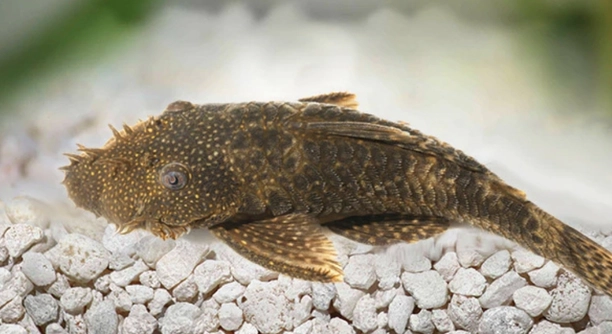
Observing plecos in an aquarium can be a quiet and rewarding experience. These fish have unique behaviors that reveal their needs, habits, and personalities. Watching them closely helps create a healthier and more engaging environment.
Plecos display specific behaviors related to feeding, hiding, and social interactions. Understanding patterns such as their nocturnal activity, grazing habits, and territorial tendencies allows aquarists to better manage tank conditions and promote the well-being of these fish.
Learning to notice small details will improve your experience as a fishkeeper. The following tips will help you interpret pleco behavior accurately and responsibly.
Understanding Pleco Feeding Habits
Plecos are primarily nocturnal grazers, spending much of their day hiding and resting. They feed mostly at night on algae, vegetables, and specialized sinking pellets. Observing their feeding behavior helps ensure they get enough nutrition without overcrowding the tank. They often scrape surfaces, leaving trails on glass or driftwood, which shows their natural grazing instinct. Younger plecos tend to be more active and may explore the tank in search of food, while older plecos settle into more predictable routines. Providing a variety of foods, including leafy greens and algae wafers, supports healthy growth. Watching how they approach new food can indicate comfort levels and tank security. Plecos also have a slower metabolism than many other fish, which means overfeeding can lead to water quality issues. Understanding their feeding patterns makes tank maintenance easier and reduces stress for both fish and keeper. Consistent observation allows timely adjustments to diet and environment.
Plecos feed primarily at night and prefer algae, vegetables, and sinking pellets. Observing their eating patterns ensures balanced nutrition and healthy tank conditions.
Offering varied food items and monitoring grazing habits prevents aggression and supports overall health. It also helps identify any unusual behavior that might indicate illness or stress.
Recognizing Pleco Territorial Behavior
Plecos can be territorial, especially in smaller tanks or with limited hiding spots. They use body posturing, tail flicks, and short chases to establish boundaries.
Territorial behavior is most noticeable during feeding or breeding periods. Providing multiple hiding places such as caves, driftwood, and dense plants reduces aggression. Each pleco may claim a favorite spot, returning regularly and defending it from tankmates. Observing how they interact with each other helps prevent fights and stress-related injuries. Some species are more aggressive, while others remain mostly peaceful if they have enough space. Recognizing territory patterns also assists in proper tank arrangement, allowing plecos to coexist without constant conflict. Overcrowding can increase stress and lead to fin damage or constant chasing. By noting their preferred locations and movement patterns, aquarists can adjust decorations, adding extra shelters or rearranging existing ones. Awareness of territorial tendencies improves both water quality management and overall tank harmony, making plecos easier to care for in home aquariums.
Identifying Nocturnal Activity
Plecos are most active at night. They leave hiding spots to graze and explore the tank quietly. Observing them after lights go out reveals natural behaviors often missed during the day.
Their nocturnal activity includes searching for food, inspecting surfaces, and occasionally interacting with other tankmates. Daytime rest helps them conserve energy, which is why they often appear still or hidden. Monitoring night behavior ensures they are feeding properly and not stressed by tank conditions. Lights and noise can disrupt their natural schedule, so creating a calm environment during their active hours promotes better health. Nighttime observation is essential to understanding overall activity levels and behavioral patterns, which contributes to informed care decisions.
Providing gentle lighting or red spectrum lights at night allows observation without disturbing them. Keeping track of their active periods helps detect changes in behavior that could signal illness or stress.
Observing Pleco Breathing Patterns
Plecos breathe primarily through gills but sometimes gulp air at the surface, especially in low-oxygen conditions. Watching breathing rates can indicate water quality and overall health.
Rapid or irregular breathing often signals stress, poor water conditions, or disease. Plecos may move to areas with higher oxygen or reduce activity to compensate. Long-term monitoring of breathing alongside feeding and movement patterns gives a clearer picture of their well-being. It’s also important to maintain good filtration, regular water changes, and adequate aeration to support proper respiration. Noticing subtle changes early can prevent serious health issues and allow timely intervention, improving survival and comfort in captivity. Keeping notes on patterns over days or weeks helps track gradual changes and ensures a healthy aquarium environment.
Noticing Hiding Preferences
Plecos choose hiding spots based on comfort and safety. Caves, driftwood, and dense plants are common favorites. Watching where they spend most of their time helps in arranging the tank effectively.
Some plecos prefer darker areas, while others select open spaces near food sources. Observing these choices provides insight into their personality and stress levels.
Watching Social Interactions
Plecos may interact minimally with tankmates, often keeping to themselves. They show dominance through brief chases, tail flicks, or nudges, especially during feeding. Understanding these interactions helps prevent conflict and ensures peaceful cohabitation.
Monitoring how plecos respond to other fish reveals territorial boundaries and social tolerance. Some species tolerate neighbors well, while others need extra space to avoid stress. Observing their behavior over time helps aquarists adjust tank layout, feeding schedules, and shelter placement to reduce tension. Social interactions also indicate comfort and well-being, highlighting when water quality or environmental factors might need improvement. Documenting patterns allows careful management of multiple species, ensuring a balanced and calm aquarium. Recognizing early signs of aggression or stress prevents injury and improves long-term health.
Tracking Movement Patterns
Plecos follow specific routes around the tank when exploring or feeding. Noting these patterns helps optimize decoration placement and feeding locations.
FAQ
How often should I feed my pleco?
Plecos should be fed once daily, usually in the evening, as they are nocturnal. A varied diet of algae wafers, vegetables, and occasional protein treats keeps them healthy. Overfeeding can cause water quality problems, so monitor leftovers and adjust amounts accordingly.
Why does my pleco hide all the time?
Hiding is natural for plecos, especially during daylight hours. They feel safer in caves, under driftwood, or among plants. Excessive hiding can also indicate stress, poor water quality, or insufficient hiding spots, so observe tank conditions and make adjustments as needed.
Is it normal for plecos to gulp air at the surface?
Yes, plecos sometimes gulp air to supplement oxygen intake, especially in low-oxygen environments. Consistent or rapid surface breathing may indicate water quality issues, low oxygen, or illness. Improving aeration, filtration, and performing water changes usually resolves this behavior.
How do I tell if my pleco is stressed?
Stress signs include rapid breathing, erratic swimming, hiding excessively, or refusing food. Poor water conditions, tankmates, or lack of shelter can cause stress. Observing patterns and adjusting tank setup, feeding, or water quality can improve comfort and reduce stress.
Can plecos live with other fish?
Most plecos are peaceful, but territorial behavior may appear with limited space or during feeding. Providing multiple hiding spots and monitoring interactions helps prevent aggression. Avoid housing them with overly aggressive species that may harm or chase them.
Why is my pleco scratching against surfaces?
Scraping or rubbing against tank surfaces is natural grazing behavior, helping clean algae and maintain oral health. However, constant scraping may indicate skin irritation, parasites, or poor water conditions. Regular observation ensures this behavior is healthy, not a symptom of illness.
How do I know if my pleco is healthy?
A healthy pleco is active at night, eats regularly, shows smooth fins and scales, and maintains regular breathing. Sudden changes in activity, appetite, or appearance often signal a problem. Consistent observation of behavior and appearance ensures early detection of potential issues.
What types of hiding spots are best for plecos?
Caves, driftwood, and dense plant areas provide security and comfort. Multiple hiding spots reduce stress and territorial disputes, allowing each fish to establish a preferred space. Adjusting tank layout based on observed preferences improves overall tank harmony.
Do plecos need supplemental lighting at night?
Plecos do not require bright night lighting. Low or red-spectrum lights allow observation without disturbing their natural nocturnal activity. Bright lights can stress them and disrupt feeding and movement patterns.
Why is my pleco inactive during feeding time?
Plecos are mainly nocturnal, so daytime feeding may not trigger immediate activity. Offering food in the evening aligns with natural behavior. Inactivity at night or refusal to eat may indicate illness, stress, or poor water conditions, which should be checked promptly.
How can I tell the difference between a healthy pleco and one that is sick?
Healthy plecos have smooth fins, clear eyes, steady breathing, and consistent nocturnal activity. Signs of illness include frayed fins, discoloration, bloating, abnormal breathing, lethargy, or reduced appetite. Monitoring changes over time helps detect issues early and allows timely intervention.
Should plecos be kept alone or in groups?
Many plecos are solitary, but some species tolerate cohabitation if there is enough space and hiding places. Observing interactions ensures peaceful coexistence. Overcrowding or insufficient shelter can lead to stress, aggression, and injury.
How do plecos interact with tank decorations?
Plecos use driftwood, rocks, and plants for grazing, hiding, and territory. They may move small objects or leave marks on surfaces while scraping. Understanding these interactions allows for thoughtful decoration placement and reduces stress while supporting natural behavior.
Can plecos coexist with small schooling fish?
Yes, plecos often coexist with small schooling fish without conflict. Ensuring adequate space and hiding spots prevents territorial disputes and allows each species to maintain its natural routines. Observing behavior helps maintain a peaceful tank environment.
What are the signs of aggression in plecos?
Aggression includes chasing, tail flicks, and biting near hiding spots or during feeding. Territorial disputes are most common in crowded tanks or when shelters are limited. Recognizing early signs helps prevent injuries and allows adjustments in tank setup.
How important is water quality for plecos?
Water quality is crucial. Poor water conditions lead to stress, illness, or abnormal behavior. Regular testing, filtration, and water changes ensure proper pH, temperature, and oxygen levels, supporting healthy feeding, hiding, and social behaviors.
Do plecos need specific tank temperatures?
Plecos thrive in tropical freshwater conditions, generally between 74–80°F (23–27°C). Maintaining stable temperatures supports metabolism, feeding, and nocturnal activity. Sudden changes can stress them, reducing immune response and increasing susceptibility to disease.
How long do plecos usually live in captivity?
Plecos can live 10–15 years or longer with proper care. Long lifespans require consistent feeding, water quality management, adequate space, and observation of behavior and health. Regular monitoring ensures they maintain comfort and activity over time.
Can I breed plecos in a home aquarium?
Breeding plecos requires species-specific knowledge, suitable hiding spots, stable water conditions, and diet management. Observing mating behavior, such as guarding a cave or increased activity, indicates readiness. Successful breeding often requires careful monitoring and attention to tank setup.
How can I prevent diseases in plecos?
Maintaining water quality, providing balanced nutrition, avoiding overcrowding, and observing behavior reduces disease risk. Early detection of unusual activity or appearance allows prompt intervention. Quarantining new fish before introduction also helps prevent illness spread within the tank.
Final Thoughts
Observing plecos can be a calm and rewarding experience for anyone keeping an aquarium. These fish have unique behaviors that are often subtle, and paying attention to small details can reveal a lot about their well-being. Watching how they move, feed, and interact with their environment allows you to understand their preferences, such as favorite hiding spots, grazing areas, and preferred swimming routes. Noticing these patterns makes it easier to maintain the tank in a way that suits their natural habits. Plecos may seem quiet or inactive during the day, but their nocturnal activity is a key part of their lifestyle, and respecting this rhythm helps reduce stress and improve overall health. Observing them consistently helps spot unusual behaviors early, which can prevent illness or discomfort.
Providing a suitable environment is essential for plecos to thrive. This includes clean water, adequate hiding places, and a balanced diet. Driftwood, caves, and dense plants give them security and reduce territorial disputes, while a varied diet keeps them nourished and active. Water quality is equally important; stable temperatures, proper oxygenation, and regular changes are necessary to maintain a healthy habitat. Plecos are sensitive to their surroundings, so even small adjustments can impact their comfort. By keeping the tank clean, monitoring their behavior, and providing proper nutrition, you create a stable environment where they can grow and display natural behaviors. The more closely you observe, the better you can anticipate their needs and ensure they remain healthy and content.
Understanding pleco behavior is not just about preventing problems but also about appreciating these fish for their unique personalities. Each pleco may show different habits, from nocturnal grazing to interacting with tankmates in subtle ways. Observing these details allows aquarists to adjust feeding schedules, tank layout, and decoration placement to support both the pleco’s needs and the overall balance of the aquarium. Being attentive to their patterns can also make caring for them more enjoyable, as you notice individual traits and responses to their environment. Over time, observation becomes a practical tool for maintaining health, preventing stress, and fostering a calm and harmonious aquarium. By taking the time to watch, learn, and respond to their behavior, you ensure plecos live longer, healthier lives while enhancing your own experience as a caretaker.

Hello,
If you enjoy the content that we create, please consider saying a "Thank You!" by leaving a tip.
Every little bit helps us continue crafting quality advice that supports the health, happiness, and well-being of pets around the world, for pets of all shapes, sizes, and species.
We really appreciate the kindness and support that you show us!