
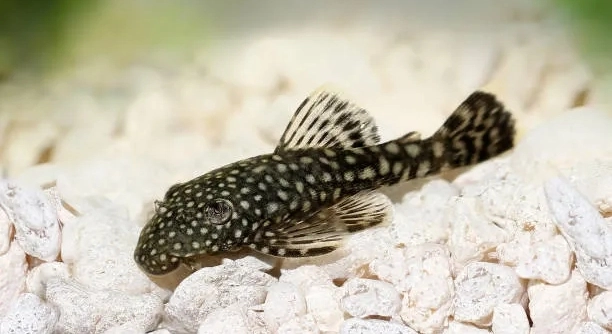
Do you ever notice your pleco avoiding its favorite hiding spot, leaving your tank feeling strangely empty? Many aquarists find this puzzling, especially when the fish usually spends hours in the same cozy corner.
The main reason your pleco avoids its usual spot is often environmental stress. Changes in water quality, temperature, lighting, or the introduction of new tank mates can make the area feel unsafe or uncomfortable for the fish.
Learning how to spot these subtle changes and adjust your tank can help your pleco feel secure again in its favorite area.
Changes in Water Conditions
Water quality plays a huge role in a pleco’s behavior. Even small shifts in pH, temperature, or ammonia levels can make a favorite spot uncomfortable. If your pleco suddenly avoids its hiding place, check your tank’s water parameters carefully. Plecos prefer stable water with minimal fluctuations. Sudden changes in temperature or chemical levels may stress them, prompting them to move to less familiar areas. Regular water testing and partial water changes can prevent discomfort. Observing your pleco’s behavior in relation to tank cleaning or chemical treatments can reveal patterns. For example, some plecos avoid areas recently cleaned or near new decorations. Filtration efficiency is also important; slow or weak filters may create stagnant zones that plecos avoid. Proper aeration keeps oxygen levels steady, which encourages the fish to return to their preferred spots. A stable, clean environment helps your pleco feel safe and reduces erratic hiding habits.
Stress from water changes can make plecos temporarily hide elsewhere, avoiding spots that feel less secure.
Keeping consistent water conditions involves testing pH, ammonia, and temperature regularly. Avoid sudden changes and ensure proper filtration and aeration. Plecos respond quickly to stability. Understanding their tolerance ranges helps prevent future avoidance of favorite areas, keeping the tank comfortable and predictable.
Influence of Tank Mates
Aggressive or overly active fish can make plecos avoid certain areas of the tank. When new fish are introduced or if existing tank mates become territorial, plecos often retreat. Some species chase plecos or compete for hiding spots, causing the pleco to seek quieter corners. Monitoring interactions helps identify if other fish are causing the behavior. Rearranging decorations or providing additional hiding places can relieve tension. Plecos naturally enjoy secluded spaces, and overcrowding can increase stress.
Tank mates impact pleco behavior significantly. Aggression or competition for resources often leads them to avoid preferred spots. Ensuring peaceful companions and multiple hiding areas supports comfort and reduces stress-related avoidance.
Plecos are bottom-dwellers and rely on secure spaces to rest and feel safe. If other fish dominate their favorite spot, the pleco will move to avoid conflict. Adding driftwood, caves, or plants creates alternative shelters, giving them choice without limiting space. Understanding social dynamics in the tank is essential; even small behavioral changes in other fish can influence where plecos spend their time. By carefully observing interactions and providing multiple options, you can maintain harmony and encourage your pleco to feel confident returning to its favorite spot. Environmental enrichment also keeps them active and reduces anxiety, ensuring your pleco’s behavior remains natural and healthy.
Lighting and Hiding Preferences
Bright lights can make plecos feel exposed and unsafe, causing them to avoid their favorite hiding spots. They prefer dim or shaded areas where they can rest without disturbance. Adjusting lighting levels or adding shaded zones can encourage them to return.
Plecos are nocturnal by nature, which makes them sensitive to strong, constant light. Excessive illumination can stress them, prompting movement to less visible areas. Even if their hiding spot is ideal in size and structure, bright lighting can make it uncomfortable. Adding floating plants or repositioning decorations can create gentle shade. Timers for lights help maintain a consistent day-night cycle, reducing sudden changes that unsettle them. Observing when your pleco is most active can guide adjustments, allowing them to feel safe during the day and more relaxed at night.
Providing multiple shaded areas throughout the tank ensures plecos have choices. These areas let them explore or retreat without fear, supporting natural behavior. Over time, they learn which spots are safe, increasing comfort and reducing avoidance. Careful observation and gradual adjustments in light intensity and placement improve overall tank harmony, making hiding spots more appealing and reassuring for your pleco.
Diet and Feeding Influence
Uneven feeding schedules or unsuitable food may cause plecos to leave favorite spots to search for nutrition. They may explore other areas if their preferred hiding spot is far from food sources. Adjusting feeding times and locations can reduce this movement.
Plecos are opportunistic feeders and may avoid areas where food is inconsistent or scarce. If they associate a hiding spot with a lack of food, they might spend more time in zones where they find better access. Providing sinking pellets or occasional fresh vegetables near their usual resting areas can encourage them to stay. Overfeeding in certain zones can create territorial behavior, while underfeeding can push plecos to explore more. Understanding their dietary needs, including plant matter and occasional protein, ensures their energy requirements are met without unnecessary stress or movement.
Balanced feeding routines prevent plecos from abandoning favorite hiding spots. Placing food in multiple areas reduces competition and encourages calm behavior. Observing which foods they prefer and timing feedings consistently helps maintain natural resting patterns. This approach minimizes stress, supports health, and ensures your pleco continues to enjoy its favorite areas without needing to roam excessively. Proper diet management is key to fostering security and comfort within the tank environment.
Tank Size and Layout
Small or overcrowded tanks can make plecos avoid favorite spots. Limited space reduces comfort, forcing them to seek less crowded areas.
Rearranging decorations or providing more vertical and horizontal space allows plecos to feel secure. Open areas with adequate hiding spots prevent stress and encourage natural resting habits.
Health and Disease
Illness or injury often causes plecos to hide in unusual places. Loss of appetite, lethargy, or visible spots can indicate a health issue. Monitoring behavior closely helps catch problems early.
Seasonal and Environmental Changes
Temperature shifts, seasonal lighting changes, or fluctuations in water chemistry can influence pleco activity. They may move away from familiar spots until conditions stabilize. Gradual adjustments help maintain comfort and reduce stress, supporting consistent hiding and resting behavior.
Stress from Handling
Frequent tank maintenance or rough handling can make plecos avoid usual areas. Minimizing disturbance helps them feel secure and encourages a return to favorite spots.
FAQ
Why is my pleco hiding more than usual?
Plecos hide more when they feel stressed, unsafe, or unwell. Changes in water quality, tank mates, or lighting can make them avoid their usual spots. Observing feeding habits and activity levels can help determine if the hiding is normal behavior or a sign of stress. Providing multiple hiding spaces reduces tension.
Can poor water quality make plecos avoid certain areas?
Yes, even slight changes in pH, ammonia, or temperature can make favorite spots uncomfortable. Plecos prefer stable conditions and will seek areas with better oxygen levels or lower chemical stress. Regular testing and partial water changes can prevent this behavior.
Do plecos avoid spots when new fish are added?
Aggressive or territorial tank mates can push plecos away from their preferred hiding spots. They naturally retreat to quieter areas to avoid confrontation. Adding more hiding places or rearranging decorations can give them choice and reduce stress.
Can lighting affect where my pleco rests?
Bright lights make plecos feel exposed. They prefer shaded or dim areas, especially during the day. Floating plants, caves, or decorations that cast shade can encourage them to return to their usual spot while maintaining natural behaviors.
Does diet influence hiding behavior?
Plecos may leave favorite spots if food is inconsistent or placed far from their resting area. Balanced feeding routines, including sinking pellets and vegetables, encourage them to stay close to preferred areas and reduce unnecessary movement.
Could tank size make my pleco avoid areas?
Overcrowded or small tanks limit space and comfort. Plecos may feel unsafe in confined areas and move to less crowded zones. Proper tank size with open spaces and multiple hiding spots ensures they feel secure and reduces avoidance behavior.
Do plecos avoid spots when sick?
Illness, injury, or parasites can make plecos hide in unusual areas. Lethargy, loss of appetite, or unusual marks on the body are warning signs. Early detection and treatment help them return to normal hiding habits.
How do seasonal or environmental changes affect hiding?
Shifts in temperature, water chemistry, or seasonal lighting can make plecos leave familiar spots. Gradual adjustments and consistent tank conditions reduce stress and encourage normal resting behavior.
Can handling or frequent maintenance stress plecos?
Rough handling or excessive tank disturbance can cause plecos to avoid their usual hiding spots. Minimizing disturbance, moving decorations gently, and maintaining a calm environment helps them feel secure and return to preferred areas.
What is the best way to encourage my pleco to use its favorite spot again?
Ensure stable water conditions, provide multiple hiding areas, maintain a consistent feeding routine, and minimize stress from tank mates and handling. Observing behavior and adjusting environmental factors gradually helps plecos feel safe and encourages natural resting habits.
Are some plecos naturally more reclusive than others?
Yes, individual personalities vary. Some plecos are shy and spend more time hidden, while others are more active. Respecting their comfort level and providing options for hiding ensures they feel secure, regardless of their natural disposition.
How long should it take for a pleco to return to its favorite spot?
Recovery depends on the cause. If stressors are removed and conditions are stable, plecos may return within days. Persistent avoidance may indicate an underlying health or environmental issue that needs addressing.
Does adding more hiding spots help?
Adding caves, driftwood, or plants gives plecos options, reducing competition and stress. Multiple shelters encourage them to explore and rest naturally without feeling trapped or threatened.
Can tank rearrangement upset my pleco?
Sudden changes in decoration or hiding spot placement can cause temporary avoidance. Gradual rearrangement allows plecos to adapt while keeping some familiar areas intact. Observing their behavior during transitions ensures they remain comfortable.
Is it normal for plecos to explore new areas?
Yes, plecos explore occasionally, especially when looking for food or new hiding spots. Short periods of movement are natural, but extended avoidance of favorite areas usually signals stress or environmental issues.
Can water flow affect hiding behavior?
Strong currents can make plecos avoid certain spots, preferring areas with slower water movement. Adjusting filter output or adding decorations to break the flow can create calmer zones for resting.
Do plecos prefer certain materials for hiding spots?
Yes, driftwood, caves, and smooth surfaces are preferred. Rough or sharp surfaces may be avoided. Plecos use hiding spots for rest, protection, and grazing, so suitable materials are important for comfort.
Is it normal for plecos to change favorite spots over time?
Yes, as tanks age or conditions shift, plecos may switch hiding spots. This is normal if water quality, diet, and social conditions are stable. Changes in lighting or new decorations often influence these choices.
How can I tell if avoidance is serious?
Persistent hiding combined with poor appetite, unusual swimming, or visible disease indicates a serious issue. Regular observation and water testing, along with prompt action, are essential to maintain health and encourage normal hiding patterns.
Are plecos sensitive to sudden changes in routine?
Yes, plecos thrive on consistency. Sudden feeding schedule changes, water changes, or light cycles can stress them, leading to avoidance of favorite spots. Maintaining routine supports calm behavior and encourages use of preferred hiding areas.
What role does oxygen play in hiding behavior?
Plecos may avoid areas with poor oxygen circulation. Spots with better water flow and aeration feel safer and more comfortable. Ensuring adequate oxygen levels throughout the tank encourages plecos to rest and reduces unnecessary movement.
Can stress from other pets affect plecos?
Yes, external vibrations, tapping on glass, or pets near the tank can make plecos feel unsafe. Minimizing disturbances and maintaining a quiet environment helps them return to preferred hiding spots naturally.
Do plecos remember safe hiding areas?
Yes, plecos have spatial awareness and tend to return to spots they associate with safety. Stable conditions and consistent environmental cues reinforce these habits, helping them feel secure over time.
Are certain pleco species more prone to hiding than others?
Yes, some species, like Bristlenose plecos, are naturally more secretive. Others, like Common plecos, may be more active. Knowing the typical behavior of your species helps set realistic expectations for hiding habits.
Does tank temperature influence hiding behavior?
Temperature fluctuations can stress plecos. Cooler or warmer zones in the tank may cause them to avoid certain areas. Maintaining a consistent, species-appropriate temperature supports normal activity and use of favorite hiding spots.
How do I know if my pleco is just shy or stressed?
Shyness shows as occasional hiding, but normal feeding and activity remain. Stress-related avoidance includes lethargy, reduced appetite, or unusual swimming. Observing overall behavior helps distinguish natural reclusiveness from environmental or health issues.
Can plecos adapt to new tanks?
Yes, but adaptation can take time. They may avoid favorite spots until familiar with surroundings. Gradual introduction, stable conditions, and adequate hiding areas make adjustment smoother and reduce stress-related hiding.
What if my pleco never returns to its favorite spot?
Persistent avoidance may indicate ongoing stress, health issues, or unsuitable tank conditions. Review water parameters, tank mates, and hiding options. Correcting these factors gradually can encourage a return or help them find a new comfortable spot.
Does feeding live or frozen food affect hiding patterns?
Providing live or frozen food in specific areas can attract plecos to new zones. Placement near preferred hiding spots encourages return while supporting natural foraging behavior. Balanced feeding supports comfort and reduces stress-related movement.
How do I prevent hiding problems in the future?
Maintain consistent water quality, stable temperature, suitable lighting, and calm tank mates. Provide multiple hiding spots and a predictable feeding schedule. Regular observation and gradual adjustments prevent stress, ensuring your pleco continues to enjoy preferred areas comfortably.
Can sudden noise cause hiding?
Yes, vibrations or loud noises may startle plecos, making them temporarily avoid usual spots. Minimizing sudden disturbances helps maintain calm behavior and encourages them to return.
Is it normal for plecos to switch favorite spots daily?
Occasional switching is normal, especially if multiple hiding options are available. Persistent avoidance, however, may indicate environmental stress, health issues, or tank mate conflicts that need attention.
Do plecos prefer dark or light hiding spaces?
They prefer darker areas that feel secure. Bright or exposed spots are often avoided. Providing shaded caves, driftwood, or dense plants supports natural resting behavior and reduces avoidance.
How important is tank maintenance for pleco comfort?
Regular maintenance, including cleaning and water changes, keeps conditions stable and reduces stress. Gentle handling during these tasks ensures plecos continue to use favorite hiding spots comfortably.
Can sudden introduction of decorations stress plecos?
Yes, sudden rearrangement or new items can make them temporarily avoid spots. Gradual placement and maintaining some familiar areas help them adjust while keeping a sense of security.
How do I encourage shy plecos to explore?
Providing multiple shaded hiding spots, placing food near preferred areas, and minimizing disturbance encourages gradual exploration. Patience is key, as they will return to favorite spots when comfortable.
Can low oxygen areas affect behavior at night?
Yes, plecos may avoid low-oxygen zones and seek better-flowing areas. Ensuring proper aeration and water circulation supports nighttime comfort and reduces movement away from usual hiding spots.
Does tank depth matter for hiding preference?
Deeper areas with stable water flow and less disturbance are preferred. Plecos often avoid shallow, highly trafficked zones. Providing depth variation and stable areas supports natural behavior.
Are plecos affected by water hardness?
Yes, plecos have species-specific tolerance for hardness. Unfavorable levels can make favorite spots uncomfortable, prompting movement. Testing and adjusting hardness ensures comfort and reduces stress.
How long can plecos go without using their favorite spot?
Short periods are normal, especially after changes or disturbances. Extended avoidance usually signals stress, poor water conditions, or health issues requiring attention.
Can adding plants help plecos feel secure?
Yes, live or artificial plants create shaded areas and natural hiding spaces. Multiple options reduce stress and encourage plecos to remain close to preferred spots.
Does water current from filters affect hiding spots?
Strong currents may make some areas uncomfortable. Plecos prefer gentle flow near shelters. Adjusting filter placement or adding barriers can create calmer zones for resting.
Can plecos sense changes in tank chemistry?
Yes, plecos are sensitive to ammonia, nitrite, nitrate, and pH changes. Unstable chemistry can cause them to leave favorite hiding spots until conditions stabilize.
Do plecos ever hide for no reason?
Short-term hiding without other signs is normal, often related to their nocturnal nature. Persistent avoidance paired with stress indicators suggests an environmental or health concern.
How do I know my pleco feels safe?
When plecos eat normally, explore, and regularly return to favorite spots, it indicates comfort. Observing these patterns helps confirm tank conditions are suitable.
Can plecos form routines around their hiding spots?
Yes, they often return to specific areas consistently. Predictable feeding, lighting, and calm environments reinforce these routines and encourage natural resting behavior.
Do plecos prefer certain textures in hiding spots?
Smooth surfaces and driftwood are favored. Rough or sharp textures are often avoided. Providing preferred materials improves comfort and encourages regular use.
Can overstocking cause avoidance?
Yes, crowded tanks increase competition and stress, prompting plecos to leave favorite areas. Adequate space and multiple hiding spots reduce avoidance behavior.
How does substrate affect hiding?
Soft substrates like sand are preferred for bottom-dwelling plecos. Rough or sharp gravel can discourage use of certain areas and increase stress.
Does pleco size influence hiding preference?
Larger plecos need more space and may avoid spots that are too small or crowded. Matching hiding spots to size ensures comfort.
Can plecos adjust to frequent water changes?
Gradual, consistent water changes minimize stress. Sudden changes can cause temporary avoidance of favorite areas. Maintaining stability helps them adapt.
Do plecos remember where food is placed?
Yes, they associate feeding locations with safety and may avoid areas without food. Consistent placement encourages them to stay near favorite spots.
Are plecos affected by tank vibrations?
Yes, vibrations from pumps, equipment, or nearby activity can make them seek safer areas. Minimizing disturbance encourages comfort.
Can plecos live happily without hiding spots?
They can survive, but hiding spots reduce stress, support natural behavior, and improve overall health. Lack of shelters increases avoidance and agitation.
Do plecos prefer isolated spots or areas near other fish?
They usually prefer isolated, quiet areas. Some species tolerate companions, but safe, private spaces are essential for stress-free behavior.
Can sudden temperature drops cause hiding?
Yes, cold water can stress plecos, making them retreat. Gradual temperature control maintains comfort and encourages normal hiding behavior.
Do plecos return to old hiding spots after stress?
Often, yes, if conditions stabilize and stressors are removed. Patience and consistent care support this natural behavior.
How important is tank decoration for pleco comfort?
Decorations create hiding, shading, and grazing opportunities. Proper arrangement enhances security, reduces stress, and encourages use of favorite spots.
Do plecos prefer caves or open shelters?
Caves and enclosed areas are preferred, offering security. Open shelters are used less unless shaded and quiet. Providing a mix allows choice and natural behavior.
Can plecos hide in plants instead of caves?
Yes, dense plants provide shade and cover. They are often used when caves are occupied or unavailable, supporting comfort and reducing stress.
Do plecos react differently at night?
Plecos are more active at night, exploring and feeding. Favorite hiding spots are used less for resting but remain important for safety and retreat.
How can I make my pleco feel safer during maintenance?
Minimize disturbance, avoid sudden movements, and provide temporary shelters. Gentle handling and gradual cleaning reduce stress and encourage use of preferred hiding areas.
Does water clarity affect hiding?
Yes, murky or clear water can influence comfort. Plecos may prefer slightly shaded, calm areas, adjusting behavior to perceived safety.
Can plecos coexist with fast-moving fish without avoiding spots?
Yes, if multiple hiding spots are available. They can retreat when needed and maintain comfort without constant stress.
Are plecos stressed by aquarium visitors?
Frequent tapping or movement near the tank can stress them, causing temporary avoidance of favorite spots. Reducing disturbances helps maintain calm behavior.
Do plecos ever share hiding spots?
Some species tolerate shared spaces, but territorial behavior can emerge. Providing multiple shelters reduces conflict and ensures comfort.
Can plecos sense changes in barometric pressure?
Yes, sudden storms or pressure changes may cause temporary hiding. They often return once conditions stabilize.
Do plecos prefer natural or artificial decorations?
Natural items like driftwood and rocks are preferred, though artificial caves or plants work if they offer shelter and shading.
How do I track my pleco’s preferred spots?
Observing daily routines, feeding, and resting areas helps identify favorite spots. Adjusting tank layout based on these observations supports comfort and natural behavior.
Can plecos be trained to return to certain areas?
Gradually associating food or shelter with a specific area encourages repeated use. Patience and consistency are key for this behavior.
Are plecos more active during feeding?
Yes, feeding time encourages exploration and movement. Favorite hiding spots are often revisited after meals, indicating comfort and safety.
Do plecos need multiple hiding spots in large tanks?
Yes, larger tanks require more shelters to prevent stress, reduce competition, and allow choice, encouraging natural resting behavior.
How often should I check my pleco’s hiding behavior?
Daily observation helps detect stress, health issues, or environmental problems early. Tracking patterns ensures preferred areas remain safe and comfortable.
Can plecos recognize their own reflection?
They may react to reflections, sometimes avoiding spots near glass if they perceive it as another fish. Adjusting tank layout reduces stress.
Does substrate color influence hiding behavior?
Yes, darker substrates often make plecos feel safer, encouraging them to use certain areas more consistently.
Can plecos adapt to new hiding spots quickly?
It varies by individual, species, and stress level. Some adapt within days, while others need weeks to explore and accept new areas.
Are plecos affected by chemical additives in water?
Yes, certain treatments can stress plecos, causing temporary avoidance. Using safe, species-appropriate additives ensures comfort.
Do plecos prefer shallow or deep hiding spots?
They usually favor deeper zones with stable flow and minimal disturbance. Shallow spots are less secure unless shaded or quiet.
Can plecos return to a spot after illness?
Yes, once health improves and conditions stabilize, plecos often resume favorite hiding spots naturally.
Does tank shape affect hiding preferences?
Long, well-structured tanks with corners and vertical variation provide better hiding options. Narrow, uniform tanks may reduce security.
How do plecos react to new decorations?
Initial avoidance is common. Gradual introduction and maintaining familiar areas help them adapt while keeping comfort levels high.
Can plecos use multiple favorite spots?
Yes, they often rotate between several preferred areas depending on comfort, light, and activity levels, showing natural behavior.
Do plecos prefer natural light or artificial lighting?
They adjust to artificial lighting, but prefer dim or shaded zones. Sudden changes in intensity may cause temporary avoidance.
How can I monitor stress in my pleco?
Watch for changes in hiding, appetite, swimming, and coloration. Early detection allows adjustments to water quality, lighting, diet, and tank mates.
Do plecos return to the same spot after feeding?
Usually, yes. After exploring for food, they often return to secure hiding areas, reinforcing comfort and routine.
Can plecos sense human presence?
Yes, sudden movements near the tank may startle them. Gentle, predictable interactions reduce stress and encourage natural resting behavior.
Do plecos prefer hard or soft hiding surfaces?
Smooth surfaces and driftwood are preferred. Rough, sharp, or abrasive surfaces are often avoided to prevent injury and discomfort.
Are plecos affected by seasonal water changes?
Yes, temperature and chemistry shifts can influence hiding behavior. Gradual adjustments maintain comfort and consistent use of favorite spots.
Can plecos be stressed by overfeeding?
Overfeeding may cause territorial disputes or competition, making them avoid certain areas. Balanced portions prevent stress and encourage normal resting behavior.
Do plecos hide more when molting or growing?
Yes, during growth or regeneration of fins, plecos may seek secure areas to reduce risk of injury or predation, even in peaceful tanks.
**Can plecos coexist with shrimps or sn
Final Thoughts
Taking care of a pleco requires attention to both its environment and behavior. These fish are sensitive to changes in water conditions, lighting, tank mates, and diet. When a pleco avoids its favorite spot, it is often responding to factors that make it feel uncomfortable or unsafe. Observing your pleco closely can provide valuable insights into what might be causing stress. Sometimes the changes are small, like a slightly stronger water current or a brighter light, but even minor shifts can affect behavior. Regularly testing water parameters, keeping temperature stable, and ensuring proper filtration are simple steps that make a big difference. A comfortable and stable tank allows your pleco to feel secure and encourages it to return to familiar hiding places.
Providing multiple hiding spots is also essential for the well-being of a pleco. These fish naturally enjoy secluded areas where they can rest and feel protected. Driftwood, caves, plants, and other decorations can serve as shelters, giving plecos options if their favorite spot becomes less appealing. Overcrowding or territorial tank mates can push a pleco to explore alternative areas, so having multiple hiding spaces helps reduce stress and prevent conflict. It also allows the fish to maintain natural behavior, like grazing or resting, without feeling exposed. By creating a balanced and thoughtfully arranged tank, plecos are more likely to remain calm, healthy, and comfortable over time.
Finally, understanding your pleco’s habits and personality helps in maintaining its overall health. Each fish may react differently to changes in the tank, and some are naturally more shy or active than others. Paying attention to feeding behavior, resting patterns, and how it interacts with other tank mates can help you spot problems early. Avoiding sudden changes, maintaining a consistent routine, and ensuring proper nutrition all support a pleco’s comfort and long-term well-being. With patience and careful observation, you can create an environment where your pleco feels safe, happy, and confident returning to its favorite spots. Over time, this attention not only encourages normal behavior but also strengthens your understanding of your fish’s needs, helping to prevent future stress and making the tank a stable, secure home for your pleco.

Hello,
If you enjoy the content that we create, please consider saying a "Thank You!" by leaving a tip.
Every little bit helps us continue crafting quality advice that supports the health, happiness, and well-being of pets around the world, for pets of all shapes, sizes, and species.
We really appreciate the kindness and support that you show us!